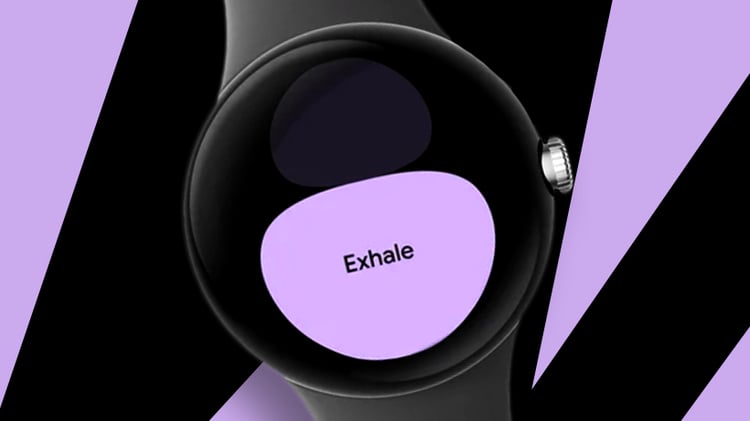
Google is exploring methods to turn guided breathing into a measurable score by tracking heart rate variations.
Google appears to be exploring a new way to make breathing more measurable, after being awarded a patent that describes users being scored on their mindfulness sessions.
First uncovered by Wareable, the filing describes a system based on the natural pattern in which your heart rate increases as you inhale and decreases as you exhale.
Google seems interested in using this response to measure how the body reacts to breathwork.
This could let a wearable device do more than just guide you through a breathing exercise and mark it as done. It could actually score your session based on how closely your heart rate variability matches your breathing.
Even though the patent doesn’t mention a specific product type, it’s easy to picture this feature showing up in a future Pixel Watch or Fitbit as an evolution of the newly rebadged Resilience Score.
A more measurable take on mindful breathing
Over the last decade or so, wearable makers have consistently tried to make breathing exercises more helpful and engaging.
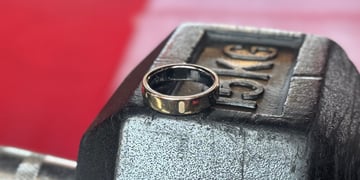
For example, Apple’s Mindfulness app guides users through sessions, and Oura Ring 5 uses changes in heart rate variability after a session to show how the body may have responded.
Google takes a different route. It seems to score the breathing session itself, not just guide it or look at recovery afterward.
According to the filing, the system can generate “a score indicative of mindfulness during the set period of time based on the first heart rate variability metric and the second heart rate variability metric.”
It also says the wearable can determine “a level of mindfulness of a user” and show it to the user. So it seems Google is trying to measure whether your body followed the breathing pattern in a way that shows you became calmer.
In reality, this could make guided breathing feel more helpful, but it also brings up some doubts.
Users already see lots of scores for readiness, recovery, sleep, and resilience, and many are starting to question whether these numbers are useful.
Turning breathing into a score could just feel like another wellness grade to figure out.
Still, if Google can make this feature feel helpful instead of too clinical, it could give future Pixel Watch or Fitbit devices a unique way to handle guided breathing. Stay tuned.