
These body composition analyzers take very different approaches to health tracking—here’s what we recommend
Body composition tracking is rapidly growing in popularity as of late. People look beyond weight alone to better understand their overall health. Muscle mass, body fat percentage, and visceral fat are just some of the metrics providing useful context that a traditional scale can’t offer.
Both Hume Health Body Pod and InBody Dial H30 are designed to measure body composition, track progress over time, and give a more complete picture of your body than weight alone. In practice, though, they target very different users.
Hume Health Body Pod is all about convenience. It focuses on making body composition data easier to track, understand, and act on.
InBody Dial H30 takes a more professional approach. Its technology is widely used in health centers, with a stronger focus on measurement depth and body composition analysis.
Both promise a better picture of your health than a standard scale. The real challenge is figuring out which approach fits your goals, budget, and how you plan to use it.
Hume Health Body Pod vs. InBody Dial H30 comparison
Before we get into details, this is really a comparison between at-home convenience and professional-grade analysis.
Hume Health Body Pod is designed for everyday use, with app-based tracking and guidance.
InBody Dial H30 leans toward more clinical body composition tracking. It provides more detailed measurements and greater precision.
| Spec | Hume Health Body Pod | InBody Dial H30 |
| Price | $183.04 | $379 |
| Device type | Smart body composition scale | Segmental body composition analyzer |
| Metrics tracked | Weight, body fat, visceral fat, muscle mass, bone mass, metabolic age, BMI, total body water | Weight, skeletal muscle mass, BMI, body fat, visceral fat, body balance evaluation |
| Segmental analysis | Yes | Yes |
| BIA technology | Multi-frequency BIA | Multi-frequency BIA |
| App support | Hume Health app (iOS/Android) | InBody app (iOS/Android) |
| User profiles | Up to 24 users | Up to 20 users |
| Connectivity | Bluetooth | Wi-Fi, Bluetooth |
| Weight capacity | Up to 400lbs | Up to 330.7lbs |
| Official website | Visit Hume Health | Visit InBody |
Design and everyday use
While both devices are made with using them at home in mind, they still feel quite different in practice. The biggest distinction is how they fit into your routine.
We felt the Hume Health Body Pod was much closer to a traditional smart scale. Its design is clean and approachable, and getting started takes very little effort.
Setup is quick, as the Hume Health app does most of the work for you. It keeps everything organized for you, turning measurements into simple charts and clear trends.
The overall experience is built around convenience. You step on the scale, check the app, and quickly see how your body composition is changing over time.
For households with multiple users, profile management is straightforward, and the scale blends naturally into a bathroom or bedroom environment.
InBody Dial H30 takes a different approach. While still intended for home use, we felt it was closer to the body composition analyzers commonly found in gyms, wellness clinics, and fitness centers.
The InBody scale uses hand electrodes alongside foot sensors, adding an extra step to each measurement. That's how it delivers a more complete picture of your body composition.
Its app is functional and informative, though it focuses more on detailed measurements than on coaching or guided insights. For data-focused users, that's a strength. For casual users, it can feel less approachable than the Hume platform.
For most people, the Hume Health Body Pod is the easier option to use regularly. Measurements are quick, the app is easy to understand, and keeping track of progress takes very little effort.

Body composition tracking features
Body composition tracking is where the biggest differences between these two devices start to show. Both go well beyond weight, but they are aimed at different user types.
In everyday use, Hume Health Body Pod focuses on consistency rather than depth. It gives you a steady view of progress over time that’s easy to check without needing to think too much about the numbers.
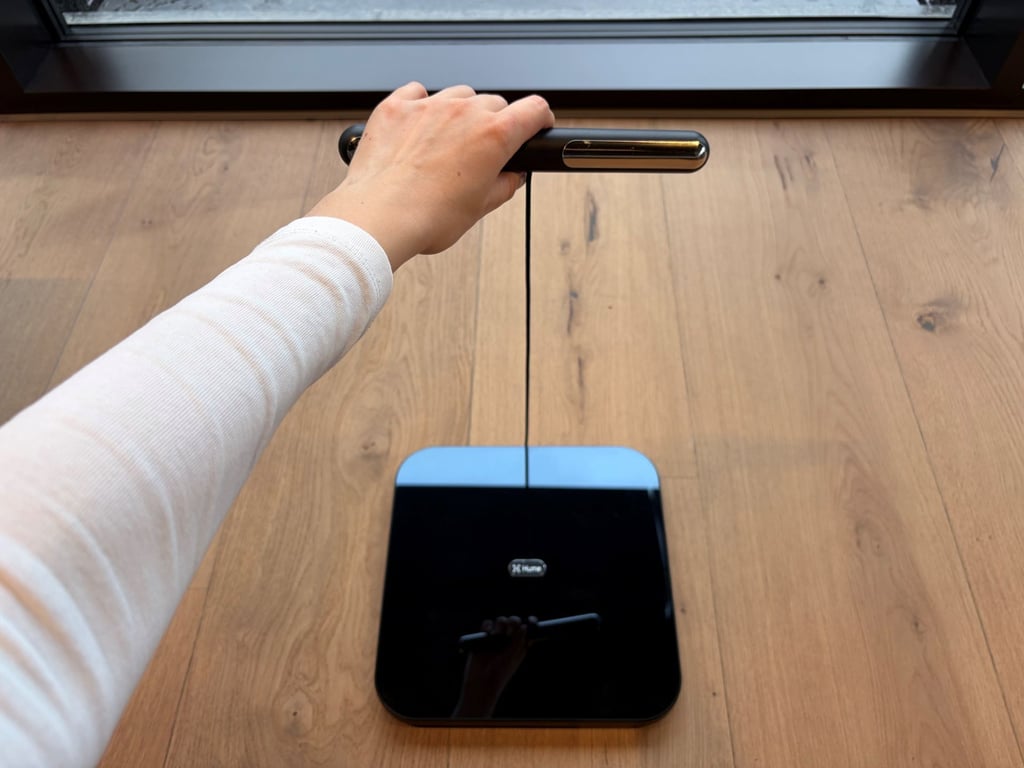
That works well for general fitness, weight loss, or simply keeping an eye on how your body is changing. The key metrics are fairly broad, but they still cover what most people actually care about day to day.
In practice, it doesn’t ask you to interpret much. You step on, check the app, and move on with your day. The focus is more on showing direction over time than breaking everything down in detail.
InBody Dial H30 takes the opposite approach. It dives deeper into body composition and breaks it down in a more structured way.
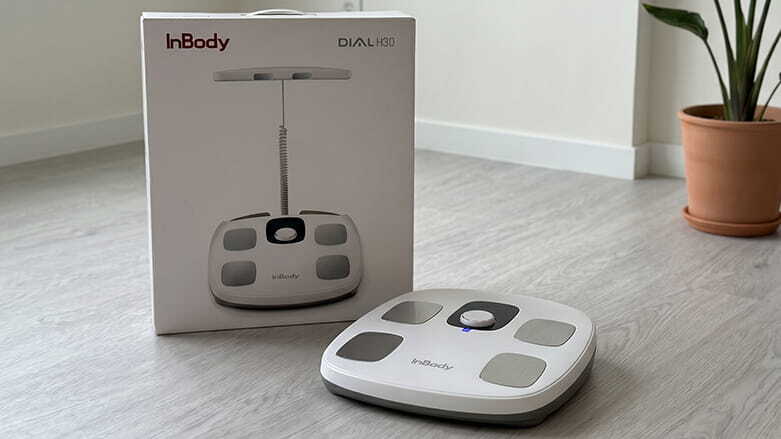
Alongside weight and body fat, you get skeletal muscle mass, soft lean mass, and body balance analysis. There’s simply more data available if you want to dig deeper into your results.
The key difference is how far the analysis goes. InBody separates and breaks down body components in more detail, rather than keeping things at a higher-level overview.
That level of detail is useful if you want tighter tracking or follow structured training where small changes matter more. It gives you more to work with but also more to interpret.
For everyday users, not all of those extra metrics will feel equally useful. Some are more relevant for performance-focused training or specialist health tracking.
Hume Health Body Pod sticks to the essentials for regular use. It’s enough to understand progress without making the experience feel complicated.
InBody Dial H30 goes deeper with more detailed breakdowns. That extra detail is useful if you want it, but it does make the experience more demanding day to day.

Accuracy and measurement technology
Accuracy is one of the most important things to understand with both of these devices, but it’s also where your expectations need to stay realistic. Neither of them will give you medical-grade body scans, and both rely on the same general method.
As we’ve already established, both Hume Health Body Pod and InBody Dial H30 use bioelectrical impedance analysis (BIA). This sends a very small electrical signal through your body to estimate things like body fat and muscle mass. It’s safe and quick, but it is still an estimate, not a precise measurement.
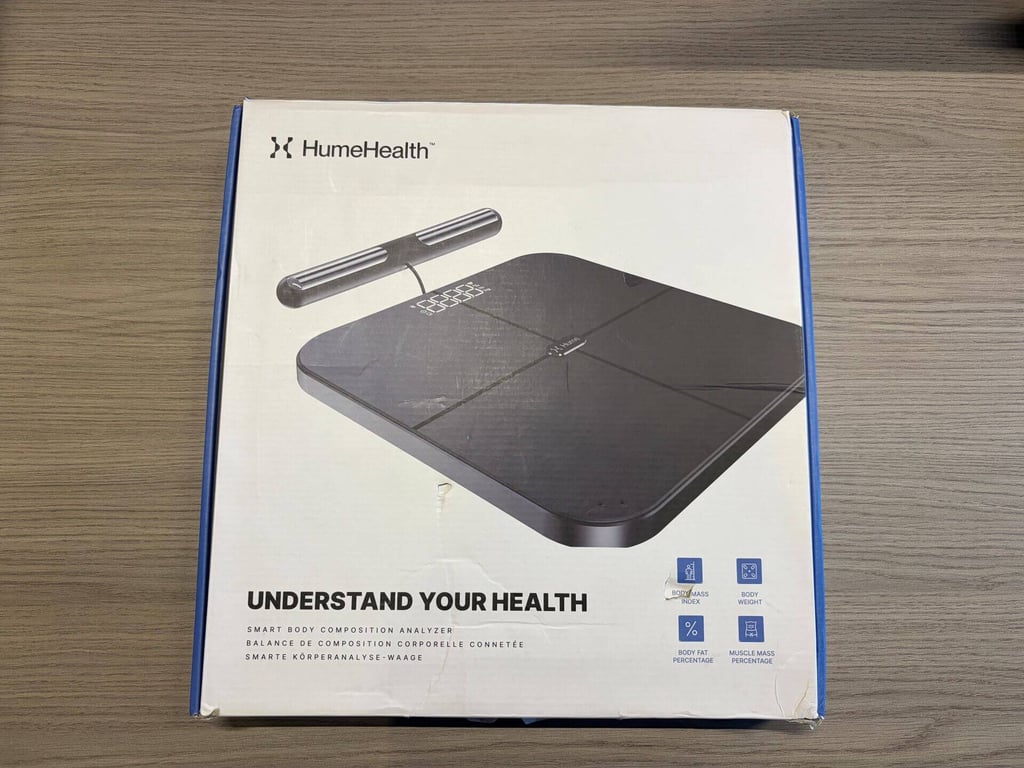
In practice, this means the most reliable reading is weight. Everything else, like body fat, muscle mass, and water levels, should be seen as directional data rather than exact numbers.
Where things start to differ is how each device handles consistency and depth of measurement. Hume Health Body Pod is built around repeatable readings in a home environment. It aims to give you stable trends over time, even if single readings are not perfectly accurate.
That makes it useful for tracking change. If your weight is slowly going down or your body fat trend is improving, the direction matters more than the exact number on any given day.
InBody Dial H30 uses a more advanced multi-frequency system and adds hand-to-foot measurements. This gives it more data points to work with, especially for segmental analysis across different parts of the body.
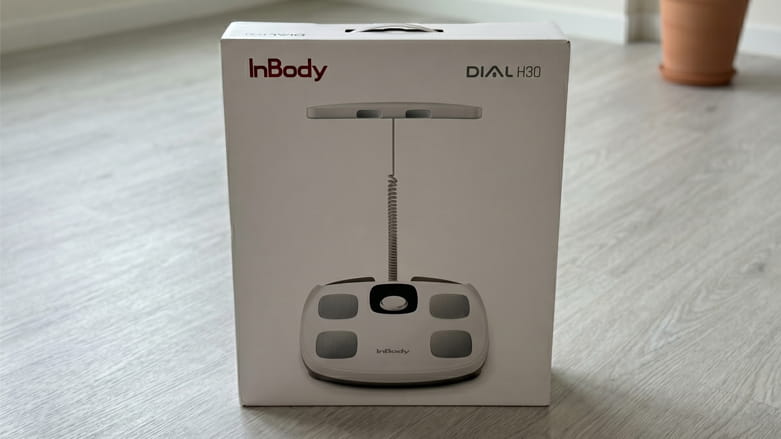
In real-world use, that can make its readings feel more detailed and structured. It is closer to what you would expect from professional-style testing setups, even if it is still based on BIA like every other smart scale.
That said, even InBody is still affected by the same outside factors. Hydration, food intake, exercise, and even time of day can change results. No home scale fully removes that.
In general, InBody is likely to give you more consistent body composition breakdowns, while Hume focuses more on simple, repeatable trend tracking.
App experience and insights
The app is where both devices turn measurements into something you can actually understand and use, but the experience is noticeably different once you spend time with them.
Hume Health keeps the experience light and easy to follow. The layout feels clean and well thought out, and it doesn’t take long to find what you need. Your measurements are grouped into simple progress views, so you can check how things are moving without having to go through many screens.
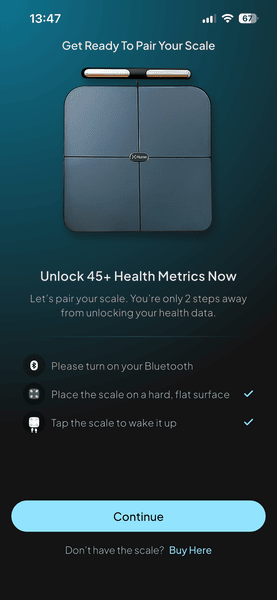
You open the app, check your progress, and see straight away how things are changing over time. There’s no need to overthink each reading.
We found goal-setting easy. You can set a target and just track your progress as you go, without spending time figuring out how the app works. In daily use, it all feels smooth and easy to keep up with.
InBody Dial H30 takes a more data-heavy approach. The app presents a wider set of measurements and breaks them down in more detail, including segment-level body data and deeper composition breakdowns.
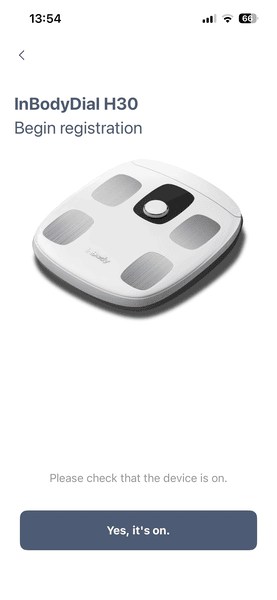
That level of detail will suit users who want to analyze changes more closely, but it requires more user attention. You spend more time interpreting the numbers than just checking progress.
Hume makes it easier to stay on top of your tracking without much effort, and the design feels more natural in everyday use. InBody gives you more depth, but it comes with a more complex experience.
In practice, Hume also feels more intuitive overall, with a cleaner layout that makes the experience more enjoyable for regular use.
Home users vs. professional users
These two devices are clearly aimed at different types of users, and that becomes obvious in how they’re meant to be used.
Hume Health Body Pod is designed for everyday home use. It’s for people who want a simple way to track their body without dealing with complex data. You step on, check your results in the app, and move on. It fits into daily life without feeling like something you need to manage.
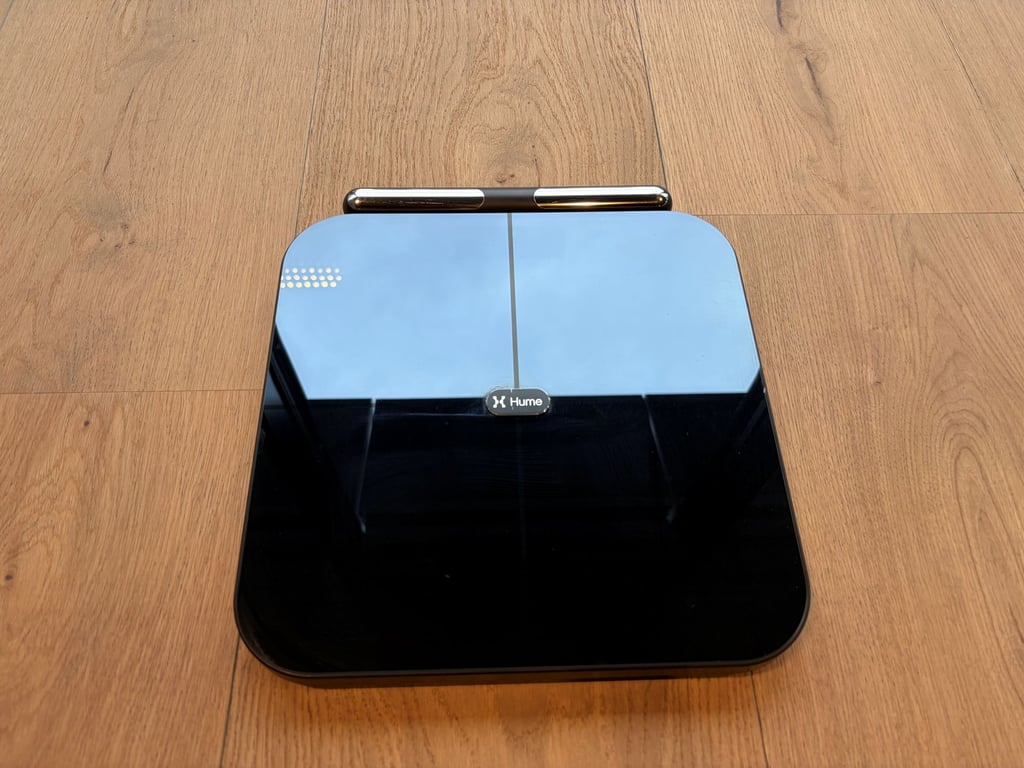
It also works well in shared households. Each user gets their own profile, and setup stays simple. For most families, that level of tracking is more than enough for general health and fitness goals.
InBody Dial H30 is built for a more structured environment. It’s the kind of device you’ll often see in fitness studios or used alongside trainers who know how to read the data properly.
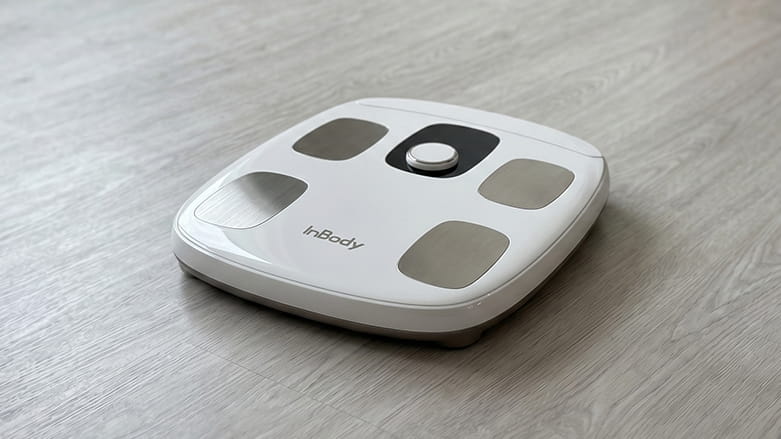
The extra data can be useful if you know what you're looking for. But for most people tracking weight, fitness, or general health, it’s probably more than they need.
The key difference is intent. Hume Health Body Pod is made for everyday users who want something simple and consistent. InBody is better suited to people who actively work with body data in a more technical way.
Most home users will get more value from Hume Health Body Pod. It delivers the information that matters without turning every weigh-in into a deeper analysis session.
Price, subscriptions, and value
One thing both of these devices get right is that there are no subscription costs to worry about. Once you've bought the scale, you can connect it to the app and access your body composition data without paying extra each month.
That emphasizes the upfront cost. Hume Health Body Pod costs $183.04, while the InBody Dial H30 costs $379. That's a big difference for two devices that serve a similar purpose.
What you’re really paying for is how much detail you want. InBody goes deeper into body composition, while Hume keeps things more focused on the basics that most people check regularly.
The real question is whether you'll make use of that extra information. For some users, the answer will be yes. We think most people are simply looking to track body fat, muscle mass, weight, and overall progress.
InBody Dial H30 offers more depth, but Hume Health Body Pod delivers better value for most people. It covers the essentials while costing considerably less.
Verdict: Which should you choose?
These two devices take different paths to body composition tracking, so the right choice depends on how you want to use the data:
- Choose Hume Health Body Pod if you want a simple, easy-to-use scale for everyday tracking. It’s ideal for weight loss, general fitness, or staying consistent with basic body composition insights without overthinking the numbers.
- Choose InBody Dial H30 if you want a more detailed body analysis and don’t mind spending extra time understanding the data. It’s better suited to users who want deeper breakdowns and more structured health tracking.
If we had to pick one, it comes down to your priorities: Hume for simple, everyday tracking and InBody for deeper analysis. For most people, Hume Health Body Pod makes more sense. It’s easier to use, costs less, and focuses on the core metrics people actually care about day to day.
References
-
Accuracy of Smart Scales on Weight and Body Composition:
-
Collecting health-related research data using consumer-based wireless smart scales