Based on real-world testing, we summarize the top options to help you smash your goals
The wearable tech landscape has changed dramatically since the first fitness trackers arrived over a decade ago. For years, the only option was a simple wristband that could track your daily steps and sleep.
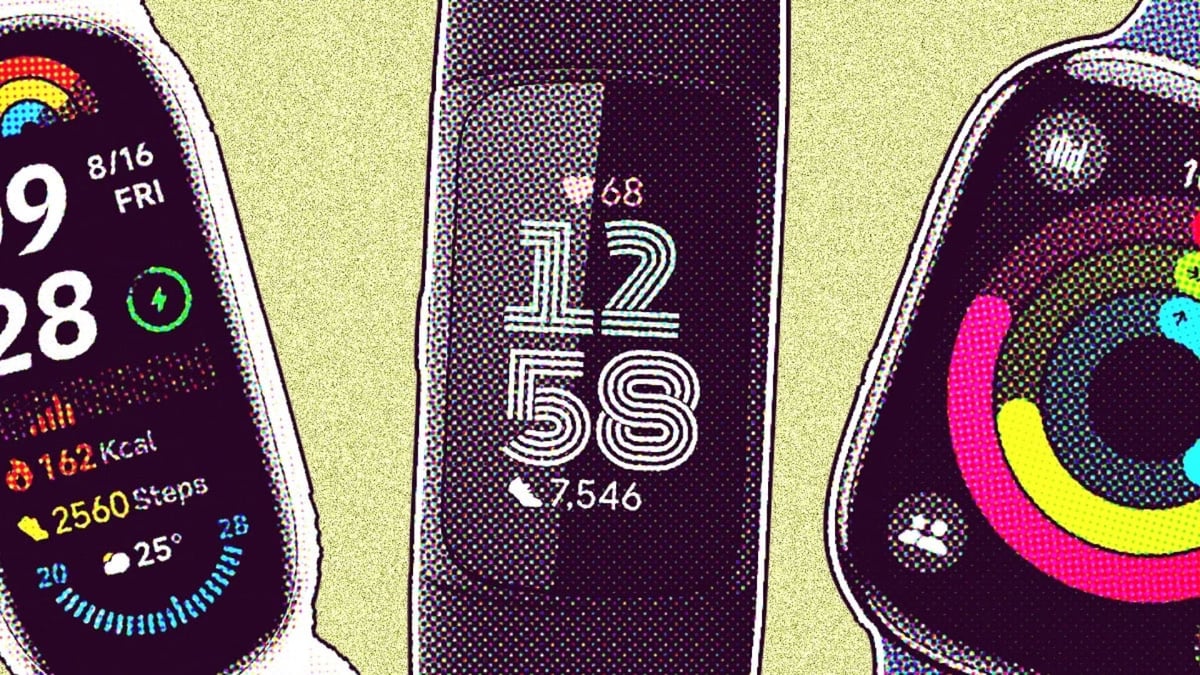
In 2026, it's very different. Sensors that monitor your body's data—heart rate, recovery, and activity—are now built into everything from smartwatches and sports watches to smart rings and screenless straps. Fitness tracking is no longer just about counting steps; it's about gaining insights into recovery, stress levels, sleep quality, and training load.
This guide helps you find the option that best suits your needs, budget, and style. We recognize that getting basic tracking is now easy and affordable—you can get a capable band for around $50. However, the price quickly scales up when you consider different form factors, niche fitness insights, or dedicated smart features.
This is the core of our guide: we focus on the best-in-class options across every style and budget tier, from the basic band to the do-it-all premium tracker. We've reviewed and lived with every major fitness device released over the last decade, which also makes us uniquely placed to advise.
Read on to discover the top devices to consider and the pitfalls to avoid when choosing your next fitness tracker.
At a glance: Our picks of the best fitness trackers
- Hume Band 2.0: Best health picture in one place
- Fitbit Air: Best for rounded fitness tracking
- Withings ScanWatch Light: Best for everyday health tracking
- Whoop 5.0: Best for premium recovery tracking
- Xiaomi Smart Band 10: Unbeatable value for money
You’ll need to know what to consider to pick the best device for your needs. Here are our top tips.
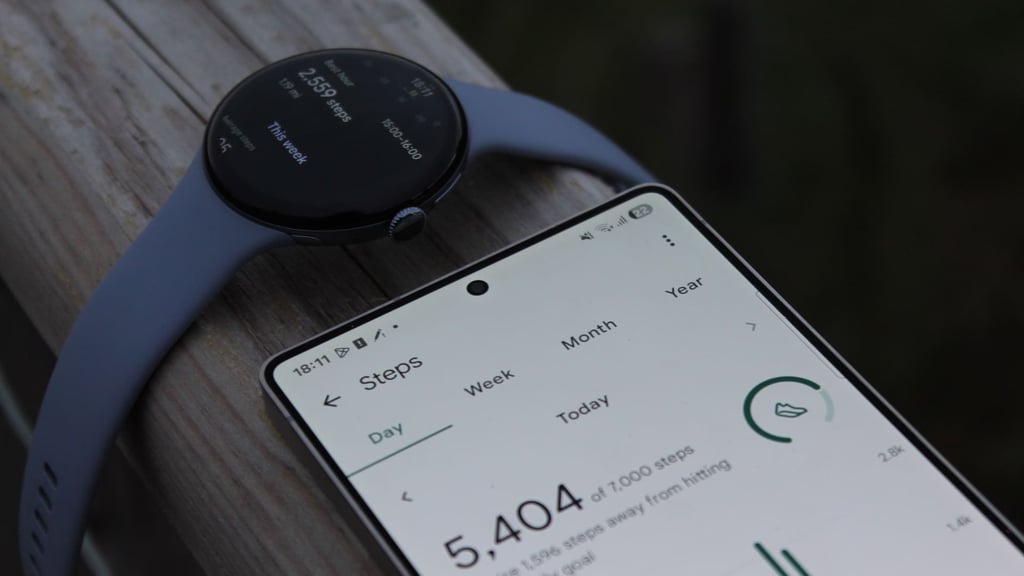
Step-count and heart-rate tracking have improved dramatically over the past decade, and all big-name fitness trackers (those on this list) are relatively accurate. Accuracy is subjective, however. It’s more important that trackers offer consistent stats and encourage you to meet and exceed your personal goals than that they have your steps exactly right. For a sub-$200 tracker, manage expectations. Heart rate accuracy during exercise (especially intervals or weightlifting) can be mixed. These devices are great for motivating you to move more, but they’re not necessarily high-performance training tools.
Many top premium trackers use a subscription business model—either as a requirement or as a tier for premium features. Brands like Hume and Oxiline don’t require such a commitment unless you want premium features. It means that if you buy the device itself, you always have access to your data.
This is the biggest choice. A band is slim, light, and great for 24/7 wear. A smartwatch tracker offers a much larger, more engaging screen, with a range of basic and advanced options. A ring or a screenless band is the most discreet, designed to collect data passively in the background without screen-based distractions. Each form factor has its own strengths.
Trackers with a screen show you notifications from your phone. But true smartwatch features are rarer. For example, Amazfit Active 2 lets you use third-party apps, make contactless payments (Zepp Pay), and take calls, but you can’t set up a cellular plan for standalone support.
Fitbit still makes solid-performing fitness trackers supported by the excellent Fitbit app and ecosystem. Its wearables suit casual users, but they still offer a solid mix of daily goals and wellness stats. In recent years, many rivals have caught up. Still, there are devices to watch, like the newest Fitbit Air.
A word from our expert
Conor Allison, Chief Editor at Wareable
“As the Chief Editor of Wareable, I’ve tested dozens of fitness trackers over the last decade. The secret that most brands and reviewers won't tell you is that the app often matters much more than the hardware. A cheap tracker is useless if its app is a confusing mess of numbers that you never open.
A great fitness tracker is one you love wearing—and that may be because you forget it’s there. It should be comfortable, have a charging cycle that fits your lifestyle, and present your data in a way that’s simple, motivating, and easy to understand. It’s a big reason Fitbit dominated the basic fitness-tracking category in the early days of wearables. Its app, while now partly behind a subscription, remains one of the most encouraging and user-friendly.
My advice to everyone: be honest about what you’ll actually use. Don’t pay for a Whoop subscription if you just want to know if you’re hitting 10,000 steps or track the odd run. For your first tracker, simple is almost always better.”
The best screenless fitness bands
For users who want a simple, screenless, and slim device for tracking, these are the best options.
Hume Band 2.0
- Key features: 24/7 wellness and fitness tracker, Digital Twin (AI-based insights), holistic coaching
- Best for: Simple and clear insights into your health
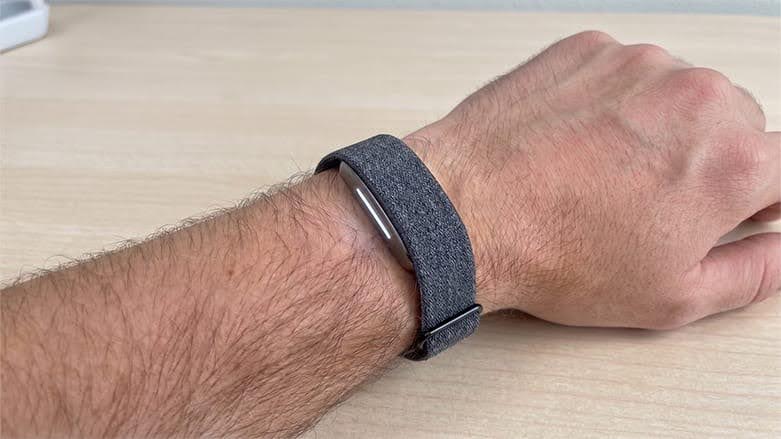
Hume Band 2.0 is the newest addition to the Hume Health product lineup. Like its predecessor, it’s screenless and designed to seamlessly monitor your biomarkers around the clock.
It keeps all core original Hume Band metrics—heart rate variability (HRV), blood oxygen, skin temperature, sleep stages, strain, and recovery. The standout addition is blood pressure trend tracking. This feature may particularly appeal to those seeking additional wellness insights alongside traditional, at-home blood pressure monitor data.
Still, keep in mind that Hume Band 2.0 isn’t a clinical tool. Use it as a daily health companion for peace of mind, but always consult a healthcare provider for blood pressure concerns.
Hume Health credits improved signal processing for these new capabilities, though hardware itself remains unchanged from the original model: five LEDs and four photodiodes.
The app translates sensor data into easy-to-understand insights, so you’re not reading numbers—you’re seeing patterns related to your healthy habits. If observations aren’t enough, AI-powered health coaching may offer suggestions to help support habit changes.
Overall, we believe Hume Band 2.0 can be a nice addition to your lifestyle. It’s not ideal for beginners, but it offers an easy and simplistic way to track your fitness and well-being.
- Check out our full Hume Band 2.0 review
Fitbit Air
- Key features: Slim band design, multiple styles and colors, automatic activity detection
- Best for: Effortless fitness tracking
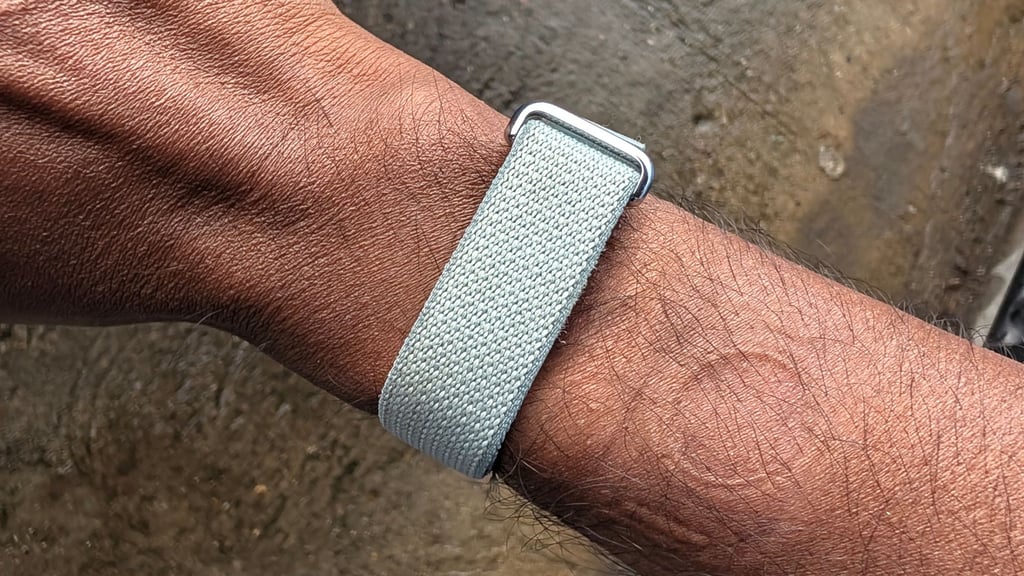
The Fitbit Air is a compelling, screenless fitness tracker built specifically for users experiencing screen fatigue. Positioned as an accessible, bank-balance-friendly alternative to Whoop, it condenses continuous health monitoring into an ultra-slim, lightweight wristband that still leaves plenty of room to wear a traditional watch on the same arm.
Despite its budget price point, core tracking accuracy punches well above its weight class.
Over months of real-world testing, the Air delivered tight step-count baselines, dependable sleep architecture tracking, and optical heart rate metrics within 1–2 BPM of a chest strap during high-intensity interval runs. The software experience introduces Google's Gemini-powered AI Health Coach, which translates raw sleep, HRV, and strain data into natural-language recovery advice and morning summaries.
Yet, while the $99.99 hardware entry price is hard to beat, unlocking the AI Coach, workout libraries, and structured training plans requires a Google Health Premium subscription ($9.99/month or $99.99/year).
The rebranded Google Health companion app also feels graph-heavy and cluttered compared to dedicated single-device platforms like Whoop or Oura. Additionally, its 7-day battery life trails competitors like the Garmin Cirqa or Amazfit Helio Strap, and the textile band tends to show grime after months of 24/7 wear. Still, for distraction-free tracking on a budget, the Air is a formidable contender.
- Check out our full Fitbit Air review
Whoop 5.0 / Whoop MG
- Key features: 14+ day battery life, Healthspan & Pace of Aging metrics, Blood Pressure Insights, optional ECG (MG model)
- Best for: Unmatched longevity tracking and screen-free recovery monitoring
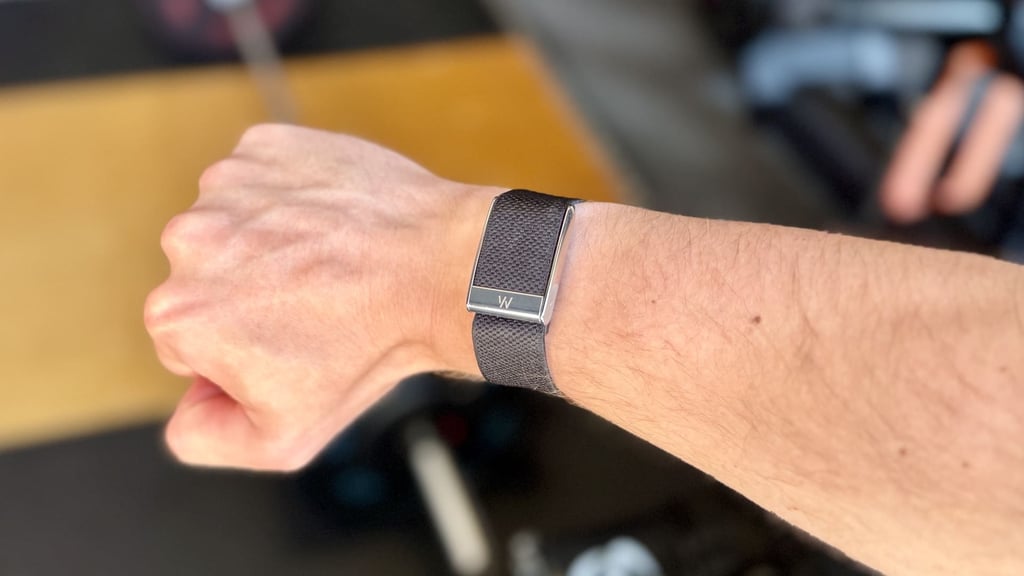
The Whoop 5.0 (alongside its medical-grade sibling, the Whoop MG) represents the pinnacle of screenless, recovery-focused wearable tracking in 2026.
By shifting its focus from pure athletic strain to holistic longevity and physiological healthspan, Whoop has transformed its platform into a deep health companion. It remains our top premium recommendation for athletes and data-focused users who want 24/7 biometric tracking without the constant notifications or glowing screens of a traditional smartwatch.
Hardware is headlined by 14 days of battery life—double its predecessor's endurance—and a 60% faster processor that makes app syncs instantaneous. On the software side, Whoop has expanded beyond baseline Strain and Sleep metrics to introduce Healthspan and Pace of Aging analytics, optical Blood Pressure Insights, and deeper Strength Trainer integration.
Since the fifth generation arrived in early 2025, the platform has further matured with Advanced Labs blood panel integrations and refined AI-driven daily coaching.
The primary hurdle remains the recurring membership costs and hardware lock-in. Access requires a subscription tier ranging from $199/year (One tier) to $359/year (Life tier for MG hardware features like ECG and AFib detection). Plus, while bicep band placement delivers steady accuracy, wrist-based heart rate tracking is still fairly inconsistent—especially considering the price.
If you want a subscription-free basic step counter, Whoop is not for you. However, for users committed to optimizing recovery, tracking long-term health biomarkers, and measuring physiological aging, the Whoop 5.0 ecosystem is one of the most comprehensive platforms on the market.
- Check out our full Whoop 5.0 review
The best fitness tracker in a hybrid smartwatch body
For users who still want a classic watch-style fitness tracker that is stylish but also provides insights into their biomarkers, this device may be perfect.
Withings ScanWatch Light
- Key features: Classic design with long battery life
- Best for: People looking for a stylish fitness tracker that makes wellness insights easy to understand
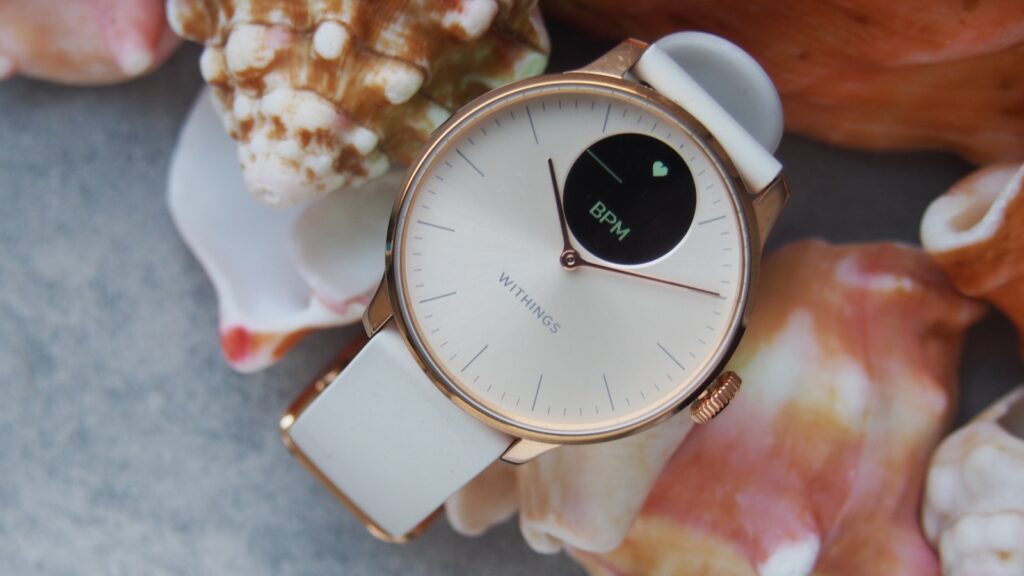
Withings ScanWatch Light strikes a refreshing balance between classic watch design and modern wellness tracking. It’s a strong choice if you want insights without the distraction of a full-blown smartwatch.
It has a timeless round face, stainless steel case, and a grayscale OLED screen, which at first feels like an everyday watch and a tracker second. But don’t get fooled—its health-focused features are surprisingly good.
Rather than chasing every new feature, it focuses on essentials: heart rate, sleep tracking, and activity metrics. That's where ScanWatch Light differs from more advanced rivals—its simplicity.
It doesn’t boast built‑in GPS, fancy widgets, or extensive smart apps. It focuses on solid heart rate and sleep tracking. If you are looking for deeper metrics, such as ECG or blood oxygen levels, these are available on more expensive models.
What really stands out here is battery life, one of its greatest strengths: up to 35 days on a single charge. It’s far longer than most full-screen smartwatches (you’re more likely to slip it on and forget to charge it for weeks).
All in all, Withings ScanWatch Light is a great choice for someone looking for a smartwatch that makes wellness insights easy to understand with a stylish look on the wrist.
- Check out our full Withings ScanWatch Light
The best basic fitness bands
For users who want a simple, affordable, and slim device for tracking, these are the best options. However, it’s also an area of the market that’s shrunk considerably over the last few years, hence why we only recommend two options.
There are a few key reasons for this. Fitbit releases have dried up considerably, with established brands like Xiaomi dominating the market with bands available for a fraction of the price. At the same time, users have generally favored smartwatch form factors over the slimmer band style (skip to the next section if that’s you).
Xiaomi Smart Band 10
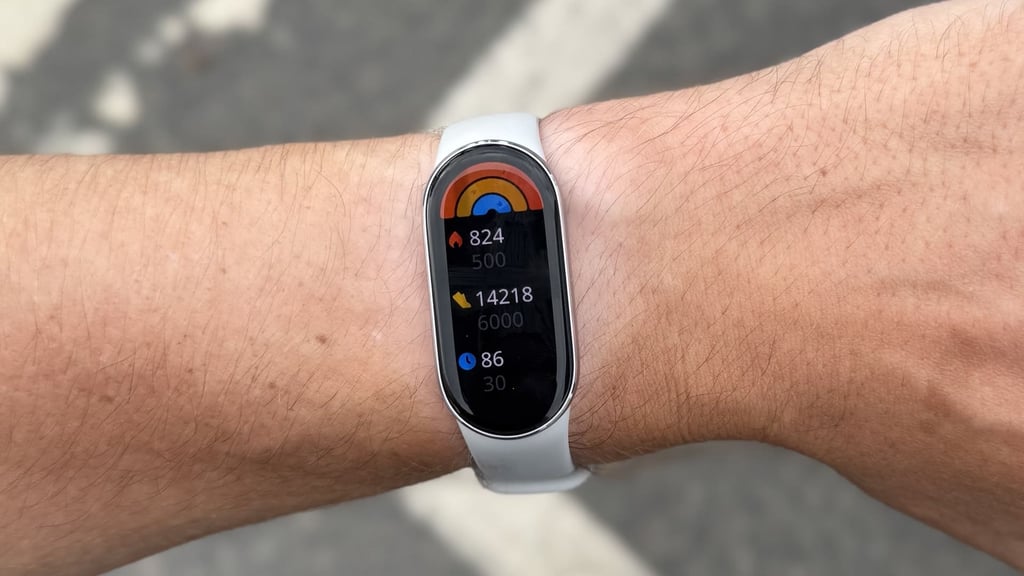
- Key features: Large AMOLED display, 14-day+ battery life, 5ATM water resistance
- Best for: Unbeatable value for money
The Xiaomi Smart Band 10 continues its reign as the undisputed king of budget trackers. For around $52.99, it’s almost impossible to beat on value.
This 2025 release features a larger, brighter, and faster-refreshing AMOLED screen that feels incredibly premium for the price. The fitness tracking basics are all covered: it reliably tracks your steps, 24/7 heart rate, and sleep duration.
It’s also packed with an almost overwhelming number of sports modes and includes SpO₂ monitoring. The Vitality Score offers a simple, PAI-like metric to gamify your weekly activity. The battery life is the main draw, easily lasting two weeks between charges.
The data isn’t as polished as Fitbit’s, and the app can be busy. Yet, for a simple, motivational, set-and-forget tracker, this offers 90% of the features for 30% of the price.
Fitbit Charge 6
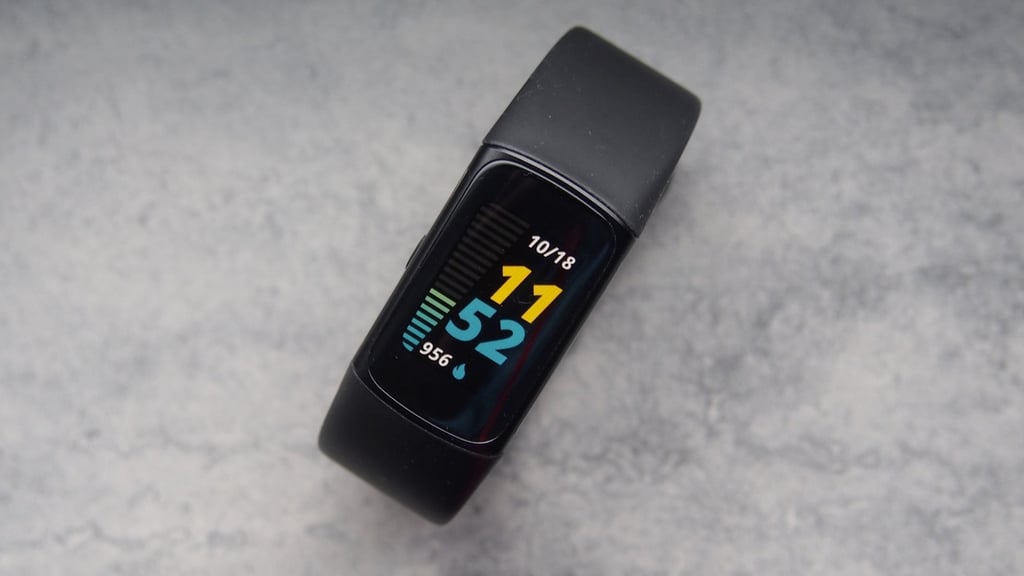
- Key features: ECG and EDA sensors, built-in GPS, Google Maps and Wallet integration
- Best for: The best premium band experience for beginners
Fitbit Charge 6 is the most powerful and polished band you can buy, but it comes with caveats.
It excels at the fundamentals, offering arguably the most reliable and easy-to-understand sleep trend tracking on the market, presented in Fitbit’s famously intuitive app.
It’s also a powerful wellness device, packing an ECG for heart rhythm tracking and an EDA sensor for stress-related measurements. Its integration with Google Maps and Wallet makes it a genuinely smart band.
However, during testing, the built-in GPS was very unreliable, and some of its best features are locked behind a Fitbit Premium subscription.
It’s also old, having launched in 2023, and we now have a better replacement—Fitbit Air as of May, 2026.
- Check out our full Fitbit Charge 6 review
The best fitness trackers in smartwatch bodies
For users who want a larger screen and a watch-style form factor without the price or complexity of a ‘proper’ smartwatch, these devices now dominate the $100–00 market.
And for good reason: they pack tons of tracking features and often log steps, workouts, and heart rate just as well as devices that cost more than double. The drawback, like with the bands above, is the lack of integrated smart features.
Huawei Watch Fit 5 Pro
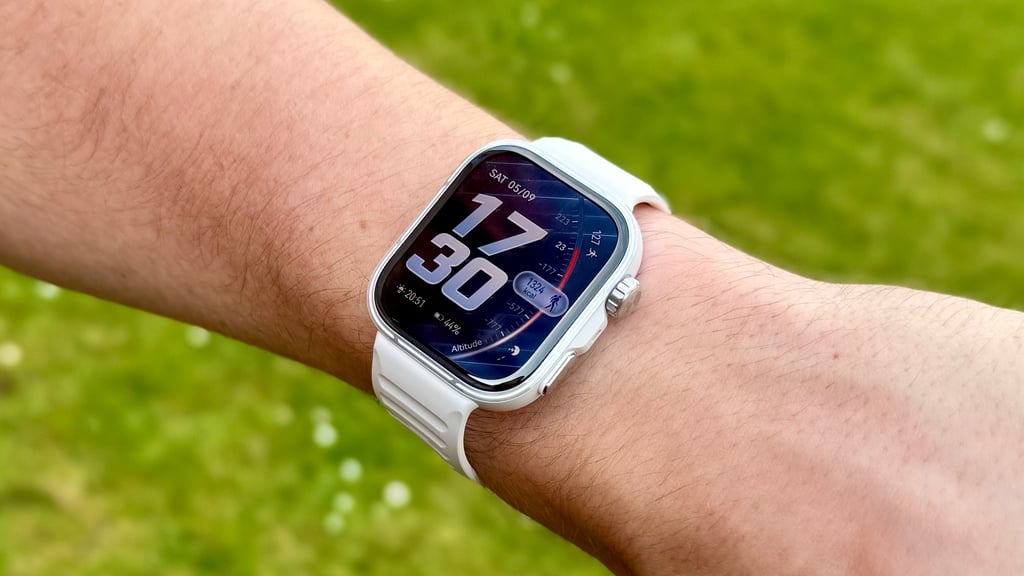
- Key features: 1.82-inch AMOLED display, dual-frequency GPS, 7–10 day battery life
- Best for: The best value fitness tracker on the market
The Huawei Watch Fit 5 Pro is one of our top picks for most people hunting for a feature-packed fitness tracker in 2026. Building on the success of its predecessor, it still offers premium materials and advanced physiological sensors at a remarkably budget-friendly price. It perfectly bridges the gap between a lightweight health band and a stylish, full-featured smartwatch.
The hardware is exceptional, pairing an ultra-bright AMOLED screen with a refined titanium-accented chassis. Its fitness tracking punches far above its weight class, with accurate dual-frequency GPS, offline mapping, and ECG analysis—features typically reserved for devices that cost twice as much. The subscription-free Huawei Health app also clearly presents your heart rate, HRV, and sleep trends.
The main trade-off remains software ecosystem lock-in: third-party app availability is limited, and contactless payment support is scarce outside Asia. Additionally, ongoing US trade restrictions keep state-side availability limited, making Amazfit the primary alternative for US buyers.
Still, for iPhone and Android users outside the US who want a luxury-feeling, long-lasting tracker that excels at core health metrics, the Watch Fit 5 series is the benchmark.
Amazfit Active 3 Premium
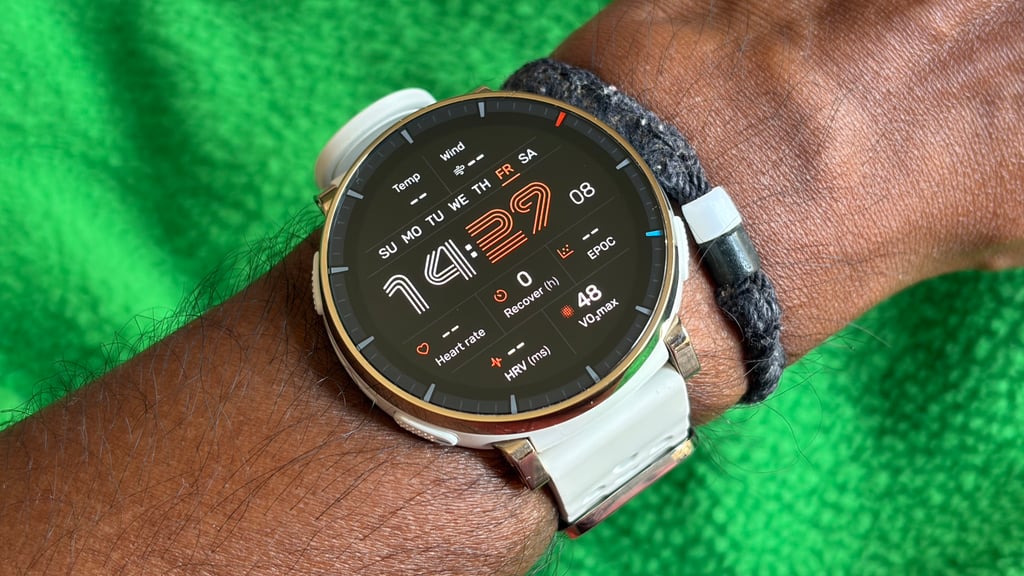
- Key features: 1.32-inch 3,000-nit AMOLED display, Sapphire glass & stainless steel case, 4 physical buttons, 7–12 day battery life
- Best for: Premium durability and AMOLED display for budget-conscious runners
The Amazfit Active 3 Premium is a disruptive entry in the budget watch space, pitching directly to athletes who want high-end hardware without flagship prices. By pairing a stainless-steel bezel and scratch-resistant sapphire glass with an aggressive price tag, it undercuts entry-level offerings from Garmin and Coros while offering far superior materials.
Its standout feature is a 1.32-inch AMOLED display that hits a staggering 3,000-nit peak brightness, making mid-run stats easy to read in direct sunlight. Four dedicated physical buttons make navigation simple with sweaty hands or gloves, while 5 ATM water resistance, free offline color maps, and support for external Bluetooth sensors round out an impressive athletic sheet.
The main compromise is its raw sensor precision. Without dual-frequency GNSS, distance tracking can drift occasionally in challenging environments, and the BioTracker heart rate sensor can lag during sharp interval spikes. Additionally, local music transfer speeds can feel sluggish, and training load analytics still require more contextual guidance.
Nevertheless, with full iOS and Android compatibility and zero trade restrictions in the US, the Active 3 Premium is an unbeatable option for runners seeking a durable, stylish, screen-first wearable on a budget.
- Check out our full Amazfit Active 3 Premium review
Amazfit Bip 6
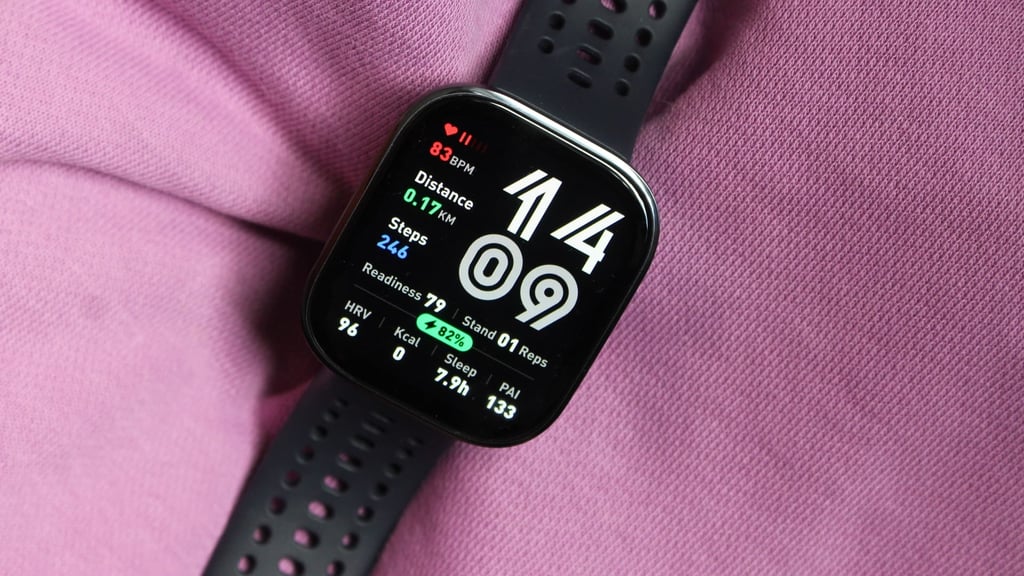
- Key features: 1.97-inch AMOLED display, 10-day+ battery life, offline map support
- Best for: A budget square-faced alternative
Amazfit Bip 6 is another outstanding budget tracker that directly competes with Huawei Watch Fit 4. Its main draw is the huge, bright AMOLED display, which is a massive upgrade over the old Bip models.
It nails the fitness tracker basics: step counting, sleep tracking, and continuous heart rate monitoring are all solid for spotting daily trends. Like its sibling, Active 2, its standout feature is offline map support, which is absurd for a watch at this sub-$80 price point. It also supports external heart rate sensors.
The GPS isn’t dual-frequency and can be inaccurate, and the training insights feel a bit conservative, but these are minor complaints. It’s an excellent, low-cost tracker that feels and looks much more expensive than it is.
- Check out our full Amazfit Bip 6 review
Best fitness tracker: Bottom line
Choosing the right fitness tracker in 2026 means balancing hardware value against long-term subscription costs.
Outside the US, the Huawei Watch Fit 5 series offers solid overall value, with premium AMOLED displays, dual-frequency GPS, and subscription-free tracking—though ongoing trade restrictions continue to limit its availability.
If you prefer screenless tracking, factor in recurring fees before buying. The ultra-slim Fitbit Air delivers impressive baseline tracking accuracy for a very reasonable price, but its standout features, like Gemini AI health coaching, require a Google Health Premium subscription. Meanwhile, the Whoop 5.0 ecosystem offers industry-leading recovery metrics and longevity insights, but its steep annual membership makes it an investment strictly for dedicated biohackers.
Ultimately, hardware specs matter far less than app engagement and pricing structure. Whether you prefer a single upfront payment or continuous AI-powered coaching, setting budget boundaries and screen preferences will make choosing your ideal 24/7 wearable straightforward.