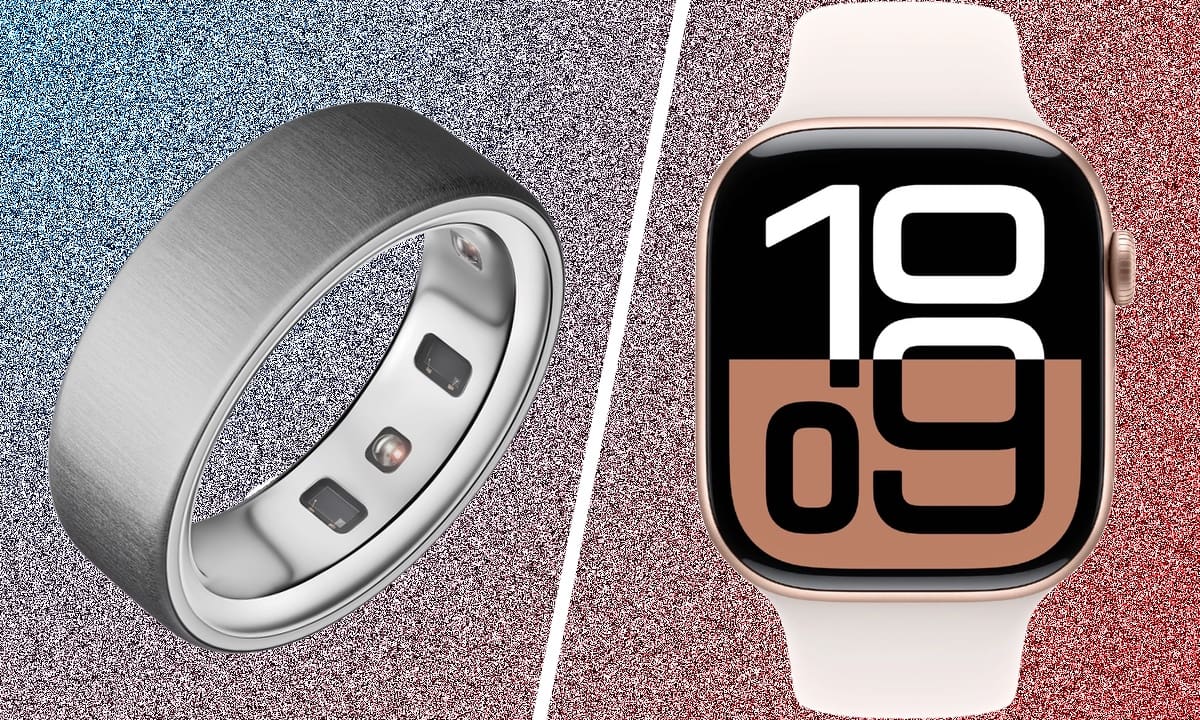
Apple Watch and Oura Ring are both wearable powerhouses, but do things in a totally different way
Oura Ring is gaining serious traction—the company has now sold 2.5 million units as the smart ring market booms.
Smart rings have captured the imagination by offering a more discreet way of tracking sleep and activity from the finger. They’re a mile away from smartwatches, with their screens and digital distractions.
But Apple Watch is universally popular, with some of the best wellness tracking available—and it’s a workout-tracking powerhouse, too.
Many people face this decision, and many choose both. But if you’re choosing between two, here’s what you need to know.
Oura Ring 4 review | Apple Watch Series 10 review | Apple Watch 11 review
How we tested
Our testers at Wareable, including James, have worn both Apple Watch and Oura Ring extensively—with years of experience in these ecosystems. They’ve slept, walked, ran, swam, and lived with them, and compared hundreds of nights of data to deliver personal experiences.
Price compared
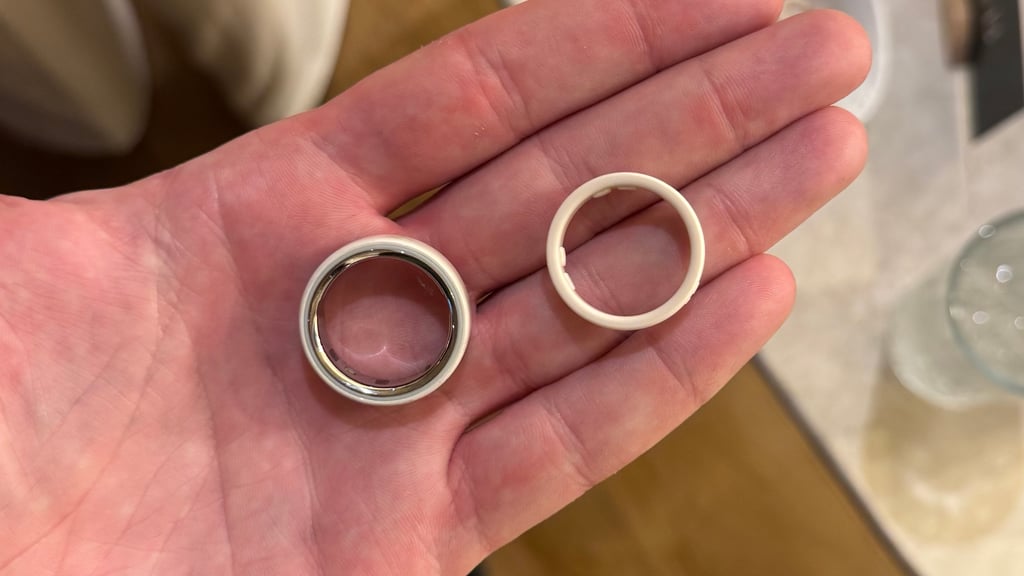
Oura Ring Gen 4 costs around $349, depending on the model and finish. However, that has now been replaced by the newer Oura Ring 5, which starts at $399, rising to nearly $500 depending on the color.
To use Oura, you also need the $5.99 monthly subscription to the app.
Apple Watch, on the other hand, has a broader price range. The latest Apple Watch model, Series 11, starts at $399. It will go higher depending on case material, size, or features such as LTE. Apple Watch SE 3 is more affordable at around $249.
Winner: Tie
Design and features
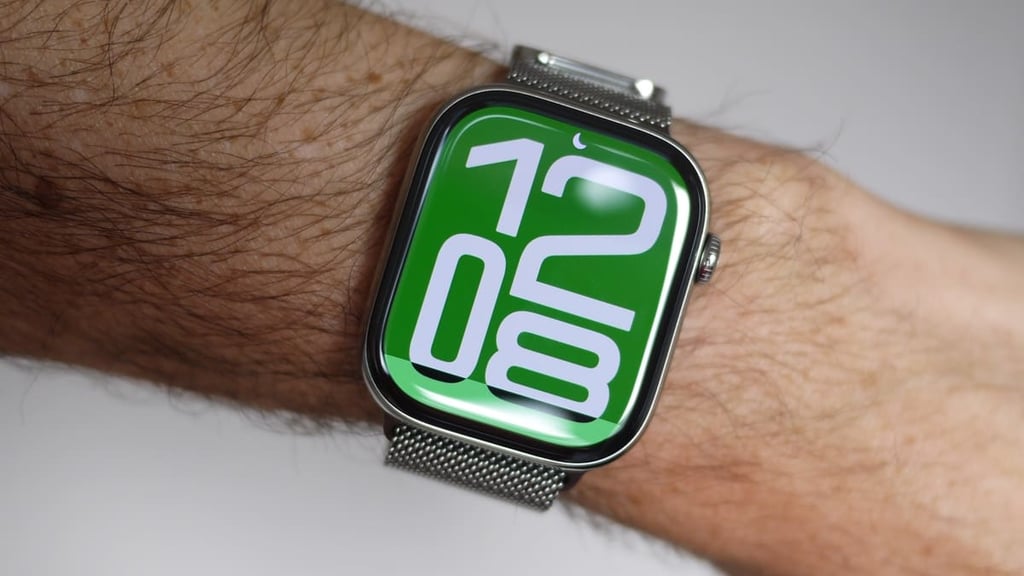
Even at first glance, the design differences are obvious. One is a discreet ring, and the other is a well-recognized smartwatch.
Oura Ring 5 is one of the thinnest and lightest rings on the market, unlike the older Gen 4 model. Meanwhile, all Apple smartwatches greatly differ in size and form.
Oura doesn’t offer live feedback on fitness or metrics, so all of that needs to be done via the smartphone app. It isn’t for everyone, but if you’re feeling overwhelmed with constant notifications, this type of calm might sound appealing.
Apple Watch offers feedback via the large OLED display—and naturally—can show the time as well. It also offers things like Apple Pay, access to Apple Watch apps and glanceable, bite-size information from its Smart Stack Widgets. Yet, if you’re an Android phone user, these smartwatches aren’t for you.
Winner: Tie (depends on what you’re looking for)
Wellness insights
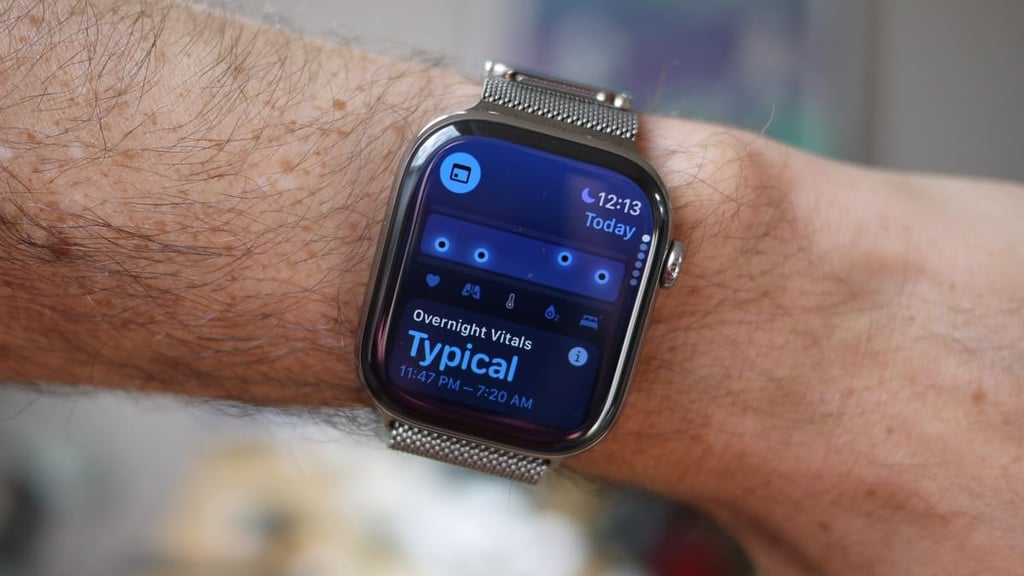
Both Oura Ring and Apple Watch are wellness tracking devices—but in very different ways.
From our experience using both, Oura Ring 5 provides more actionable insights, while Apple Watch tracks more passively, without translating the data to guidance on how to support your well-being.
Apple Watch focuses more on broad activity and fitness tracking. It collects a huge amount of data but presents the information without any personalized guidance. While it does offer additional features that Oura lacks, including ECG monitoring, when it comes to collected data, you will need to figure out what it means yourself.
Winner: Oura Ring
Sleep tracking
Oura Ring 5 focuses heavily on sleep tracking and recovery metrics—and bases pretty much all of its insights around this data. This contrasts with Apple Watch, which tracks sleep but doesn’t offer as much analysis around it.
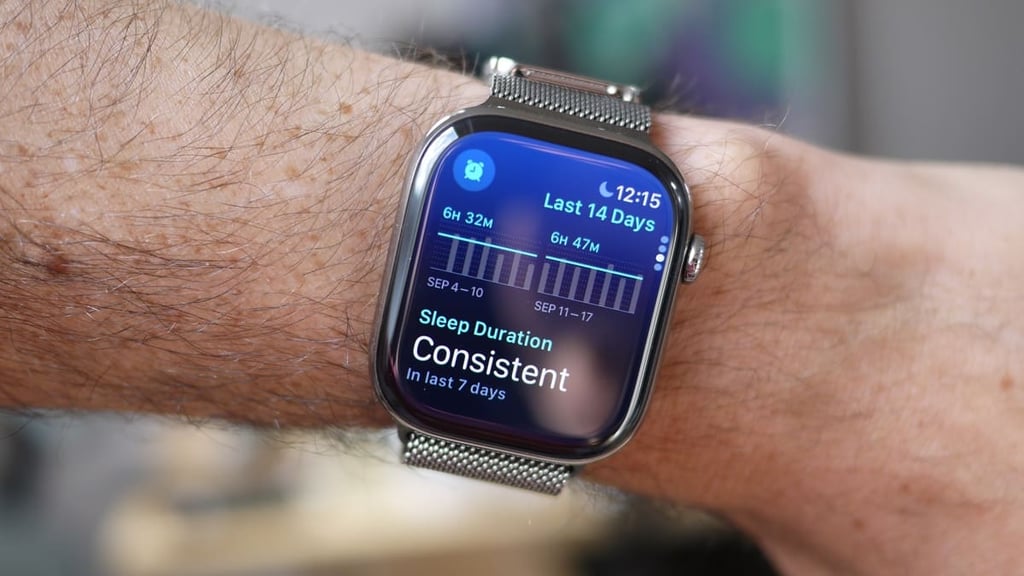
Both records sleep duration and breaks down your sleep into stages: deep, light, REM, and awake. Apple Watch offers a sleep score based on duration, consistency, and interruptions, but Oura goes beyond that. It gives you insights into your circadian rhythm, how your sleep and wake times correlate, and what chronotype you are, which may be insightful for planning your productivity.
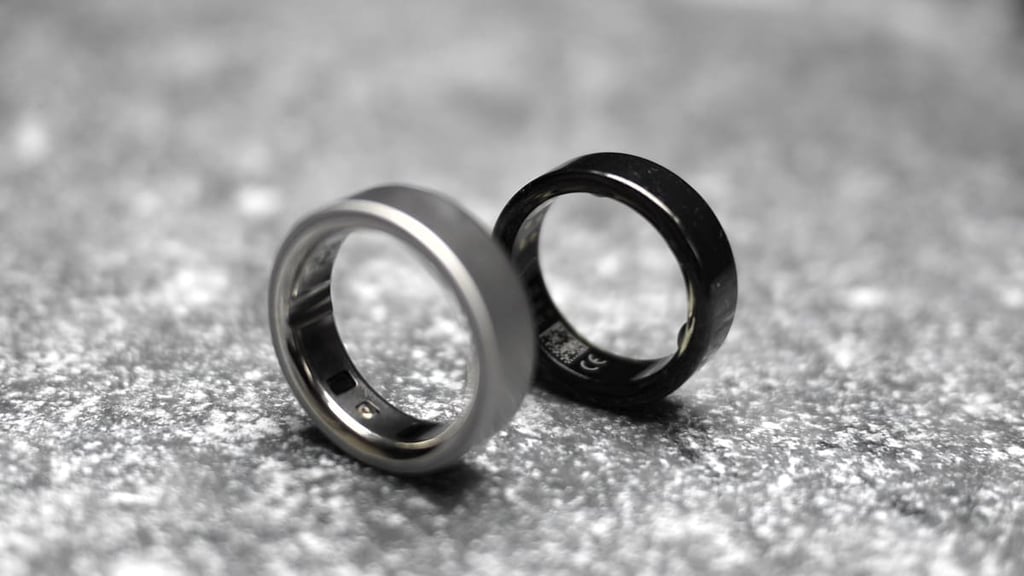
Moreover, Oura tracks HRV during sleep, which is commonly associated with autonomic nervous system activity and may indicate recovery and stress levels. Higher HRV generally suggests better recovery and lower stress, and it feeds this into a recovery and stress resilience rating. These are two features Apple Watch overlooks.
Winner: Oura Ring
Reproductive health tracking
Apple Watch uses body temperature and reported symptoms to track periods, provide retrospective ovulation estimates, and alert you when your next fertile window is approaching. It may also flag cycle deviations that might warrant a doctor visit.
Oura takes a similar approach, with period tracking, cycle predictions, and a fertile window feature that estimates your most fertile days ahead of time based on your past cycles and physiological data.
Additionally, both Apple Watch and Oura integrate well with cycle-tracking apps like Natural Cycles, Clue, and Flo.
Winner: Tie
Health and safety features
While Oura Ring 5 offers deeper wellness insights, Apple Watch has more health monitoring and safety features.
Higher-end Apple Watch models, including the Series and Ultra lineups, come with an electrocardiogram (ECG) app that may detect irregular heart rhythms. Additionally, Apple has introduced sleep apnea notifications on newer models, including the SE 3, which prompt users to consult their healthcare providers if breathing disturbances are detected during sleep. These features are not designed to diagnose, but to identify potential warning signs that may warrant further medical evaluation.
Oura features a breathing disturbances metric but stops short of warning about sleep apnea.
Apple Watch also adds fall detection, car crash detection, and hearing protection features. None of that is available on Oura Ring 5.
Winner: Apple Watch
Fitness Features
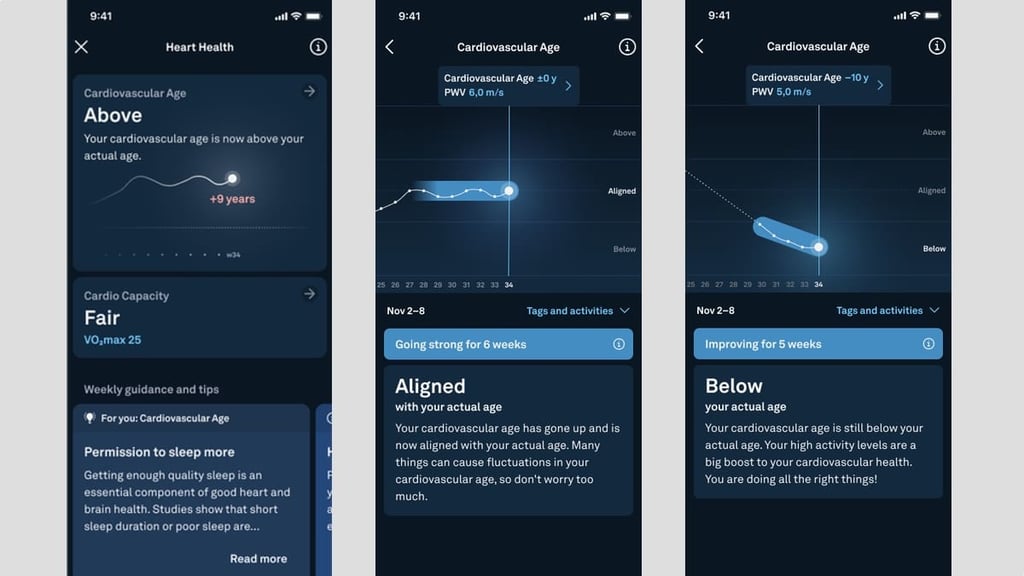
Oura has made huge strides this year to be a better tracker for active people, but it still lags way behind Apple Watch.
Oura Ring 5 takes a more passive approach to fitness tracking, focusing on general activity and recovery rather than specific workout performance. It will automatically detect and log exercise, and this number has risen to more than 40 activities. You can also manually track the heart rate of sessions in the app.
Oura has added VO₂ max estimate and cardiovascular age features, and it does a pretty good job analyzing your activity and making it actionable. More simply, Oura will also track daily activity against a specific calorie goal, showing you a total energy expenditure after.
During testing, we noticed that Oura’s focus is to look at all exercise holistically, so if you like delving into specific workout performance, this isn’t for you. The data on specific tracked sessions is light on detail and isn’t logged in a coherent way but as a massive timeline of activities, including walks to the shop or around the house.
In short, it serves the purpose of assessing overall movement, but this isn’t a workout device.
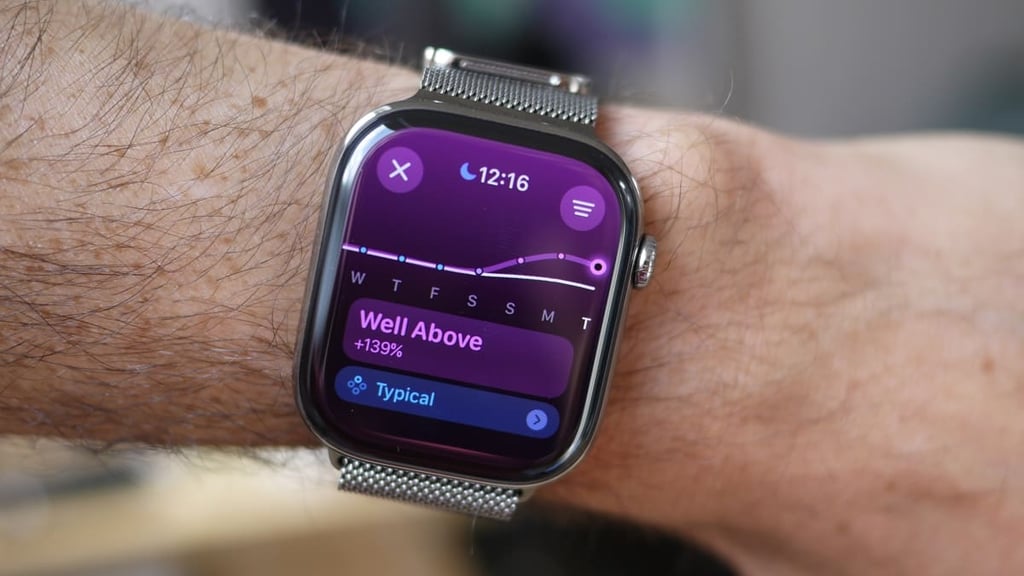
Apple Watch, on the other hand, is a powerhouse for workout tracking. There are heaps of great workout profiles, and you can even structure sessions, race your own PBs, get in-depth views of your training load (above), and peruse VO₂ max estimate data.
The Apple ecosystem also has Fitness+ for guided home workouts.
Oura Ring 5 uses your smartphone’s GPS to get route data, which was solid in our testing. But you do need to take your phone with you. Apple Watch has GPS as standard, and Ultra 2 and Ultra 3 has multi-band for some of the best accuracy out there.
Apple activity rings are a good way of getting calorie burn and stand hours, and of course, you can check those at a glance on the display.
We believe the heart rate tracking is also more reliable than Oura’s during exercise. Though, Apple Watch isn’t that much ahead.
Both devices have 5ATM water resistance and are good for a dip in the pool. But while Oura will track HR in the pool and the time of the session, only Apple Watch can detect strokes, lengths, and all that good stuff.
Winner: Apple Watch
- Read next: Best smartwatches from our reviews
Battery life
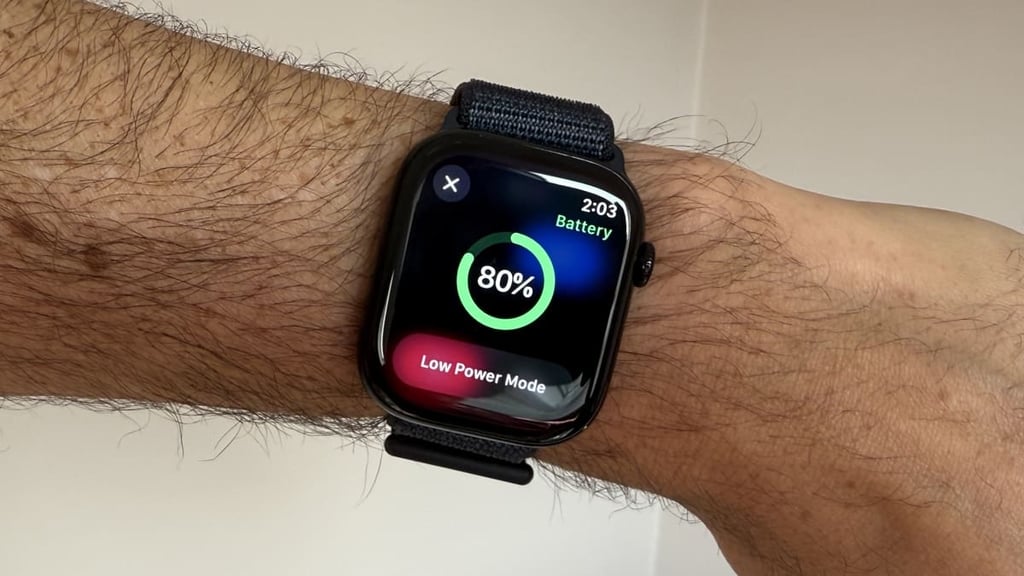
Here’s a big win: despite being a tiny smart ring, Oura Ring 5 beats the Apple Watch SE or Series with up to 9 days of battery life.
That is totally at odds with Apple Watch Series 9, which will last around 26 hours on average in our testing—admittedly better than the 18 hours Apple touts. The latest model, Series 11, should last around 24 hours of normal use.
Now, if battery life is your main concern and you do want an Apple Watch, you can go for an Ultra model, which reliably gets 2–3 days in our testing. While it doesn’t come close to what Oura Ring 5 offers, it is still great if you are into longer hikes far in nature.
Winner: Oura Ring
Verdict
These two devices solve the same problem in very different ways, so the right choice depends on what kind of tracking you actually care about.
Choose Oura Ring 5 if you want the best sleep and recovery tracking, and actionable insights into your circadian rhythm. It’s also the more discreet option, with less intrusive experience overall.
Choose Apple Watch if workout tracking is the main reason you’re looking for a fitness tracker. It’s also a full smartwatch, so consider it if you want notifications, apps, payments, and smart features on your wrist.
If we had to pick one, the choice comes down to your priorities: Oura for sleep and wellness, Apple Watch for workouts and smart features. They’re genuinely complementary, which is why 40% of Oura users also wear an Apple Watch. But if you’re choosing just one, start with whichever gap matters more in your daily routine.