Google breaks tradition with Wear OS 7 rollout to these Pixel Watch models

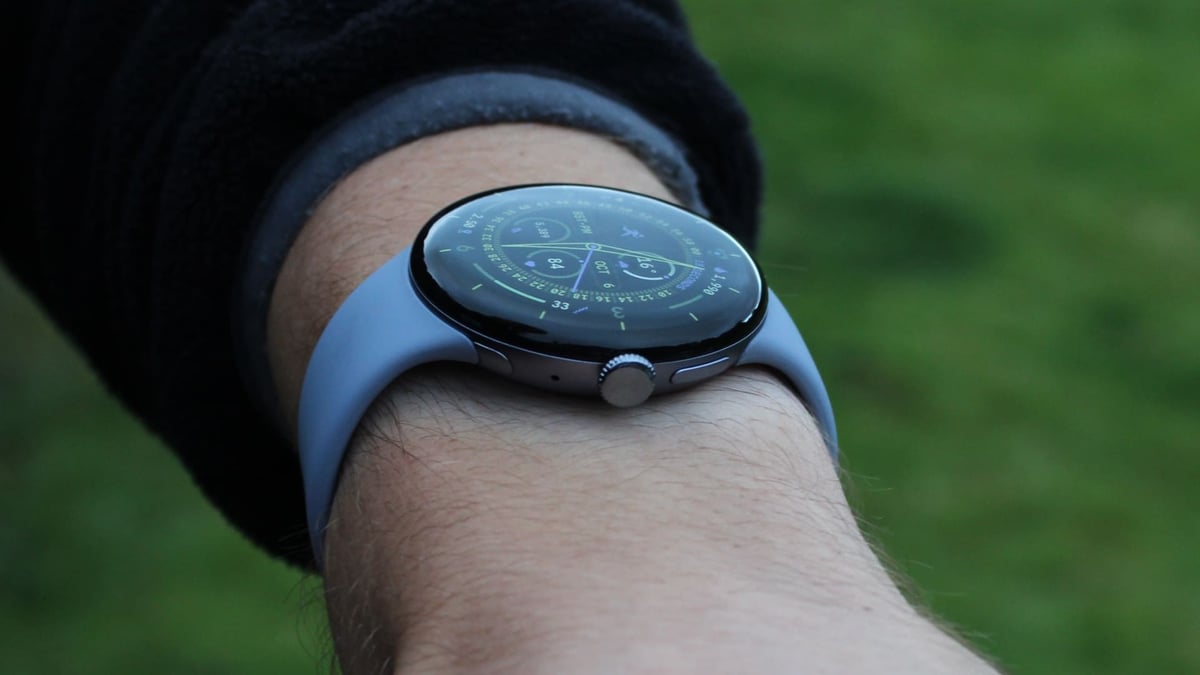
Upgrades like Live Updates, improved media controls, and Wear Widgets are available now
Google has officially begun rolling out Wear OS 7 to smartwatches, after first teasing the major platform update at its I/O conference last month.
Available on the Pixel Watch 4, Pixel Watch 3, and Pixel Watch 2, the update arrives significantly earlier in the year than typical major platform updates.
Since Wear OS was effectively relaunched in 2021, Google has tied major version jumps to late-autumn hardware launches—typically in October.
By decoupling the software update and launching it mid-year, Google is seemingly attempting to align its watch ecosystem more closely with the core Android release cycle.
And unlike in previous years, when key partner Samsung would be the first to receive the latest software tricks, this change also means Pixel Watch users get the jump. At least until next month, anyway, when Samsung is widely expected to reveal its next-gen hardware (and One UI 9 Watch, based on Wear OS 7).
However, this accelerated timeline also highlights the ongoing fragmentation of the platform. With several major third-party manufacturers like OnePlus and Xiaomi still in the middle of deploying Wear OS 6 to their flagship devices, Wear OS 7 is launching as a largely Google-exclusive affair for the foreseeable future.
When we checked our Pixel Watch to update it earlier, it didn't automatically install the Wear OS 7 update. However, once we did the repeated tap trick on the 'Your watch is up to date' screen, it appeared. You're welcome.
Google shows off upgrades in more detail
As part of the rollout announcement, Google has taken the opportunity to dig into some of the headline features of Wear OS 7 in a bit more detail—including the introduction of Live Updates.
Borrowed from lock-screen notifications on phones, this feature embeds real-time data directly into the watch face and the top of the notification shade. So, instead of jumping in and out of dedicated apps, users can track active events—such as sports scores or food delivery status—via a dynamic element at the bottom of the display.
A new universal audio output overlay also allows users to more easily route audio streams between Pixel Buds, smart speakers, and the brand's upcoming Android XR ecosystem.
As we heard at I/O, Google claims the update delivers a 10% optimization in background battery consumption compared to Wear OS 6.
Still, we suspect real-world performance will also depend heavily on how aggressively users tap into new features like Live Updates (and whether third parties can keep them battery-efficient).