Snap unveils standalone Specs AR glasses for $2,195

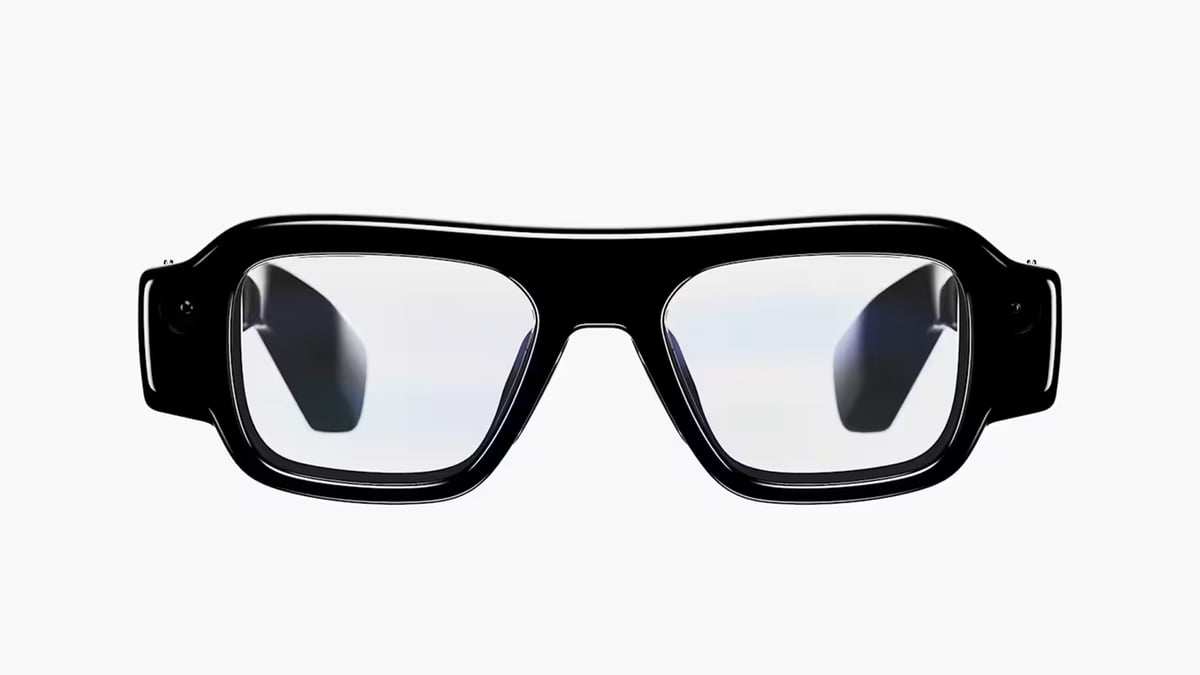
Dual Snapdragon processors power fully untethered hardware launching this fall
Snap has officially introduced its next-generation augmented reality glasses, simply named Specs, at the Augmented World Expo 2026.
Moving on from years of developer-only editions, the company is positioning this new iteration as a consumer-ready pair designed to blend standalone spatial computing with daily life.
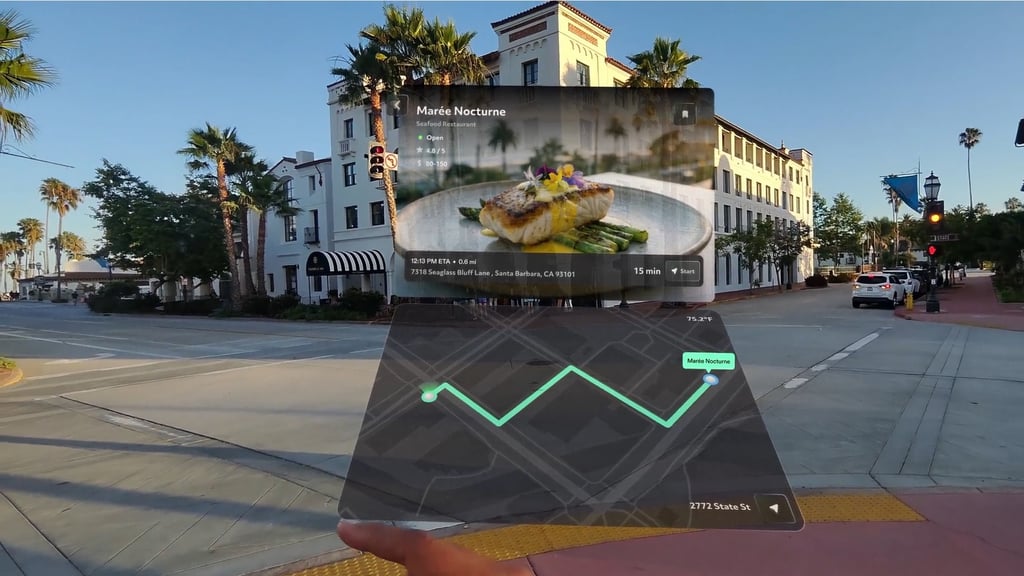
The demos shown off by Snap include Specs displaying and assisting with maps and directions, real-time language translation, gesture control, contextual help with car repair, timers when cooking, and furniture measurements.
Built without an external compute puck or smartphone tether, the new design aims to strike a balance between bulky headsets and the current crop of camera-first smart eyewear.
The hardware is available in two distinct frame sizes, too. The smaller 47mm model weighs 132g, while the larger 52 mm version weighs slightly more at 136g.
Visuals are driven by a proprietary liquid-crystal-on-silicon display system that achieves a 51-degree field of view, significantly expanding the display area over prior iterations.
And to accommodate shifting environments, the glasses harness an advanced waveguide design paired with electrochromic lenses that can transition smoothly from clear to tinted in approximately 10 seconds, the company says.
Internal hardware targets ultra-low latency
Under the hood, Snap has deployed a dual-chip architecture featuring two individual Snapdragon processors.
One chip is dedicated to handling continuous computer vision tasks, such as hand tracking, while the second runs the interactive augmented reality overlays that Snap refers to as Lenses.
To help deliver them—as well as Specs' more generic functions, like music listening, photo snapping, and private display viewing—Snap is also boosting its developer ecosystem through new agentic development previews in Claude Code, Codex, and Cursor, alongside a native development kit that lets creators import outside libraries.
On a single charge, Snap says the glasses can provide up to 4 hours of active, mixed-use battery life, extending to 20 hours total with the bundled portable charging case.
Pre-orders are open immediately at $2,195 (with a $200 refundable deposit), with units slated to ship this fall across the US, the UK, and France.
The Wareable take: A decade on, Snap's challenge remains the same
In a fact that makes us feel incredibly old, it's been a whole decade since Snap Spectacles first hit vending machines in the US.
Snap Spectacles 1, the brand's video-recording smart glasses designed specifically for Snapchat, were followed up by a second and third generation in the years that followed, but the company never really managed to turn the initial hype into big sales.
Since the release of Snap Specs 3 in 2019—the brand's last consumer release—there have been countless reports and investigations into the direction it would take next in the space.
Now, finally, mercifully, we have the answer: it's a phenomenally bold and expensive pair of 'true' AR glasses. At over $2,000, the latest Specs are clearly not an impulse purchase for the casual Snapchat user, but rather an ecosystem play aimed at early adopters and dedicated creators.
Though the hardware is more advanced this time around, the game remains much the same; Snap has to find a way to make the experience compelling for users in the long term. That's less of a challenge in 2026 than it was in 2016, with the idea of smart glasses now much more embedded in wider society. However, at this price, it'll be some time—and likely an iteration or two—before you start seeing Specs out in the wild.