Updated: Oura Ring 3 has been discontinued—is Ring 4 worth the upgrade?
Oura discontinued Ring 3 in late 2025, so if you own one, the real question is whether Ring 4 is worth the upgrade.
After our testing, Ring 4 wins in every area: fewer data gaps, better comfort, and noticeably longer battery life. But Ring 3 still runs the same app with almost all the same features, while Ring 4 starts at $349 plus subscription—so this isn't an obvious call for everyone.
Below, we break down price, design, accuracy, battery, and features to help you decide.
Read the in-depth tests:
Oura Ring Gen 4 vs. Gen 3: Specs compared
| Oura Ring Gen 4 | Oura Ring Gen 3 | |
| Price | Starts at $349 | No longer available for purchase |
| Dimensions | Width: 7.90 mm Thickness: 2.88 mm | Width: 7.90mm Thickness: 2.70–2.90mm |
| Weight | 3.3–5.2g (sizes 4–15) | 4 - 6 g (varies with ring size) |
| Sizes | 4 to 15 | 6 to 13 |
| Finishes | Silver Black Brushed Silver Stealth Gold Rose Gold Cloud Midnight Tide Petal | Silver Black Stealth Gold |
| Battery life | Up to 8 days | Up to 7 days |
| Water resistance | Water-resistant to 100m/328ft Suitable for water sports and sauna (no diving) | Water-resistant to 100m/328ft Suitable for water sports and sauna (no diving) |
| Accuracy and sensors | Smart Sensing technology with 18 signal pathways Infrared photoplethysmography (PPG), red/green LEDs, NTC temperature sensors, accelerometer | Eight signal pathways Infrared photoplethysmography (PPG), red/green LEDs, NTC temperature sensors, accelerometer |
Price comparison and available finishes
When considering the price of Oura smart rings, you always have to factor in the monthly membership fee—$5.99/£5.99 monthly (or $69.99/£69.99 annually).
For the newer Ring 4, the price varies dramatically based on which of the nine finishes you select. The cheapest are the silver and black options ($349), followed by brushed silver and stealth black ($399), and topping out at gold and rose gold ($499).
Ring 3 is no longer sold directly by Oura. You may still find leftover stock on Amazon or secondhand units, but we wouldn't recommend banking on that for a long-term purchase. If Ring 3's lower price point was what appealed to you, the closest current alternative is RingConn Gen 2 Air at $199 with no subscription required.
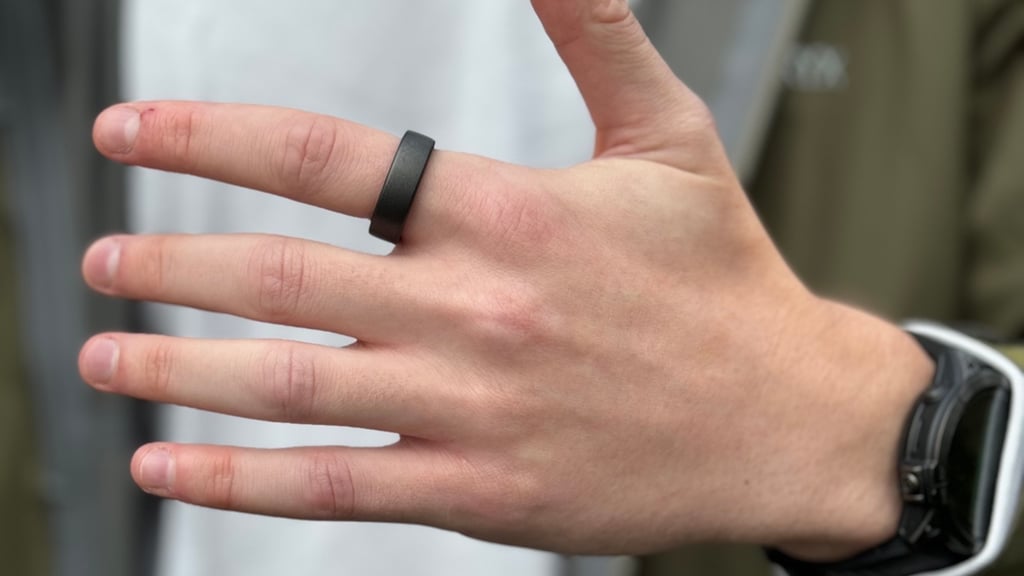
Also, consider the deterioration of finishes. I've tested the stealth (the matte black-ish finish), as well as plenty of black rings from other brands, and have always found that the edges wind up getting scratched and standing out quite considerably.
The brushed silver Ring 4 I've tested is by no means scratch-proof, as the image below shows, but these dings aren't nearly as noticeable.
Design and comfort
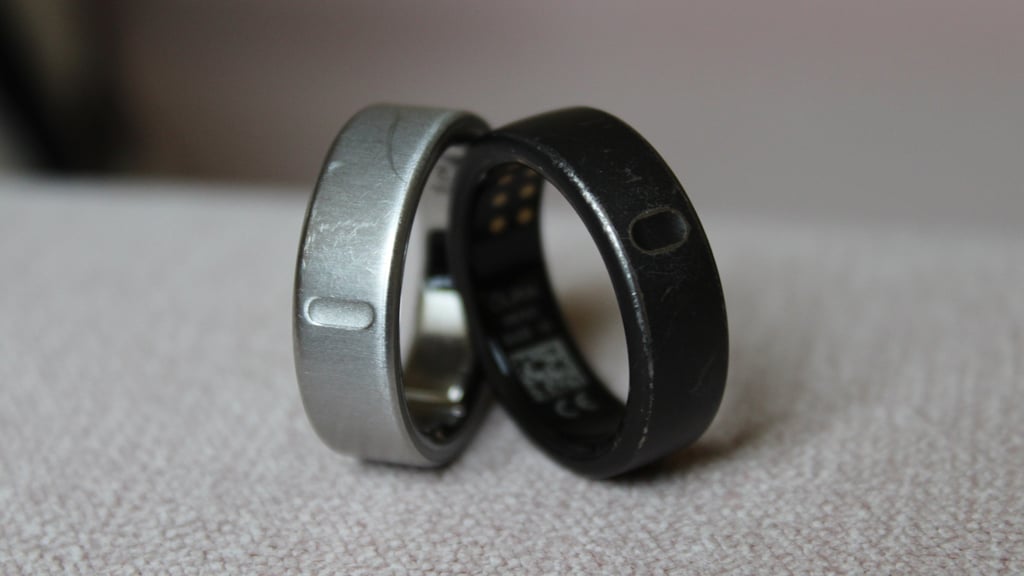
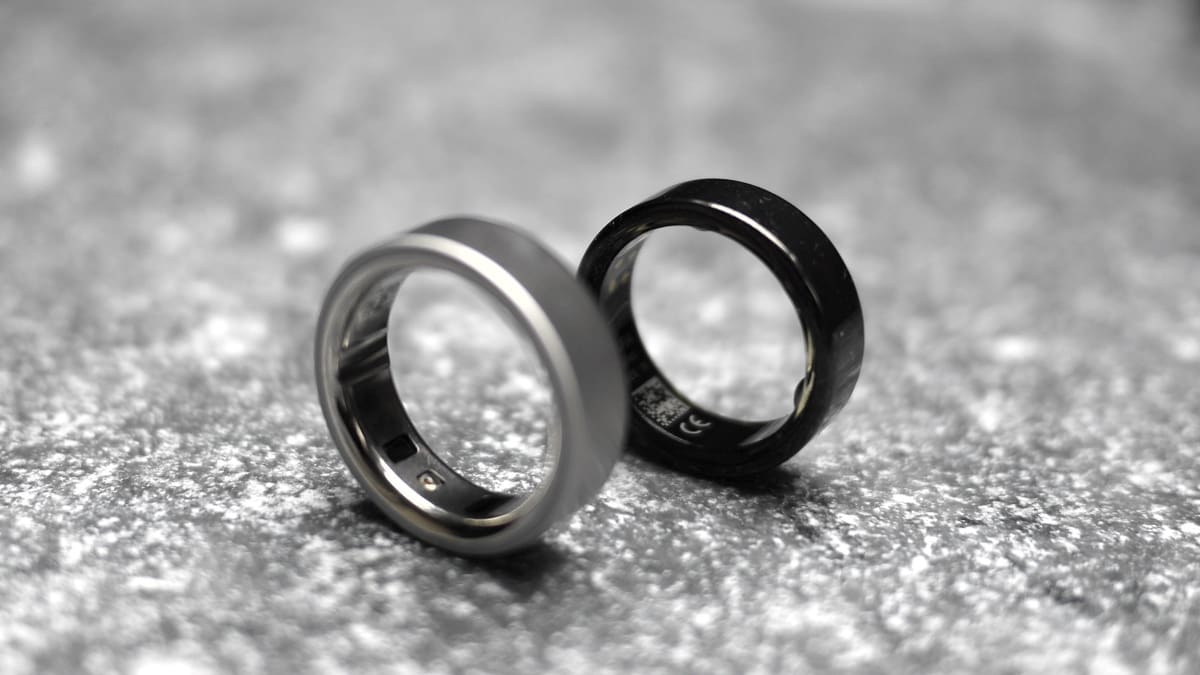
Oura Ring 4 features a significant redesign and now includes a single design option. Its design is closer to Oura Ring Gen 3 Horizon, shown above, which was released after the initial flat-edged Gen 3 Heritage.
Ring 4 is smooth and round, made entirely of titanium and lacking a plastic interior, which gives it a much lighter and more premium profile.
Gen 3 editions feature small nobbles (the technical term) on the underside to stabilize the ring and prevent it from rotating. These were removed in Gen 4 design, resulting in a more natural wearing experience.
After wearing it for an extended period without those bumps in our US size 12 Ring 4, we confidently say we prefer Gen 4’s comfort. It leaves no indents on the finger, and the stability is still superb. This isn’t a ring that’s any easier to rotate around the finger than the predecessor—and certainly isn’t one that’s ever come close to falling off (although getting the size correct remains paramount).
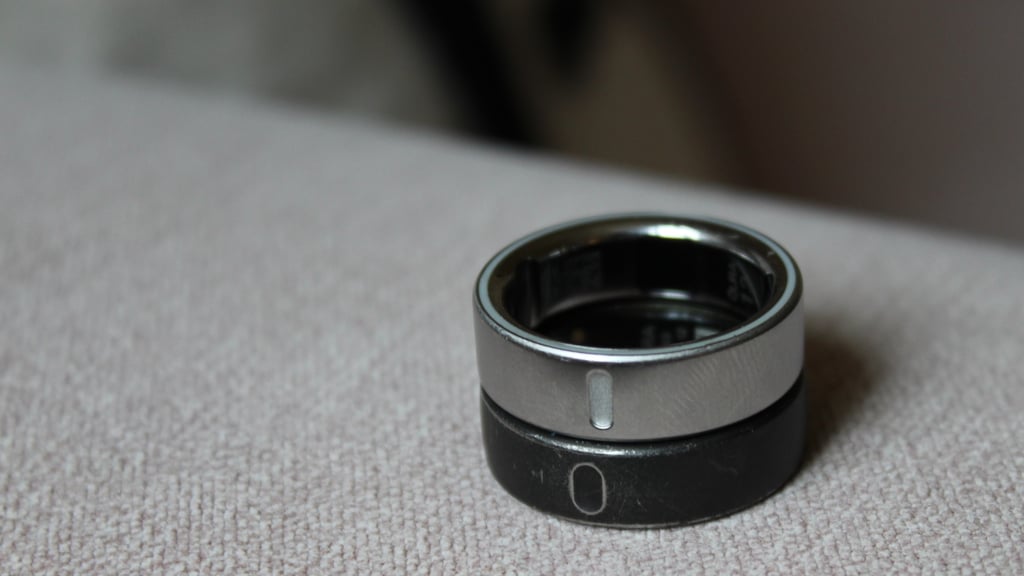
However, one issue remains: Ring 4 has the same width and thickness as Ring 3. As our images show, it hasn’t decreased in size, even though it weighs significantly less, which may disappoint those hoping for a slimmer version.
- Winner: Oura Ring 4
Accuracy and sensors
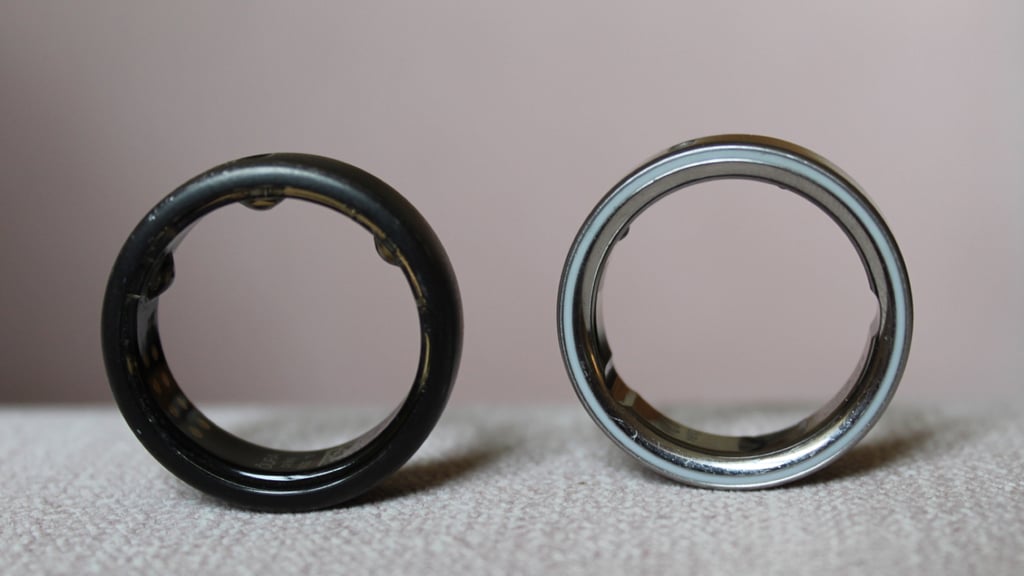
One key upgrade of Ring 4 revolves around accuracy. Oura increased the number of signal pathways (LEDs emitting and receiving light) to 18 for its latest edition, up from eight in Gen 3.
Oura Ring Gen 4 has notable improvements in accuracy and sensor performance:
- 120% improved signal quality for blood oxygen sensing (SpO2), leading to a 30% increase in overnight SpO2 accuracy.
- 15% more accurate breathing disturbance index (BDI).
- 7% fewer gaps in daytime heart rate readings.
- 31% fewer gaps in nighttime heart rate readings.
Oura claims that Ring 4 can optimize signal processing based on factors like skin tone, BMI, and finger shape for improved accuracy.
Have we seen much-improved accuracy, as Oura suggests? Yes and no. There are now virtually no gaps in sleep data graphs for HRV and blood oxygen, which means it may be easier to trust the overall picture.
The improvement also extends to one of our favorite Oura features, Daytime Stress. Many more plot points are now made throughout the day. And considering the feature’s grading relies on these points to summarize your stress levels, it feels like a more accurate picture than what we saw on Ring 3.
On the blood oxygen and BDI side, the difference has been less noticeable in our testing—though we've also turned off SpO2 at times to maximize battery life, which limits the comparison.
- Winner: Oura Ring 4
Activity tracking, women's health, and more
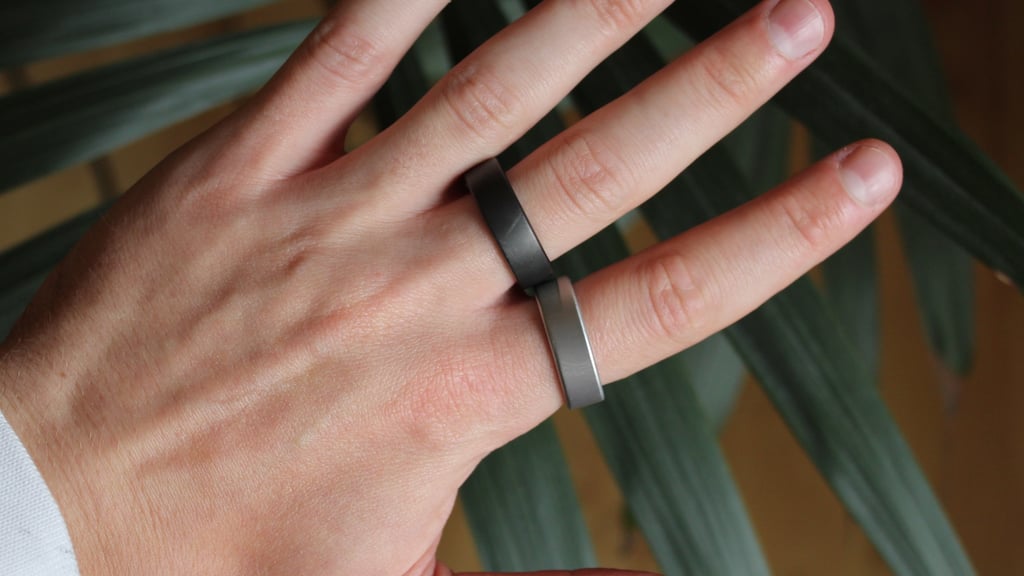
Ring 4 didn’t launch with significant new sensor technology, so there are no major exclusive insights compared to the previous model. Still, there were a couple of additions Oura has added from a software perspective.
Workout tracking
The number of auto-tracked workouts has increased to 40, which can be edited and refined in the Oura app and added retrospectively. Auto-detection has proved exceptionally accurate during our time with Ring 4, yet, like with Ring 3, it’s still not a wearable we would recommend for anything but walking.
As mentioned in our initial Ring 4 review, accuracy is also pretty mid for anything that involves lots of arm movement, while some workouts (lifting weights, for example) feel like a disaster waiting to happen.
Our recommendation: just use a Strava-compatible watch and sync the app with Oura instead of exercising with it—wearing a ring in the gym (or for running) is not the play. This pairing feature is also available no matter which Oura you have.
- Winner: Draw
Battery life comparison
Due to Ring 4’s ability to dynamically choose the optimal performance of its 18 signal pathways, it can turn off unnecessary ones. Upon release, Oura told us this feature has helped extend the battery life from seven days to eight.
Given that Ring 4’s size is essentially unchanged, a more significant increase in battery life might have been expected. Yet, lasting over a week is still impressive—even if it’s much less than rivals such as the RingConn Gen 2, and there’s no charging case on either generation.
However, after two years of testing Ring 3 (also in a US 12), I never got more than four or five days of life out of it—especially if the SpO2 feature was enabled.
Instead, we’ve found Ring 4 (which I also disable blood oxygen on) consistently lasts over a week. This means—despite Oura’s claims—Ring 4 represents a big battery life boost over the previous generation.
- Winner: Oura Ring 4
Verdict: Should you update?
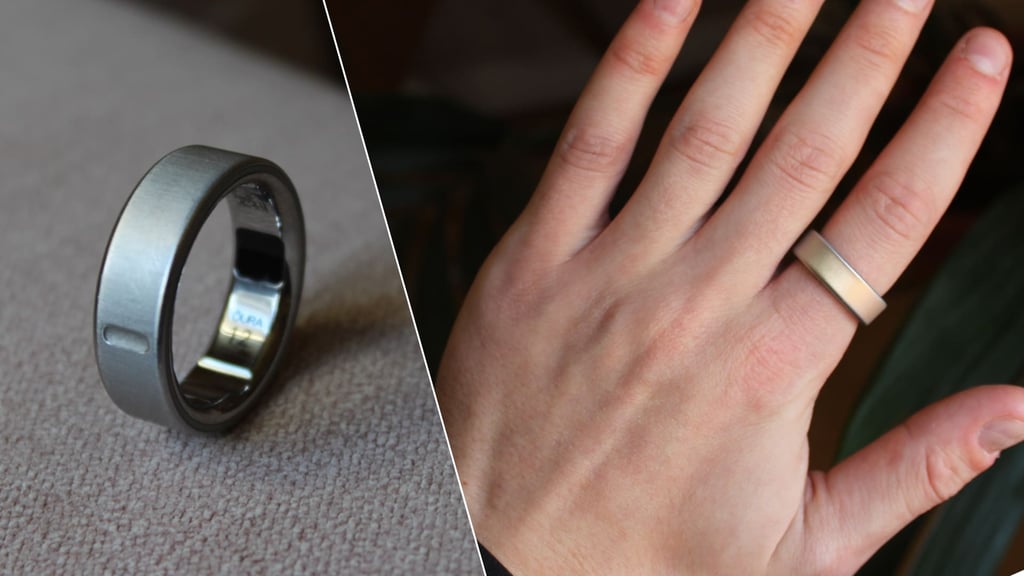
Oura Ring 4 shows enhancements in every area compared to Gen 3, although some might feel let down by its lack of noticeable size reduction. Ring 4 is more comfortable to wear, offers better accuracy, and has more battery life. It’s why we grade it as the top smart ring to own in 2026..
But Ring 3 hasn't become a bad product overnight. It still runs the same Oura app, still tracks sleep and recovery well, and still has access to every major software feature Oura has released. The upgrade is a matter of how much the hardware improvements matter to you day to day.
Upgrade to Ring 4 if you're bothered by gaps in your health data, if Ring 3's bumps have always annoyed you, or if you want a ring that comfortably lasts a full week between charges. The sensor accuracy and battery improvements are real and noticeable over time.
Keep your Ring 3 if it's still working well and you're happy with the data you're getting. You're not locked out of any features, and the core Oura experience—sleep scores, readiness, stress tracking—is the same on both generations.
For some people, waiting might be most appropriate. Oura Ring 5 has been leaked with a rumored 2027 release. If your Ring 3 is still running fine and you're not in a rush, holding out for the next generation is a reasonable option—but there's nothing confirmed yet.