Meta uses its own $299 frames to debut the Muse Spark AI model
Meta has launched its first self-branded line of smart glasses in partnership with EssilorLuxottica, bypassing traditional fashion-house badges to debut its new 'Muse Spark' AI architecture.
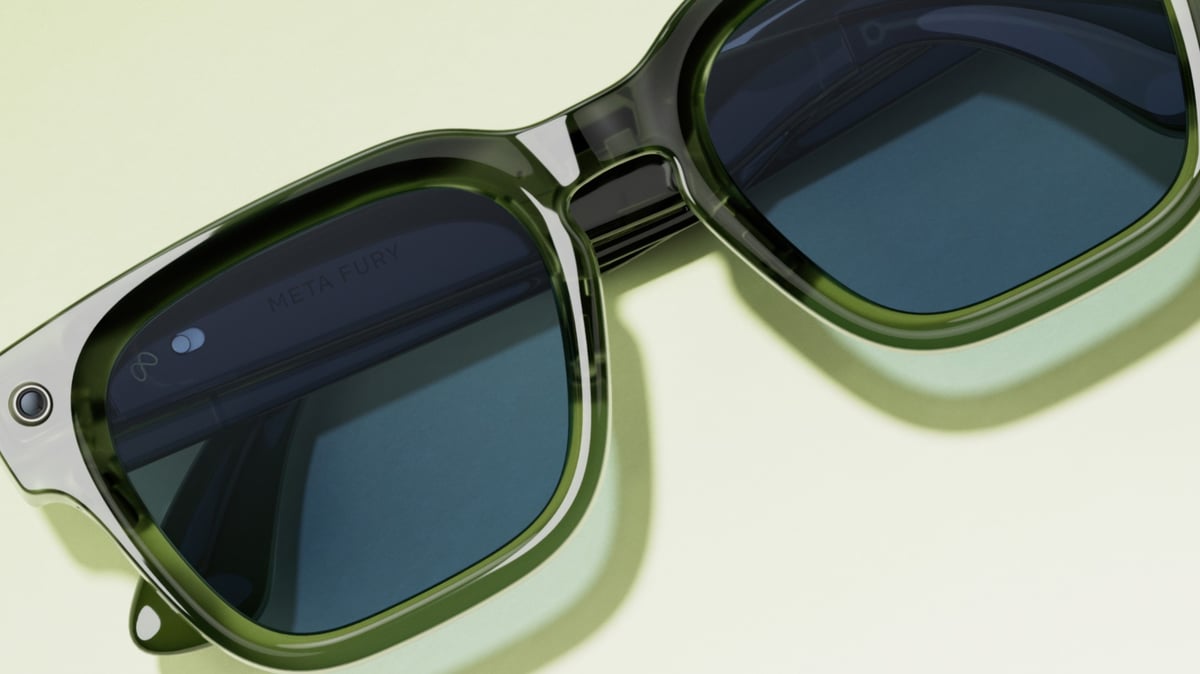
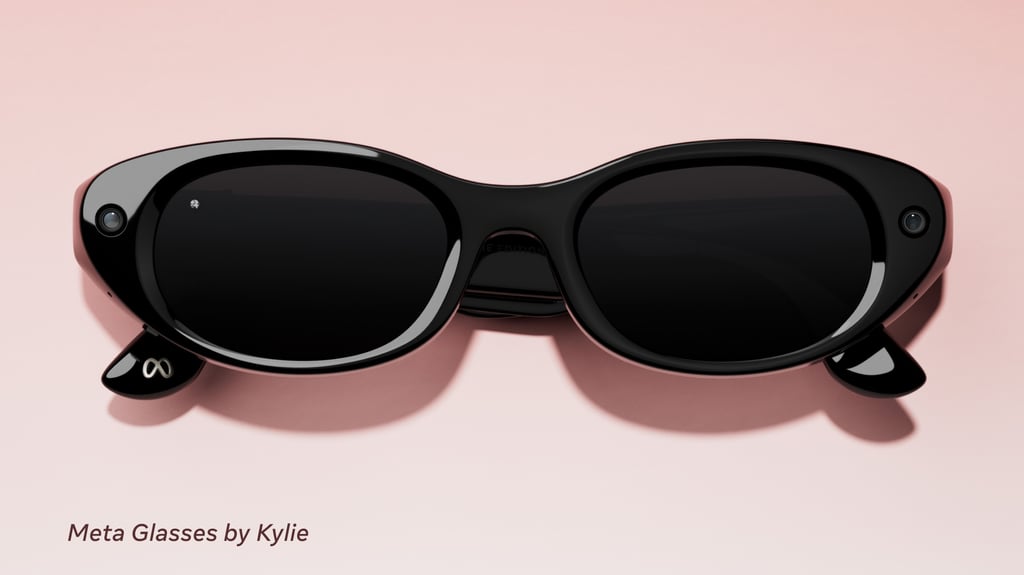
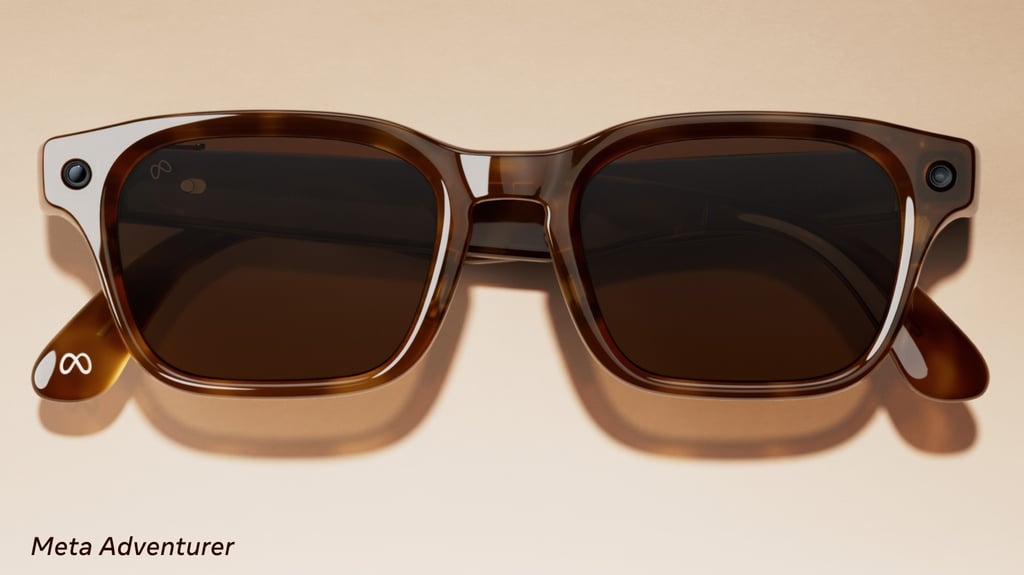
Moving away from Ray-Ban and Oakley insignia, the new frames put Meta’s own name front and center. Alongside two core $299 geometric silhouettes that anchor the lineup—the rectangular 'Adventurer' and chunky 'Fury'—the brand has also released a celebrity design collaboration with Kylie Jenner: the Meta Glasses by Kylie ($399).
However, the launch primarily serves as the debut hardware vehicle for Muse Spark, the foundational AI model from Meta Superintelligence Labs designed natively for wearables and first teased back in April.
The updated model brings faster processing to contextual, look-and-after multimodal queries—such as interpreting real-world landmarks or scanning scheduling assets—and is simultaneously rolling out to legacy Ray-Ban Meta and Oakley Meta devices via a firmware update.
On the hardware side, the glasses retain the classic smartglasses features of previous Essilor offerings, such as video capture, media playback, and tethered AI commands.
However, the design does include some tweaks, too, including three-way adjustable nose pads, an upgraded wind-reducing multi-mic array, open-ear audio, and an expanded 8-hour battery life that extends to 40 hours with a foldable charging case.
Firmware updates landing later this summer will add pedestrian turn-by-turn navigation for the displayless lenses and 14 new live-translation languages, including Mandarin, Hindi, and Japanese.
The Wareable take: Branching out
By dropping the trusted lifestyle element on these entry-level frames, Meta is testing whether consumers—after a fair amount of success—now trust its tech brand enough to wear it directly on their faces.
Lowering the entry point to $299 while pushing Muse Spark shows that the company wants to at least test the idea of a mass-market hardware footprint independent of third-party fashion clout.
It’s a gamble on brand equity, but the added fit customizability and faster AI processing make it a compelling package—especially for those who want a more nondescript style.