My energy crashed as the days got shorter—these 5 fitness tracker metrics explained why
By the third dark Monday of autumn, I had started blaming the season for everything. I was slower in the morning, less interested in evening exercise, and ready for bed before I had finished dinner. Convinced that something was wrong, I turned to my fitness tracker for answers.
My tracker did not diagnose a vitamin deficiency, seasonal affective disorder, or any other health condition, since, let’s be realistic, it’s not a medical device. But it hinted to me that ‘low energy’ was not one mysterious problem. I noticed a shift in five common trends: sleep duration, sleep timing, resting heart rate, heart rate variability, and daily movement.
Once I stopped focusing on a single readiness score and looked at those five metrics as a group, the pattern became much easier to act on.
I compared three bright weeks with three dark ones
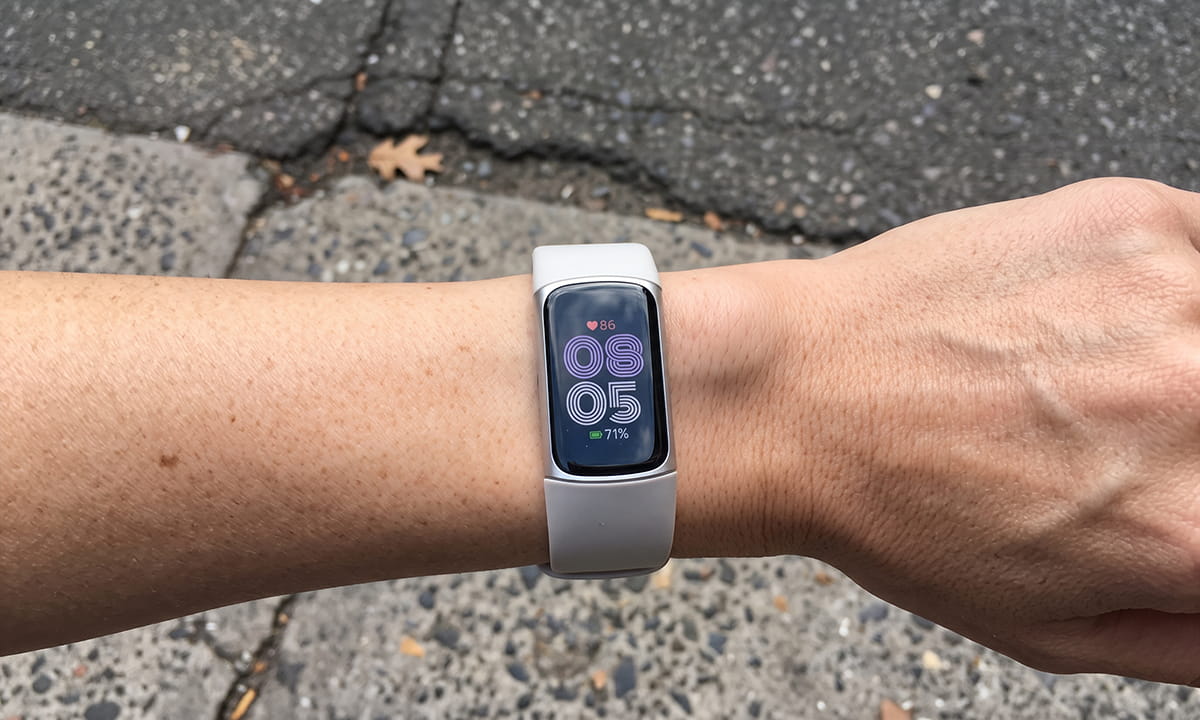
I wore a Fitbit Charge 6 continuously for six weeks, charging it while showering. During the first three weeks, there were more than 12 hours between sunrise and sunset. The final three had shorter days, colder commutes, and several evenings when I finished work after dark.
I checked the Fitbit app each morning but recorded only five trends:
- Total sleep time and bedtime consistency;
- Seven-day resting heart rate;
- Nightly heart-rate variability;
- Morning readiness;
- Daily steps and Active Zone Minutes.
I also rated morning energy from one to five and noted late meals, alcohol, illness, travel, and unusually hard workout sessions. Even then, it’s important to accept the truth—wearable data can show trends, but it cannot explain every change or establish a medical cause.
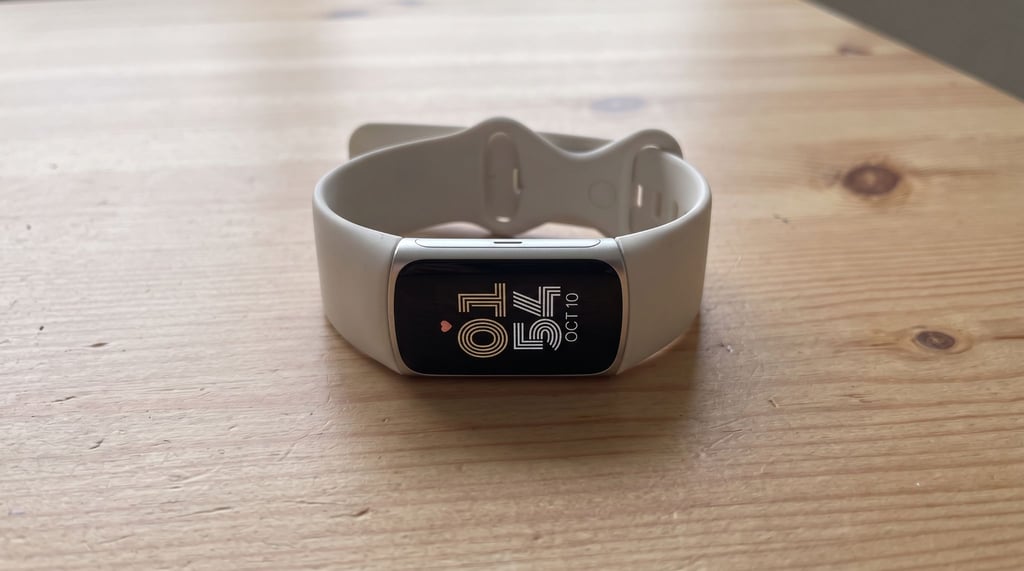
Instead of looking for a diagnosis, I focused on metrics. Charge 6 records sleep, heart rate, resting heart rate, HRV, and skin temperature variation, while its readiness score combines recent activity, sleep, and heart rate information. I treated all of those as consumer wellness estimates, not clinical measurements.
The seasonal change showed up as a cluster, not one dramatic warning
| Measure | Brighter three-week average | Darker three-week average | What changed |
| Sleep duration | 7h 18m | 6h 42m | 36 minutes less |
| Bedtime variation | 34 min | 71 min | Timing became less consistent |
| Resting heart rate | 55 bpm | 59 bpm | Four-beat increase |
| Nightly HRV | 48 ms | 41 ms | Lower three-week average |
| Daily steps | 9,340 | 6,780 | Evening movement disappeared |
| Active Zone Minutes | 31/day | 18/day | Fewer purposeful sessions |
| Morning energy | 3.8/5 | 2.7/5 | Subjective energy fell too |
No single row would have convinced me that there was an ongoing trend. Resting heart rate can move with stress, temperature, illness, hydration, and training. HRV is highly individual and should be compared with a personal baseline. Step totals say little about exercise quality.
Together, however, the rows described my actual autumn routine. I was going to bed later, sleeping less, and walking far less after work. Seeing this in one place made it all much clearer. Although the tracker had not uncovered a hidden physiological collapse, it had documented a series of small behavior changes.
1. Sleep duration explained more than my sleep score
My sleep score was the first number I saw, but total sleep time was easier to interpret. I had lost an average of 36 minutes per night, mostly because my bedtime moved later while my alarm stayed fixed.
Darker evenings made me feel sleepy at 8pm. Instead of going to bed, I pushed through the dip, watched another episode, or kept working, then reached bed after midnight. The result was not an exotic seasonal phenomenon. I was creating a sleep pattern that was too short.
For ten nights, I set a simple phone reminder 45 minutes before my intended bedtime. Average sleep rose to 7h 06m, and my morning energy rating reached a 3.4 out of five.
Sleep stages were less useful. A tracker estimates them from movement and cardiovascular signals; it does not perform a laboratory sleep study. I watched the broad trend, not whether one Tuesday contained exactly 58 minutes of deep sleep.
2. Bedtime consistency showed why weekends were not repairing the week
I assumed sleeping in later on Saturday and Sunday would balance the shorter weekdays. The timing chart showed the opposite: my bedtime moved by more than two hours across the week.
My best-energy mornings followed nights when sleep began within roughly half an hour of my normal time. The longest Sunday lie-in was followed by one of the hardest Monday wake-ups.
That did not prove that a perfect bedtime causes perfect energy, but it did give me a practical target. I narrowed my bedtime window to one hour and stopped treating a weekend lie-in as the only recovery option.
3. Resting heart rate told me when tiredness was not just motivation
My average resting heart rate rose from 55 to 59bpm. The highest mornings followed a late meal, a poor night, or an unusually stressful day. When it stayed elevated for four days, while I also felt run-down, I replaced two planned hard workouts with walking.
Resting heart rate is useful because it is simple and personal. It is not useful as a contest, and a higher number is not an indicator of illness. A sustained unexplained change, particularly when accompanied by symptoms, deserves proper medical advice rather than an interpretation from an app.
After a steadier week of sleep, my seven-day average moved back to 56bpm. That supported the idea that recovery habits were involved, but it still did not identify a single cause.
4. HRV helped only when I stopped reacting to every night
The daily HRV chart was noisy. My lowest value was after two drinks; another low value appeared after an ordinary day with no obvious explanation. If I had altered training after every dip, the tracker would have made my routine less consistent.
The seven-day trend was more useful. It moved from a 48ms average to 41ms as sleep shortened and work stress rose, then began recovering during the more regular ten-night block.
HRV is measured differently across platforms, and a number that is normal for one person can be unusual for another. I used direction and context, not internet benchmarks.
5. Movement was the number I could change that same day
Readiness summarized the problem; movement gave me a lever. My daily step count had fallen by more than 2,500 because I no longer walked after dinner. Active Zone Minutes dropped for the same reason: three short weekday sessions became one longer weekend effort.
I added a 20-minute walk immediately after lunch, when daylight was still available. I did not set a heroic step target. I simply protected the time.
Across the final ten days, I averaged 8,410 steps and 26 Active Zone Minutes. More importantly, I completed movement on nine of those ten days instead of saving everything for Saturday.
A readiness score was useful, but it was not the explanation
Fitbit's readiness score made the shift easy to notice. Garmin users may see a similar story in Body Battery or Training Readiness, while the subscription-free Amazfit Helio Strap presents an energy-style BioCharge score.
The score is a compressed interpretation of other signals. It can be a good prompt to look more closely, but it should not override symptoms, mood, injury pain, or common sense. A low score does not prove that training is unsafe, and a high score does not guarantee that a hard session is wise.
My most useful rule became: use the score to ask a question, then use the underlying trends and how I feel to answer it.
My verdict: The tracker found an autumn routine problem I could fix
The shorter days coincided with lower energy, but the wearable data kept me from treating autumn as an unavoidable force. I was sleeping 36 minutes less, shifting bedtime, walking less, and compressing exercise into the weekend. Those were specific problems.
After ten days of a steadier bedtime and a protected lunchtime walk, my data looked calmer, and I felt more alert. But that does not prove the tracker fixed my energy. The useful result was that it turned a vague complaint into five trends I could discuss, test, and change.
If fatigue is severe, persistent, or accompanied by low mood, breathlessness, pain, dizziness, or other concerning symptoms, a fitness tracker is not the right endpoint. Seek qualified medical advice. For ordinary seasonal drift, however, these five numbers gave me a far better starting point than blaming the dark.