Summer ruined my fitness routine—this $99 tracker got me moving again
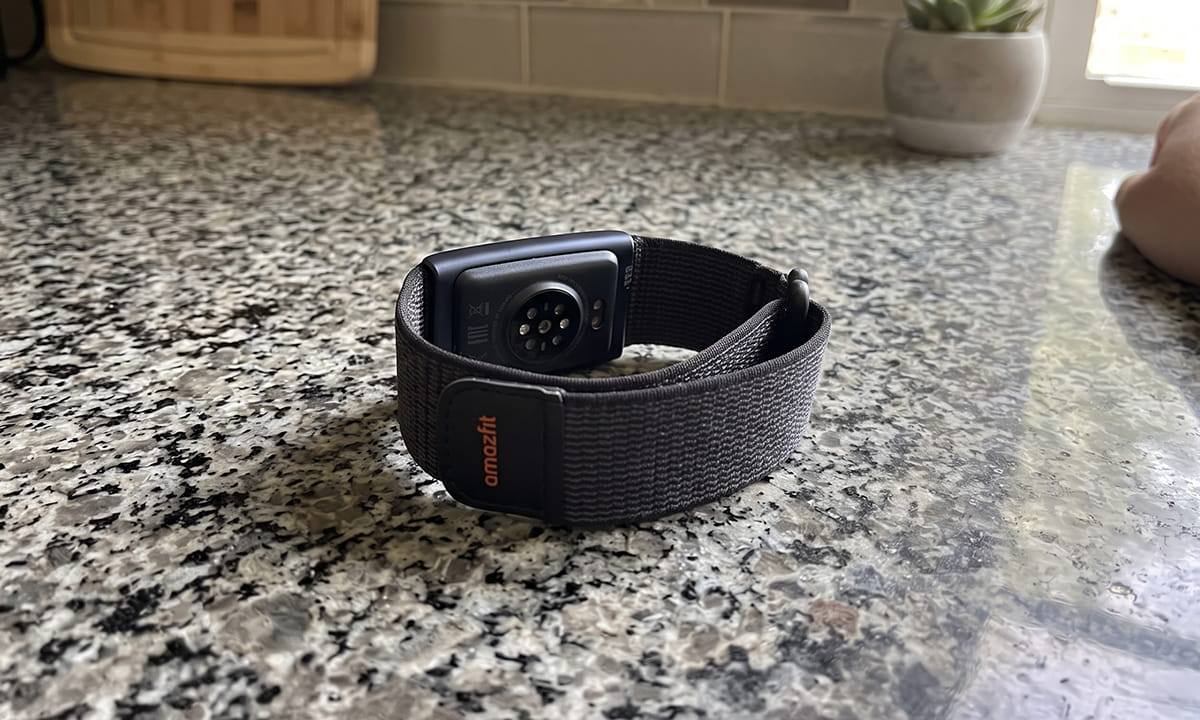
I came back from summer with a suitcase full of washing and an almost non-existent fitness routine. However, the fix was much simpler than getting on a harder training plan. It was a small, screen-free band that made restarting feel less like another job.
I wore the Amazfit Helio Strap for three weeks while rebuilding my normal combination of walking, strength work, and short runs. It didn’t push me with incomplete activity targets or recurring notifications. It simply collected the background data, showed me what I had actually done in the Zepp app, and made active choices feel achievable the next day.
That was enough to get me moving again.
A screen-free tracker was exactly what my restart needed
Don’t get me wrong—my summer did contain some form of exercise. I swam occasionally, walked around unfamiliar cities, and carried bags through stations. But the routine had disappeared: no planned strength sessions, no familiar running route, and no consistent bedtime.
When I returned, my first thought was to compensate. I created an ambitious six-day plan, completed one session, and then ignored it. The problem was not access to workouts. It was the mental weight of restarting.
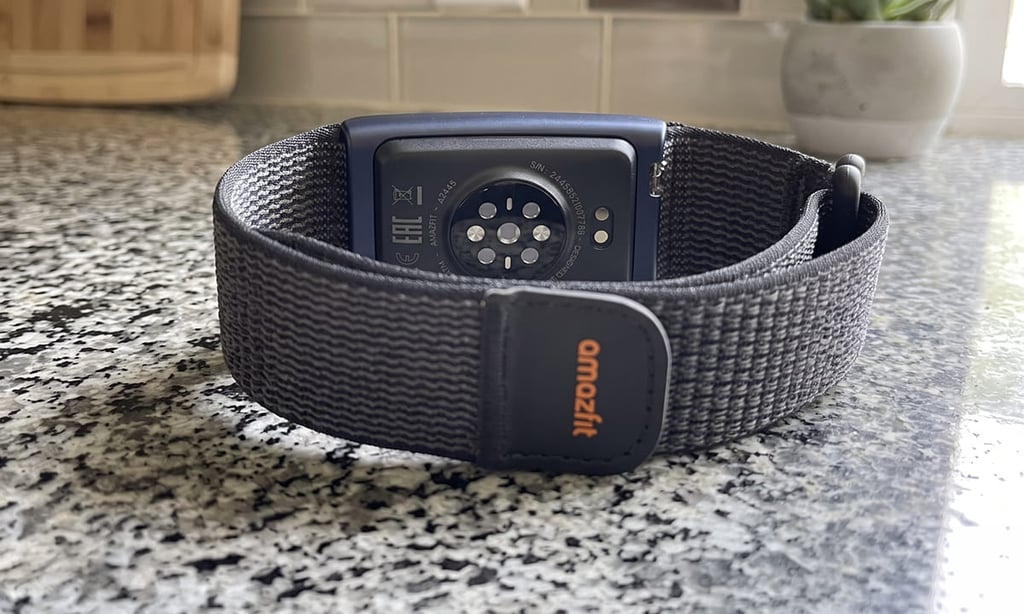
The Helio Strap helped because it reduced the number of decisions I had to make. Amazfit describes it as a screen-free tracker with continuous heart-rate monitoring, sleep and recovery insights, more than 50 workout modes through the Zepp app, and up to 10 days of battery life. It also has no required subscription.
There is no display to check during a meeting and no stream of notifications. While I still had to open the app to understand the data, that extra step was useful: the tracker stayed passive until I deliberately chose to engage with it.
Thanks to its price, it sits in a very different category from premium recovery wearables. Instead of pitching luxury hardware, it focuses on continuous fitness tracking without another screen or monthly bill.
I gave myself three weeks and one easy rule
I wore the Helio Strap day and night for 21 days, removing it only for charging and showers. My rule was simple: do at least 20 minutes of purposeful movement every day, but do not chase a score or compensate for a missed day.
I divided the trial into three phases:
- week one: walking and mobility only;
- week two: two short strength sessions plus walking;
- week three: two strength sessions, two easy runs, and walking on the remaining days.
I checked the Zepp app once after breakfast and once after my final activity. I monitored resting heart rate, sleep duration, workout frequency, training load, and BioCharge, Amazfit's energy-style score. I treated all of them as wellness estimates rather than medical measurements.
For workouts, I wore the strap securely on my wrist. During strength sessions, I moved it to the upper arm using the compatible accessory to see whether the fit felt steadier during kettlebell work. I charged it twice during the three weeks, always while showering or eating breakfast, never during the night, so my tracking remained consistent.
Comparing the two weeks before my holiday and the first week after coming home, I was trying to find out if wearing the Helio Strap would help me rebuild consistency.
The result was consistency, not a fitness score
The Helio Strap didn’t transform my physique in three weeks. What changed was how often I moved on those days when doing nothing sounded more appealing.
| Measure | First week home, before the strap routine | Week 1 | Week 2 | Week 3 |
| Purposeful movement days | 2/7 | 6/7 | 7/7 | 7/7 |
| Logged workouts | 1 | 0 | 2 | 4 |
| Average daily walking time | 24 min | 31 min | 38 min | 42 min |
| Average sleep duration | 6h 39m | 6h 47m | 7h 02m | 7h 09m |
| Average morning motivation | 2.4/5 | 2.8/5 | 3.4/5 | 3.8/5 |
The table isn’t saying that the strap is responsible for every improvement. Rather, it’s a record of the routine I built while wearing it. The most valuable pattern was that a low-effort day still counted. A 25-minute walk still kept the chain alive.
By the third week, the fitness numbers were moving in the direction I expected: my training load was more consistent, heart rate began settling, and my recovery score stopped drastically fluctuating. None of that was surprising. Consistent training and sleep should yield improvements compared to chaotic weeks.
What surprised me was how little I missed seeing data live. I didn’t need a pace number during a recovery walk. It was enough for me to know that the walk had happened and whether adding a run the following day was sensible.
BioCharge paced my comeback
The most helpful feature in the Zepp app was BioCharge. According to Amazfit, the score responds to activity, workouts, stress, and recovery. I used it as a guide to prevent overworking myself instead of letting it dictate my schedule.
On day five, I woke up wanting to prove that the holiday slump was over. My energy score was lower than it had been for the previous few mornings, and my sleep log showed a short, restless night. Instead of running intervals, I walked for 35 minutes and did ten minutes of mobility.
The next morning, I felt ready to train. The strap did not know why I slept badly or whether I was truly recovered. But it gave me enough friction to question an emotional training decision.
The opposite happened in week three. A busy workday made me feel as though I had done plenty, but the app showed very little movement. I went out for an easy 24-minute run before dinner. It was not heroic. It was exactly the kind of session that had vanished from my post-summer routine.
That is what the Helio Strap does best: it makes the invisible days visible without having a screen attached to the wrist.
It was more comfortable for sleep than a smartwatch
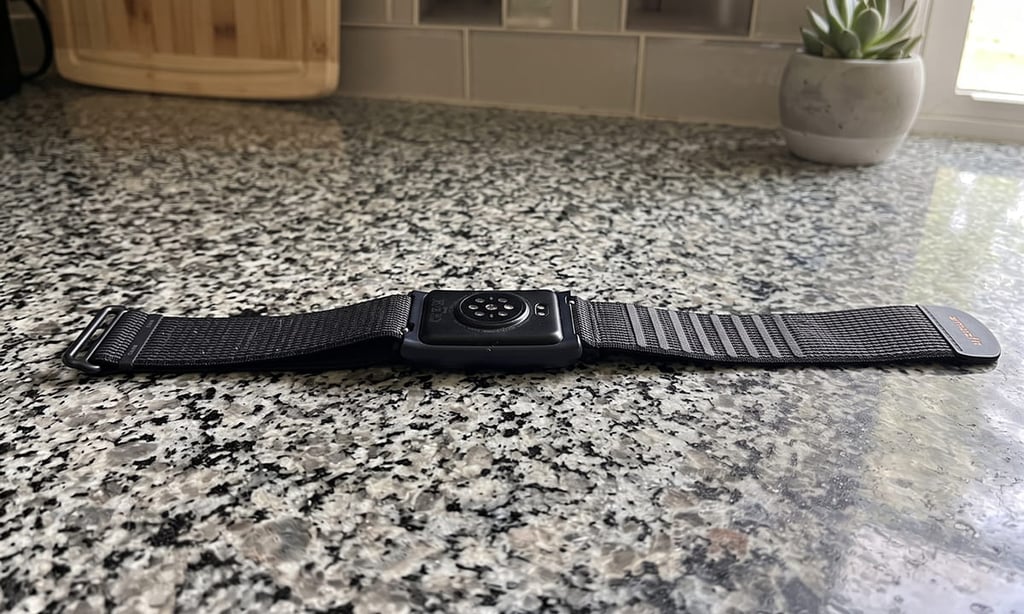
I normally tolerate a watch overnight, but I am always aware of the case when my wrist bends under a pillow. The Helio Strap felt lighter and less intrusive. There was no screen flare when I rolled over and no temptation to check the time after waking either.
The material still became damp during warm workouts, so I rinsed the strap and let it dry before putting it back on. I did this to avoid skin irritation, as wearing any band continuously can irritate skin if it stays wet or too tight. I also switched wrists twice during the test when I noticed a faint pressure mark.
Sleep tracking was most useful as a trend. I did not treat the provided estimates as exact. I only paid attention to duration and consistency: as my bedtime normalized, my recorded sleep window became longer and my morning energy felt better.
Battery life supported that use. My first charge covered eight full days with continuous wear and four logged activities. The second covered nine. Both fell short of the manufacturer's best-case claim, but their battery life was long enough that I never had to choose between overnight data and a morning workout.
The Zepp app is the product's biggest strength and its biggest demand
A screen-free tracker moves every interaction to the phone. That removes distractions, but isn’t automatically simple.
Zepp contains sleep, heart rate, recovery, training, and lifestyle information across several dashboards. During the first few days, I opened too many charts and nearly gave myself the same data anxiety I was trying to avoid. The fix was to choose to focus on three things: movement consistency, sleep duration, and how recovered I felt.
I ignored small daily shifts in estimated VO2 max and did not use one low BioCharge reading as a reason to skip training. Keep in mind that these are algorithmic interpretations, not diagnoses or commands.
Even though I found this strap very useful after some customization, runners who need pace, distance, navigation, or structured intervals on the wrist still need a watch or phone. The Helio Strap can broadcast heart rate to compatible equipment, but it is not a direct replacement for a proper running watch.
I also wished the app made the comeback view more prominent: days active this week, workouts completed, and total easy movement. Advanced metrics are useful later. In week one, consistency was the metric that mattered most.
This is who should buy it — and who should not
I would choose the Helio Strap if notification fatigue is part of the reason your wearable ends up in a drawer. It also makes sense if you want continuous heart rate, sleep, and recovery trends without a required subscription, or if you already use an Amazfit watch and want coverage while that watch charges.
It is less convincing if you want a tracker you can understand without opening a phone. There is no on-device workout screen, map, or pace display. If step competitions, smart alarms, contactless payments, or smartwatch apps motivate you, a display-equipped band may be better.
Ultimately, no wearable can do all the work for you. The strap made my routine easier to see, but I still had to put shoes on and leave the house. Its value came from pairing a low-friction device with a deliberately achievable plan.
My verdict: the $99 band made restarting feel small enough to do
Summer didn’t destroy my fitness. It disrupted the structure that kept me active. The Amazfit Helio Strap helped rebuild that structure because it stayed out of the way, captured the work, and made recovery part of the decision instead of another performance target.
After three weeks, I was back to two runs, two strength sessions, and regular walking. I didn’t achieve that by overcompensating after calmer weeks. I achieved it by making the next 20 minutes count.
That is why I would keep wearing the Helio Strap. It is not a tiny coach, and it cannot tell me exactly what my body needs. But as a screen-free, subscription-free record of whether I am actually moving, it turned out to be the right fitness tracker for a gentle September reset.