Future Apple AirPods and smart glasses could keep private calls off-limits to nearby ears

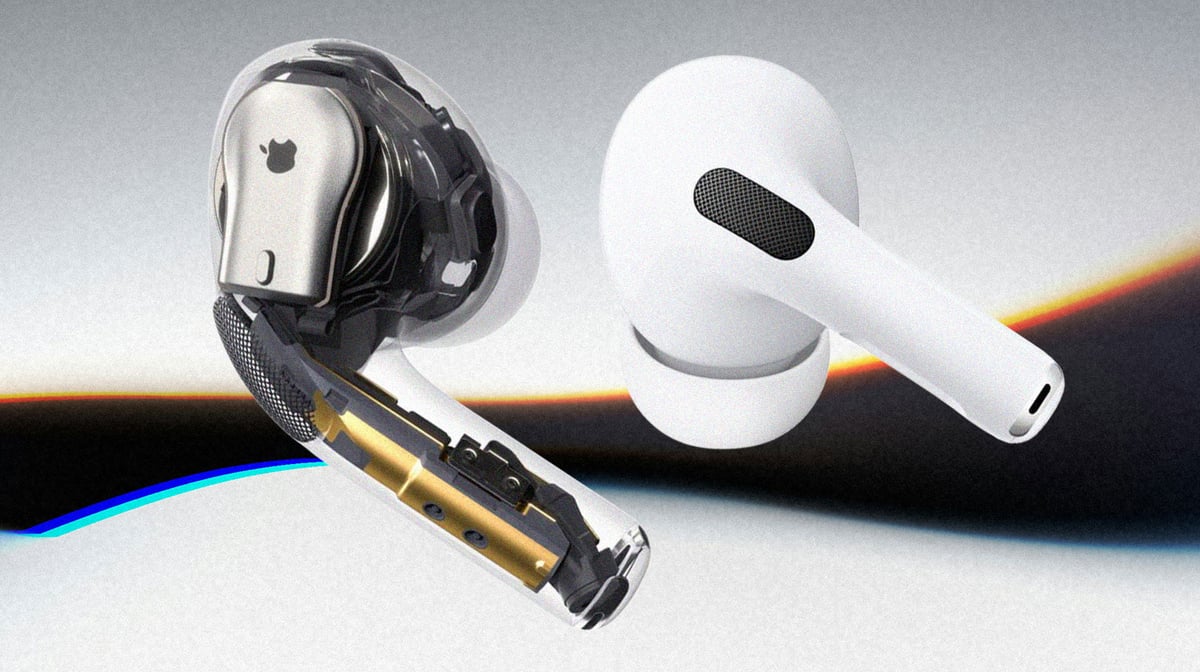
Taking a call in public is awkward enough without worrying that nearby people can hear it—and Apple appears to be looking at ways to fix that
A newly surfaced Apple patent describes a head-worn audio system that could automatically switch private calls to bone-conduction audio, while everyday sounds would still play through regular speakers.
This would help keep sensitive audio, such as calls, alerts, or voice assistant replies, from being heard by people around you in public.
And while the concept described in the filing—“Bone conduction transducers for privacy”—is not entirely new, it is another sign Apple is still interested in privacy-focused audio hardware.
More private audio, less hassle
Over the years, Apple has tried many new ideas for wearable audio, but this one addresses a common problem: stopping people nearby from overhearing your device.
The patent seems broad enough to include different types of head-worn hardware, like headphones and smart glasses, so it fits well into Apple’s overall wearable plans.
Rather than making users adjust settings each time a call, alert, or voice assistant reply comes in, the system would try to spot private audio and send it through a more discreet bone-conduction channel.
That could make private audio feel less awkward to manage in public—especially on devices where sound is more likely to leak into the space around you.
A natural extension of Apple’s privacy pitch
Apple has made privacy a major selling point for years. This idea takes that promise beyond encrypted messages and on-device processing, bringing it into real life, where people nearby can overhear things just as easily as hackers can target data.
If something like this ever appears in future AirPods, or even a Vision-style wearable or smart glasses that deliver voice replies and alerts close to your face, the benefits would be clear.
To work well, however, the system would need to know when a call, alert, or assistant response should be private, which raises questions about how much context the device needs to understand.
Still, this idea fits well with Apple’s overall approach to its wearable: making things easier, keeping sensitive information private, and helping smart devices act more discreetly in daily life.
We'll watch whether that thinking shows up more clearly in Apple’s future audio and spatial products—though we already know listening in will soon become an integral part of the Apple Watch experience.