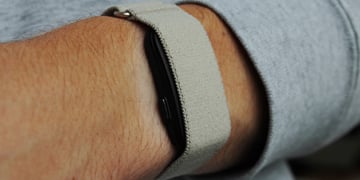
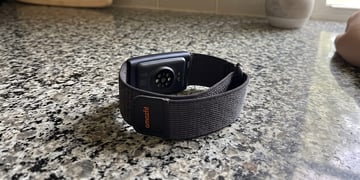
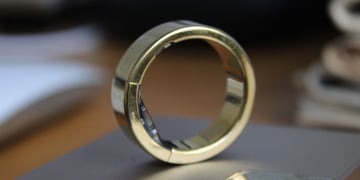
I wore a smart ring instead of a fitness tracker for 30 days—one autumn habit became obvious
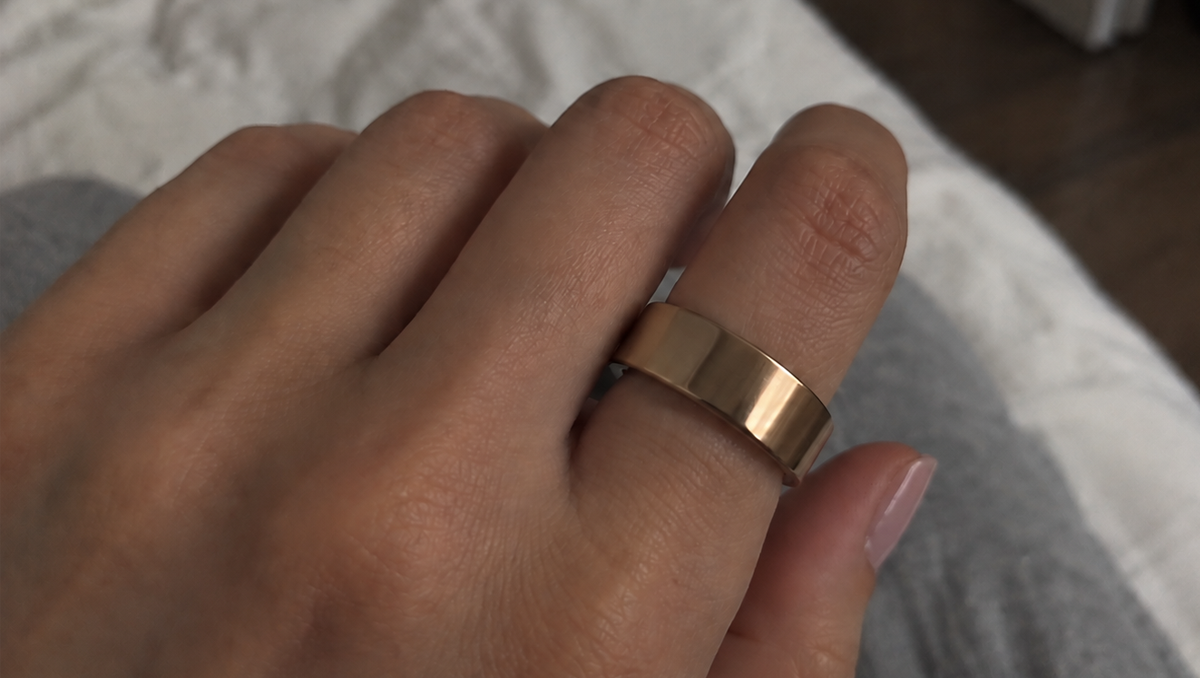
Removing my fitness tracker from my wrist didn’t make me less active. If anything, it made me realize how much I had been relying on those little prompts to keep me moving.
Without the screen, step goals, and hourly reminders, I started noticing that one habit in particular was keeping my autumn routine on track—my lunchtime walk. So, I decided to replace my Fitbit Charge 6 with RingConn Gen 2 Air for 30 days.
The ring tracked my sleep, movement, heart rate, HRV, stress, and temperature trends without a distracting display or a subscription. But it didn’t show my live pace, buzz me toward an hourly step goal, or throw some motivational quote at me at 9pm.
That absence was surprisingly calming. As the autumn evening grew darker, I found that the difference between an active and inactive day often came down to one simple question: did I leave my desk at lunch?
I removed the prompts but kept a simple diary
The month before the test served as my Fitbit baseline. I normally used reminders to move, daily steps and Active Zone Minutes as prompts. During the month testing RingConn Gen 2 Air, I disabled equivalent phone notifications and opened the RingConn app only twice a day.
I recorded:
- Total daily steps
- Purposeful movement minutes
- Sleep duration and timing
- Resting heart rate and HRV trend
- Stress and recovery scores
- Whether I took a walk during my lunch break
- Subjective energy and mood from 1 to 5
I tried to keep my scheduled exercise stable: two strength sessions and two easy runs most weeks. Mind you, the ring came off for barbell and kettlebell work because hard metal jewelry and loaded grips are a poor combination.
This was a personal behavior test, not a validation study. Ring and wrist wearables use different sensors, placements, and algorithms, so their absolute numbers should not be treated as interchangeable.
The lunchtime walk made a bigger difference than I expected
During 30 days, my overall step count didn’t change dramatically. But once I separated the days when I took my lunchtime walk from those when I didn’t, clear patterns appeared.
| Day type | Days | Average steps | Purposeful movement | Sleep duration | Morning energy |
| Lunchtime walk | 18 | 9120 | 46 minutes | 7h 11m | 3.8/5 |
| No lunchtime walk | 12 | 5740 | 24 minutes | 6h 49m | 2.9/5 |
| Previous Fitbit month | 30 | 8260 | 41 minutes | 7h 02m | 3.5/5 |
The difference in activity is expected: if I took a lunchtime walk, I was obviously adding extra movement to that day. But the sleep and perceived energy numbers were interesting enough to make me look more closely.
That doesn’t mean the walk caused me to sleep better. I must say that the days when I skipped it were often the busiest or most stressful, so other factors may easily have been involved.
What the 30-day experiment did reveal was how important that one habit had become to me. During summer, missing a lunch break walk wasn’t a big deal, since I could take a stroll in the evening. In autumn, darkness and rain takes that possibility away.
The lunchtime walk wasn't just extra activity. It was part of my routine that kept the rest of the day from becoming completely desk-bound.
A screen-free ring changed when I noticed inactivity
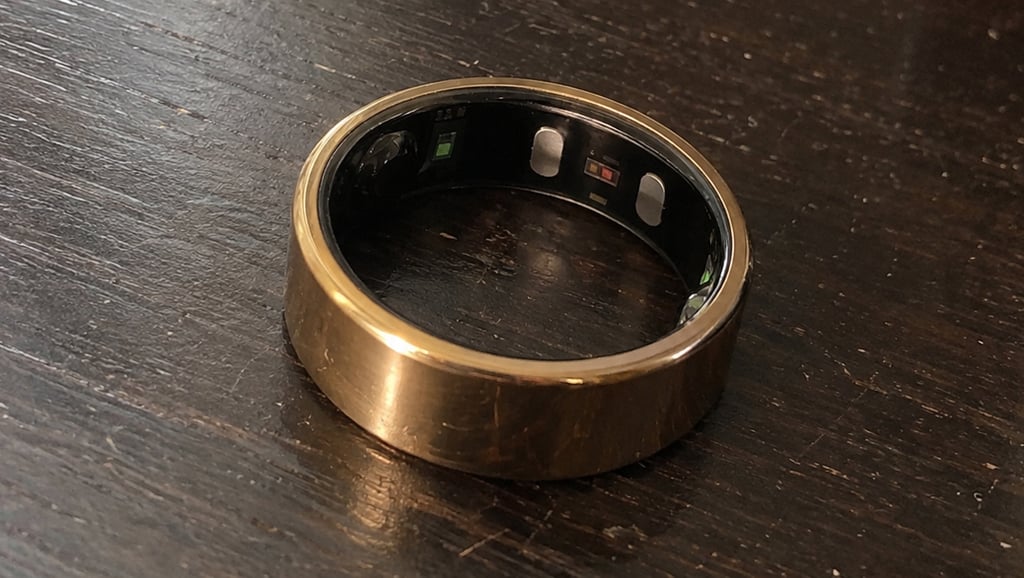
My Fitbit tracker was usually quite distracting, while the RingConn ring never demanded my attention. That made my days feel calmer, but I also found myself forgetting to check how much I had moved.
During the first week, I noticed that my activity was lower than usual. I was averaging around 4000 steps by the time I got home from the office. The ring was still tracking my activity and other metrics in the background, but without notifications prompting me to move, it was easy to spend most of the day at my desk.
So, I created a recurring notification for my 25-minute lunch break exercise. If the weather was poor, I walked around the office instead. The goal was to smoothly transition from a smartwatch to a ring.
Over the final three weeks, I completed the walk on 18 of 30 days. My average steps rose, but the more valuable result was consistency. Learning to remind myself to move ended up feeling more motivating than relying on Fitbit’s notifications to do it for me.
RingConn's battery made tracking more easy
RingConn says the Gen 2 Air can last up to ten days and provides core wellness tracking without a subscription. During my 30-day test, I charged it four times, usually while I was showering or working at my desk.
My first cycle lasted nine days, the second just over eight, and the third lasted another nine days. Battery life varied depending on syncing and settings, but it was long enough for me to capture the data I wanted.
That continuity was better than my Fitbit baseline. Charge 6 officially offers up to seven days of battery life, though always-on display and GPS use reduces that, so I was charging it far more often.
The longer battery life didn’t make RingConn’s tracking more accurate. It simply made it easier to keep wearing the ring consistently.
Sleep metrics may be the strongest reason to switch from a tracker
For me, the ring wasn’t as noticeable at night as a wristband. It doesn’t light up, send notifications, or leave pressure marks on my wrist.
The trade-off is a less secure fit. If RingConn Gen 2 Air is even slightly too big, there’s a chance it could slip off during the night.
As for the data, sleep duration and timing were the most useful metrics for me. On days when I skipped my lunchtime walk, I tended to work later and spend more time at my desk or on the sofa with my laptop. Naturally, that often meant going to bed later, too.
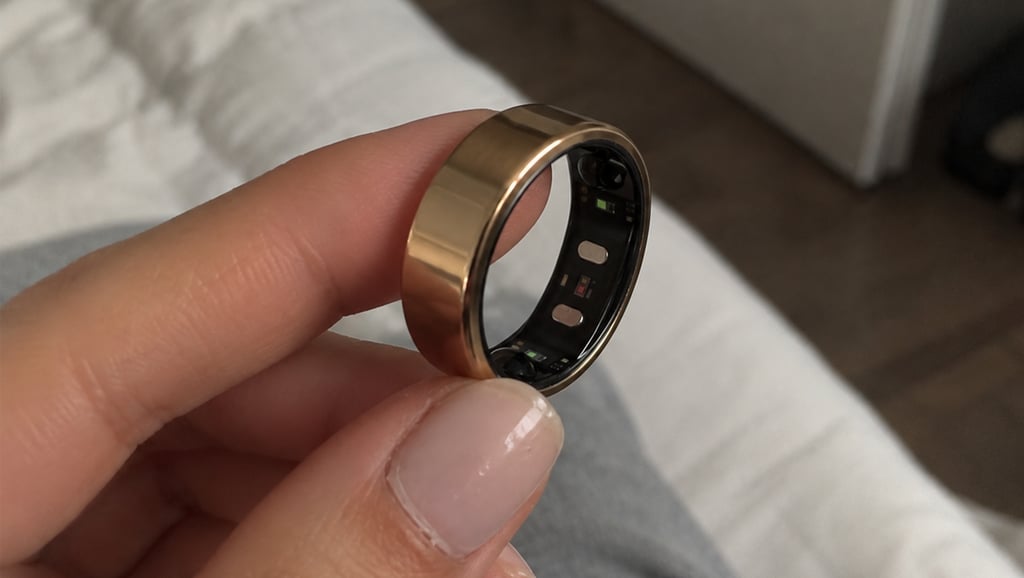
RingConn's sleep-stage breakdown added more detail, but I wouldn’t treat individual REM or deep-sleep figures as exact measurements. Consumer wearables estimate sleep stages from movement and cardiovascular patterns rather than the brain activity. So, while the trends were useful, I was more cautious about the exact timing and amount of each sleep stage.
Where I missed my Fitbit was exercise tracking
Gen 2 Air is primarily a passive tracker. During workouts, I couldn’t look down at my finger for live stats, so I had to carry my phone if I wanted to check anything during or immediately after an exercise session.
For casual walks and runs, I actually found that liberating. But during more structured workouts, I missed having a screen that could time intervals, track repetitions, and show me whether my effort was changing.
I also missed Fitbit's Active Zone Minutes as a simple weekly intensity check. RingConn summarized activity and wellness, but it didn’t replicate the familiar, workout-focused experience.
The ring's rigid shape was another limitation for some types of exercise. I had to remove it for strength training to avoid discomfort and potential damage. That meant manually adding sessions later or accepting that they wouldn’t appear in my activity data.
For me, this was the clearest trade-off: RingConn made everyday tracking feel effortless, but Fitbit was much more useful when I actually wanted to track a workout.
The ring and tracker didn’t agree on every number
During the three-day overlap at the end of my testing, daily step counts differed by between 4% and 11%. Resting heart-rate averages were much closer, within two beats per minute. Nightly HRV was harder to compare, though, since the two platforms use different measurement methods.
Some variation between devices is expected. Step counts are calculated using each device’s own movement-detection algorithms, while heart rate and HRV reading can differ because of sensor placement.
The useful comparison was within each platform: did the same device show a consistent trend when my routine stayed similar?
My verdict: A quieter way to track the day
Those 30 days without a wrist-worn fitness tracker showed me that I didn’t need constant prompts to stay active. In fact, not having them felt like a relief, especially when autumn days were already tiring enough,
On days when I took my lunchtime walk, I averaged more than 9000 steps and genuinely felt more energetic and motivated. On the days I skipped it, there was no evening notification pestering me to keep pushing when I was already tired from work.
I believe RingConn Gen 2 Air is a good fit for casual daily activity tracking, comfortable sleep, long-term use, and a subscription-free app. That said, for workouts, navigation, and detailed activity data, I’d still choose a display-equipped tracker.