Peloton’s new treadmill trio brings a foldable design, AI form coaching, and Whoop integration

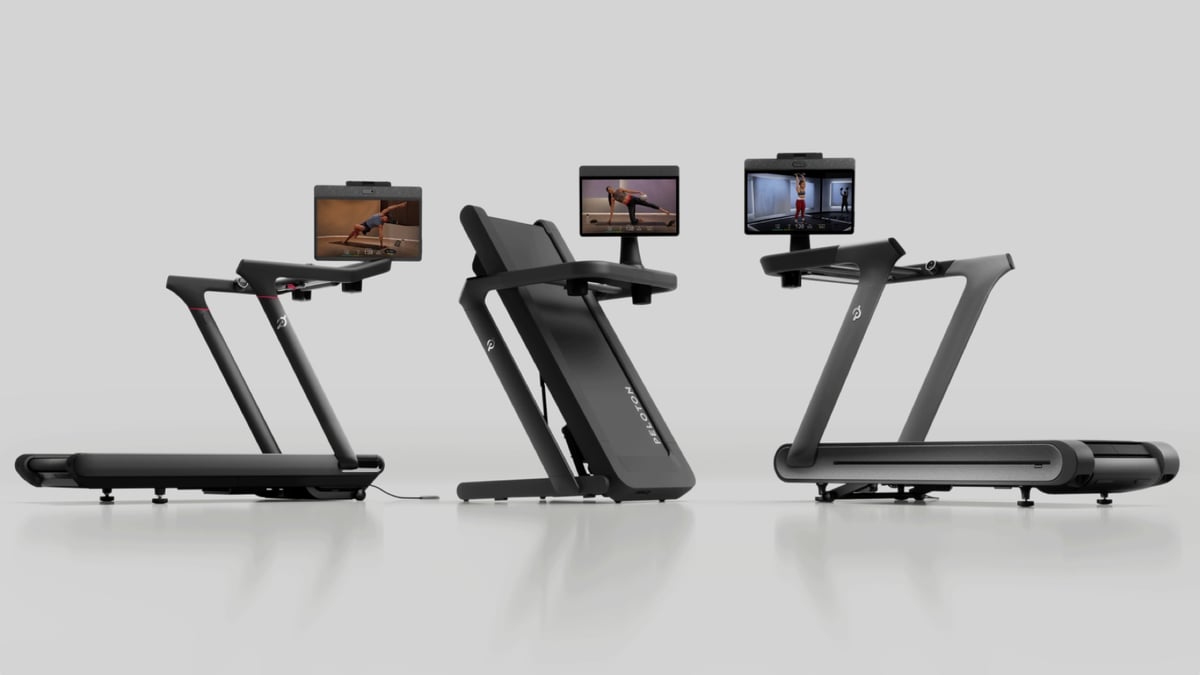
Expanding its running push, the brand's new trio brings detailed running form analysis and wearable syncing
Peloton has announced a sweeping overhaul of its treadmill portfolio, introducing three new hardware models alongside an expanded suite of AI-driven coaching features powered by Peloton IQ.
Leading the new range is the Peloton Tread Flex ($2,195 / £1,999), the brand's first foldable treadmill. Designed for small and shared spaces, the Tread Flex shrinks by nearly 50 percent when folded.
It features a specially engineered brushless motor that runs at 70 dB even at its top speed of 12.5 mph, arriving in North America first on October 1, before expanding into the UK and European markets next spring.
Keeping an eye on your form
Stepping up in technical capability, the Peloton Tread Vision ($3,495 / £2,999) targets dedicated runners and hybrid fitness enthusiasts who want to refine their mechanics and prevent injury.
Equipped with an integrated movement-tracking camera, it marks Peloton’s first computer vision-enabled treadmill available outside North America. The system offers real-time form correction during off-tread strength sessions, plus post-run biomechanical feedback on screen, and goes on sale globally on October 1.
At the top of the range sits the flagship Peloton Tread+ Vision ($6,695), tailored for competitive endurance athletes, Hyrox participants, and functional fitness enthusiasts. It pairs a shock-absorbing slat belt with computer vision features and introduces a dedicated Sled Mode that supplies up to 300 pounds of heavy push resistance for leg drive and power training.
Like the Tread Vision, the Tread+ Vision will also be available starting October 1.
Taking wearable integration to the next level
All three machines also come with Peloton IQ's expanded software suite, moving beyond isolated metrics to deliver a fully integrated coaching experience.
The intelligence engine introduces Run Analysis, which calculates a comprehensive running efficiency score by evaluating continuous cadence, vertical oscillation, and stride length.
Additionally, IQ Pace Targets automatically suggests tailored interval speeds based on historical performance, while Heart Rate Zone Workouts leverage real-time biometric streams from connected wearables for structured cardiovascular training.
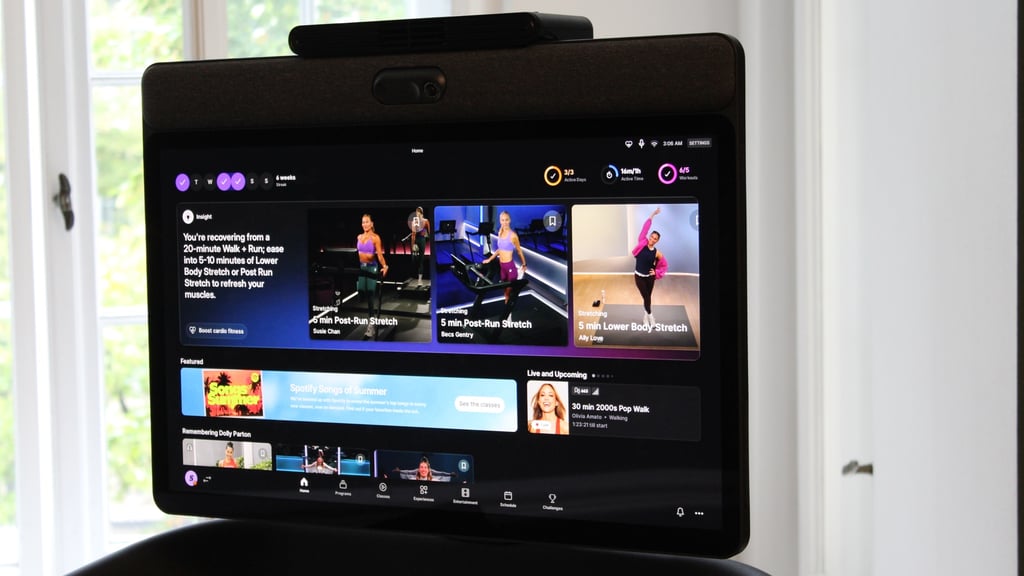
With the new ReRuns feature, runners can also sync outdoor route elevation profiles directly from platforms like Garmin and Strava to replicate real-world hill climbs on the belt, while new bi-directional sync with Whoop lets users pass workout strain and recovery scores between ecosystems.
The Wareable take
I sat through a detailed demo of the new treadmill lineup in Berlin earlier this month, and—even though I haven't yet been able to test it over an extended period—Peloton’s hardware and software evolution seemed exceptionally polished.
The Peloton IQ interface responds crisply, and its form feedback stands out—distilling often-complex biomechanical metrics into intuitive, non-intimidating visual cues.
Importing Garmin Connect routes and automatically matching the belt's incline also should make indoor routes far more engaging, working much like the feedback you'd expect from an indoor bike trainer and Zwift setup.
Combine that with Whoop integration and a redesigned (and surprisingly powerful) multi-speed cooling fan to keep sweat at bay, and it's clear Peloton has delivered its most complete and integrated experience for runners yet. Stay tuned for our full testing.