- Combines TENS, EMS, and heat therapy
- Doesn’t restrict your movement
- Very easy to set up and use
- FDA-cleared
- Limited to the torso area
- Can be difficult to conceal under some clothes
- Electrode pads typically need replacing after 20–30 sessions
When I first heard about Oxiline TENS Q Pro, my immediate thought wasn’t just back pain—it was period cramps. As someone who’s tired of simply waiting them out or relying on over-the-counter pain relievers, I was actually curious to see whether this device may make a noticeable difference.
TENS (transcutaneous electrical nerve stimulation) is a non-invasive, complementary therapy used to manage pain. While research is still evolving and results vary between people, it may help support short-term pain for some users, including menstrual cramps.
Beyond that, Q Pro integrates TENS, EMS, and heat therapy for the lower back and abdomen, making it suitable for a range of torso-related discomfort regardless of gender. In my Oxiline TENS Q Pro review, I focus on what it’s actually like to live with this device day to day—comfort, controls, features, and overall value—while keeping in mind that pain relief is highly individual, and my experience may differ from yours.
| Product | TENS Q Pro |
| Use for | Lower back, abdomen, and side of the waist |
| Preset programs | 6 pulse modes + heat function |
| Battery life | Up to 2 weeks (advertised) |
| Electrode pads | 4 integrated electrode pads |
| Warranty | Lifetime warranty |
What is Oxiline TENS Q Pro?
Oxiline TENS Q Pro is a wireless 3-in-1 TENS waistband. While plenty of wearable TENS units are available in 2026, I think the combination of EMS, TENS, and thermotherapy helps Q Pro stand out from both wireless and many traditional wired models.
No, it’s not the most powerful TENS unit I’ve tested, nor is it as versatile as Oxiline TENS XS Pro. Still, I’d say it’s a solid option if your main goal is supporting the lower back or abdominal area.
Oxiline Q Pro comes with six preset pulse programs designed to mimic different massage sensations, such as push, pull, pressing, kneading, pounding, and tapping. Alongside these, you also get a built-in heating function with three intensity levels.
The heat can reach up to 113°F, which is similar to the temperature used by many heating pads. I found it to be my favorite function whenever I wanted a little extra comfort, though keep in mind that you should start with a lower setting since the heat might get uncomfortable during those 30-minute sessions.
- Check out best wireless TENS units in 2026
Explaining the TENS, EMS, and heat therapy combination
At first, combining three seemingly similar technologies into a single waistband might raise some questions for you. But after testing the device, I can confidently say it makes sense, especially considering the area it’s designed for.
Each technology is actually unique and targets different mechanisms. Since discomfort around the lower back and abdomen can have many causes, having multiple therapy options in one device is just overall convenient.
TENS sends low-voltage electrical pulses via electrode pads built into the belt. I found relatively many studies supporting this technology for temporary pain relief, yet results vary person-to-person. Scientists believe these electrical pulses may interfere with pain signals traveling to the brain and may also encourage the release of endorphins during a session. Still, I’d recommend consulting with your healthcare provider about whether TENS might help you.
EMS may seem similar to TENS on the surface, but it works differently. Instead of targeting sensory nerves, it aims to cause muscle contractions using electrical pulses. It’s often used in rehabilitation to potentially help maintain muscle strength and assist in recovery, but you shouldn’t view it as a replacement for regular exercise or actual physical therapy.
Heat therapy (or thermotherapy) is the third piece of the Q Pro puzzle. Applying gentle warmth to the skin may increase blood flow, help muscles relax, and reduce the feeling of stiffness or pain. However, like with TENS, the level of relief you experience is likely to vary individually.
Opening the Q Pro package: My initial thoughts
To start with, I have to admit this is one of the devices I was most excited to test in a while. As always, I tried to stay objective while judging its design, comfort, features, and overall usability, but this time, I definitely started with a more positive outlook than a skeptical one.
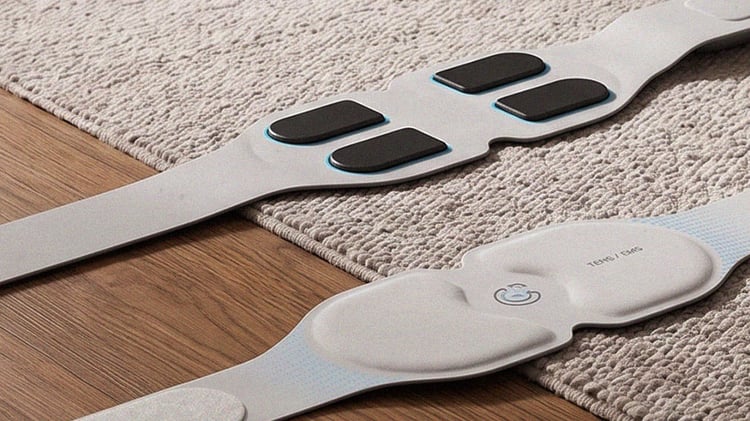
Oxiline TENS Q Pro is basically a waistband with four electrode pads positioned in a wider center section. The rest of the belt is made up of a slimmer band with a velcro strap, allowing you to position the electrodes over your lower back, abdomen, or sides of your waist.
I’d describe the belt as soft, lightweight, and contouring, with the removable controller being the bulkiest part of the design. The waistband itself is made from a stretchy Lycra fabric, so the 36.6-inch belt can accommodate different body sizes, and Oxiline also includes a 13-inch extender for extra accessibility.
My only real complaint is that the belt isn’t machine washable. Since it’s designed to be worn directly against your skin, I think washable fabric would have been nicer. Instead, the brand recommends wiping the waistband clean with a damp cloth.
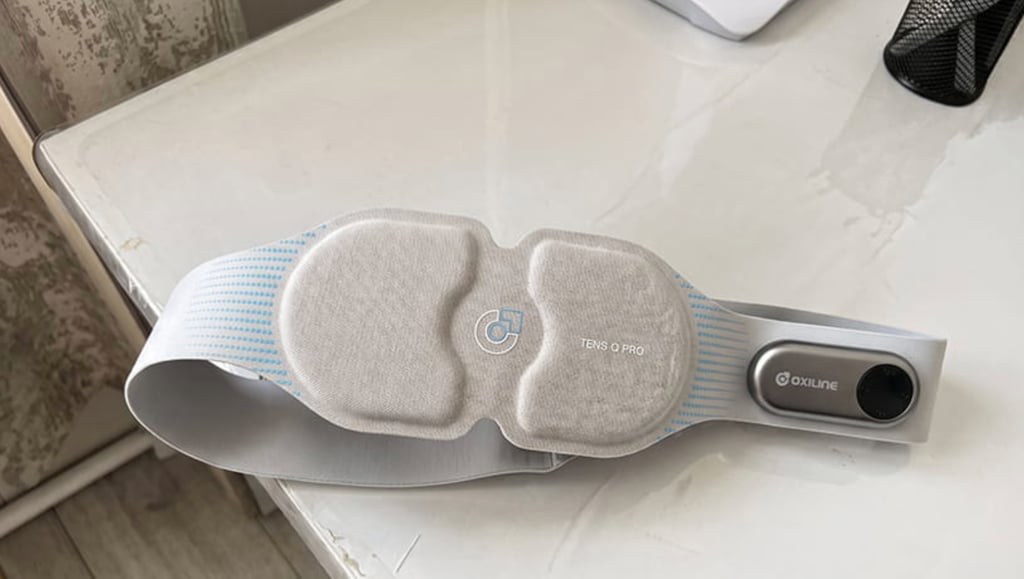
Inside the box, you’ll find the waistband, four electrode pads, removable controller, belt extender, and a USB-C charging cable. In my experience, the controller recharged fairly quickly, plus the battery lasted for days. Oxiline advertises up to two weeks of use on a single charge, but if you follow the recommendation of using it twice a day—expect around three to five days between charges.
Overall speaking, getting started was easy: charge the controller, snap it onto the waistband, switch it on, and then just press the buttons to adjust intensity and select modes. I found that some icons weren’t immediately intuitive, so I’d suggest spending a few minutes trying each mode before settling on the one that feels right for you.
Pricing and overall value
At the time of writing, Oxiline TENS Q Pro costs $89.00. From my perspective, that puts it in the low-to-mid price range for a TENS unit, and I believe the price is fair considering everything that’s included.
For comparison, Oxiline’s more feature-rich TENS XS Pro is significantly more expensive at $199.40, while a popular TENS unit like the iReliev TENS + EMS system is listed for $79.95.
Beyond the device itself, you also get a 30-day money-back guarantee, free shipping, and a lifetime warranty, which adds to the overall value. I also reached out to the company’s customer support while researching this device and received quick, helpful responses. They were even willing to clarify a few specification inconsistencies I came across.
The only ongoing cost you should keep in mind is replacing the electrode pads, since Q Pro’s pads gradually lose their stickiness and conductivity with regular use. Oxiline estimates they’ll last for around 20–30 sessions, depending on how well you care for them.
A replacement pack of Elite-X Pads currently costs $19.00 for eight electrode pads—not a major investment, but it may become bothersome over time.
Testing Oxiline TENS Q Pro in everyday use
Because Oxiline TENS Q Pro is built very differently from a traditional wired TENS unit, I had a much easier time fitting it into my everyday life. With both the controller and electrode pads integrated into the waistband, there are no dangling cables to get caught on something. It may sound like a small detail, but after testing several wired TENS units, I really appreciate how much freedom this design offers.
At first, I mainly used Q Pro around the house while cooking or doing other household chores. Yet, once I got used to the tingling sensation, I became much more comfortable taking it with me outside. I ended up using it at the office, before heading to the gym, at the tennis court, and truly anywhere else I wanted. The long battery life definitely helps here—even if you use it regularly, you won’t need to think about charging it every day.
The preset pulse programs all feel slightly different, although I’d describe them as some variation of tingling rather than an actual massage. Some delivered quick bursts that kept making me briefly tense up before relaxing, while others felt gentler and more rhythmic.
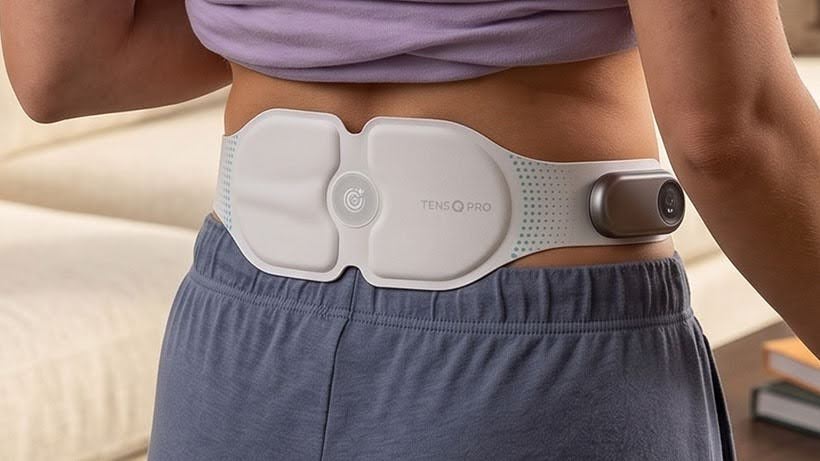
Oxiline recommends using the stimulation modes for around 15 minutes per session and the heat function for up to 30 minutes. While you should follow these instructions, the twice-a-day part is less strict.
TENS may provide temporary pain relief during a session and for a short time afterward, but there isn’t any strong evidence that simply using it more often would lead to better results. So, you may want to reach for Q Pro when you actually need it rather than trying to stick to a daily routine.
For those interested—Q Pro for period cramps
One reason I was particularly curious to test Oxiline TENS Q Pro is that menstrual cramps are among the better-studied uses of TENS. And since this model is designed specifically for the lower back and abdomen, I thought it may be a great device for this specific reason.
While the evidence isn’t perfect, several studies suggest that TENS may help temporarily reduce pain from period cramps. It’s considered a drug-free option, though how much relief someone might experience varies.
The built-in heat function also makes sense in this context. Thermotherapy has been studied for both lower back pain and menstrual cramps, with research suggesting it may provide short-term relief by helping muscles relax and supporting blood flow.
That said, keep your expectations realistic. Most research focuses on people with common menstrual cramps (primary dysmenorrhea) and leaves out cases when pain is caused by conditions such as endometriosis. If your pain has an underlying medical cause or you feel like it’s unusually severe, it’s always worth speaking with a healthcare professional before relying on any home devices.
Verdict: Should you buy Oxiline TENS Q Pro?
During this month-long testing, I actually really enjoyed using Oxiline TENS Q Pro, and feel like it’s a device I’d recommend to my friends. While it’s not perfect and definitely not a replacement for medical treatments, I believe it does a great job of combining TENS, EMS, and heat therapy into a comfortable, portable waistband.
You should buy it if your main goal is to help manage discomfort around the lower back, abdomen, and sides of the waist. The wireless design makes it particularly suitable for people who are often on the move and don’t want a traditional wired TENS unit limiting their daily routines.
On the other hand, you should skip Oxiline TENS Q Pro if you’re looking for a more versatile TENS device that could target different areas of your body. In that case, you may want to explore more traditional TENS units or other alternatives that better match your goal, budget, and lifestyle.
Other recovery and wellness device reviews
- Check out the best TENS units in 2026
- Check our picks of the best TENS units for home use
- Read our review of the best red light therapy devices for back pain
References
5 resources
- BMJ Open Efficacy and safety of transcutaneous electrical nerve stimulation (TENS) for acute and chronic pain in adults: A systematic review and meta-analysis of 381 studies (the meta-TENS study)
- Frontiers in Pain Research The effect of EMS, IFC, and TENS on patient-reported outcome measures for chronic low back pain: A systematic review and meta-analysis
- Scientific Reports Heat therapy for primary dysmenorrhea: A systematic review and meta-analysis of its effects on pain relief and quality of life
- The Cochrane Database of Systematic Reviews Transcutaneous electrical nerve stimulation (TENS) for pain control in women with primary dysmenorrhoea
- Frontiers in Medicine Superficial heat therapy in women’s health