- High quality
- High-tech
- Offers 6 wavelengths
- Stationary
- Higher-end price
In the past few years, red light therapy devices have grown in popularity for all kinds of purposes. Whether your goal is to rejuvenate your skin, boost hair growth, or support muscle recovery, there’s a red light therapy device promising to address any of these concerns.
| Product name | MITO LIGHT Starter 5.0 |
| Price range | $699 (varies by panel size) |
| Rating | 4.2/5 |
| Best for | Full-body home therapy |
| Key specs | – Device type – panel– 630–850nm wavelengths– 74 mW/cm2 power output– 10–20 minute session time– Localized coverage area |
All this buzz around red light therapy made me want to try it for myself and see if these devices are actually worth the investment.
I chose to go with Mito red light therapy devices since they are one of the most trusted names in the industry, offering an extensive, FDA-cleared product line.
So to give it a fair try, I used MITO LIGHT Starter 5.0 for several weeks, and here’s what my experience was like.
What is Mito red light therapy?
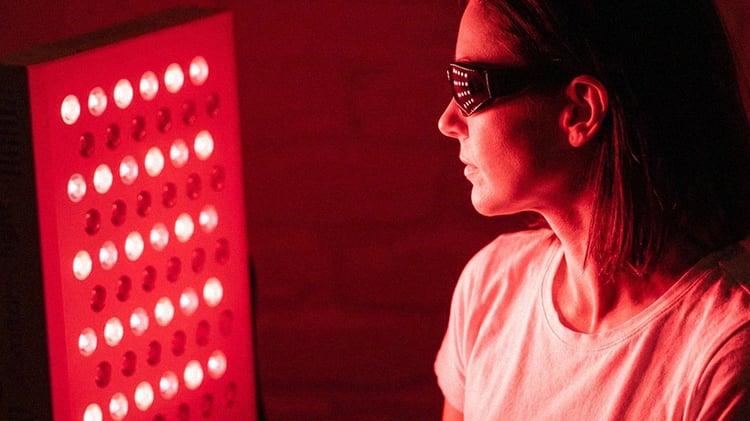
Mito red light therapy uses red and near-infrared light, both of which have been researched for their benefits for skin health and recovery.
Red light at 630–670nm, in particular, has been shown to target the surface layers of the skin to potentially boost collagen and smooth fine lines. Meanwhile, near-infrared light at 810–850nm has the potential to penetrate deeper to support the body’s recovery processes.
By combining these, Mito red light therapy may assist in accelerated recovery and improve the quality of your hair and skin.
Price and value
MITO LIGHT Starter 5.0 retails for $699. While it may seem like a significant investment, it falls in the mid-range price tier compared to similar devices like the Joovv Mini 3.0 ($1,199) and the BON CHARGE Demi Red Light Therapy Device ($699).
The MITO LIGHT Starter 5.0 offers more advanced light technology than both of these competitors, featuring 6 wavelengths and other smart features like a full touchscreen, a mobile app, and a light alarm clock that can gradually wake you up. Personally, I find the value well worth the cost.
Design, setup, and first impressions
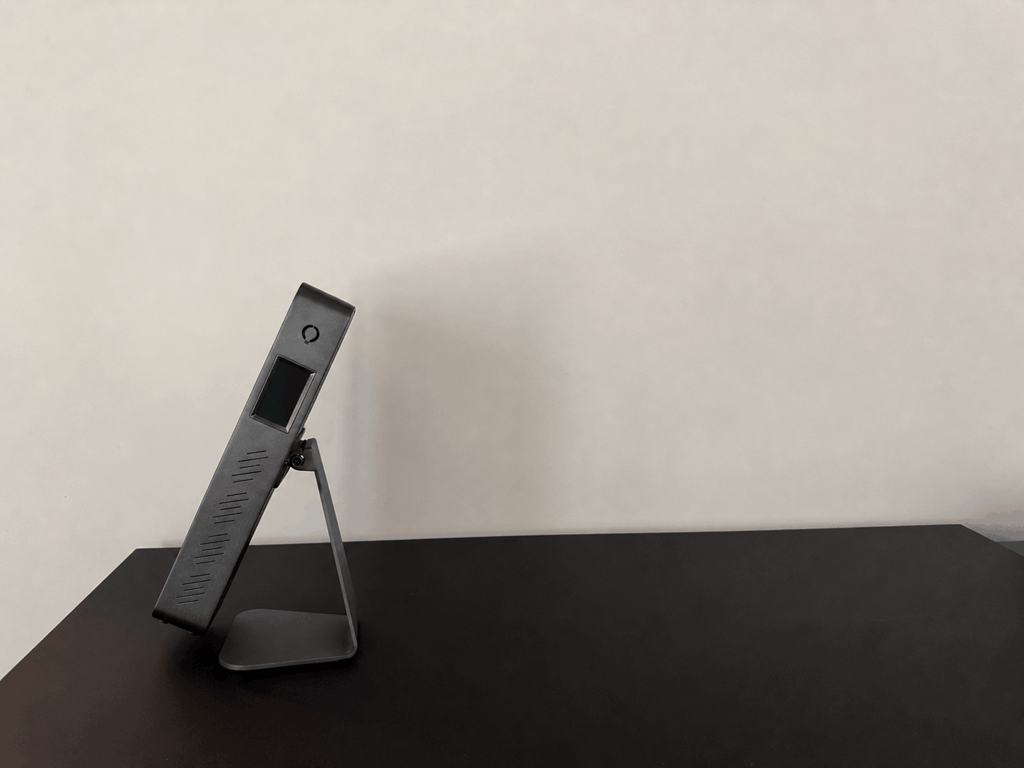
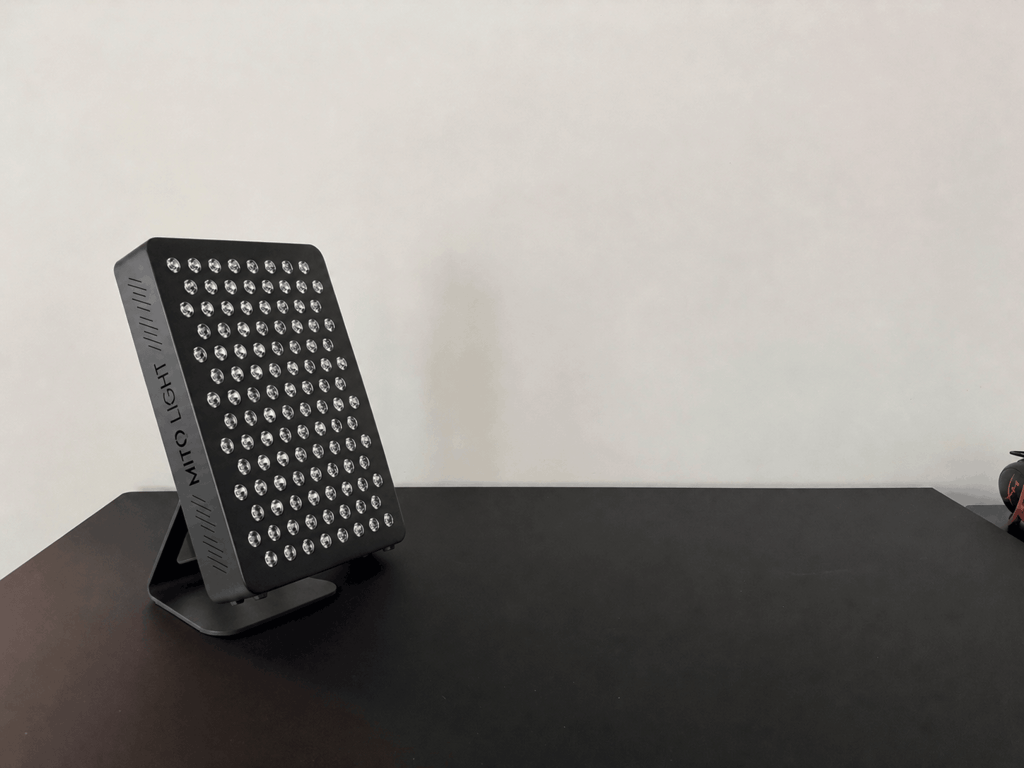
Upon unboxing the MITO LIGHT Starter 5.0 device, my attention was immediately drawn to its sturdy design. It’s made out of both plastic and metal and weighs around 6.85 kg, which gives it a premium feel and makes it durable for everyday use.
To me, the front panel itself looked high-quality with an LED grid spaced consistently with no visible dead space or uneven spacing. After researching the device further, I found that its LEDs use a 30° beam angle, which is supposed to strictly focus the light onto your body, minimizing dispersion and maximizing deep light penetration.
Next, my eyes wandered to the side of the panel, which has an integrated touchscreen display. Through it, you can select different modes and customize sessions. The screen proved to be highly responsive to light touches, and I had no issues navigating it to adjust my sessions.
The initial setup was very easy and didn’t take long at all. It has an integrated stand, which allows me to easily relocate it to any tabletop, whether that is my work desk, vanity, or nightstand. When placed on a tabletop, it covers targeted areas like the head and neck, measuring roughly 42.5 x 30.5 x 6.5 cm.
However, to target joints, you have to hold the device, which can get heavy on the arms. Alternatively, you can hang it vertically over a door using the included hanging system. This makes it easy to adjust the height of the device and target your joints or back, but it took me some finessing to set it up.
Additionally, I found protective glasses included in the box, which is a nice touch and shows that the brand cares about eye safety.
Features and everyday usability
What I appreciate most about MITO LIGHT Starter 5.0 is how customizable it is without feeling confusing. The addition of the touchscreen makes it effortless to adjust session settings precisely, percentage by percentage and minute by minute, without cluttering the device with various buttons.
It also offers four preset modes you can choose from with a single tap on the display:
- Complete therapy mode delivers 100% intensity of red and near-infrared light for a 10-minute session. According to the brand, this mode is best when you want to improve skin tone and support muscle recovery at once.
- Beauty & skin mode uses red light at 100% intensity for 10 minutes. The brand suggests it helps stimulate collagen production and improve overall skin tone. With just red light, there’s no warming effect, so this mode might be more suitable for people with sensitive skin.
- Evening recovery mode provides near-infrared light at 100% intensity for 10 minutes. This light penetrates deeper into the tissues to help support recovery. Plus, the light is invisible, so your body’s sleep preparation is not interrupted.
- Ambient light mode delivers 1% red light intensity for 20 minutes. This creates a pleasant atmosphere for relaxing, meditating, or reading in the evening.
Since I’m already familiar with red light therapy devices, I tested each mode before sticking with Complete Therapy Mode for the entire testing period to evaluate its full potential. Plus, I didn’t want to fiddle with custom settings and percentages every time I used it.
Even though I skipped the customizable settings, they may be a huge plus for others. Thanks to them, people who are new to red light therapy or are more sensitive have the option to adjust the controls and avoid discomfort during sessions.
During testing, I also frequently used the light alarm, which simulates a gentle sunrise. While accessing it requires downloading a free app—an extra step I'd prefer to avoid—it was worth it. Waking up to soft light and silent fans was a huge upgrade from my nosy alarm. Overall, the app acts as a remote that unlocks the alarm, evening mode, and your custom settings.
Ultimately, I found that this device is not as easy to integrate into everyday life as a mask or a wrap, which are highly portable and always seem to be within easy reach. That said, I found that keeping it on my nightstand for evening sessions and morning alarm was quite easy. Using it as an aid for muscle recovery took a bit more effort to set up, but I didn’t mind it—especially after workouts, since I was already up and running.
My experience using it
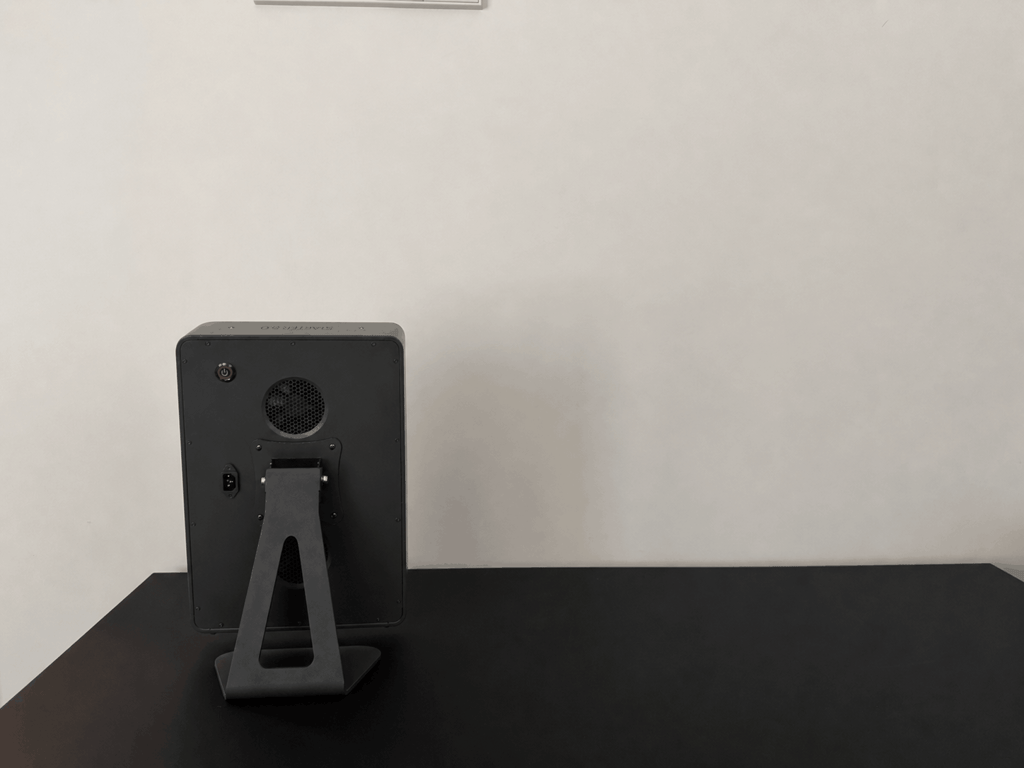
I tried various ways of fitting this device into my routine—something you'll likely do too, since everyone's needs differ. At first, I thought I’d enjoy keeping it on my desk while working from home, but my routine got thrown off on the days I went into the office.
So, I decided to move it to my nightstand, keeping it about 15 cm away as the brand recommends, and using it mostly in the evenings. Surprisingly, this made it much more convenient to use consistently, about 5 times a week.
I also tried hanging it on my door after workouts. Since I like to push myself at the gym, I wanted to see if it would support muscle recovery and help manage soreness. For these sessions, I made sure to stay within the maximum recommended distance of 50cm. In the evenings, I targeted my face and neck, while after workouts, I did my best to expose my whole body to aid recovery.
Overall, I didn’t experience any discomfort while using the panel. It emitted a slight warmth, but it remained pleasant even at maximum intensity. The LEDs weren’t blinding, but just to be safe, I wore the protective glasses during my sessions. I also noticed the built-in cooling fans made a slight sound, but it wasn’t distracting—it was more like a soothing white noise.
Progress was gradual, and it took a while to see improvements, which I’ll discuss in the section below.
Results and performance
As mentioned, I used the MITO LIGHT Starter 5.0 panel five times a week for up to 20-minute sessions, keeping the complete therapy mode on to test its full potential. Going in, I wanted to see if it would have an effect on my overall skin tone and whether it would support my recovery after workouts.
I kept my expectations realistic, knowing that noticeable results would take time and that red light therapy isn’t a standalone solution for these concerns.
At first, the red light therapy panel felt like a nice addition to my evening and post-workout routine, as the light and slight warmth felt relaxing. I dedicated this time to winding down, and it felt nice to slow down after hectic days.
Seeing some kind of improvement took patience, but after sticking to my routine, I started seeing subtle ones after 3–4 weeks. I’m not sure if it was simply because the device helped me relax, but my recovery after workouts seemed slightly faster. My muscles weren’t as sore the next day as they usually are.
I could also see a subtle difference in my skin. My pores seemed smaller, and my overall skin tone became brighter.
Overall, the progress was slow and the effects subtle. I liked it for the added relaxation element, and I could really feel my muscles recovering faster and my skin smoother and brighter.
Safety and side effects
All Mito red light therapy devices meet strict European CE and RoHS certifications, meaning they have been rigorously tested for consumer safety and are free from dangerous or toxic materials.
In general, red light therapy is considered safe for daily use since it uses harmless wavelengths without relying on heat, invasive procedures, or toxic chemicals. This means you can use at-home red light therapy devices safely as long as you stick to the brand’s guidelines.
That said, there are a few precautions to keep in mind if you have sensitive eyes or skin. To protect your vision, avoid looking directly into the bright light for prolonged periods and wear the protective blackout goggles provided with your panel. To prevent adverse skin reactions, perform a patch test on your forearm before a full session.
Additionally, people who are pregnant, taking medications, or suffer from medical conditions should consult a doctor before starting red light therapy, as its effects on these specific groups haven’t been extensively researched yet.
Mito vs. other options
Mito is known for offering higher-end, quality products. It’s more of an investment compared to affordable panels from brands like Hooga, but it remains much more budget-friendly than premium alternatives such as Joovv, all without sacrificing quality.
However, when compared to wearable red light therapy devices, like those of Omnilux, Kineon, or iRestore, Mito falls short in the portability department. Mito products prioritize power and aiding recovery over on-the-go convenience.
Overall, it makes the most sense to purchase Mito if you're looking for a stationary setup for supporting skin health and muscle recovery. But if you need something you can easily wear or travel with, you'll want to explore other options.
Final thoughts
After 8 weeks of testing, I’m glad to report that this Mito panel won’t collect dust in my home, as I’ll definitely continue using it now that I’ve invested in it. After the adjustment period, it integrated well into my routine, and with consistent use, I noticed it helped even my skin tone and support muscle recovery after workouts.
Of course, as with any pricier investment, deciding whether it's right for you depends entirely on your personal circumstances. Its pricetag or the stationary aspect might not be for everyone, but for me, adding it to my routine helped me see subtle improvements in skin health and muscle recovery speed.