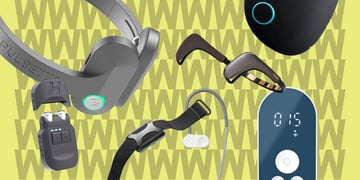
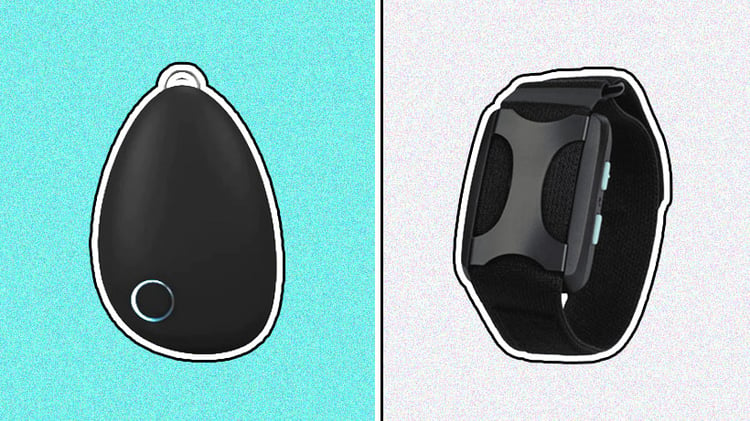
Both focus on nervous-system support, but one is built for everyday wear while the other is designed for dedicated relaxation.
Not long ago, we compared Apollo Neuro with Pulsetto Lite, a device that takes a different approach through vagus nerve stimulation. Now, we’re looking at two products that seem more alike.
Both Apollo Neuro and Sensate use vibration technology and aim to help with relaxation, stress, sleep, and your overall nervous system health. But after trying them, we found more differences than we expected.
Apollo Neuro is a wearable you can use all day, while Sensate is designed for guided relaxation sessions, similar to meditation or mindfulness. This difference changes how you use each device.
If you’re deciding between them, it’s not just about features or price anymore. It’s about what you want from the device. Do you want something to wear while you work or exercise? Or do you prefer a device that helps you slow down and dedicate time to relax?
In this review, we explain these differences to help you choose the one that fits your lifestyle best.
| Spec | Apollo Neuro | Sensate |
| Price | $349 | $269.10 |
| Technology | Vibration-based nervous system support | Vibration + sound-based relaxation device |
| Wear style | Wrist/ankle wearable (all-day use) | Chest-worn relaxation device |
| Best for | Busy users wanting all-day stress support | Users who enjoy mindfulness and guided relaxation |
| Official website | Visit Apollo Neuro | Visit Sensate |
Which one is better priced?
Ideally, we should choose devices based on how well they fit our needs. But let’s be realistic—price still plays a huge role in buying decisions.
A device might sound perfect, but if the price is too high, you might reconsider. That’s why we always look for the device that offers the best value.
Apollo Neuro: Membership with purchase
Apollo Neuro costs $349, which isn’t cheap. However, the price includes full app access for the first year. Since the subscription normally costs $99 annually, that’s a bargain.
Apollo also offers a 30-day money-back guarantee, letting users test the device with little risk. If something unexpected happens to the device, they also offer a one-year warranty.
Sensate: Lower entry price and optional membership
Unlike Apollo Neuro, you can buy Sensate for $269.10 without an app subscription. However, we don’t recommend that. For $10 more, you get a one-year membership with access to additional soundscapes and guided experiences.
Moreover, Sensate gives a 90-day money-back guarantee and a one-year warranty. That’s a way better deal than Apollo Neuro.
Winner: Sensate
First impressions
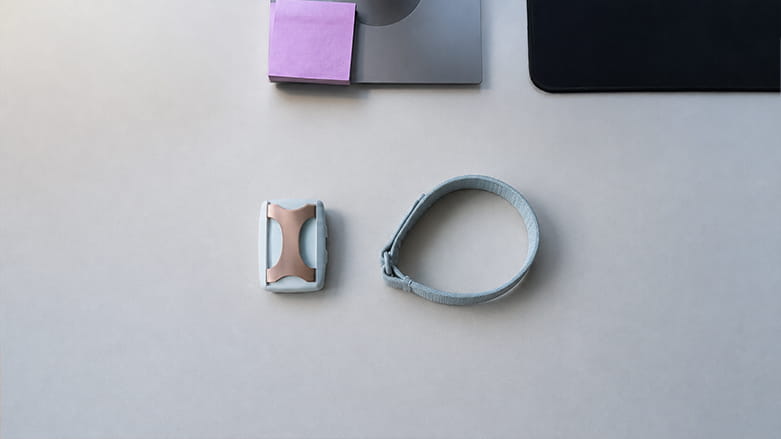
Even though Apollo Neuro and Sensate both use vibration technology to calm you down, their designs are very different.
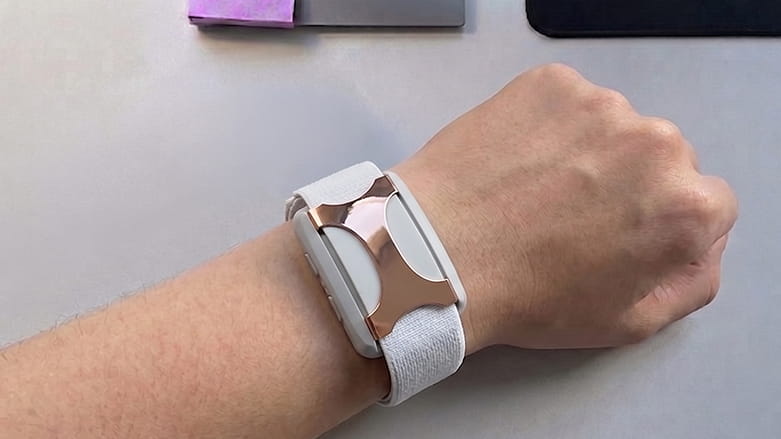
Apollo Neuro feels more like a traditional wearable. It reminded us of fitness trackers such as WHOOP 5.0. Inside the box, you get the wearable, an adjustable band, a clip, and a charging cable. Because it's worn on the wrist or ankle, it can easily become part of your everyday routine.
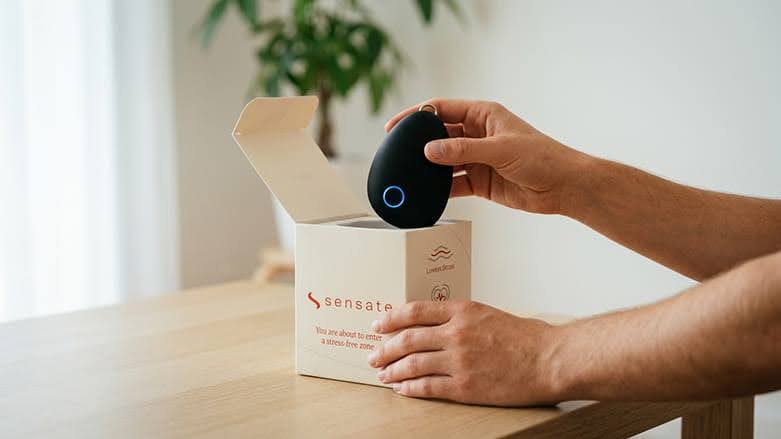
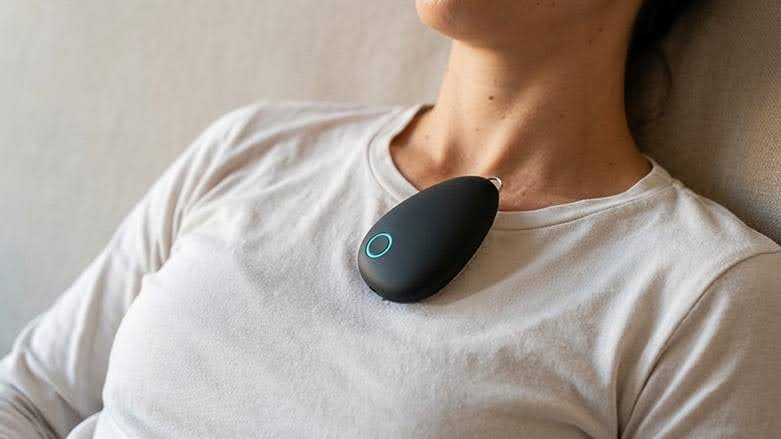
Sensate doesn’t look like a traditional wearable. It's a smooth, drop-shaped device designed to vibrate against your chest during sessions. Because of that, the box includes a lanyard that hangs around your neck and helps position the device correctly.
Unlike Apollo Neuro, Sensate isn't something you'll wear all day. For it to work properly, it needs to sit in a specific position on your chest while you rest.
Which fits daily life better?
The answer depends on what you're looking for. Sensate feels more like a dedicated meditation companion.
When you use it, you might find yourself slowing down, putting on headphones, listening to the guided soundscapes, and taking some quiet time to focus on yourself. If you already enjoy mindfulness practises, this could be a wonderful choice for you.
On the other hand, Apollo Neuro is built for a different type of people. It's perfect for someone who doesn't always have time to stop what they're doing to meditate for 20–30 minutes, but still wants to incorporate calming techniques into their day.
Winner: Draw
Does the science behind these devices feel convincing?
Both Apollo Neuro and Sensate claim to use vibration patterns to influence how the body responds to stress. The goal is to help support relaxation and potentially improve sleep and overall well-being.
When we look at research, Apollo Neuro has a bit more in-house research. According to their website, they have completed 17 clinical trials and published five studies. One recent study reported improvements in well-being and burnout scores among students who used the device.
Sensate also mentions research on its website, but it is not as strong as Apollo Neuro. I found only one study that they linked to.
It followed 25 participants who experienced stress for 14 days. After the trial, participants reported feeling more relaxed and less stressed. While these results are promising, it's important to remember that this was a small study mainly based on what participants reported themselves.
This brings us to the biggest limitation for both devices. Available research has been funded or supported by the providers’ companies. That does not mean we should dismiss their findings, but it's good to approach them with some caution.
Independent studies with no commercial ties to the products would give us stronger evidence. That is why we would like to see larger, independent research before making stronger claims about effectiveness.
Winner: Apollo Neuro
What using Apollo Neuro and Sensate actually feels like
Unlike other devices that use different technologies (for example, Apollo Neuro vs. Pulsetto Lite), Apollo Neuro and Sensate are trying to achieve similar outcomes through vibration. Because of that, we focused on the overall experience.
First-week expectations
The first week was mostly about skepticism because neither one believed that vibration could help with stress.
So, to make things fair, Sensate was tested by our team members who already enjoyed meditation and those who had never connected with mindfulness practices. We did the same with Apollo Neuro. More than anything, we wanted to see if one of the devices would change people’s routines.
Sleep and stress observations
After a few weeks, users of both Apollo Neuro and Sensate reported slight improvements in sleep quality and relaxation. Though the changes weren't dramatic, small improvements felt worthwhile.
That said, we still have to be skeptical. When you’re trying to manage stress with these devices, meditating, or breathing, it can be tricky to tell whether the credit goes to the device or your own dedication.
One interesting finding was that Sensate appealed to more people than expected. Some team members with busy schedules enjoyed that it forced them to slow down, breathe, and spend a few minutes focusing on themselves.
However, Apollo Neuro was still the device most people gravitated toward because it felt easier to fit into a busy schedule. Several team members even used it during meetings. On top of that, the ability to schedule sessions in advance was another feature people appreciated.
Which feels more impactful?
For our team, Apollo Neuro came out ahead, and the reason is simple. It’s available exactly when you need it.
If you're feeling stressed, you don't have to find a quiet room, lie down, and set aside time for a session. You simply open the app, select a program, and continue with whatever you're doing.
Winner: Apollo Neuro
Which app did we like more?
The apps play a much bigger role than you might expect. Both Apollo Neuro and Sensate use vibration to help you relax, but their apps deliver different experiences.
Apollo Neuro app
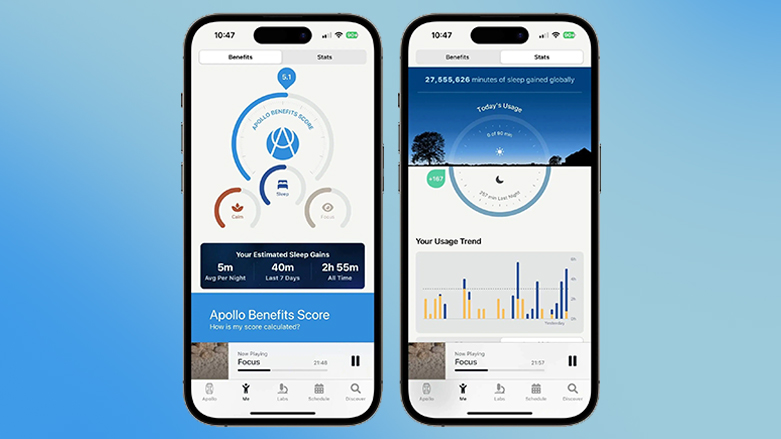
The Apollo app has a small advantage. You can try it before buying the device. After downloading it, you get access to two sample experiences called Good Vibes and Hug.
Your phone starts vibrating when you choose one, and if you want, you can place it on your chest or on your wrist to see what the vibration feels like. These sessions only last two minutes, but give you a decent idea of what to expect from the actual wristband.
Once the band is connected, the Apollo app activates the premium membership, and the features expand. You unlock a much larger library of programs, longer sessions, and syncing with devices like the Oura Ring.
It can even be used during sleep, which supposedly supports your sleep quality. Moreover, the device can function without being connected to your phone.
Sensate app
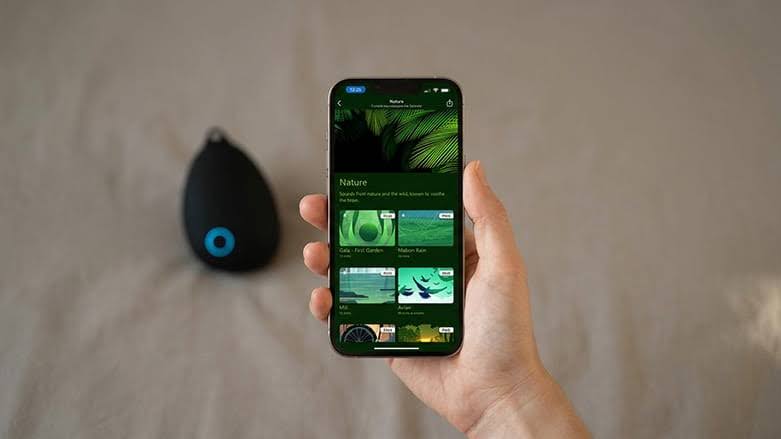
Unlike Apollo Neuro, you can't experience the vibration aspect without owning the device. Before purchasing, the app mainly gives access to its library of calming sounds.
To be honest, the audio content is excellent. The sessions feel like stepping into a yoga studio or meditation class. The combination of soothing sounds and vibrations creates a relaxing atmosphere.
Some team members tried the box breathing exercise during the session and said it made the experience even better. That said, the Apollo Neuro app feels more advanced. It offers more vibration features and lets you use it without being connected to the device.
Winner: Apollo Neuro
Who should choose each device?
Ultimately, Apollo Neuro feels better suited to busy lifestyles, while Sensate is for people who want to fully immerse themselves in meditation.
That doesn’t mean we’re suggesting that busy people shouldn’t slow down and try something new and relaxing. You should just go ahead and explore it. However, if you’re still unsure which direction to go, we've put together a quick guide below to help you find the right device.
Choose Apollo Neuro if:
- You want all-day stress support
- You prefer wearable tech
- You value flexibility and ease of use
Choose Sensate if:
- You enjoy guided relaxation
- You want intentional calming sessions
- You prefer meditation-style experiences
Safety, side effects
Because Apollo Neuro and Sensate use low-frequency vibrations, they're considered generally safe wearables. However, for some people, we would recommend using it with caution or consulting a healthcare provider before use:
- People with skin irritation
- People with sensory sensitivities
- Underaged people
Sensate might feel a little more intense because of its placement on the chest. So, if you have a pacemaker, cochlear implant, or any other active implanted electronic device, you should chat with your doctor before trying it out.
Verdict: Which is better overall?
After comparing both devices, we made a decision that Apollo Neuro comes out ahead. It’s just easier to use. You can wear it throughout the day, and there’s no need to set aside specific times for use.
Plus, Apollo’s app also makes the whole experience even better. It offers a variety of features, and the band can work without being constantly connected to the app. That flexibility is just a cherry on top.
But don’t worry, Sensate can still find its fans. It’s perfect for people who enjoy structured mindfulness or meditation-style sessions.
Still, Apollo Neuro appears to have a slightly stronger evidence base than Sensate. That doesn’t make Apollo clinically proven, but it does give a bit more credibility overall.
-
The American Journal of Medicine.
-
Sensate Inc.