We tested InBody vs. Withings—here’s our honest insights about both smart scales
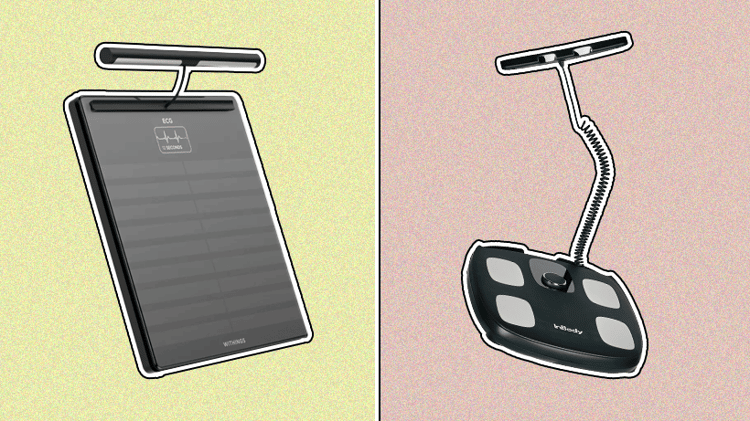
Both Withings Body Scan and InBody Dial H30 are sensible choices for tracking your body composition. The main difference between them is that they’re better suited for different use cases.
InBody Dial H30 is a much better option for tracking your fitness progress. Using the device, you’ll be able to monitor your muscle mass, body fat, and overall body measurements. If you’re someone who’s interested in reaching certain fitness goals, InBody might be just for you.
Withings Body Scan, on the other hand, is a much more wellness-oriented device. While it also monitors and presents data like your body fat and muscle mass, we believe that it takes a broader wellness approach rather than focusing solely on fitness.
We believe these body composition devices can be an excellent way to motivate you to reach your goals. However, it’s important to remember that they will only be useful if you use them regularly in the long run. Such gadgets cannot be 100% accurate, so only checking daily readings will not help you make progress.
| Product | Withings Body Scan | InBody Dial H30 |
| Price | $499.95 | $379.00 |
| Body composition metrics | Muscle mass, weight, body fat, bone mass, BMI, visceral fat, metabolic rate, body water | Skeletal muscle mass, BMI, body fat, visceral fat, body balance, waist-hip ratio, soft lean mass |
| Segmental body analysis | Yes, across 5 body segments | Yes, across 5 body segments |
| Cardiovascular features | ECG, vascular age, heart rate | None |
| App support | iOS and Android | iOS and Android |
| Connectivity | Bluetooth and Wi-Fi | Bluetooth and Wi-Fi |
| User profiles | Up to 8 user profiles | Up to 20 user profiles |
| Integrations | Apple Health, Health Connect, Samsung Health, Strava, MyFitnessPal, WHOOP, and Garmin | Apple Health, Health Connect, and Samsung Health |
| Warranty | 1-year warranty | 1-year warranty |
| Official website | Visit Withings | Visit InBody |
Design, build quality, and everyday usability
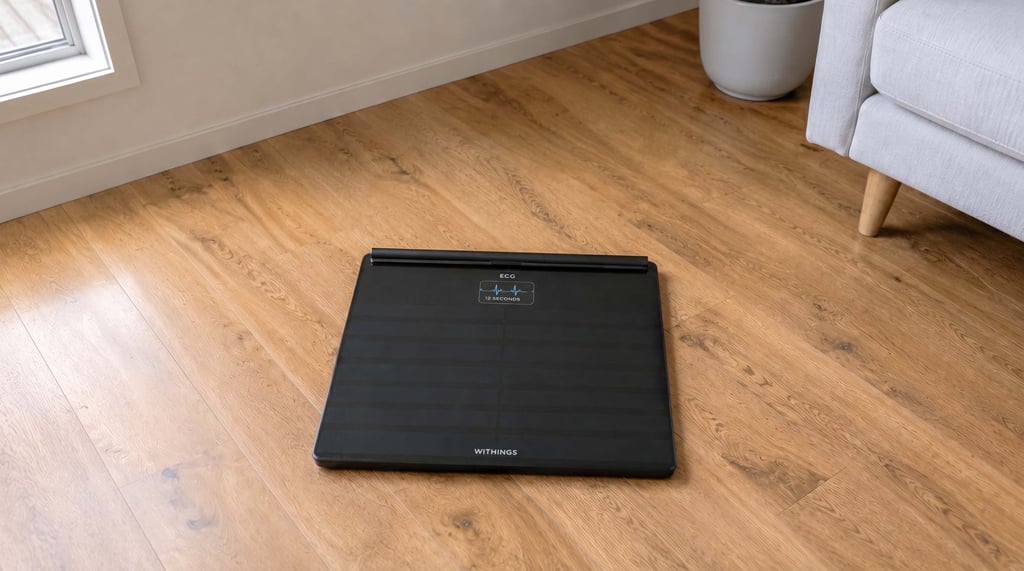
Our first impressions of Withings Body Scan were that it looks and feels like a truly premium device. The top of the scale is made of high-quality tempered glass and features a comfortable, retractable magnetic handle. You can also see a smart screen at the top of the scale, just the right size to make it easy to read from a distance.
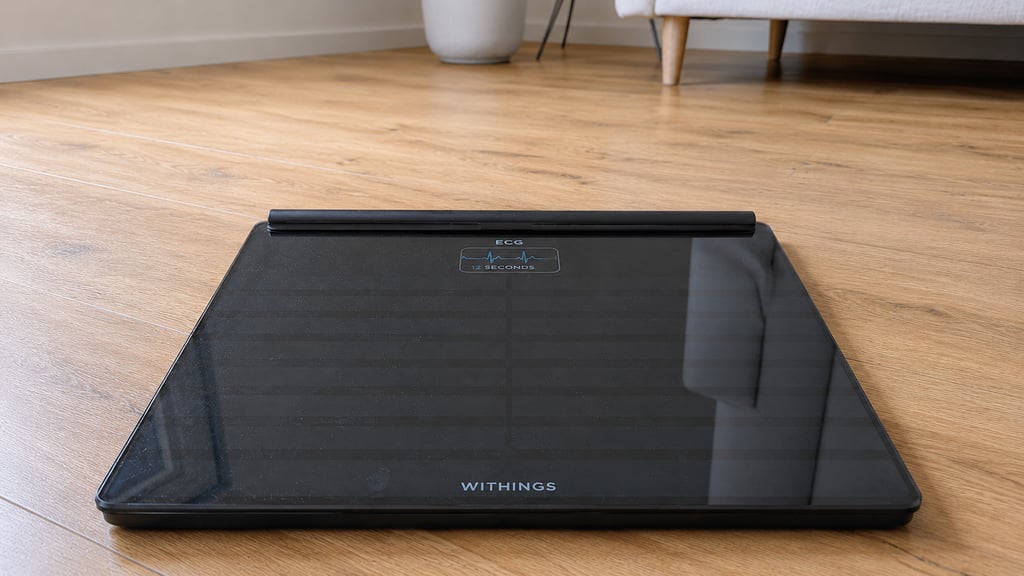
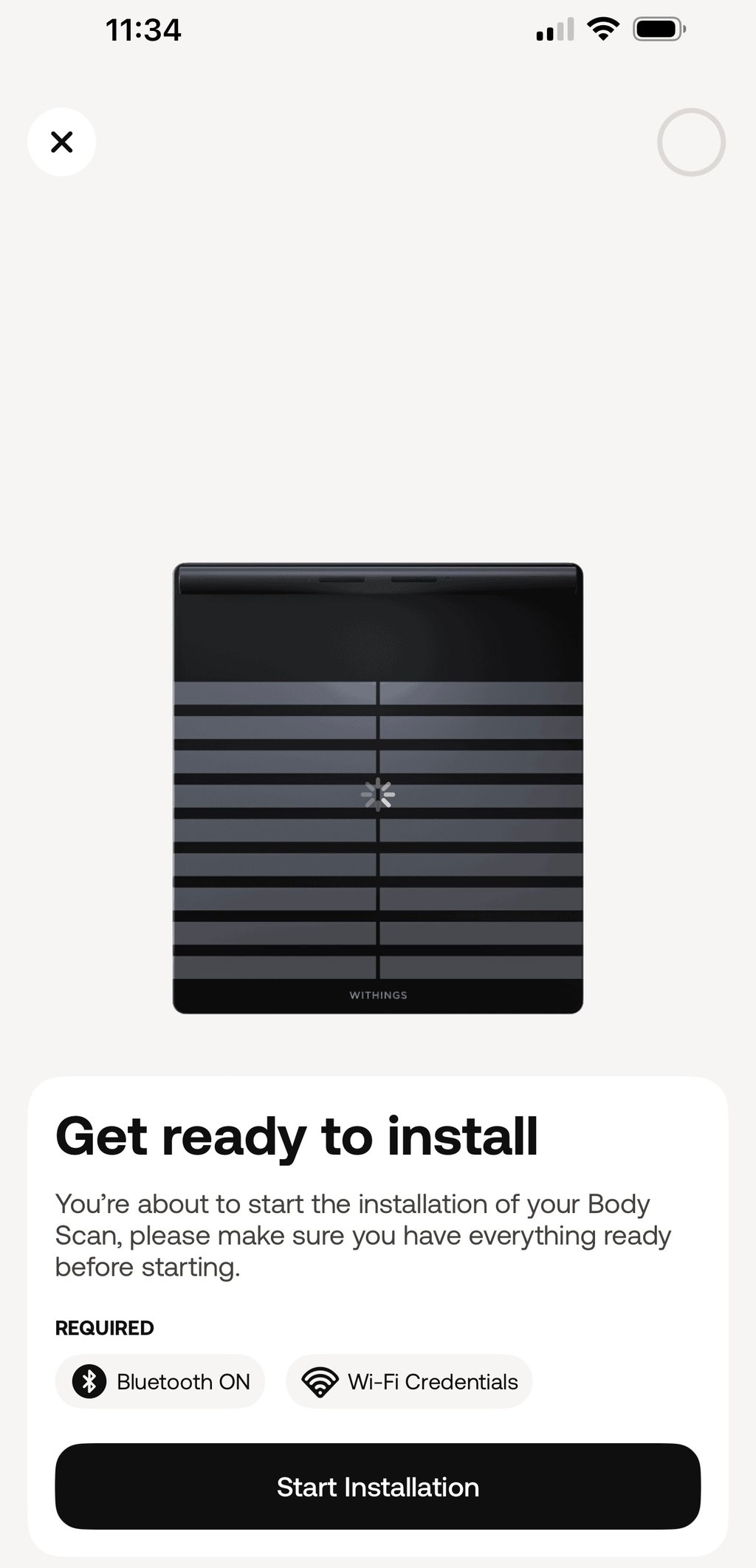
Setting it up wasn’t difficult either. To start using it, place it on a flat surface, download the Withings app, and pair it via Bluetooth. Once that is done, press Measure in the app, step on the scale, and pull up the handle near you. The whole scan process took only around 30 seconds. However, we noticed that a more detailed scan will take about 60–90 seconds. It’s also great for families as it can automatically recognize up to eight users.
InBody Dial H30 is made out of plastic and stainless steel, making it feel quite sturdy. However, it’s not as aesthetically pleasing as Withings Body Scan, which we found to be more modern. It’s also a bit bigger, so naturally it requires more space. Nonetheless, the design makes it clear where to set your feet, and it features a smart screen that displays key data.
The setup process was quite similar to Withings. Place the scale on a firm, flat surface, then download the app and pair the device via Bluetooth. Although it’s important to note that InBody Dial H30 uses batteries, while Withings Body Scan is rechargeable. Despite that, the scans were quick and simple, lasting only around 15 seconds. Besides, it can recognize up to 20 users and sync data automatically.
- Winner: Withings
Body composition tracking and health metrics
Both smart scales will bring you more benefits than regular weight metrics. However, we believe that Withings Body Scan and InBody Dial H30 prioritize different experiences.
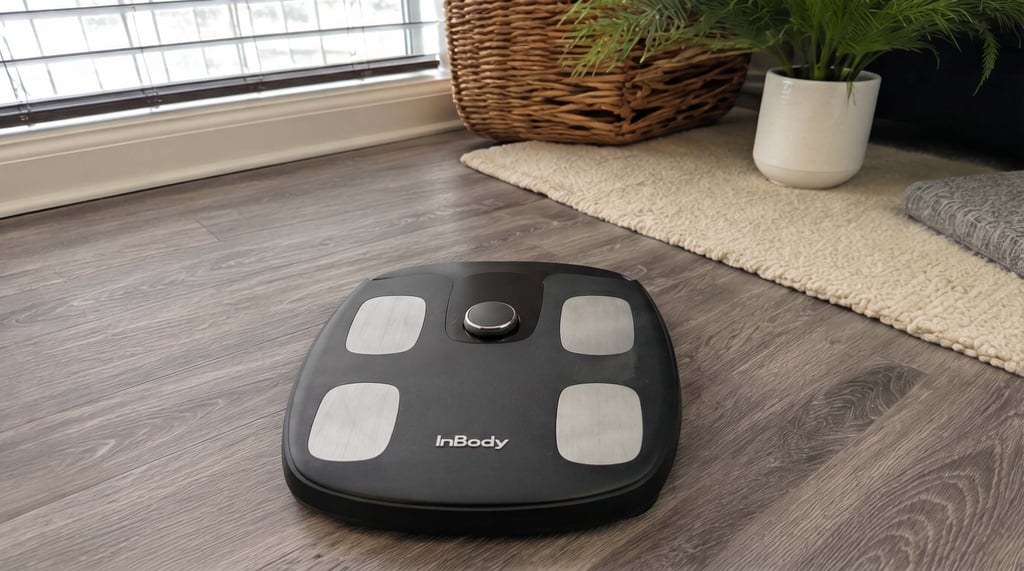
After carefully reviewing and trying different metrics, we found that InBody Dial H30 is a fitness-focused scale that may help you reach your goals. Using its app, you can see data such as BMI, muscle mass, and body fat—all essential if your priority is losing, maintaining, or gaining weight. For even more details about your body, you can observe your waist-hip ratio, soft lean mass, body balance, BMR, and metabolic rate.
With InBody Dial H30, you can also track your upper vs. lower body balance, which might help you adjust your workouts based on your body composition. Overall, we believe that it’s a perfect choice for muscle analysis and improving your fitness plan to fit your body.
Unlike InBody, we found Withings Body Scan to be more suitable for improving overall well-being rather than just fitness. We were mostly impressed by its different modes for different use cases. You can choose from Athlete, Baby, Weight-Only, Pregnancy, and Eyes Closed modes.
Just like other smart scales, it tracks body fat, muscle mass, bone mass, metabolic rate, BMR, hydration levels, and BMI. However, it also includes metrics that provide data on your visceral fat, heart rate, vascular rate, and nerve health. This makes us believe that it covers more than weight maintenance or fitness.
It also includes segmental body analysis, which lets you see separate metrics for your legs, arms, and torso rather than just overall body measurements. Due to the variety of data it measures, Withings Body Scan can be a good tool for improving your fitness routine and tracking your overall health.
- Winner: Withings
Accuracy and measurement technology
Withings Body Scan uses multi-frequency bioelectrical impedance analysis (BIA) to measure body composition. It has eight electrodes (four of which are in the retractable handle) that send an electrical current through your body. These signals are the reason why Withings can provide you with detailed body measurements. While smart scales cannot be 100% accurate, our testing showed that Withings can give you exact readings down to 0.1 pounds.
Similarly, the InBody Dial H30 also uses eight electrodes to make accurate calculations of your body composition. However, it uses direct segmental multi-frequency BIA. This means that it uses three different frequencies, including 5kHz, 50kHz, and 200kHz, across five sections. All in all, it’s a pretty reliable device for precise weight measurements and segmental analysis, with only minor inaccuracies of up to 0.3 pounds.
After testing both for several weeks, we believe they are good options if you will use them regularly. However, by simply checking daily readings, you will probably see some inaccuracies. We consider these devices to be good at-home options, but they cannot compare to professional scans like DEXA.
Besides, these inaccuracies in your body composition readings are often related to daily fluctuations. Changes in your sleep patterns, hydration levels, meals, and workout intensity are also closely related to why your metrics are sometimes not precise.
- Winner: Tie
App experience and health insights
To get the most out of your smart scale, use its companion app, where you’ll find all the key metrics about your body. Both Withings and InBody have such apps, but we found that they present data quite differently.
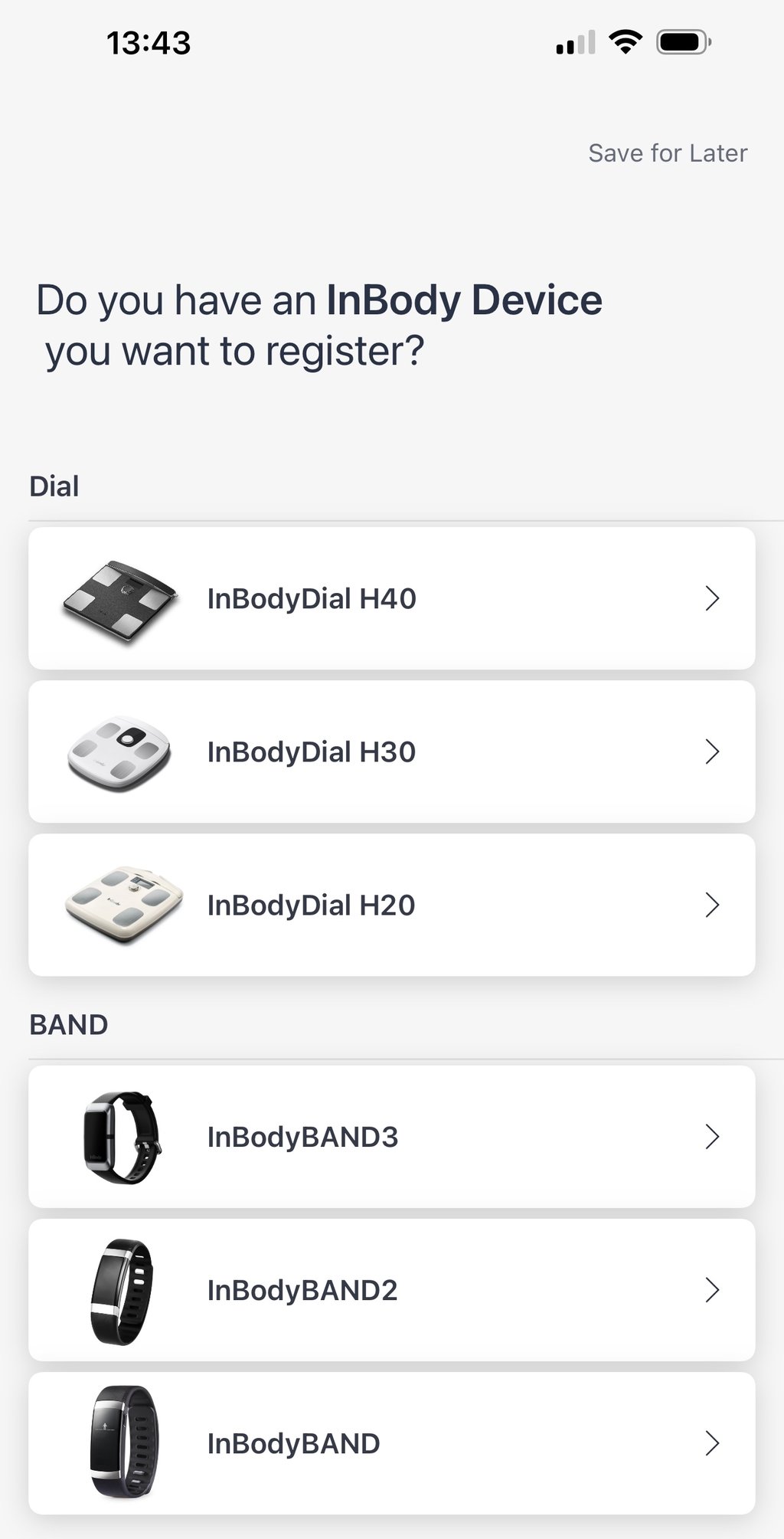
InBody’s app presents a lot of data, but it mostly focuses on body measurements rather than insights or guidance. On the main dashboard, you’ll find all key metrics, including your weight, body fat, and muscle mass, BMI, and body water. You can also clearly see your body’s segmental analysis of your legs, arms, and torso. We also liked that it clearly counts your steps, tracks your sleep and activity, and does so without the need for any other apps. However, if you already use other apps, InBody supports integration with Health Connect, Apple Health, and Samsung Health.
While all the important metrics are in the app, we found it a bit overwhelming, especially when looking at charts. It would be beneficial for the app to include more guidance and explanations, rather than just raw data.
Withings app, on the other hand, feels more polished, modern, and guidance-oriented. Just like InBody, it clearly presents the most important metrics, including your weight, changes in muscle mass, and body temperature. There is also Health Improvement Score, which we believe will motivate you to further improve your well-being. You also get personalized insights about your data. To combine all your well-being metrics into one, Withings supports integration with Apple Health, Health Connect, Strava, Garmin, and MyFitnessPal.
- Winner: Withings
Price and value
Both smart scales are quite expensive, so if you’re looking for something more budget-friendly, you should consider other gadgets.
You can get Withings Body Scan for an upfront price of $499.95. While this is a bit expensive, we believe that it’s definitely worth it. It looks and feels like an advanced at-home device. Besides, it comes with many metrics, offers insights into nerve health, and focuses more on your well-being and guidance. You can track all your body composition data using its free companion app. However, if you want to try everything that Withings offers, like Cardio Check-Up, you will need to get a premium app subscription.
InBody Dial H30 is a bit cheaper than Withings Body Scan, currently costing $379.00. The app that comes with it is completely free, granting you access to all key metrics, segmental body composition data, and various charts to track your progress. Although we believe it’s best suited for your main focus to be losing, maintaining, or gaining weight, as well as achieving better fitness results.
- Winner: Withings
Verdict: Which should you choose?
After carefully testing Withings Body Scan and InBody Dial H30 for several weeks, we consider both to be solid choices if you’re interested in a smart scale. Which one to choose basically depends on your preferences.
Choose InBody if:
You’re mostly interested in tracking your body composition and any changes in your weight. It’s also an excellent choice for those who want to reach their fitness goals. We believe that InBody Dial H30 is a solid device if you only want to see your body composition data and track your progress.
Choose Withings Body Scan if:
You’re looking for a premium device with a modern design that tracks all key metrics. It’s suitable not only for weight loss or fitness but also for improving general well-being. If you’re looking for personalized insights and guidance rather than only data, Withings is the better option for you.
Overall, we found that Withings Body Scan won over InBody Dial H30. Withings is a perfect choice for multiple use cases, whether you’re interested in fitness, weight, or overall well-being enhancements. Besides, it focuses more on guiding and providing observations alongside your body composition data.
References
- JMIR mHealth and uHealth. Accuracy of Smart Scales on Weight and Body Composition: Observational Study
- Journal of Translational Medicine. High-standard predictive equations for estimating body composition using bioelectrical impedance analysis: a systematic review