Hume Body Pod vs. Renpho MorphoScan: Which body-composition tracker should you buy?

Deeper insights vs. budget-friendliness—we tested both to help you choose the best
Modern body composition trackers offer much more than just weight measurements. While most of them may help track your progress over time, the real question is whether all that additional data is actually useful, or just clever marketing?
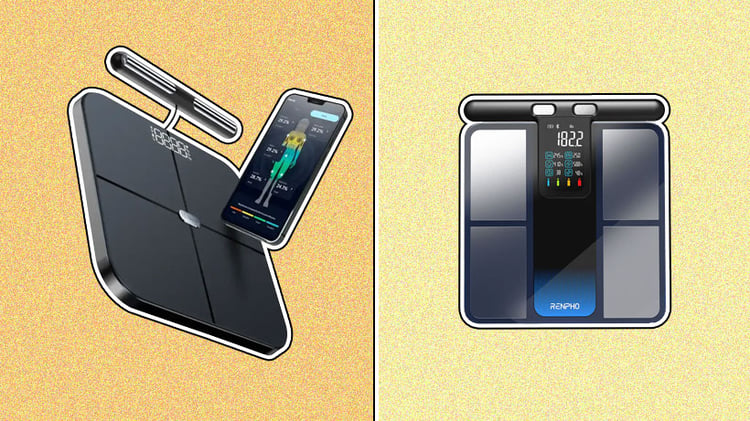
Hume Body Pod and Renpho MorphoScan are two popular smart scales; however, their approaches to body composition tracking differ. While Hume Body Pod is a premium wellness platform with advanced body analysis and personalized insights via a companion app, Renpho MorphoScan focuses on essential body composition metrics at a more budget-friendly price.
During our research, we found that Hume Body Pod may be better suited to users who want guidance and personalized insights. At the same time, Renpho MorphoScan is likely to expand its fan base with its affordable price and more straightforward approach.
In this comparison, we’ll take a closer look at what each smart scale offers, which features may be most useful to you, and whether price is truly the deciding factor.
But, before digging deep into the details, here’s how the two smart scales compare on paper:
| Feature | Hume Body Pod | Renpho MorphoScan |
| Price | $183.04 | $149.99 |
| Metrics tracked | 45+ | 50+ |
| BIA technology | Multi-frequency, 8-electrode segmental analysis | Multi-frequency, 8-electrode segmental analysis |
| App support | iOS, Android | iOS, Android |
| Subscription required | No (optional Hume+) | No (optional Renpho Premium) |
| User profiles | Multiple users | Multiple users |
| Connectivity | Bluetooth | Bluetooth, Wi-Fi |
| Weight capacity | 440lbs/200kg | 400lbs/180kg |
| Warranty | 1 year | 18 months |
| Official website | Visit Hume Body Pod | Visit Renpho MorphoScan |
Design and everyday use
Compared with the other smart scales we tested at Wareable, both Hume Body Pod and Renpho MorphoScan look much more sophisticated than an average smart scale. Both use a retractable handle system in addition to a traditional scale platform, allowing measurements of the upper and lower body rather than relying solely on foot sensors—a sign of possibly better accuracy, but more on that later.
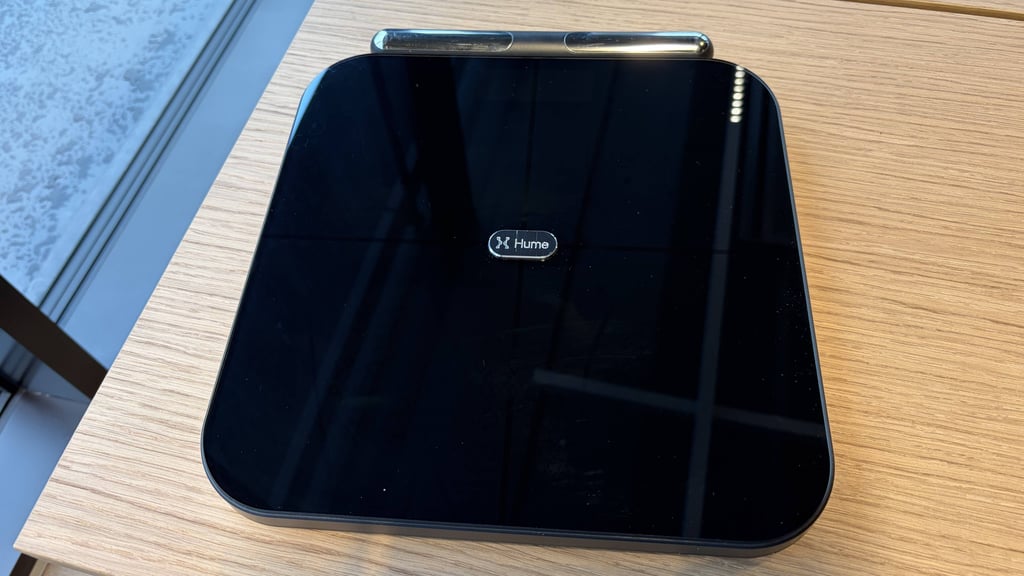
In everyday use, however, the body composition trackers feel different. From what we can tell, Hume Body Pod leans more toward a wellness device. To begin using it, you are prompted to create a fairly thorough profile, set your wellness goals, and complete an onboarding process in the Hume Health app before you begin tracking.
While the whole experience felt very polished and beginner-friendly, we noticed it also took some time. If you’re anxious to get on and get started, Hume Body Pod may force you to slow down a bit initially.
Meanwhile, Renpho MorphoScan takes things down the fast lane with quick setup, instant measurements, and app data surfacing without much ado. This refreshingly simple approach would appeal to those who just want a measurement and be done with it. However, users who want deeper insights and more coaching may find Renpho a bit cold and utilitarian.
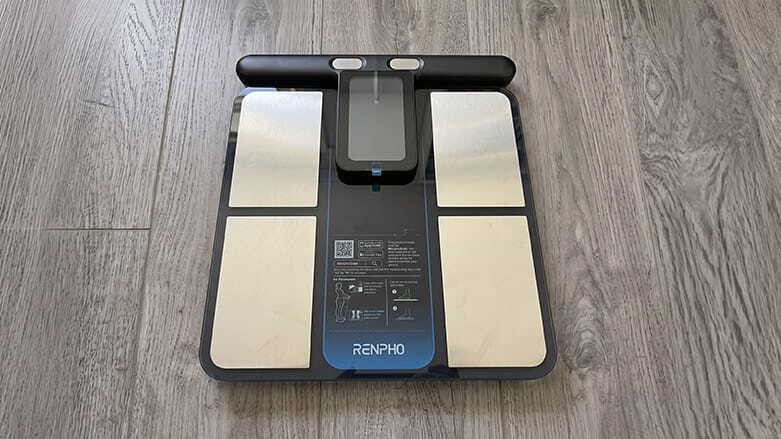
We liked that multiple users can use both smart scales at the same time, and that automatic syncing of measurements to individual profiles makes it easy to manage. Both devices have larger-than-average displays, which made daily weigh-ins easier by reducing the need to open the companion app immediately after every reading.
However, Hume Body Pod still showed a slight advantage, with an overall more premium feel, thanks to its synergy with the broader Hume wellness ecosystem. That said, Renpho didn’t disappoint either, focusing on speed and convenience.
Winner: Hume Body Pod
Body composition tracking features
Hume Body Pod and Renpho MorphoScan can track much more than just body weight and BMI. Some of the key metrics these smart scales measure include:
- Body fat percentage
- Muscle mass
- Hydration levels
- Lean body mass
- Estimated bone mass (an approximation of the mineral content and weight of your bones)
- Additional wellness indicators such as visceral fat, metabolic age, protein percentage, subcutaneous fat, and skeletal muscle estimates
We were also impressed that both scales, despite the significant price difference, use handle-based measurements. Such measurements provide segmental body analysis, allowing users to see estimates for different body areas rather than whole-body calculations alone.
From our experience, the depth of information these scales provide may already be more than most users realistically track and check every day. And if your goals are general weight management or keeping an eye on long-term wellness trends, either scale can provide plenty of data.
That said, data alone may not always be enough, and that’s where Hume Body Pod sets itself apart. This scale—or, rather, wellness platform, when combined with the Hume Health app—attempts to connect measurements to broader wellness trends, providing much deeper insights into the process.
For example, the Hume app highlights relationships between different metrics and provides more context around changes over time. If you want to upgrade your subscription, you may benefit from additional coaching reports, health scores, and personalized recommendations. We found this particularly useful for users interested in more complex goals, such as:
- Body recomposition
- Training progress
- Building sustainable health habits
And while no consumer smart scale can realistically fully explain what's happening inside the body, Hume does a better job of helping users interpret long-term trends.
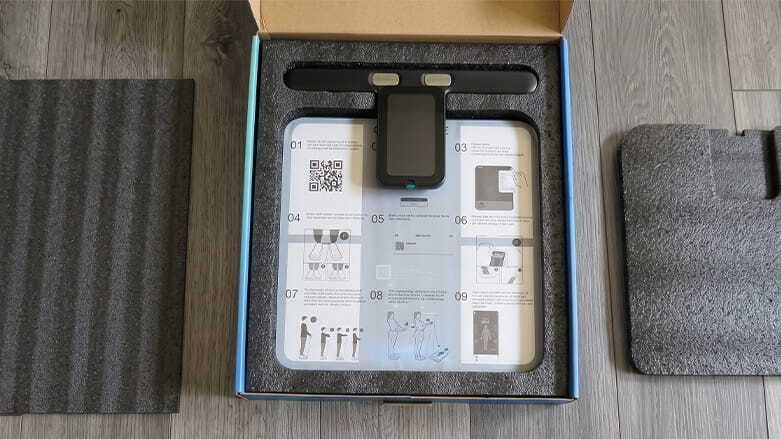
Meanwhile, Renpho MorpScan focuses on delivering large amounts of information as quickly as possible, with as little fuss as possible. Its strengths lie in tracking an impressive number of body metrics (last time we checked, more than 50) and in presenting the vast amount of data pretty clearly in the app. Additionally, some users may appreciate its more data-driven experience, especially those who enjoy analyzing charts and measurements themselves.
To us, the Hume platform felt more proactive, while Renpho felt more analytical. As far as we can tell, neither approach is inherently better; however, Hume’s focus on insights and guidance may create a more well-rounded experience for those who want consistent engagement rather than just occasional weigh-ins.
Winner: Hume Body Pod
Accuracy and measurement technology
Accuracy is the most difficult category for us to evaluate when testing body composition trackers. That’s mostly because most at-home smart scales use similar technology, yet none are as precise as professional measurements.
Both the Hume Body Pod and Renpho MorphoScan use bioelectrical impedance analysis (BIA) and eight electrodes to estimate body composition. Compared to more common four-electrode scales, this approach may allow for more comprehensive body measurements as signals travel through both the upper and lower body.
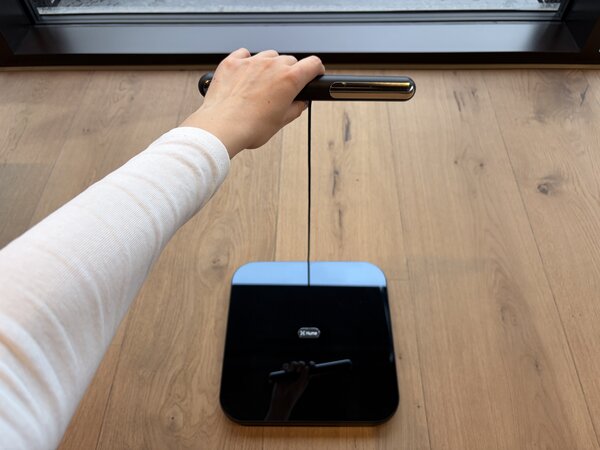
As briefly mentioned before, you must remember that all at-home smart scales are not exactly precise and mostly rely on estimations. Factors such as hydration levels, meal timing, exercise, and even sleep and time of day can influence readings and data outcomes. None of such devices should be regarded as replacements for laboratory methods, such as DEXA scans.
Our honest takeaway from testing various smart scales, including these two, is that consistency often matters more than pure numbers. And, if a scale produces stable measurements under similar conditions, it can become a valuable tool for tracking long-term trends even though individual readings may not be completely accurate.
So, Hume Body Pod focuses on measurement technology and segmental analysis. At the same time, the company claims its multi-frequency system was specifically designed to improve overall body composition estimation, with much of its marketing focused on accuracy.
Renpho MorphoScan performs quite similarly in everyday use. The technology stacks are easily comparable, and both devices deliver fairly detailed body composition reports. We didn’t see a dramatic difference in accuracy between the two.
Winner: Tie
App experience and insights
Some users might find that the app experience is probably more important than the scale itself, because that’s where you may spend most of your time. And, coincidentally, this is the part where Hume and Renpho’s approach differs the most.
Hume’s ecosystem is built mostly around coaching and data interpretation. So, instead of simply presenting your measurements, the app also attempts to actually explain them.
We found the trend graphs easy to understand, with all the reports well-designed and visually polished. Hume Health app also has a paid tier, called Hume+. The subscription, priced at $9.99/month, unlocks additional health reports, coaching features, recommendations, and even some wellness insights.
Users who prefer structured guidance may find the Hume Body Pod and its synergy with the app more to their liking.
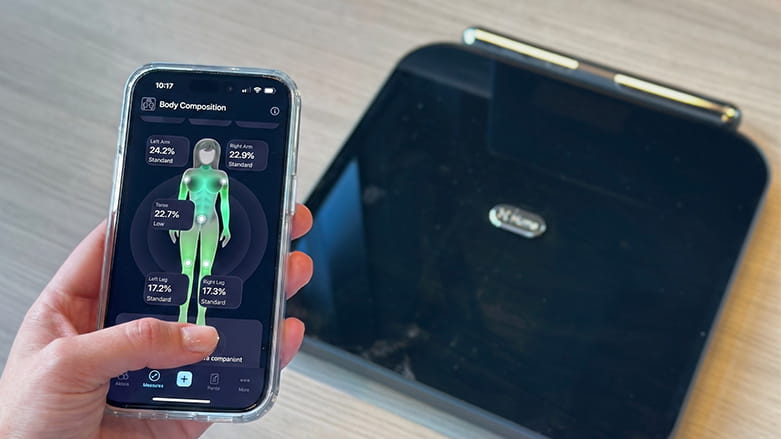
Meanwhile, Renpho takes a more traditional approach with clear data organization, easy-to-review measurements, and a platform that integrates well with Apple Health and Google Fit.
Overall, the focus here is on data collection and presentation rather than active user coaching. And, if you already track nutrition, training, or wellness through other apps, Renpho’s simplicity may be all you actually need.
That said, you can always opt for a Renpho Premium subscription for $6/month, which will expand your data pool with additional measurements.
Ultimately, even though both platforms support long-term tracking, multiple users, and integration with popular wellness ecosystems, the difference comes down to philosophy.
Both also reserve certain premium features behind optional subscriptions, but Renpho gives you data, and Hume gives you data and context. Those additional insights may justify the higher price to many users.
Winner: Hume Body Pod
Subscription costs and value
One thing we appreciated—and are quite sure you will, too—is that neither device becomes useless without a subscription. The free versions of both apps do not lock away core measurements, historical tracking, and basic trend analysis, so you can still use them for basic progress tracking without spending additional money on subscriptions.
However, both Hume Body Pods and Renpho MorphoScan offer optional paid app memberships that add extra functionality. For example, Hume+ unlocks AI-powered wellness insights, personalized health trend reports, wellness scores, coaching-style recommendations, and deeper trend analysis beyond the metrics available in the free app version.
Renpho Premium adds more advanced body composition reports, extensive analytics, personalized fitness and nutrition guidance, wellness assessments, and additional in-app tools for progress tracking.
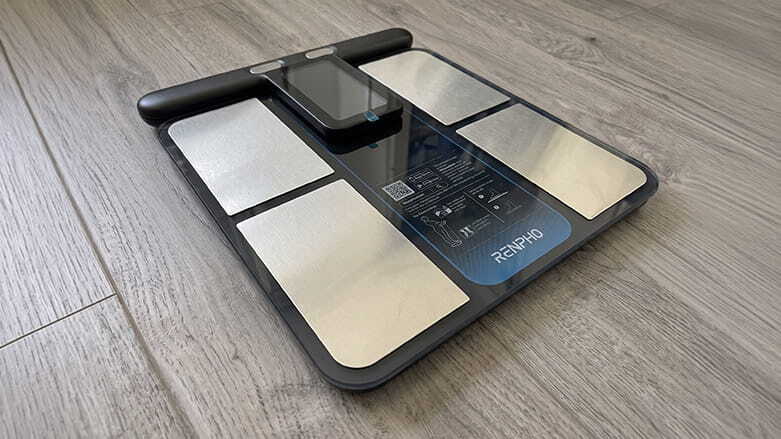
And while the exact feature sets may evolve further, currently, both apps are designed to provide additional interpretation and coaching-style advice rather than restricting access to essential measurements and long-term progress tracking.
From a long-term ownership cost perspective, Renpho is the cheaper choice, both in the initial purchase cost and the price of the optional subscription. Meanwhile, Hume is more expensive both initially and later on. That said, it still delivers a noticeably richer software experience, which, yet again, may be well worth it if you’re interested in a more engaging and well-rounded body-composition-tracking experience.
Winner: Hume Body Pod
Price and availability
Currently, Hume Body Pod is priced at $183.04 and available to purchase on Hume’s official website. Don’t forget that Hume often does various promotions and discounts, so coming back to the site might land you a great deal. The brand also offers a 1-year warranty for the Body Pod, and you can purchase a lifetime warranty for an additional fee. The brand ships to multiple countries at reasonable prices.
Renpho MorphoScan is now discounted to $149.99, making it the more budget-friendly choice of the two. You can get the MorphoScan scale from the official website or through major retailers. The latter part might make it easier for you to find an even better deal.
The lower price gives Renpho a clear edge if you’re looking for a more affordable smart scale. That said, Hume’s higher price can be easily justified with the additional app features and a more immersive overall experience.
Winner: Renpho MorphoScan
User feedback and reputation
To make this Hume Body Pod vs. Renpho MorphoScan comparison truly well-rounded, we also looked at product reviews on sites like Amazon and Reddit, as well as Google ratings. And, unsurprisingly, the feedback for both devices followed a fairly predictable pattern.
On the sites and the threads that we read, Renpho MorphoScan receives consistent praise for its ease of use, straightforward setup, and good overall value. Most Renpho users appreciate how quickly measurements sync and how easy the platform is to use, even for first-time smart scale buyers. However, we also found that some users report occasional connectivity issues and have encountered seemingly inexplicable fluctuations in body composition readings.
As we expected, Hume users tend to focus more on the app experience and the coaching-style tools it offers. Many like the detailed reports, thorough trend analysis, and the broader wellness ecosystem. That said, some reviews criticize higher subscription costs and the quality of customer support. Meanwhile, community chats on Reddit also debate whether advanced metrics are always as important as more to-the-point approaches.
As you can see, neither scale is universally loved or hated, and that’s pretty common with at-home body composition tracking and wellness devices as a whole. So, if the reviews don't help you decide, remember that Hume offers a more engaging experience with in-depth insights, while Renpho is a bit more stoic with a data-first approach. And both have their own fan base.
Winner: Tie
Verdict: Which should you choose?
Both Hume Body Pod and Renpho MorphoScan are good at what they do—helping users track body composition estimates over time—but they’re simply better suited to different types of users.
- Choose Hume Body Pod if you want detailed body composition estimation, more engaging trend reporting, coaching-style tools, wellness insights, and an app experience that helps interpret your data rather than simply displaying it.
- Choose Renpho MorphoScan if you want thorough body composition tracking, segmental analysis, and a lower purchase price without sacrificing core smart-scale functionality.
Our bottom line:
Renpho MorphoScan offers great value, especially for budget-conscious buyers. And while both scales do what they promise in tracking body composition and trends over time, Hume Body Pod also helps you interpret the data and identify correlations between different metrics. So, we think Hume’s approach with more in-depth insights may make it a better option for most wellness-conscious people who do not mind the slightly steeper price.
-
Clinical Nutrition.
Bioelectrical impedance analysis—part I: review of principles and methods
-
Clinical Nutrition.
Bioelectrical impedance analysis—part II: utilization in clinical practice
-
National Institutes of Health.
Body composition tools for assessment of adult malnutrition at the bedside
-
Clinical Nutrition.
Accuracy of direct segmental multi-frequency bioimpedance analysis in the assessment of total body and segmental body composition in middle-aged adults
-
Hume Health.
Product documentation and official specifications
-
Renpho MorphoScan.
Product documentation and official specifications