How to use red light therapy safely at home? My beginner-friendly guide


Have you been noticing red light therapy (RLT) everywhere lately? From celebrities' Instagram stories to supermarket shelves, these devices are flooding the market, promising benefits that can sound too good to be true.
But what can these devices truly do, and how to use red light therapy? Simply put, it’s a method that uses low-level wavelengths of red and infrared light to penetrate the skin, potentially delivering benefits for skin, scalp, muscles, and joints.
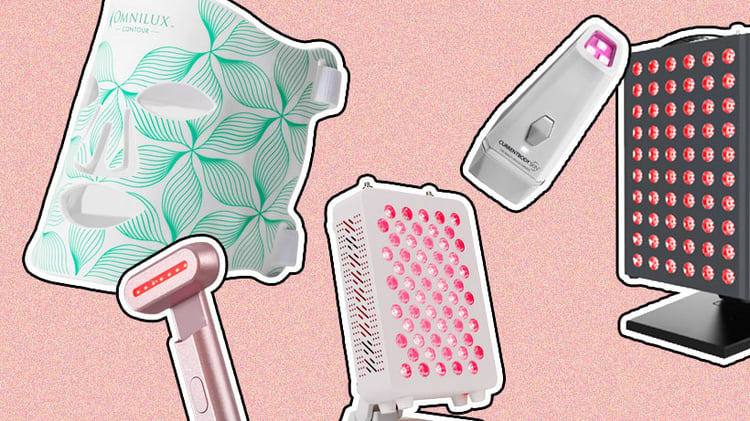
Now, red light therapy has gone completely mainstream. Consumer-focused brands are constantly putting out new devices—masks, wraps, caps, panels, and more—that bring this health tech directly to your home.
In this beginner’s guide, I’ve compiled the essential knowledge you should read through before purchasing your first red light therapy device. I cover what red light therapy is, its potential benefits according to science, the type of devices available, and how to use them safely at home.
First things first—what is red light therapy?
Before you invest in a device, you should fully understand how red light therapy actually works.
Red light therapy is a form of photobiomodulation (PBM), during which your cells are exposed to specific low-level wavelengths. The goal is to trigger beneficial biological processes and energize your cells in ways that may support your health.
Most red light therapy devices use wavelengths in the red (630–660nm) and near-infrared (810–850nm) spectrum. This combination matters because different wavelengths penetrate different depths of tissue. Red light is thought to work more on your skin’s surface, whereas near-infrared (NIR) may reach deeper tissues, potentially targeting muscles, joints, and possibly even bones.
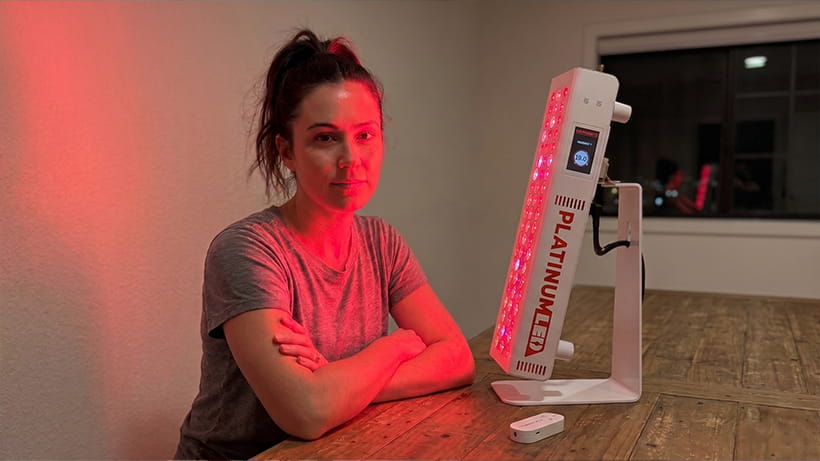
In the consumer market, you’ll sometimes see devices labeled “red light therapy” that also include blue, yellow, or green wavelengths. These colors do have some studies on them and may be just as potentially beneficial, but they typically target different concerns.
What other variables matter?
While wavelengths define red light therapy, they don’t tell the whole story. Whether a device may deliver results depends on other three variables too: how intense the light is, how long you use it, and how close you hold it to your body.
For at-home devices, safe irradiance (light intensity) ranges between 20–60mW/cm². Your total dose—the amount of energy tissues are likely to receive per session—also matters, yet studies haven’t come up with a conclusive range. Still, keep in mind that lower doses may be safer, especially when used on face.
What happens during red light therapy?
When you use red light therapy, the specific wavelengths are supposed to penetrate your skin and reach deeper tissues. Research proposes, upon entering your body, the light is absorbed by a specific protein in your cells’ energy-producing structures, potentially triggering a chain reaction that may help your cells produce more energy.
Your cells may use this extra energy, alongside other proposed actions of RLT, to synthesize collagen and elastin—the proteins responsible for keeping your skin firm and smooth. Studies show that red and near-infrared LED therapy may increase both of these proteins’s production.
Red light therapy also may help your body to manage oxidative stress, that way potentially minimizing cellular damage. Beyond that, early investigations suggest possible improvements in blood circulation and potential reduction in inflammation, which both are major factors if you’re dealing with muscle or joint discomfort.
Potential benefits: What does current research say?
Red light therapy is studied for many health and wellness applications. However, the strength of evidence varies depending on the area, and results are often inconsistent.
Because of this, I’d recommend viewing red light therapy as a complementary tool—not a primary treatment. Remember to always consult your healthcare provider before adding red light therapy to your routine, especially if you have existing health concerns.
Skin appearance support
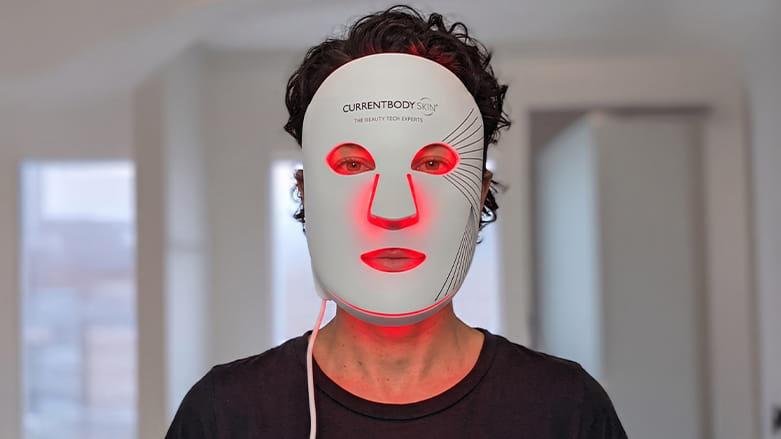
Currently, red light therapy has the strongest evidence for skin health and appearance. While it’s not an official treatment for skin conditions and diseases, at-home red light therapy masks are widely accepted as a general skincare tool.
- Read our review on the best red light therapy devices for skin in 2026
Red light therapy is thought to help improve skin texture, uneven tone, and appearance of wrinkles. I found a clinical trial, where participants experienced significant improvement in skin complexion, reduced roughness, less visible fine lines, and general feeling of healthier skin over several weeks of consistent sessions.
At-home devices deliver relatively low doses of power, making them safe for most skin types. That said, talk to a dermatologist or healthcare provider before buying, especially if you have a darker skin tone, sensitive skin, active acne, psoriasis, or other skin conditions.
Muscle and joint discomfort management
Evidence for muscle and joint pain is more limited than skin health support, but it’s growing. Some studies suggest red light therapy may help reduce inflammation and accelerate tissue healing, particularly when combined with exercise. In simple terms, it may help ease discomfort and possibly improve function in people with conditions like knee osteoarthritis.
- Check out the best red light therapy devices for knee pain
Scientists also point to potential benefits for tendon injuries, such as tendinitis, though these areas need more clinical trials.
Overall, if you’re considering red light therapy for joint or muscle pain management, get a proper diagnosis from your doctor first. You can use it alongside prescribed treatment and exercise, just not instead of them.
Potential wound healing support
As red light therapy shows potential anti-inflammatory effects and support for blood flow, emerging evidence suggests it may have a positive impact on wound healing, particularly for people with diabetes. Of course, such effects only show up when red light therapy is used together with standard wound care.
While early evidence seems promising, this remains an area with limited clinical data. You shouldn't use consumer red light therapy devices on open wounds, as such procedures can only be done in clinics with professional supervision.
Boost for hair growth
Support for hair regrowth is another red light therapy aspect that’s relatively well researched. Multiple reviews demonstrate that in certain cases, this technology may help improve hair density and count. While the exact mechanisms aren’t fully understood, it’s been proposed that red light therapy potentially stimulates hair follicles to re-enter the growth phase of the cycle.
You’ll find that most promising results may show up for pattern hair loss (androgenetic alopecia), which is the most common cause of hair thinning for all genders. Still, hair loss can have many causes, so it’s important you first get a diagnosis from a healthcare professional before purchasing a red light therapy device.
Red light therapy devices: Types for at-home use
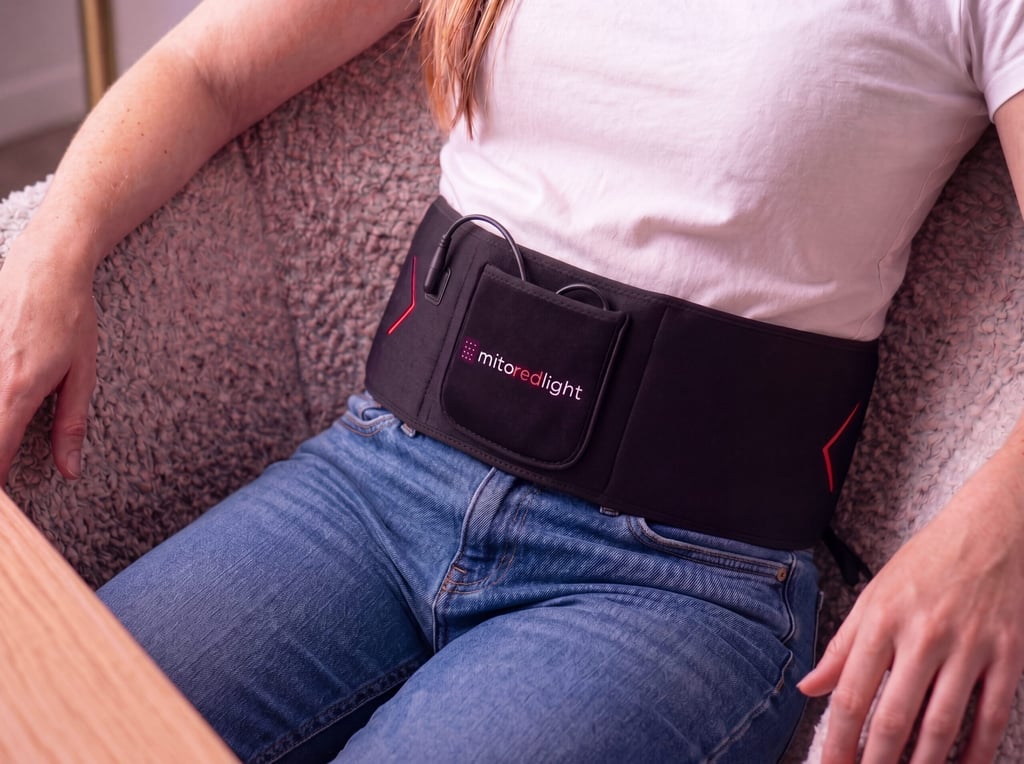
Another aspect to ask yourself before purchasing a red light therapy device is what you want to achieve. Different products are designed for different goals, so clearing your intent will help you narrow down your options.
- For your face. Full-face masks, handheld wands, eye masks, and under-eye patches target facial skin. They’re designed to potentially help with wrinkles, fine lines, texture, and uneven skin tone.
- For your whole body. Larger panels and red light therapy blankets can cover more areas at once. They’re meant to support general well-being, may ease muscle soreness, and improve skin appearance across the body.
- For specific body areas. Wraps, knee braces, belts, and pads usually target localized body areas. These may be worth considering as an adjunct wellness routine if you’re dealing with muscle or joint discomfort.
- For your scalp. Red light therapy caps and helmets fit on your head and are marketed for potential scalp health and hair regrowth support.
- For your gums. Red light toothbrushes, mouth guards, and gum wands are used inside your mouth aiming to reduce gum inflammation. Note that these devices don’t replace an actual dental care routine or professional care.
How to use red light therapy at home
Using red light therapy at home depends on your device, especially session length and frequency. Yet, there are some general guidelines that work across most types.
Step 1: Choose the right device for your goal
As we discussed in a previous section, start by clarifying what you want to achieve. Once you know your goal, research popular devices designed for that purpose: read reviews, watch videos, and check the specs. I’d recommend looking for FDA clearance or independent testing if available, since you’ll be using the device long-term.
Extra step for safety
Discuss red light therapy with your healthcare provider, especially if you have any underlying health conditions, take medications, use treatments, or have other concerns. While red light therapy is thought to be safe for most people, this additional step may ensure it won’t interfere with your wellbeing.
Step 2: Set a consistent routine
With red light therapy—consistency matters. Most research supports 3–5 sessions per week for best potential results, though more evidence is needed for how long and how often RLT should be applied. Session length varies by many factors, including device, power, and distance from the skin.
For example, red light therapy masks like Omnilux Contour and CurrentBody Series 2 take 10 minutes per session. Meanwhile most panels take longer, around 30-minute sessions. Your doctor can help you figure out your personalized routine.
Step 3: Position the device
Place or wear the device close to the targeted area, the distance depends on your device type. To prepare for a session, make sure your skin is clean and dry, check for any wounds, or irritation.
I also suggest wearing eye protection, especially when using facial masks and panels. Just note that not every brand includes those in the package, so you might have to buy them separately.
Step 4: Track your progress
Track your progress through photos or notes. Potential results are more gradual and modest, so it’s good to document any changes.
Usually, brands quote 4–12 weeks of use before seeing any result, and long-term maintenance may be necessary after that period. More research is needed to help us know how long RLT should ideally be used for each concern.
At-home vs. in-clinic red light therapy
Red light therapy isn’t just a consumer trend—dermatologists also use it professionally. In-clinic sessions typically target skin concerns like wrinkles, texture, and dark spots.
Professional red light therapy devices are significantly more powerful than home versions, and sessions can be customized to your individual skin type. It can also be combined with other options like topical medications or additional therapies.
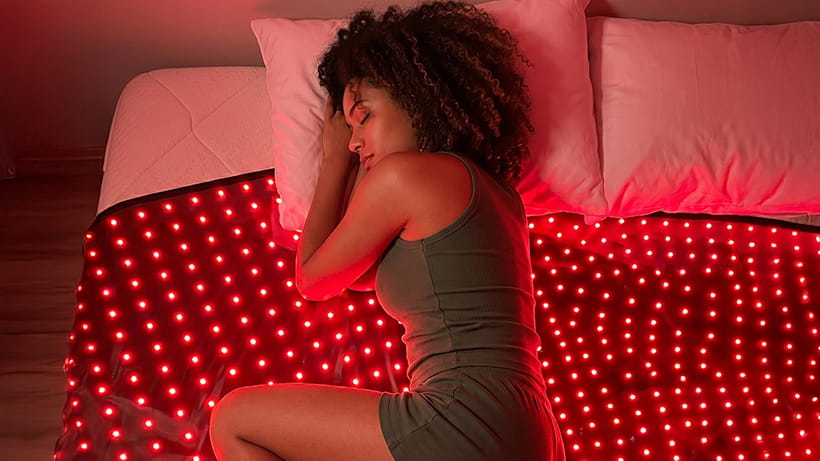
At-home devices are less powerful and less customizable. Most consumer devices aren’t formally evaluated by regulatory bodies, with only a small number holding FDA clearance.
On the other hand, some dermatologists may recommend combining both approaches: start with professional treatments for potentially faster initial results, then maintain the changes with at-home devices over time.
Overall, at-home red light therapy might work best for maintenance and mild concerns, while in-clinic treatments may address bigger issues. If an in-clinic session isn’t an option for you, it’s all good to stick with at-home devices from the start.
Safety tips
Currently, red light therapy is considered safe for home use in the short run, while the research on its potential effects in the long term is still lacking. It’s typical to notice mild redness, skin sensitivity, or slight irritation after your first few sessions, but if the symptoms persist, seek professional medical advice.
That said, certain groups should avoid these devices due to insufficient evidence about effects or higher risk of problems. If you experience excessive heat, itching, or any other concerning reaction during a session—stop immediately and contact your healthcare provider.
To minimize the risks associated with at-home red light therapy, I encourage discussing it with your doctor and carefully following the manufacturer’s instructions.
Who should avoid it
You should skip red light therapy if you:
- Are pregnant or breastfeeding
- Take light-sensitive medications or have photosensitivity conditions
- Have active cancer or a history of it
- Are dealing with active thyroid conditions
- Are prone to epilepsy or have seizure disorders
- Currently have open wounds or skin infections
Your doctor can help you figure out whether red light therapy is safe and appropriate in your individual case.
What is photosensitivity?
Photosensitivity means your skin reacts abnormally to light. While UV rays cause most reactions, red and near-infrared light may also trigger problems in some people. Certain medications, health conditions, and individual circumstances might make you more reactive during red light therapy sessions, increasing your risk of potential side effects.
Relatively common medications that are likely to increase light sensitivity include some antibiotics, antidepressants, retinoids, heart medications, and pain relievers. You should always check contraindications listed on your device manufacturer’s website for full information.
How to use red light therapy: FAQ
Maybe, but there’s still not enough research that would allow us to know that. Session frequency depends on your device, so you should always follow the manufacturer’s instructions and your doctor’s guidance. That said, most often 3–5 sessions per week are recommended by brands for best potential outcomes.
Red light therapy is considered generally safe in the short term and shouldn’t cause permanent skin damage. However, some people might be at a higher risk, so ask your healthcare provider if it’s safe for you.
There’s no clear consensus yet, so it’s best to be cautious. Avoid staring directly into a turned on device, and consider wearing eye protection during sessions with face masks or panels.
It depends on your goal and schedule. There isn’t one particular best time—users claim morning sessions may boost energy, while evening sessions tend to support relaxation.
Yes. Combining red light therapy with serums and moisturizers might enhance the experience, potentially improve absorption, and possibly support a healthy skin barrier.
-
Lasers in Medical Science.
-
Cureus
-
International Journal of Molecular Sciences.
-
International Journal of Molecular Sciences.
-
International Journal of Cosmetic Science.
-
Photomedicine and Laser Surgery.
-
BMC Sports Science, Medicine & Rehabilitation.
-
Seminars in Plastic Surgery.
-
Laser in Surgery and Medicine.
-
Journal of the German Society of Dermatology.