FliKEZE red light mask review: Is this budget LED mask worth it?


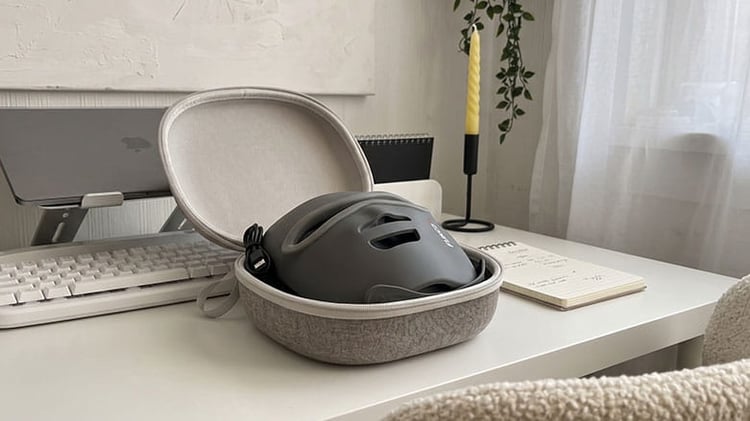
- Affordable entry point for red light therapy
- Comfortable silicone design is easy to wear regularly
- Multiple wavelengths add flexibility
- USB-C rechargeable and simple to use at home
- Build quality feels budget, not premium
- No clear device-specific clinical backing
LED skincare has quickly become a frustrating place to shop. The best-known masks from brands like Omnilux and CurrentBody cost a lot, while cheaper Amazon and DTC alternatives promise similar results for far less. That gap is exactly what made me test and write this FliKEZE red light mask review in the first place. Budget LED masks are everywhere now, but the real question is whether they can do more than look convincing on paper.
| Product | FliKEZE PhotonMask Quint |
| Price | $159.99 on the official store, down from $299.99 |
| Best for | Budget-conscious buyers who want an at-home LED mask with multiple light modes |
| Key specs | 92 gold-wired bulbs 4 treatment modes 12-month warranty (24 months claimed on the user manual) Session time: 10–15 minutes 14-day return window |
FliKEZE sits firmly in the value end of the market, positioned as a more affordable alternative to the premium names people usually trust. In my hands-on testing, I wanted to see whether that lower price came with real compromises or whether it still earned its place in a routine. In this review, I look at comfort, usability, real-world results, and whether the savings actually justify choosing it over more established masks.
How the FliKEZE mask works
The FliKEZE mask belongs to the at-home LED light therapy category, meaning it’s designed to sit on your face and deliver light to the skin in short, repeatable sessions. In practice, that puts it in the same broad group as better-known LED masks aimed at concerns like dullness, fine lines, and uneven skin tone. Red light is the main feature here, and that’s the setting most people buy this kind of mask for because it’s the one typically linked with calm, healthy-looking skin and long-term maintenance.
Blue light is usually marketed for blemish-prone skin, but on budget masks like this, extra color modes can feel more like a spec-sheet bonus than a truly essential upgrade. I think the real value comes from whether the mask is comfortable enough to use on a regular basis, because consistency and feel matter more than a long list of light options. If the fit is awkward or the light output feels uneven, those extra modes matter a lot less in real life.
Price and value
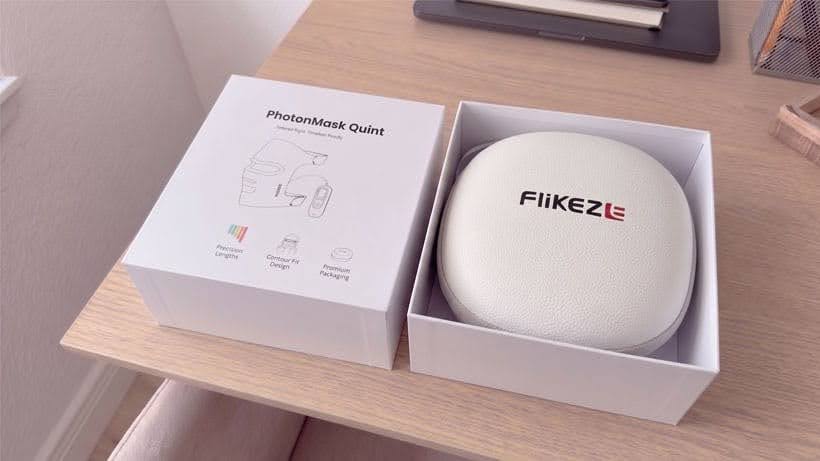
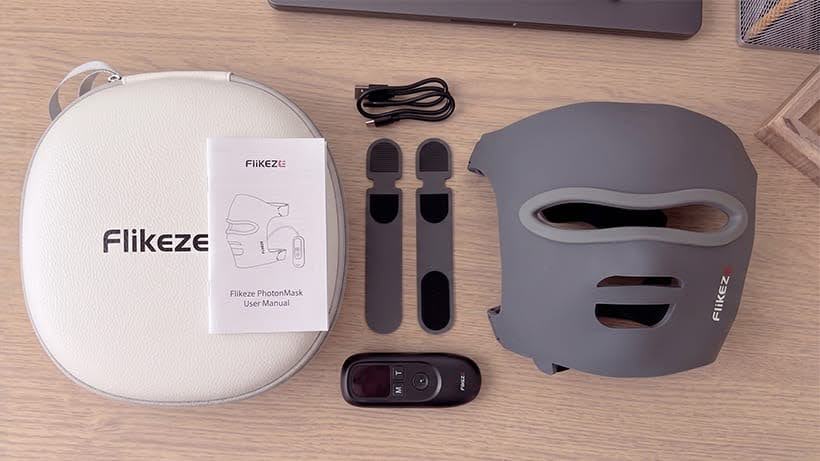
The FliKEZE mask sits at the lower end of the LED mask market. FliKEZE’s PhotonMask Quint is listed at $159.99 on the official store, while some retailers have it at a higher price. The mask comes with a USB-C charging cable, a carrying case, and adjustable straps, so you’re not paying extra for the basics. Availability is pretty broad, with sales through FliKEZE directly and selected third-party retailers.
The website claims a 12-month warranty protection, but the official product manual states a 2-year warranty, which is stronger than I expected at this price. Comparing against premium masks like Omnilux and CurrentBody, FliKEZE is clearly cheaper, but those models have stronger reputations and more established testing history. My take is that the value is good if you want a budget entry point, but it makes the most sense if you’re comfortable trading away premium polish and proven performance.
Design and comfort
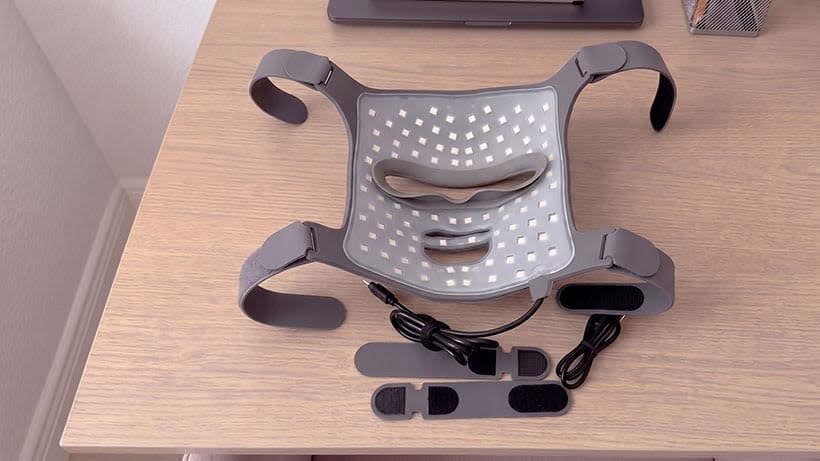
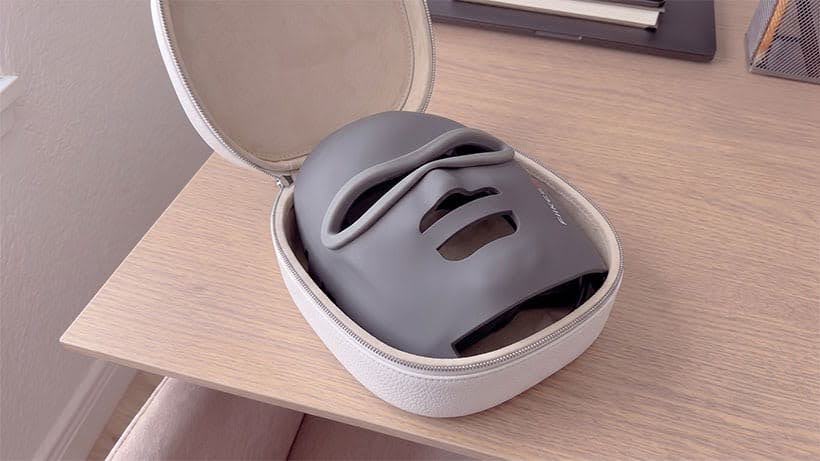
From the moment you pick it up, you can feel that the FliKEZE mask is a budget product. Although the silicone-like shell is soft enough against the skin, the overall finish is simpler and less sophisticated than what I’ve experienced with premium masks like Omnilux or CurrentBody. It’s light, which helps during 10 to 15-minute sessions, but the straps and fit don’t feel as firm, so I would notice the mask more while wearing it.
In everyday use, it’s comfortable enough to sit through a session, but I wouldn’t call it especially secure or refined. That means it’s fine if you want to sit still and relax, but it’s not the kind of mask I’d trust for moving around the house or multitasking without adjusting it. The shape does the job, but the build quality and durability feel more “good enough” than long-term premium.
Features and usability
The FliKEZE PhotonMask Quint is built around one main idea: make LED therapy easy enough that you’ll actually use it consistently. Sessions are short, which I think is the right approach for a device like this. That’s because the biggest challenge with any light mask is sticking with the routine rather than chasing the most intense setting. Here’s what I saw with the FliKEZE mask in practice:
- The controls felt simple and easy to understand, so you are not wasting time figuring out menus before each session.
- The brightness settings give you a little flexibility, but this is still a straightforward mask rather than a heavily customizable one.
- Charging is uncomplicated, and the wireless design makes the whole experience less fussy than plugging in a device every time you want to use it.
- Battery life feels adequate for regular use, and the mask is easily portable to move between rooms or tuck into a bag without much hassle.
I also found it easy to add to my regular skincare routine, which is where its appeal really stands. For me, that convenience matters more than raw intensity, because LED therapy only pays off when you keep using it repeatedly.
My experience using the FliKEZE mask
Week 1–2
In the first couple of weeks, my main impression was that the FliKEZE mask is easy to live with, which is half the battle with LED skincare. It felt light enough to wear without it feeling like a chore, yet I was skeptical at first because budget masks often look better on paper than they feel in use.
After each session, my skin didn’t look dramatically different, but it did feel calm and settled, which is usually a good sign early on. The biggest win here was habit-building—because the sessions are short and the process is simple, it proved easy to keep coming back to.
Week 3–6
By weeks three to six, I started noticing more subtle changes than dramatic ones. My skin texture looked a little smoother, and some of the dullness I usually notice in the evening seemed less obvious on regular-use days.
I wouldn’t call it an acne treatment in the way a stronger targeted device might be, but I did think my skin looked a bit more even overall. The challenge was consistency, not device performance. If I skipped sessions, the benefits felt much less noticeable.
Week 7–10+
After seven to 10 weeks and beyond, the changes still felt gradual rather than transformative. I noticed a slightly healthier glow and a better-looking surface level of hydration, especially when using the mask regularly alongside my usual routine.
That said, this is not the kind of device that delivers a dramatic before-and-after moment. The effects seemed real, but modest, and that’s exactly how I’d describe the FliKEZE experience overall.
Results and performance
The FliKEZE mask delivers the kind of results I’d expect from a budget LED device: gradual, subtle, and more about maintenance than transformation. As far as I tested and noticed, the biggest changes were in overall glow and texture. My skin seemed a little fresher on regular-use days, and there appeared to be a mild improvement in how smooth and hydrated it felt, especially when I kept up a consistent routine. I also noticed a small boost in tone, with some dullness softening over time.
What I did not see was anything dramatic. Fine lines did not suddenly disappear, and I would not buy this expecting strong wrinkle reduction or fast clinical-style results. That’s where the gap between budget masks and premium devices becomes obvious. More expensive options may feel more powerful and can potentially produce more noticeable changes sooner.
On the other hand, FliKEZE PhotonMask Quint takes a slower, gentler path. Effects depend heavily on consistency, and when I skipped sessions, the benefits were much easier to miss. And I think that’s the key point here, all in all. This device may potentially help your skin look a bit better over time, but only if you use it regularly and keep your expectations realistic.
Safety and side effects
LED masks are generally considered low-risk when used properly, and the FliKEZE mask is no different. In my view, the main safety basics still matter: don’t stare directly into the LEDs, use the mask as directed, and avoid overdoing sessions just because the device feels easy to use. If you have sensitive skin, it’s also smart to start slowly, because even gentle light therapy can sometimes cause mild redness or irritation for some users.
I didn’t notice any real overheating with the FliKEZE, but budget devices can have more inconsistency in build quality over time, so I’d be more cautious and pay closer attention to how well it’s put together and how it fits. That’s one reason I think it’s worth checking the session guidance rather than assuming more use means better results.
It’s also important to separate marketing from regulation: FDA-cleared does not mean FDA-approved, and the two are not the same. If a brand makes a clearance claim, that should relate to a specific device and use case, not a promise that the mask is clinically proven for everything it advertises. That said, FliKEZE doesn’t have a clear standpoint on whether the mask is FDA-cleared.
Other red light therapy reviews
Best red light therapy masks: Wareable guide to the best LED face masks for different budgets and skin concerns
Best red light therapy devices: Our picks of the most effective LED therapy devices for home use
Best full body red light therapy devices: Practical overview of full‑body LED panels and beds for broader light coverage
Best FDA-cleared red light therapy devices: Our look at LED devices that carry FDA‑cleared status for specific uses
Best red light therapy wands: Wareable picks for handheld LED wands for targeted skin or pain relief
Final thoughts
FliKEZE is worth buying if you want an affordable, easy-to-use red light mask and you’re realistic about what budget LED therapy can do. I think it makes the most sense for beginners, casual skincare users, and anyone who wants to test the category without paying premium prices.
Other than that, FliKEZE PhotonMask Quint does better than I expected in comfort and day-to-day usability. This matters because consistency is what makes LED therapy useful in the first place. That said, if you want faster, stronger, or more clinically convincing results, I’d skip it and look at Omnilux, CurrentBody, or another more established option. My verdict is that FliKEZE offers great value for the price, but only if you buy it for convenience and gradual improvements, not an overnight change.
-
Is red light therapy right for your skin?.
-
Photobiomodulation—Underlying Mechanism and Clinical Applications
-
A Controlled Trial to Determine the Efficacy of Red and Near-Infrared Light Treatment
-
Photodynamic therapy in the treatment of rosacea