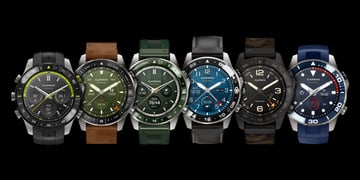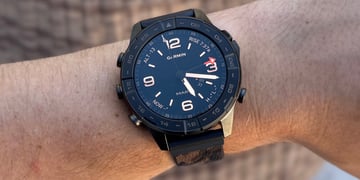
Garmin's MicroLED display push takes a pause, but helps re-unlock a slim design with smarter maps
Having had Garmin's flagship Fenix 8 Pro strapped to my wrist daily since it launched last September, today's Fenix 9 and 9 Pro announcement immediately had my full attention.
On paper, the Fenix 9 series doesn't seem like a radical reinvention. Instead, it appears that Garmin has focused on ergonomics and software speed, while also taking the opportunity to unify the standard and Pro launch cycles and drop the Pro's starting price.
Over the coming weeks, I'll put the watch's big changes—the thinner titanium case, new stamina tracking, and brighter display—through the usual testing wringer to see whether they're worth the outlay or upgrade.
In the meantime, though, there's plenty that's easy to miss on the spec sheet—and it may just tell an interesting story about where Garmin is taking the Fenix in the future.
1. MicroLED steps back, while slim is back in
What stood out immediately about the Fenix 9 announcement was the lack of MicroLED.
Along with LTE/inReach support, it was the undoubted highlight of the Fenix 8 Pro launch last year. It was a pricey, non-essential upgrade, but also the brightest, punchiest display we’d ever tested on an outdoor watch. It was the moment the long-rumored display tech had finally arrived on a 'proper' consumer-facing wearable.
We put it side by side with the AMOLED version in long-term testing, as shown below, and—although hard to photograph—its outdoor legibility in direct sunlight was a genuine step up. The added chunk it brought to an already-thick Fenix 8 Pro, however, was less recommendable.
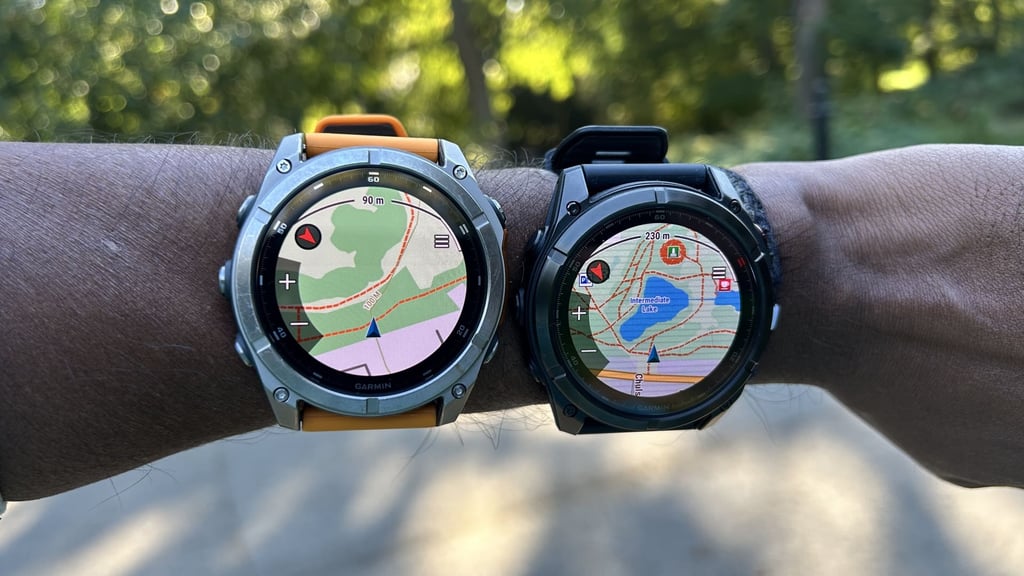
My best guess for why it's not around in 2026? MicroLED simply didn't fit this generation's primary design goal: a significantly thinner, all-titanium chassis.
Instead, Garmin pushed the AMOLED display up to 3,000 nits and likely shelved MicroLED until it can be engineered into a slimmer footprint. Fenix 10 Pro, perhaps (though, as a side note: this new potential unified launch cycle means we may see that series until 2028).
That thinness, however, is the hardware upgrade I'm most relieved to see.
While I’ve loved living with the Fenix 8 Pro, its added bulk over the standard Fenix 8 never stopped being noticeable. Even after 12 months of daily wear, I still catch it on doorframes and jacket cuffs—something I'm sure would get instantly more annoying as winter sleeves return.
The Fenix 9 Pro claws back a lot of that: the 47mm case drops to 13.8mm thick, matching the standard Fenix 8 and sitting well under the chunkier 16.0mm profile of the Pro edition.
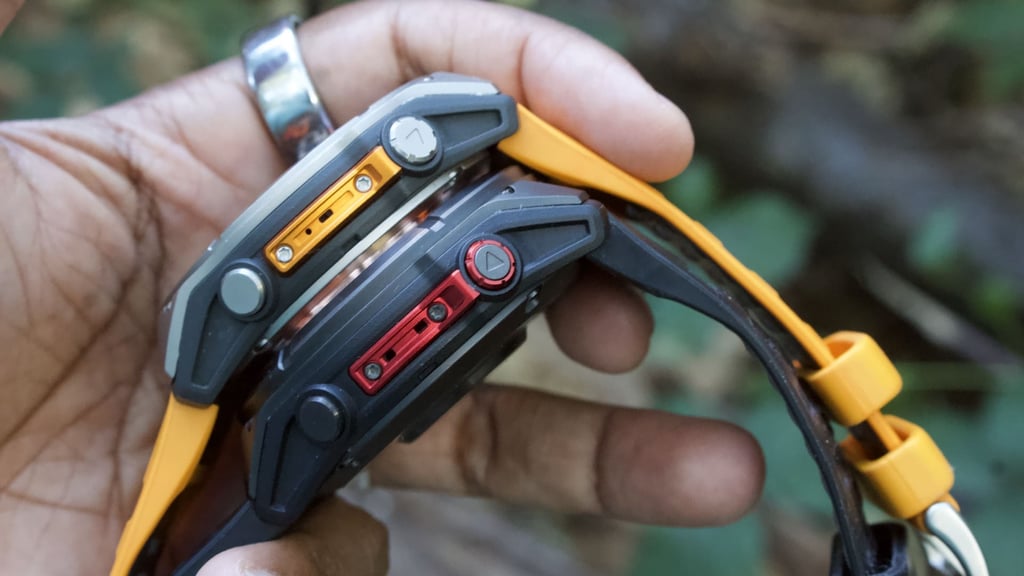
What's impressive is that Garmin managed this diet without removing LTE. In fact, it even found extra room, with internal storage increased significantly.
That's thanks to swapping the part-titanium case for a full-titanium chassis, which keeps the 47mm model at 78g (with the case itself weighing 56g)— virtually identical to the 77g Fenix 8 Pro. So, effectively, we've returned to the Fenix 8's thickness with the 8 Pro's features (and more).
And for the MIP Solar loyalists who prioritize battery over display pop: don't worry, Garmin kept a Solar option in the lineup just for you.
2. A change to the five-button look
Aside from that omission, what intrigues me most from a design perspective are the physical controls.
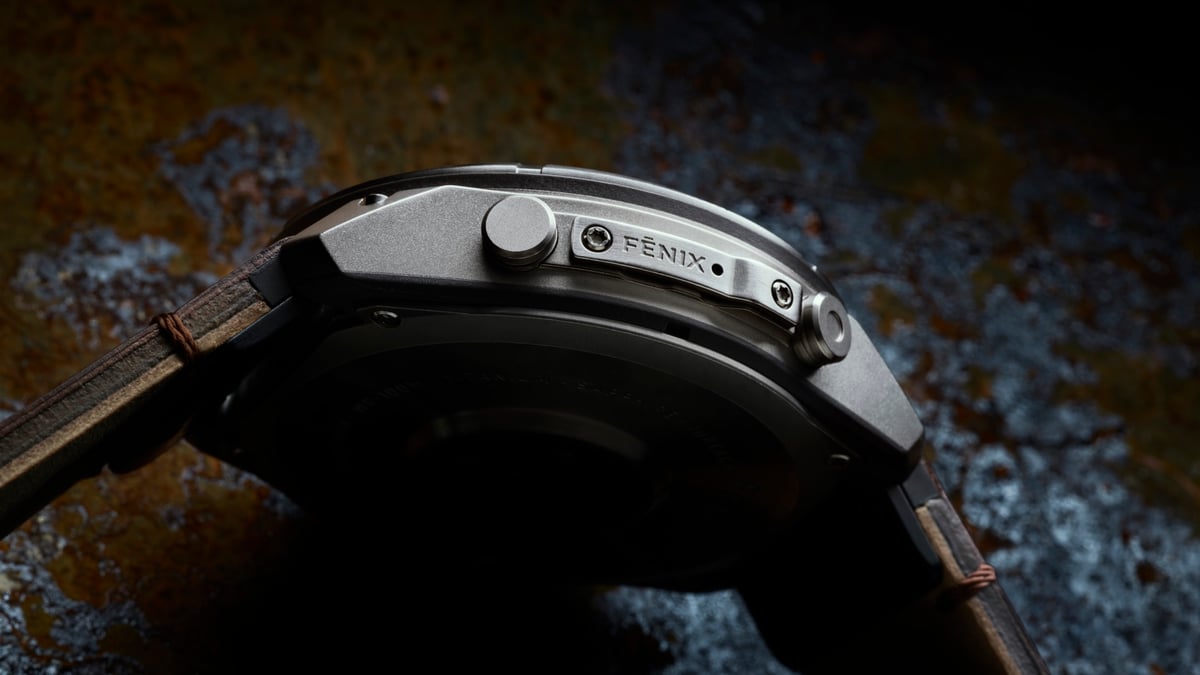
With the titanium tweaks to the case, the buttons appear much more pronounced than the flattened style of the last two releases—though it may also just be the revised case geometry and renders playing tricks.
What I do know is that I never fully warmed to the leakproof inductive buttons Garmin introduced for the Fenix 8. They were a sensible move for long-term water durability, but they traded away the crisp, satisfying tactile click of older Fenix models for a stickier, mushier press.
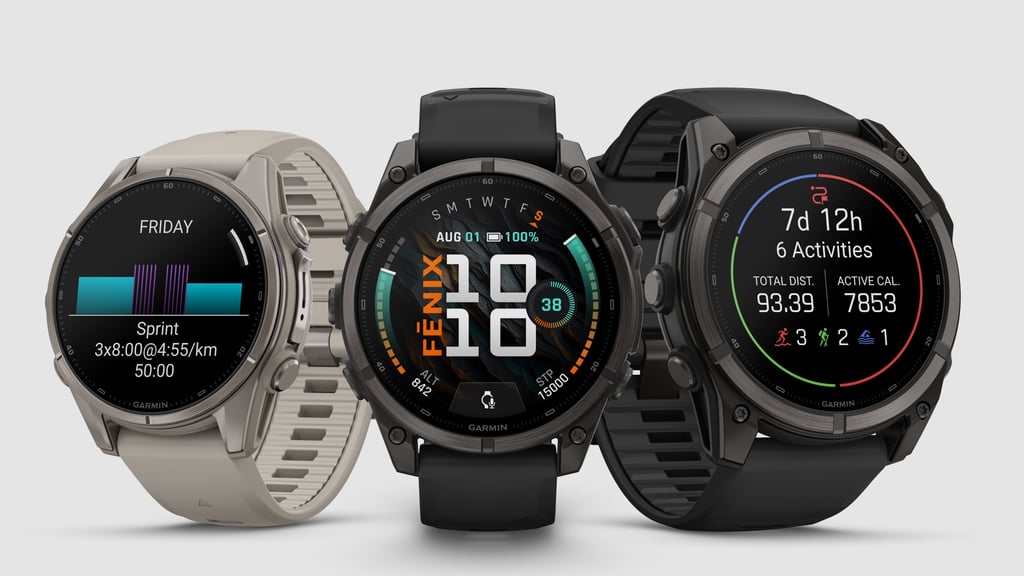
If there was one—admittedly minor—ergonomic change I wanted Garmin to address with the Fenix 9 series, it was restoring that tactile button feel.
We’ll find out as soon as testing units land whether this case redesign actually improves button travel, or just looks like it does.
3. Software boosts and testing stamina in Berlin
On the software front, I'm struggling—at least from just reading about it—to get worked up about Garmin Epic.
It looks largely like Garmin’s answer to the social, voice-note-style activity journaling that brands like Coros and Amazfit have been pushing in the last year or so. While Garmin will likely execute it with more polish inside Garmin Connect, multi-day activity storyboards aren't why most people buy a $1,000+ multisport watch.
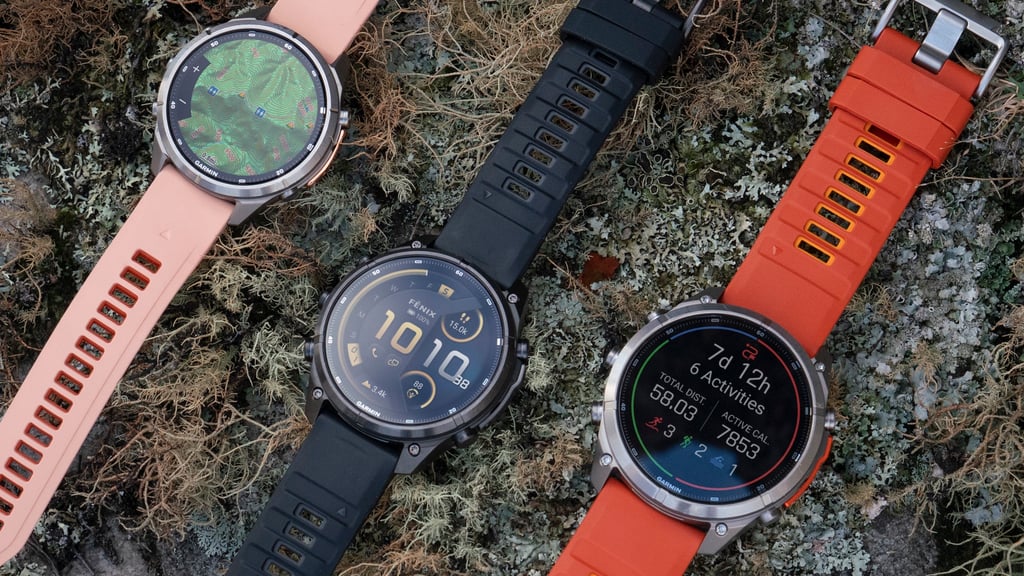
The real victories are in the underlying tech upgrades. Bumping storage to 64GB and adding 50% more RAM to the map engine delivers up to 30% faster map panning, Garmin says—plus, there's a new 3D perspective view for off-grid navigation.
I’m also eager to test the updated stamina metrics. The addition of stamina zones and dynamic stamina curves aims to give real-time feedback on how your endurance reserve shifts mid-run.
I’m running the Berlin Marathon next month, and using this new real-time stamina analysis over 26.2 miles should be as good a test as any to stress both the feature and me during the race. All good fun.
4. LTE expansion is great—but still hard to afford
Lastly, a word on inReach and Garmin's unique flavor of LTE support.
Bringing inReach satellite and LTE connectivity across all three case sizes (43mm, 47mm, and 51mm) is a huge win for adventurers with smaller wrists who were locked out of a 43mm Fenix 8 Pro.
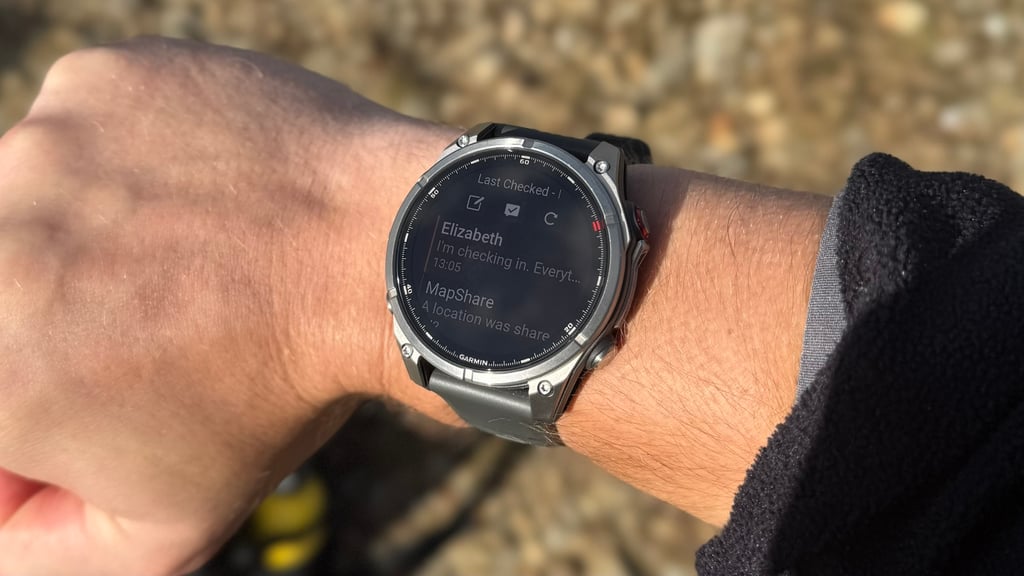
Having used inReach on the Fenix 8 Pro all year—from sending messages in dead zones in the Welsh valleys to calling my partner from the race finish line in Paris—the tech is undeniably solid. The new Garmin Locate integration and Messenger notifications should add genuine peace of mind, too.
The caveat, as ever, is the recurring cost.
Satellite and cellular features require one of four monthly plan tiers (ranging from $7.99 to $49.99 per month), which ramps up the already high cost of ownership.
Unless you spend serious time off-grid or without cellular coverage, it remains a luxury feature that is hard for even someone like me—who spends plenty of time outdoors testing this stuff—to justify.
That's a shame, because it's a nice alternative to the always-on nature of traditional LTE smartwatches.