Six new titanium-and-ceramic tool watches—and a very different proposition to a Fenix
For a company that made its name on GPS tracks and heart-rate graphs, MARQ has always been the odd one out: the corner of the Garmin range where design comes first, and where the competition is less a rival smartwatch than the display cases of traditional watch retailers.
When the second generation arrived in late 2022, it felt like a company still finding its feet in an entirely new watch world, because the demands of watchmaking are so drastically different from those of smartwatching.
Four years on, Gen 3 arrives with more confidence, and a harder question to answer. This summer, the Fenix 9 went all-metal, taking the look MARQ once had to itself. So, what distinguishes the MARQ now?
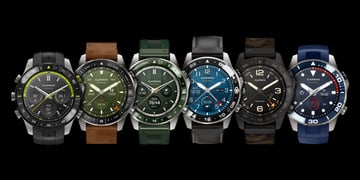
Garmin’s answer is six watches, each with its own ceramic bezel, strap, and purpose: the Adventurer, Athlete, Aviator, Diver (a rebadged Captain), Golfer, and all-new Commander. All are built from Grade 5 titanium with sapphire lenses, and all get a larger 1.4-inch borderless AMOLED display and embedded inReach connectivity.
Wareable had exclusive hands-on time with the entire collection in Mallorca last month, including a hike along the coast. I went in half expecting a Fenix in fancy clothes—that isn’t what I came away with.
Price and availability
The MARQ Gen 3 collection goes on sale globally on November 5, with prices starting at $2,500/£2,199 for the Athlete and nudging to $2,700/£2,399 for the Adventurer.
The Golfer is the next most expensive, at $2,800/£2,499. It's followed by the Diver, Aviator and Commander, which all sit at at $3,100/£2,699.
Price will naturally be eye-catching here. It isn’t unexpected, since this is ultra-premium territory, and Garmin acknowledged the rise isn't ideal—but also pointed to the tech industry's broader pricing struggles and the fact that the MARQ Gen 3 offers much more storage (128GB) than its predecessor as part of this.
Still, it's a big jump from the Fenix 9 series, which starts at $999.99/£859.99, to MARQ.
Design: Ceramic, titanium, and that click
Design is the big one, and it’s where Gen 3 earns its keep.
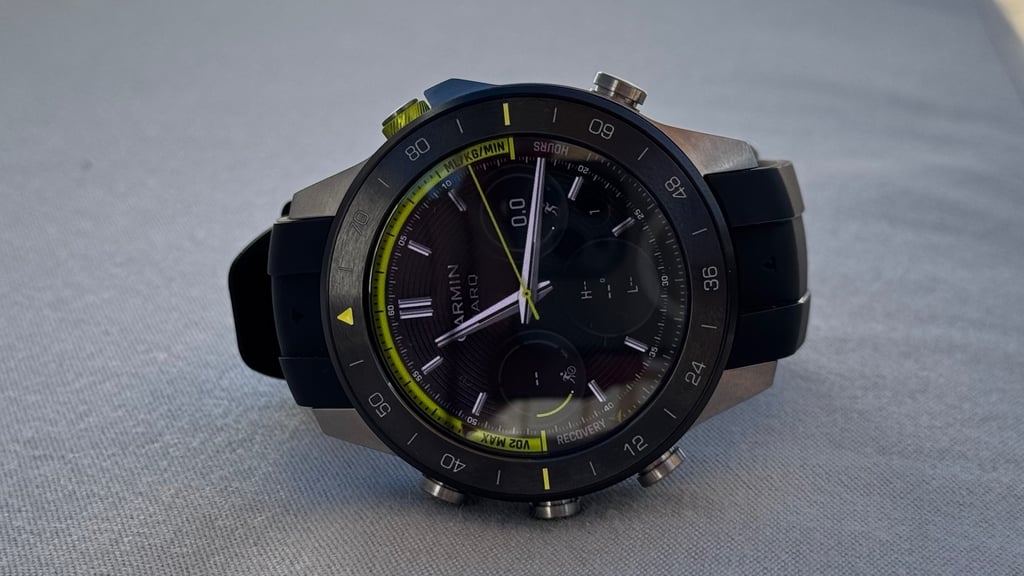
The ceramic bezels are the highlight. Garmin hasn’t just stuck a load of premium materials together here, or copied what the Swiss brands are doing and tacked on an AMOLED display. Each bezel has its own inlay, from the Adventurer’s compass markings to the Athlete’s VO2 max scale, and the result feels cohesive and personal. It has struck the right tone.
A ceramic bezel is a hallmark of the traditional watch industry, and it instantly makes each MARQ Gen 3 edition feel like a watch worthy of James Bond's wrist. Add Grade 5 titanium and a sapphire lens, and it looks the part. I love the all-metal Fenix 9, which feels like Garmin's best attempt at making a watch feel premium, but there are levels to this game.
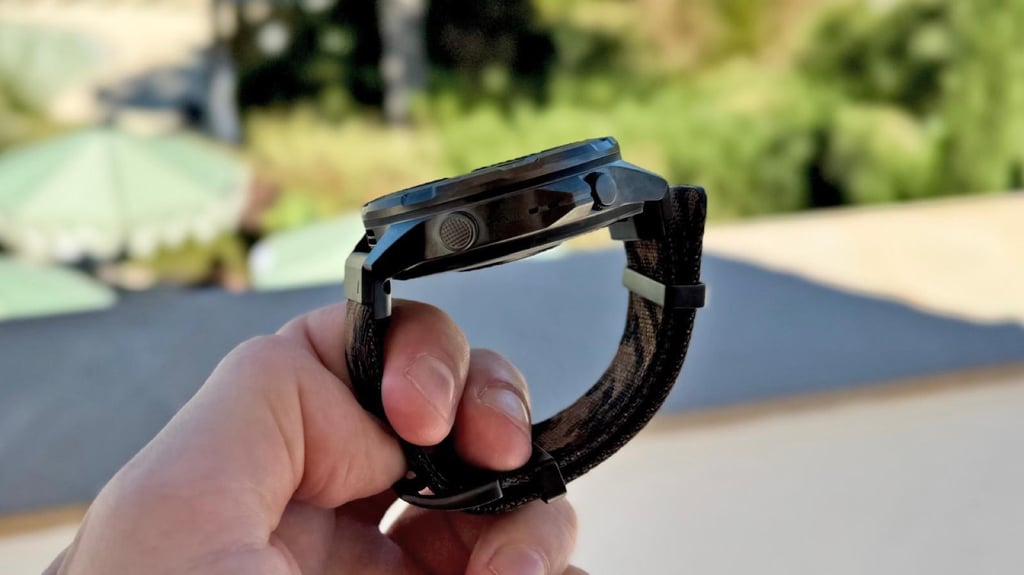
Then there are the buttons. Since Garmin moved to leakproof buttons with the Fenix 8, I haven’t loved how they feel: functionally great, but never satisfyingly clicky. Here, they’ve been completely re-engineered to stay leakproof while gaining a really nice click. It sounds like a small upgrade, but it changes how the whole watch feels.
The straps also feel as premium as ever, and Garmin has been creative in how they meet the case. They flow into the bezel more neatly than on the Fenix 9 series, with the lug sitting flush instead of the band looking overtly attached.
Little touches like that help justify the price jump. This isn’t just a Fenix in fancy clothes, as I’d half imagined; it feels like a totally different watch, maybe even a different brand.
First impressions of the six watches
The display is a huge upgrade, too. It’s now a 1.4-inch borderless AMOLED, up from 1.2 inches, and it isn’t crowded by the bezel, as Gen 2 could be. The balance is great. Beyond that, each of the six watches gets its own bezel, strap, and personality, so here is how they stack up.
MARQ Adventurer ($2,700/£2,399)
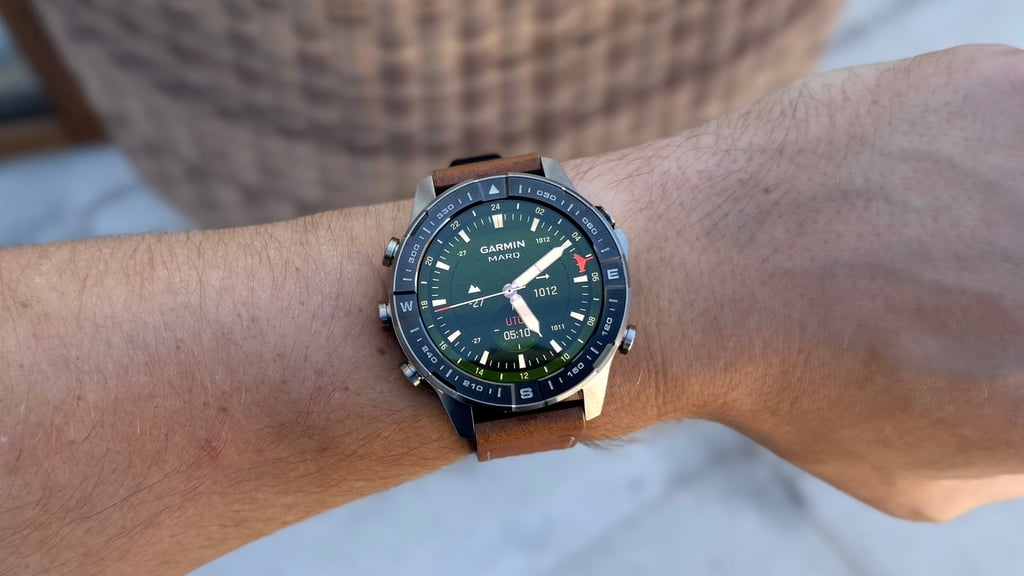
I wore the Adventurer on a short hike along the Mallorcan coast, and that’s when I realized the display is a big upgrade, on par with what you’d expect from a Fenix: it was super visible in the sun.
The full-grain Italian leather strap feels super premium, and I love the compass detail on the 360-degree ceramic bezel. It’s neat, too, that the preloaded ClimbPro is on board, giving real-time info on current and upcoming climbs without needing to plan a route beforehand.
MARQ Athlete ($2,500/£2,199)
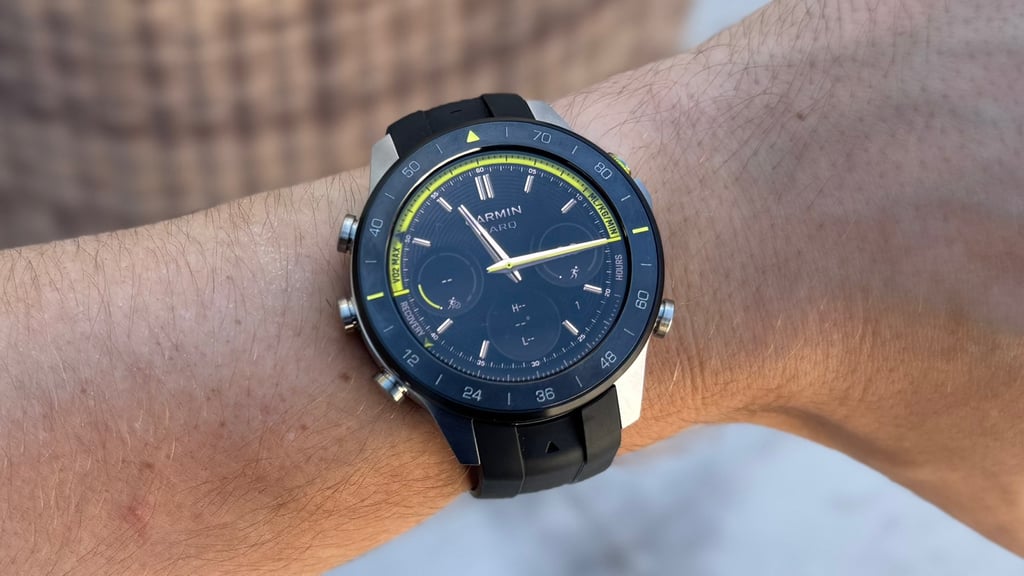
As a runner, the Athlete is the one I’d most plump for.
It’s where I noticed the biggest screen-size difference between generations: even though this is a dark watch with a black ceramic bezel and titanium case, it doesn’t feel closed in.
The yellow accent is a nice little detail that fits the theme. It may feel a bit heavy if you’re used to a Forerunner and prioritize performance, but it’s probably the best way to look good during your marathon. With stamina metrics and running economy on board, I’d recommend these industry-leading running insights over a TAG Heuer equivalent any day.
MARQ Aviator ($3,100/£2,699)
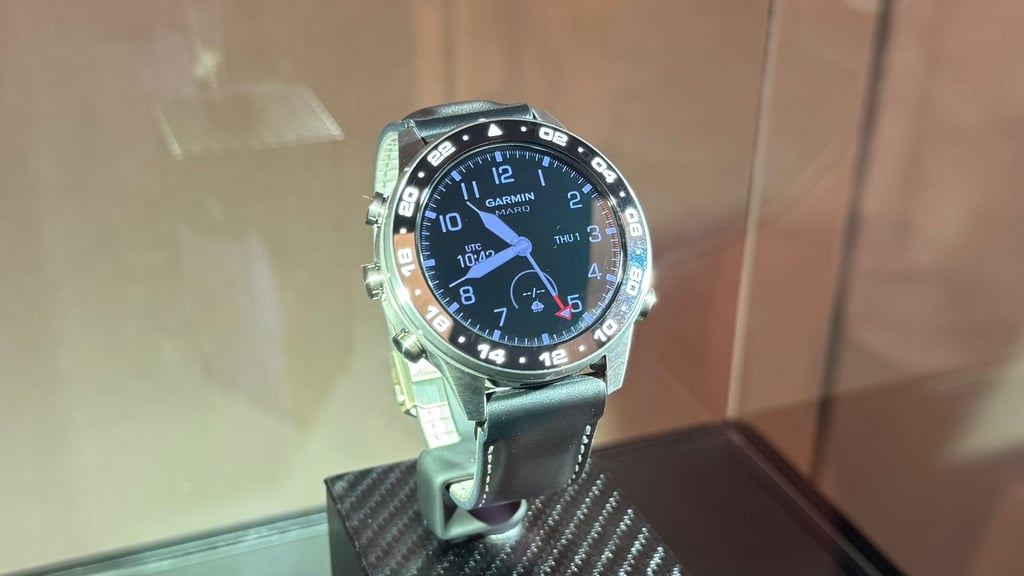
Now, I'm not a pilot, so I don’t have many thoughts on the flight tools, including dynamic flight mapping, aviation weather, and direct-to-airport routing.
As a watch, though, this is the one that feels closest to what I have in my head when I think of traditional watches, so Garmin has done a neat job of following that inspiration. The polished black ceramic bezel with UTC markings and a dedicated hand is a nice detail, since UTC is the standard for pilots, and it clearly shows a lot of thought.
MARQ Commander ($3,100/£2,699)
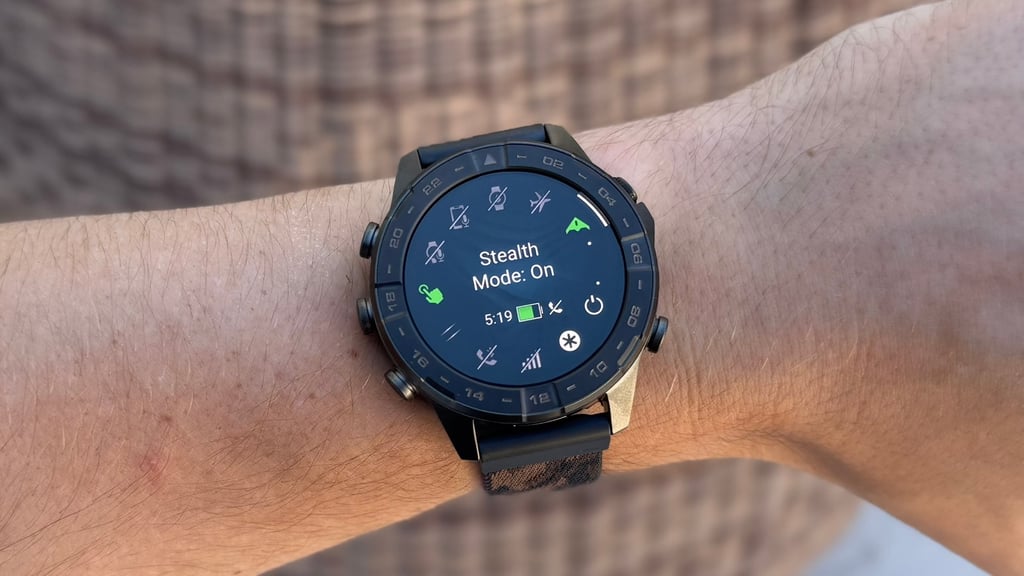
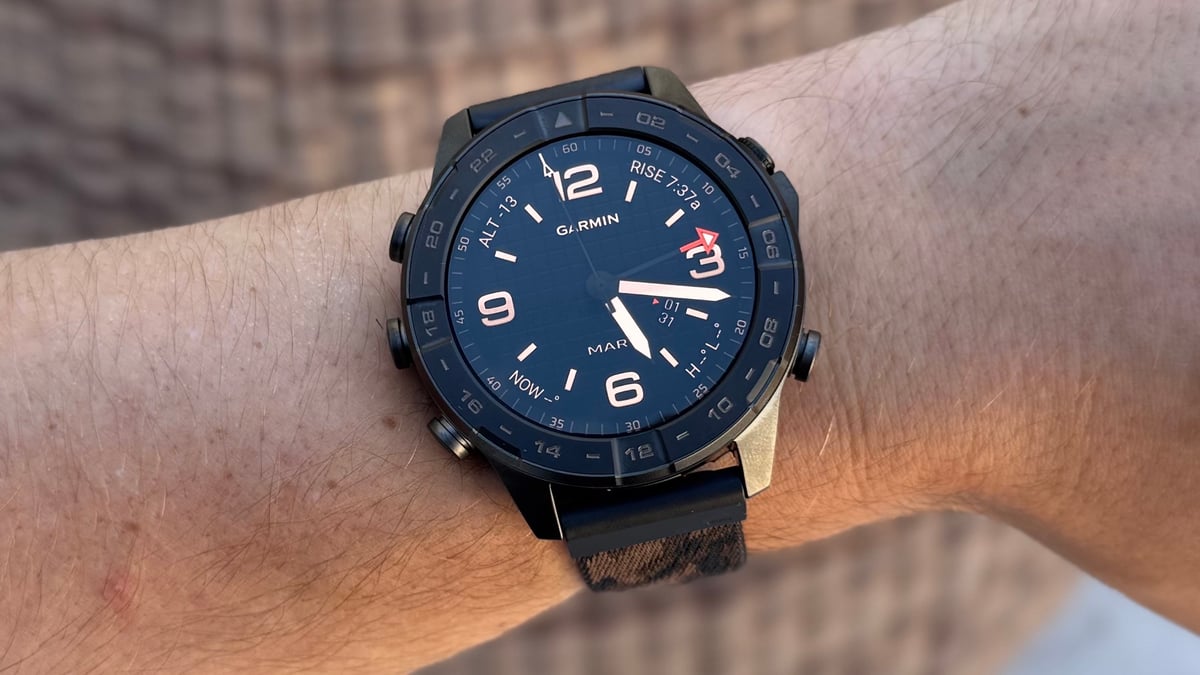
The newcomer is a really inspired addition. It effectively merges the MARQ and Tactix ideas with a camo jacquard-woven band, micro-knurled titanium buttons, a matte-black ceramic UTC bezel, Stealth Mode, night vision capabilities, and an Applied Ballistics solver.
A small consensus formed among us who tried Gen 3: it’s a really understated but premium-looking watch. The matte finish sets it apart, and, from experience, people love that murdered-out look.
MARQ Diver ($3,100/£2,699)
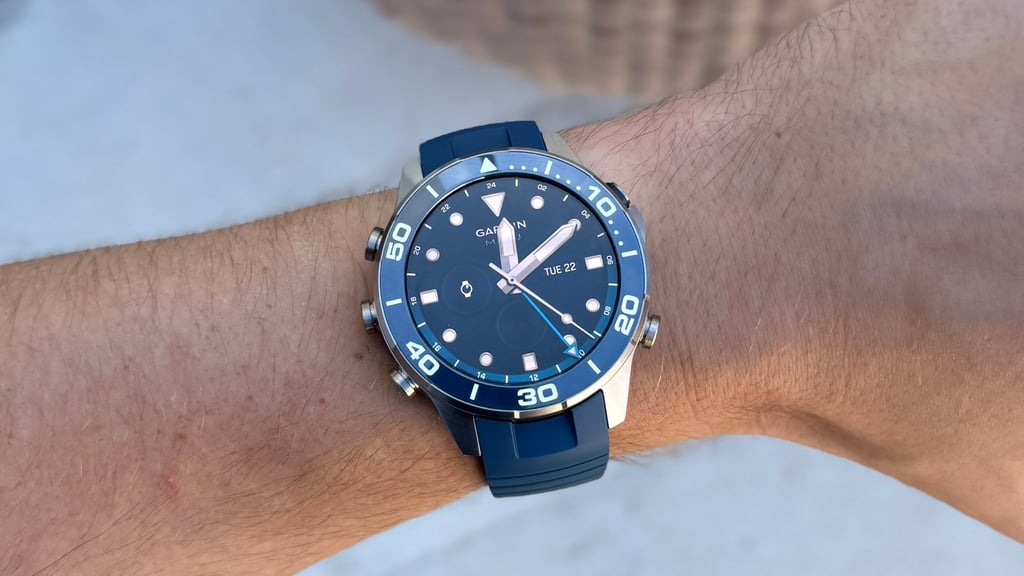
The Diver makes plenty of sense. The watch industry has a long history of seafaring designs, and the smartwatch world currently leans toward offering as many underwater features as possible. It’s rated to 40 meters for scuba, apnea, and snorkeling, with leakproof buttons, a 15mm micro-adjustable strap, and boat controls like autopilot and tack assist.
I really like the big numbers on the dial, which Garmin says are there to improve underwater visibility, and the bezels, in particular, show how much thought went into these designs. The blue is lovely, too. It doesn’t feel tacky, which mariner blue often can when it’s derivative of an Omega Seamaster.
MARQ Golfer ($2,800/£2,499)
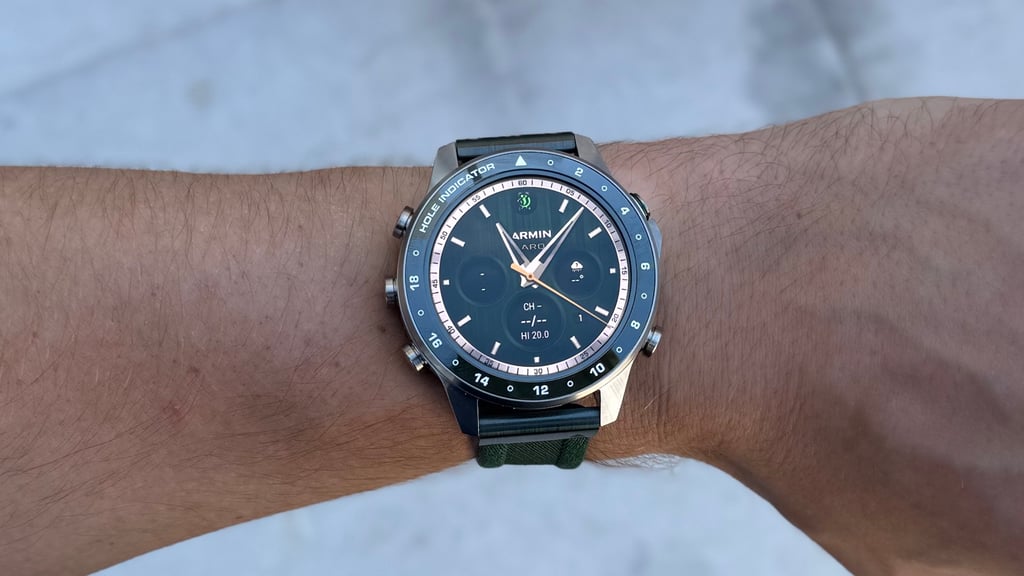
This is the model I reviewed with Gen 2, and it looks pretty similar this time, with a 1–18 hole bezel that remains a nice detail.
That green really makes the bezel sing. The jacquard-woven band feels particularly nice and should hold up well in all weather on the course. On the software side, it includes more than 43,000 preloaded courses, Virtual Caddie shot recommendations, and green-contour data.
You could make the case for any of the six as your favorite, such is the work that has gone into making them feel like collection pieces.
Software and features
Gen 2 and Gen 3 differ significantly, and plenty of it makes sense, like the embedded inReach connectivity. Over LTE or satellite, the watch can send text and voice messages, share your live location with loved ones through Garmin Locate, and trigger an SOS to Garmin’s 24/7 Response Center, all without a phone nearby.
You also get preloaded TopoActive maps with address search, calls and voice commands via the built-in speaker and mic, and an LED flashlight. On the health side, the ECG app helps spot signs of AFib, plus stress, sleep, Pulse Ox, and HRV insights, plus custom morning and evening reports.
Garmin has done a good job of spreading all that across the whole line, whichever watch you choose, with specialist extras layered on top, like ClimbPro on the Adventurer, running economy on the Athlete and Virtual Caddie on the Golfer.
It also offers customizable watch faces inspired by classics like the World Timer, Panda, and Flieger. You’re probably not going to use everything on it, but it’s there because this is an “ultimate” watch.
Battery life and charging
Garmin claims up to 18 days of battery life in smartwatch mode across the collection. We haven’t been able to test that yet, but Garmin’s numbers tend to land, and we’ll report back in our full review.
That said, charging remains one of the clearest dividing lines between MARQ and the rest of the brand's stable.
MARQ has its own magnetic charger that's built around its case, rather than featuring the brand's universal proprietary plug-in cable. That remains for this generation.
Early verdict
It’s very difficult not to come away impressed by the MARQ Gen 3.
While Gen 2 felt like a company still finding its feet in a new watch world, Gen 3 feels like a convincing story Garmin tells with real confidence.
The price will be the sticking point, naturally, since it’s a big jump from Fenix, and we still need to put day-to-day tracking basics and battery life through our usual stress testing.
But the ceramic bezels, the re-engineered buttons, the bigger, brighter display, and the flush-fitting straps add up to something that feels like a different watch to anything else on the market. With six distinct options, from the runner’s Athlete to the understated Commander, there’s a case for any of them as your favorite.
We’ll have a final verdict once we’ve had chance to put one of the tool watches through its paces.