A comprehensive guide to the top smart rings—and how to pick the right one for your needs
Smart rings represent the most exciting and fastest-moving area of wearables, with the top options offering accurate health tracking, sleep monitoring, and stress insights.
The market has boomed in recent years, but, in 2026, the Oura Ring 5 sits firmly on the throne as the undisputed best smart ring you can buy. By shrinking its hardware components by 40%, Oura has crafted an ultra-slim ring that feels like traditional jewelry while delivering gold-standard sleep tracking and unmatched longitudinal software insights.
However, its increased base price and mandatory subscription keep the door open for compelling, subscription-free alternatives. Devices like the Ultrahuman Ring Pro and the RingConn Gen 2 Air remain top picks for buyers looking to avoid recurring fees, while the Samsung Galaxy Ring offers seamless integration for Android users.
Read on for our first-hand testing summaries of the best smart rings, along with advice on choosing between them.
- Oura Ring 5: Our top smart ring recommendation
- Ultrahuman Ring Pro: Best subscription-free ring
- Samsung Galaxy Ring: A great option for Android users
- RingConn Gen 2 Air: Best smart ring for beginners
- Renpho LYNX Smart Ring: Best budget-friendly smart ring
Smart rings: FAQ
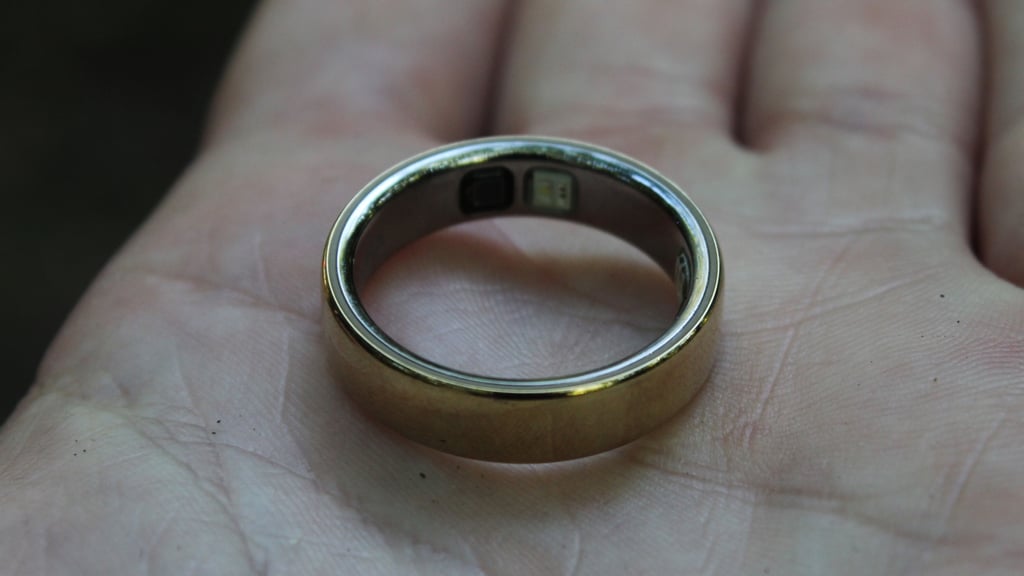
Smart rings are small, discreet wearable devices—ideal for those who want to enjoy the benefits of a wearable without the bulk of a smartwatch or fitness tracker.They primarily track sleep, steps, recovery, and stress levels. Smart rings have gained popularity because they are more comfortable to sleep with than smartwatches. Additionally, they provide in-depth health insights while allowing you to wear your favorite watch or timepiece.
It depends, and this is a crucial factor. To use our top smart ring recommendation—the Oura Ring 5—you need a $5.99/month subscription to access full insights, historical data, and advanced features. However, with alternatives like the Ultrahuman Ring Air, RingConn Gen 2 and Gen 2 Air, and Renpho LYNX Smart Ring, you don't need any ongoing subscription to access your data.
Smart rings typically struggle with tracking workouts, and very few offer advanced health features like ECG or blood pressure monitoring. The absence of a screen and NFC also makes them feel less practical than a smartwatch on a daily basis.
Generally, smart rings are meant to be worn on the index finger, but you can wear them on any finger you prefer.
Most of the smart rings we’ve tested come with a sizing kit that includes a plastic version of the ring, allowing you to try a range of sizes before the actual ring is shipped to you. It’s important to wear the test ring for a day or two to ensure it fits well and doesn’t slip off while washing your hands (we’re speaking from experience!). A snug fit that doesn’t twist is crucial for obtaining accurate sensor data, so this aspect is significant.
Smart rings take a beating, so getting something that won’t be torn to shreds after a couple of months is important. Many rings like RingConn and Oura are made of titanium, which is light and supposed to be very scratch resistant. Yet, we always suggest taking it off when doing activities like lifting weights, because it will get scratched. However, ring protectors can help with this.Additionally, most smart rings are at least 5ATM water resistant, meaning they can be worn in the pool or shower. That’s not universal, though, and there are rings with lower ratings that only protect against washing your hands, so beware.
Many of the rings we've encountered so far have been designed to monitor aspects of your health and fitness. Heart rate, SpO2 (blood oxygen), and temperature sensors are quite standard now. Additionally, we're beginning to see the first rings capable of taking an ECG entering the market.
Neither is necessarily better; they serve different purposes. A smartwatch (like an Apple Watch) is an active companion for your wrist. It delivers notifications, apps, payments, and active workout tracking. A smart ring is (generally) a passive health monitor. It's designed to be discreet, comfortable (especially for sleep), and provide deep insights into your body's readiness, sleep quality, and stress, without the distracting screen.
How we test smart rings
Unlike most sites, Wareable has been testing smart rings since the category's early days, giving us years of hands-on experience across multiple hardware generations. We wear and compare smart rings 24/7—testing never stops once a review is written.
Every smart ring in this guide has been worn continuously for months to evaluate long-term durability, software evolution, and biometric tracking accuracy against gold-standard reference devices. We validate sleep-tracking boundaries and sleep staging against smart sleep systems (like Eight Sleep) during real-world disruptions—from middle-of-the-night alarms to travel and irregular sleep schedules.
For heart rate and activity testing, we compare ring sensors head-to-head against chest straps (such as the Garmin HRM 600) and top-tier sports watches during steady-state cardio, HIIT, and daily unstructured movement. We also track real-world battery drain by toggling continuous metrics on and off, and assess whether long-term algorithmic trends in HRV, stress, and recovery deliver truly actionable insights.
The smart rings we recommend from our reviews
Oura Ring 5
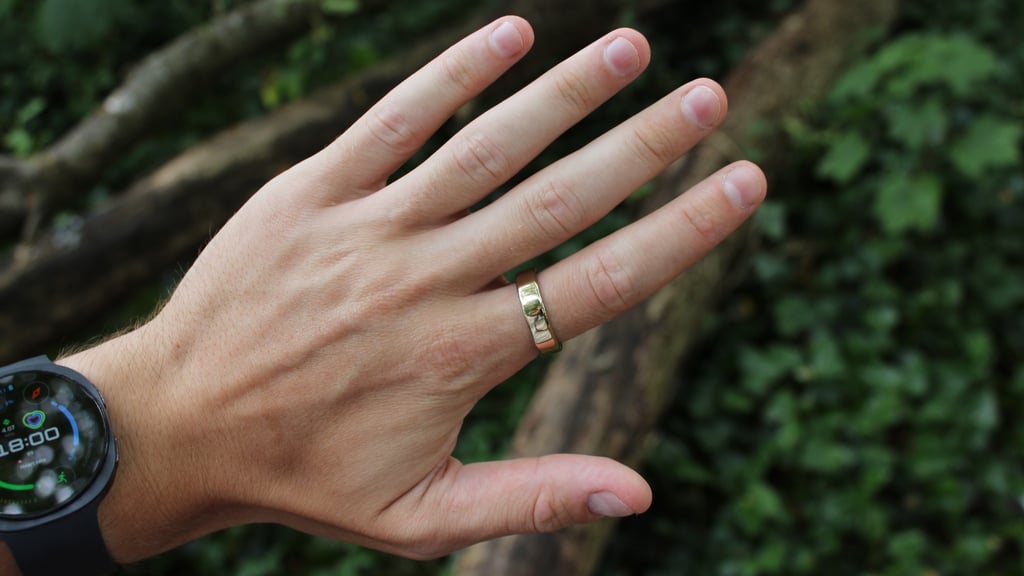
- Weight: 2.5–3.5 grams (depending on size)
- Sensors: 12-channel PPG, skin temperature, accelerometer, refined sensor domes
- Color options: Silver, Black, Brushed Silver, Stealth, Deep Rose, Gold
The Oura Ring 5 is the undisputed king of smart rings and a masterclass in wearable engineering.
By shrinking its internal components, Oura has delivered an ultra-slim device that genuinely feels like traditional jewelry rather than a piece of tech on your finger. The re-engineered interior introduces subtle, smooth sensor domes that comfortably anchor the ring to prevent annoying spinning while maintaining a snug, barely-there fit during daily wear.
Its software platform also remains in a class of its own. Organized cleanly into Today, Vitals, and My Health screens, the companion app delivers unrivaled longitudinal health tracking—ranging from gentle daily Readiness scores and Symptom Radar to advanced Stress Resilience, cycle insights, and third-party blood test integrations. In our testing, its sleep-tracking boundaries and resting heart rate accuracy matched gold-standard reference equipment almost perfectly.
Still an expensive option
The hardware leap comes with a higher price tag: the Ring 5 starts at $399 (£399) for basic finishes, rising to $499 (£499) for premium styles like the rich new Gold. You’ll also still need to pay Oura's mandatory $5.99/month subscription to unlock your data.
While workout tracking still plays second fiddle to dedicated sports watches, the Ring 5 is unmatched for passive 24/7 health monitoring, sleep analysis, and sheer design elegance.
- Check out our Oura Ring 5 review
- Stunning, ultra-slim design
- Flawless software evolution
- Improved gold finishes
- Snug, spin-free fit
- The subscription paradox remains
- No legacy trade-in program
Ultrahuman Ring Pro
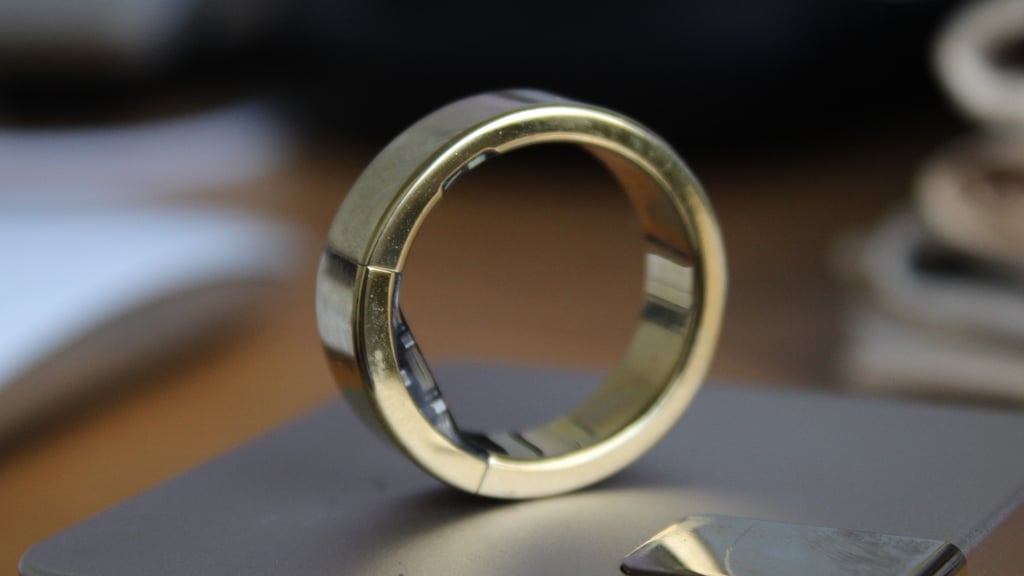
- Weight: 3.2g–4.5g (depending on size)
- Sensors: PPG, SpO2, skin temperature, accelerometer
- Color options: Bionic Gold, Space Silver, Aster Black, Raw Titanium
The Ultrahuman Ring Pro is the brand’s flagship subscription-free smart ring—and, crucially, unlike the older and thinner Ring Air, it's available in the US. That's thanks to its unibody design, which helps it navigate the patent disputes with category leader Oura.
While the Ring Air remains a solid pick for international buyers wanting a lighter, slimmer fit, the Ring Pro is the definitive choice for stateside availability, unmatched battery life, and deep health insights.
The titanium chassis delivers a category-leading 15 days of continuous tracking on a single charge, with the included Pro Charging Case supplying an additional 45 days of backup power.
The companion app (powered by the summer 2026 'Emerald' update) features UltraSphere contextual coaching, Jade AI, and circadian timing tools like the 'Adenosine Clearance Window' to optimize caffeine intake and sleep latency. Core health, HRV, and sleep metrics remain completely subscription-free, though optional PowerPlugs offer niche extensions (like AFib screening) for a small monthly fee.
It sits at a higher price point than the Ring Air and entry-level Oura finishes. That unique construction and dense internal battery also make it noticeably thicker and bulkier on the finger than ultra-slim rivals like the Oura Ring 5 or RingConn's offerings. However, for users who want maximum battery life and a rich, subscription-free tracking platform, the Pro is a top-tier contender.
- Check out our Ultrahuman Ring Pro review
- Category-leading 15-day battery life
- Cleared and available for US buyers
- No mandatory subscription for core health metrics
- Feature-rich app with UltraSphere contextual guidance
- Noticeably bulkier and thicker than key rivals
- High starting price
- Some optional PowerPlugs require paid add-ons
Samsung Galaxy Ring
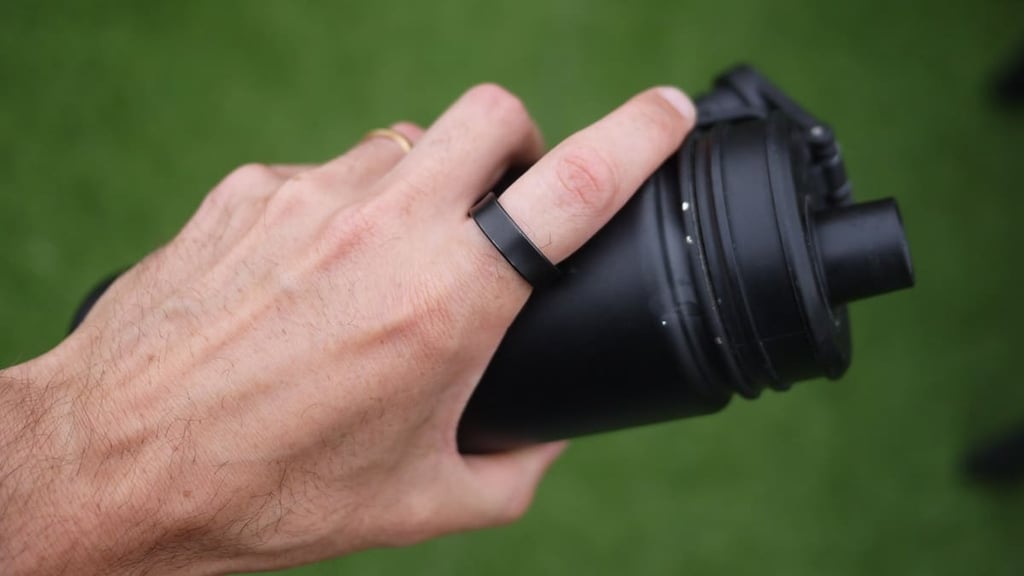
- Weight: 2.3-3 grams
- Sensors: Skin temp, PPG, accelerometer
- Color options: Titanium Silver, Black, Gold
Designed specifically for Android smartphone owners, the Galaxy Ring features a lightweight titanium construction with a distinctive concave outer profile that helps shield the finish against daily desk scuffs, door-handle bumps, and scratches.
With no ongoing subscription costs, it offers a seamless set-and-forget experience within the Samsung Health ecosystem, accompanied by an elegant, clear charging case with an LED battery ring indicator.
The ring's daily Energy Score effectively consolidates sleep duration, HRV baselines, sleep consistency, and prior physical exertion into a clear, intuitive readiness rating that accurately mirrors physical fatigue. Sleep coaching is further enhanced by Galaxy AI's chronotype analysis, which assigns users a "sleep animal" to guide their habits over time.
However, during our testing, heart rate graphs experienced occasional nocturnal flatlines, SpO2 tracking showed periodic unnatural drops into low blood oxygen ranges, and the platform skips an initial multi-week baseline calibration period, meaning early guidance can be skewed by outlier days.
- Check out our full review of the Samsung Galaxy Ring
- Great sleep data
- Focus on actionable sleep coaching
- Energy Score feels intuitive
- Nice design and comfortable to wear
- Expensive (but no subscription required)
- Spotty HR data and poor SpO2
RingConn Gen 2 Air
- Weight: 2.5–4g (depending on size)
- Sensors: PPG, SpO2, skin temperature, accelerometer
- Color options: Galaxy silver and dune gold
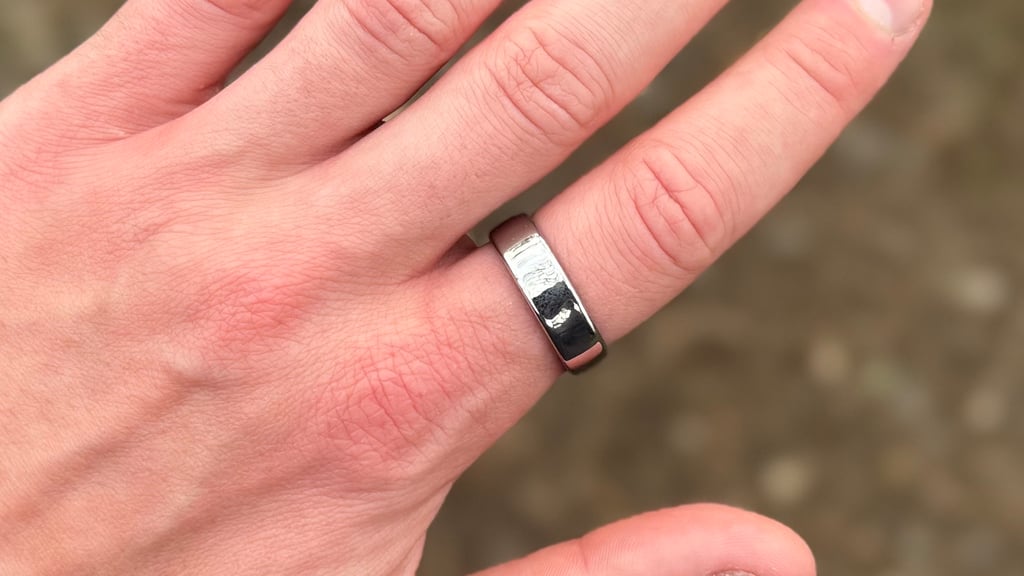
RingConn’s Gen 2 Air is a more affordable alternative to the brand's Gen 2 and Gen 3 rings. Still, you get plenty for your money; it shares the same focus on comfort, just with fewer style options and fewer advanced health features. It’s also a bit heavier than the Gen 2 and uses a premium stainless steel build rather than aerospace-grade titanium.
The Gen 2 Air holds its own with an impressive battery life, providing up to 10 days of use on a single charge.
Interestingly, without the sleep apnea feature, we noticed that the battery sometimes outlasts the Gen 2 model. Other than that, the ring tracks sleep stages, heart rate, heart rate variability, oxygen saturation, skin temperature, and basic activity.
With no subscription fees, we believe the RingConn Gen 2 Air is a worthy rival to the top smart rings in this lineup. We're currently testing our the Gen 3, so stay tuned to see where that ranks among the wider crop in this guide.
- Comfortable to wear
- Long-lasting battery
- Relatively cheap for its feature set
- Uninteresting app insights
- Heavier than RingConn Gen 2
- No sleep apnea monitoring
Renpho LYNX Smart Ring
- Weight: 4–5g
- Sensors: PPG, SpO2, and accelerometer
- Color options: Silver and black
Renpho LYNX Smart Ring is probably one of the more simplistic, affordable, and best subscription-free options in this lineup. Despite that, it still holds its own pretty well against more expensive picks.
At $179.99, Renpho LYNX Smart Ring feels like a worthy competitor. The health tracking is quite reliable, and the companion app translates data into clear and straightforward information.
However, you don’t get the same level of deep insights you’d see from Oura Ring 5 or Ultrahuman Ring Air. It covers the basics and provides graphs, but doesn’t go beyond that.
Feature-wise, Renpho LYNX Smart Ring has all the basics: sleep tracking, heart rate, activity, stress, and blood oxygen. Nothing too extravagant, but it’s solid and consistent.
That said, the feature we most want to highlight is actually its battery life. You’ll get around 7 days from a single charge, and the charging case extends that up to about 12 days when you’re on the go. It’s almost comparable to the RingConn Gen 2 model’s 10–12 days of battery life.
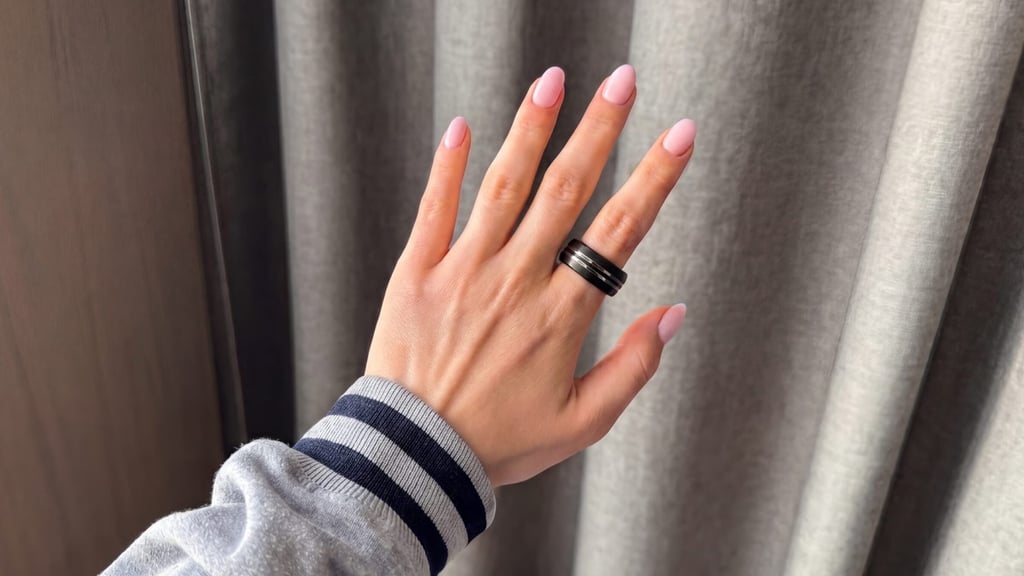
The design itself is minimal and simple, with just black and silver options. It’s a bit bulkier and heavier than some others, so you notice it on your finger more often.
- Great price and feature balance
- Charging case is super convenient for travel
- Relatively reliable health data
- A bit bulky and uncomfortable
- Lacks deeper insights
- Fewer features
Luna Ring Gen 2
- Weight: 3–5g
- Sensors: PPG, SpO2, skin temperature, 3-axis accelerometer
- Finishes: Sunlit Gold, Stardust Silver, Midnight Black, Lunar Black, Rose Gold
The Luna Ring Gen 2 (from Indian brand Noise) delivers a subscription-free ecosystem centered on clean sleep analysis, recovery insights, and conversational AI guidance.
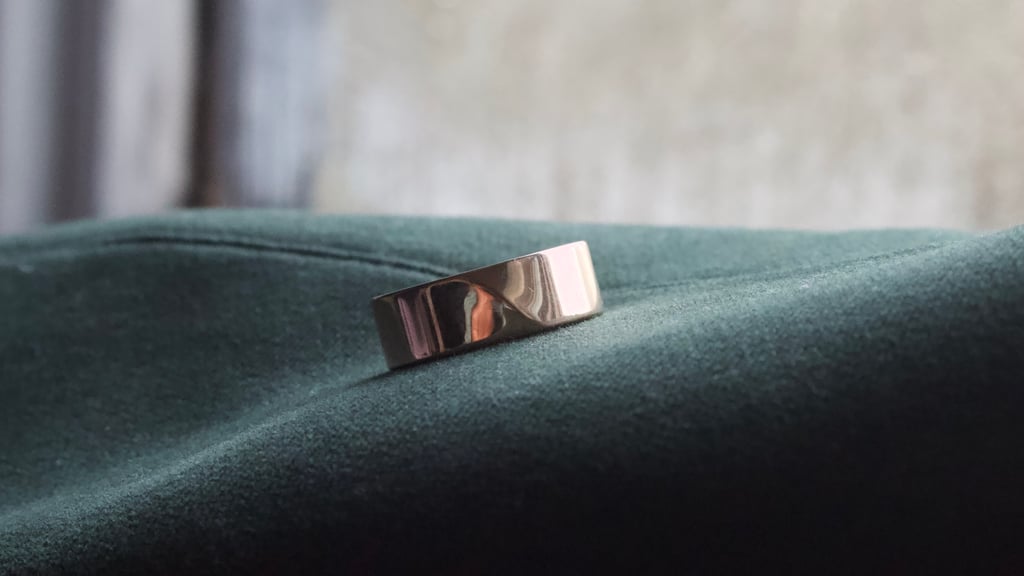
Built from lightweight titanium with 5 ATM water resistance, its contoured exterior 'wave' design stands out visually. However, its raised interior sensor bumps feel somewhat dated compared to the sleeker Oura Ring 5.
In sleep testing against our reference devices, the Luna Gen 2 recorded accurate sleep/wake timing. While sleep staging leaned slightly toward REM and deep sleep, overall scores and vital-sign tracking (resting HR, HRV, skin temperature, SpO2) proved reliable. The app also features a conversational AI coach for bedtime guidance and circadian alignment windows, syncing smoothly with Apple Health, Google Health, and Clue.
However, in our testing, we found that battery life tops out at just four days under continuous health sampling. While the 'Surge' portable charging case provides 30 days of backup power, the ring still requires frequent recharging.
Manual workout tracking is also limited to heart rate and does not include phone GPS integration. Still, for international buyers seeking a stylish wearable with free AI coaching, the Luna Ring Gen 2 is a strong option.
- Check out our full review of the Luna Ring Gen 2
- Stylish wave design stands out
- Friendly subscription-free app and AI coaching
- Can be paired with a charging case
- Disappointing 4-day battery life
- Large internal sensor bumps affect comfort
- Currently unavailable in the US
Leep Ring
- Weight: 2.4–3.6g (depending on size)
- Sensors: PPG, SpO2, skin temperature, motion sensor
- Color options: Starlight silver and midnight blue
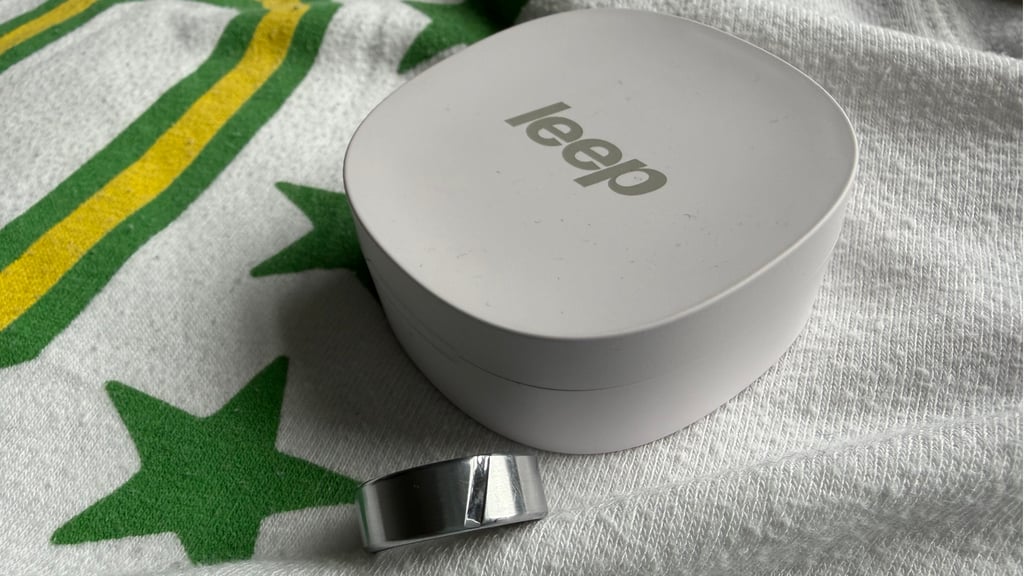
The Leep Ring is a strong debut for the UK-based startup, offering a sleep-first approach at a competitive $199 price point (with no subscription required).
In our full testing, it matched the data quality of established brands like RingConn and Oura across sleep duration, sleep scores, step counting, and stress analysis. It’s also an incredibly friendly app platform, especially impressive given it’s for a debut product. Usually an afterthought of startups, the Leep Health app delivers with a strong emphasis on intuitive feedback and a clean interface.
At 2.6mm thick, the titanium shell is also slimmer than Oura’s latest. And the included charging case provides a massive 60 days of backup power, which is a huge win for a ring at this price point.
While the hardware is impressive and features offline sync, the experience is currently limited by iOS exclusivity and a few first-gen app bugs—though Android support should arrive soon, the brand says.
As a budget-friendly option for those who only care about basic metrics like sleep tracking, it’s one of the best current options on the market.
- Check out our full Leep Ring review
- Intuitive app interface with actionable data
- Sleep tracking accuracy compares well
- Super competitive price (and no ongoing subscription)
- Quite a few platform bugs
- Currently exclusive to iOS
- No serious health insights
Smart ring specs compared
| Smart ring | Weight | Sensors | Battery (tested) | Water resistance | Subscription |
Oura Ring 5 | 2.5–3.5g | 12-channel PPG, skin temperature sensor, SpO2 | 7 days | IP68 and swim-proof up to 100m | $5.99 per month |
| Ultrahuman Ring Pro | 3.2g–4.5g | PPG, SpO2, skin temperature, accelerometer | 15 days | IPX8 (swim-proof up to 100 meters) | No (but some PowerPlugs are paid) |
| Samsung Galaxy Ring | 2.3–3g | PPG, skin temperature , accelerometer | 5–6 days | IP68 and swim-proof up to 100m | |
| RingConn Gen 2 Air | 2.5–4g | PPG, accelerometer, SpO2, skin temperature sensor | 10 days | IP68 and swim-proof up to 100m | None |
| Renpho LYNX Smart Ring | 4–5g | PPG, SpO2, accelerometer | 7 days | 5ATM (waterproof up to 50 meters) | None |
| Luna Ring Gen 2 | 3–5g | PPG, skin temperature , accelerometer | 4 days | IP68 and 5ATM (waterproof up to 50m) | |
| Leep Ring | 2.4–3.6g | PPG, SpO2, skin temperature sensor, accelerometer | 8 days | 5ATM | None |
Bottom line: Which smart ring is the best in 2026?
Not every lifestyle calls for a smartwatch or fitness band. When screen distractions or wrist bulk get in the way of recovery and sleep, a smart ring serves as the ultimate low-profile alternative. Choosing the right one ultimately comes down to whether you prioritize comprehensive software coaching, maximum battery life, or platform integration.
For users seeking the most comprehensive health analysis, the Oura Ring 5 remains our top overall recommendation. It continues to set the benchmark in sleep-staging precision, readiness coaching, and software polish, provided you are willing to pay the starting price and the monthly subscription fee.
If avoiding recurring fees is your priority, both the RingConn Gen 2 and Ultrahuman Ring Air deliver solid hardware without subscription costs. The RingConn Gen 2 finds an excellent balance between design and battery endurance, with up to 12 days on a single charge, while the Ultrahuman Ring Air excels at deep metabolic tracking and circadian timing tools.
Android and Galaxy device owners will appreciate the seamless, screen-free extension of Samsung Health offered by the Samsung Galaxy Ring, though the fact that it's likely to be replaced at some point in 2026 also limits its appeal.
Specialized needs and budget considerations are well-served by niche alternatives. The Leep Ring ($199) offers a straightforward, affordable entry point, and the Luna Ring Gen 2 ($299) combines stylish hardware with subscription-free AI coaching.