

A comprehensive guide to the top smart rings—and how to pick the right one for your needs
Smart rings represent the most exciting and fastest-moving area of wearables, with the top options offering accurate health tracking, sleep monitoring, and stress insights.
The market boomed last year, and we’re expecting even more releases in 2026 as household names and startups alike aim to chip away at Oura’s dominance.
Despite the Oura Ring 4 being high even on our lineup, we rated RingConn Gen 2 as the best smart ring you can buy. It offers a range of premium designs, the longest battery life, and countless actionable insights into your nighttime rest, readiness, and body responses.
We’ve also been very impressed by the Ultrahuman Ring AIR, Renpho LYNX Smart Ring, RingConn Gen 2 Air, Circular Ring 2, Leep Ring, and Amazfit Helio Ring during our in-depth tests.
Read on for our first-hand testing summaries of the best smart rings, along with advice on choosing between them.
🔥 Limited time only. Get $15 OFF with code CYBERN15 🔥
- Weight: 2–3g (depending on size)
- Sensors: PPG, SpO2, skin temperature, accelerometer
- Color options: Future silver, matte black, royal gold, and rose gold
- Weight: 3-4 grams (depending on size)
- Sensors: PPG, skin temperature, accelerometer, IR sensor to check alignment
- Color options: Silver, brushed titanium, matte black, stealth black, rose gold, gold; ceramic finishes in tide, midnight, cloud, and pink
- Weight: 2.4g-3.6g (depending on size)
- Sensors: PPG, SpO2, skin temperature, accelerometer
- Color options: Aster Black, Matte Grey, Bionic Gold, and Space Silver
Smart rings in 2026: What to expect and new launches
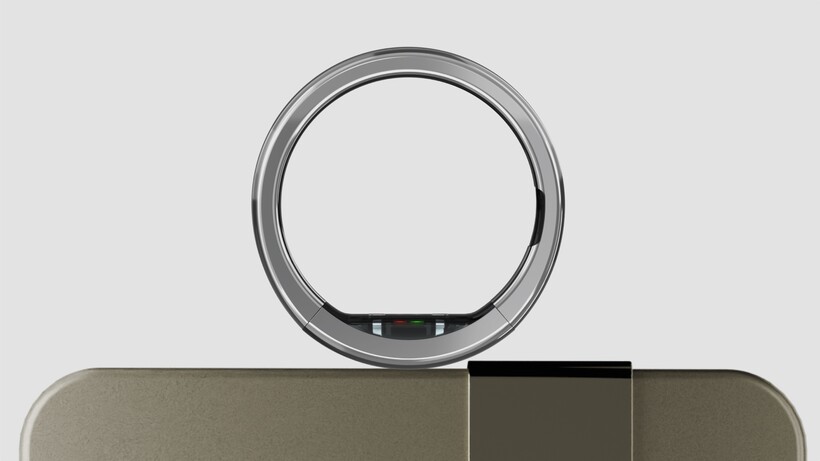
Courtroom battles defined the smart ring industry last year, and we expect that theme to continue in 2026.
Before we dive into the need-to-knows before choosing a smart ring—and our top recommendations—here’s a quick refresher on what’s happening and what we’re testing next.
Legal battles continue to affect US availability
Courtroom battles defined the smart ring industry last year, and the theme is likely to continue in 2026.
Last September, Oura announced that its lifetime sales surpassed 5.5 million rings, making it the clear industry leader. However, much of this growth has occurred amid high-profile patent disputes.
Oura successfully secured a US import ban on its biggest rivals, Ultrahuman and RingConn, earlier in 2025. Last October, RingConn agreed to pay royalties to Oura (just as Circular did before them) to resolve the ban, and that means it’s available in the US again.
However, the legal fight for Ultrahuman continues into 2026. Oura also filed against Samsung, Reebok, Zepp Health, and Nexxbase (the parent company of Noise, which produces the Luna Ring 2) in late November.
No outcome has been established in that particular case, which means they’re all technically available to buy; we’ve found availability for these brands’ options to be hit-or-miss stateside.
Confirmed smart ring launches in 2026:
- RingConn Gen 3 (late 2026)
- Ultrahuman Ring Pro (already available to pre-order)
Smart rings: FAQ
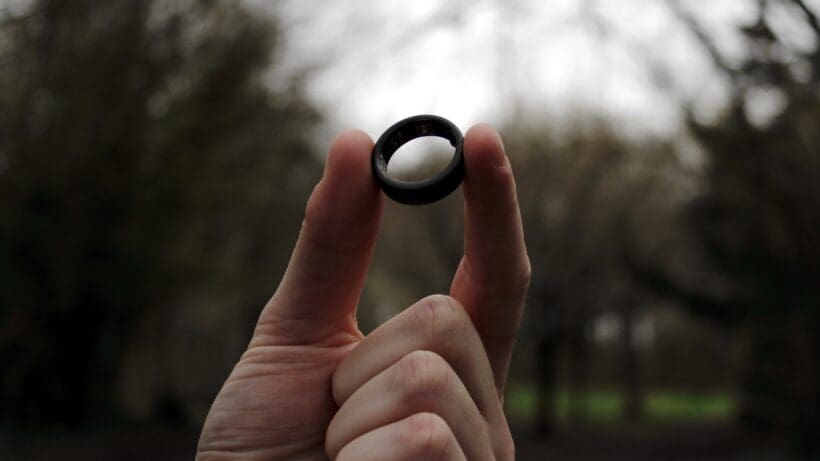
Smart rings are small, discreet wearable devices—ideal for those who want to enjoy the benefits of a wearable without the bulk of a smartwatch or fitness tracker.
They primarily track sleep, steps, recovery, and stress levels. Smart rings have gained popularity because they are more comfortable to sleep with than smartwatches. Additionally, they provide in-depth health insights while allowing you to wear your favorite watch or timepiece.
It depends, and this is a crucial factor. For the industry leader Oura Ring 4 use, you need a $5.99/month subscription to access full insights, historical data, and advanced features. However, with major alternatives like Ultrahuman Ring AIR, RingConn Gen 2 and Gen 2 Air, Circular Ring 2, and Renpho LYNX Smart Ring, you do not need any ongoing subscription to access your data.
Smart rings typically struggle with tracking workouts, and very few offer advanced health features like ECG or blood pressure monitoring. The absence of a screen and NFC also makes them feel less practical than a smartwatch on a daily basis.
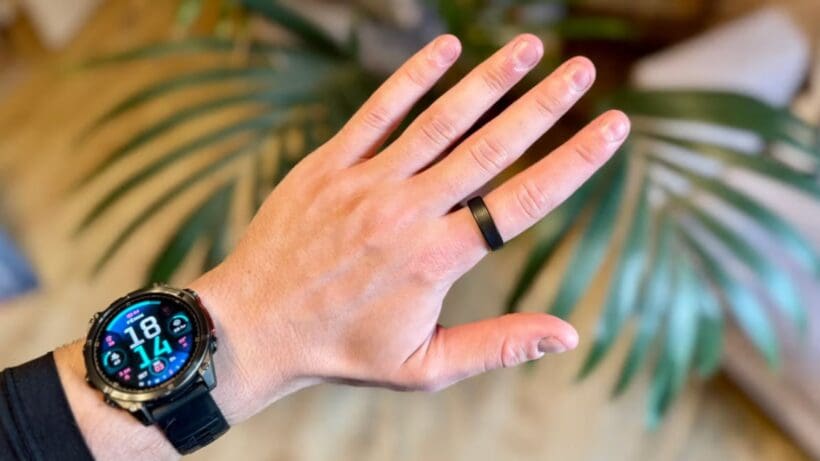
Generally, smart rings are meant to be worn on the index finger, but you can wear them on any finger you prefer.
Most of the smart rings we’ve tested come with a sizing kit that includes a plastic version of the ring, allowing you to try a range of sizes before the actual ring is shipped to you.
It’s important to wear the test ring for a day or two to ensure it fits well and doesn’t slip off while washing your hands (we’re speaking from experience!). A snug fit that doesn’t twist is crucial for obtaining accurate sensor data, so this aspect is significant.
Smart rings take a beating, so getting something that won’t be torn to shreds after a couple of months is important. Many rings like RingConn and Oura are made of titanium, which is light and supposed to be very scratch resistant. Yet, we always suggest taking it off when doing activities like lifting weights, because it will get scratched. However, ring protectors can help with this.
Additionally, most smart rings are at least 5ATM water resistant, meaning they can be worn in the pool or shower. That’s not universal, though, and there are rings with lower ratings that only protect against washing your hands, so beware.
Many of the rings we’ve encountered so far have been designed to monitor aspects of your health and fitness. Heart rate, SpO2 (blood oxygen), and temperature sensors are quite standard now. Additionally, we’re beginning to see the first rings capable of taking an ECG entering the market.
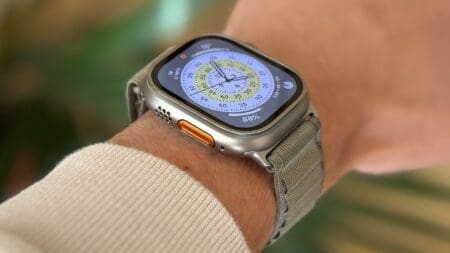
Neither is necessarily better; they serve different purposes. A smartwatch (like an Apple Watch) is an active companion for your wrist. It delivers notifications, apps, payments, and active workout tracking. A smart ring is (generally) a passive health monitor. It’s designed to be discreet, comfortable (especially for sleep), and provide deep insights into your body’s readiness, sleep quality, and stress, without the distracting screen.
How we test smart rings
Unlike most sites, Wareable has been testing smart rings since the early days, giving us extensive experience. We wear and compare smart rings constantly, and testing never stops.
Each has been worn for months to assess how the data compares in terms of tracking accuracy and long-term insights.
The smart rings we recommend from our reviews
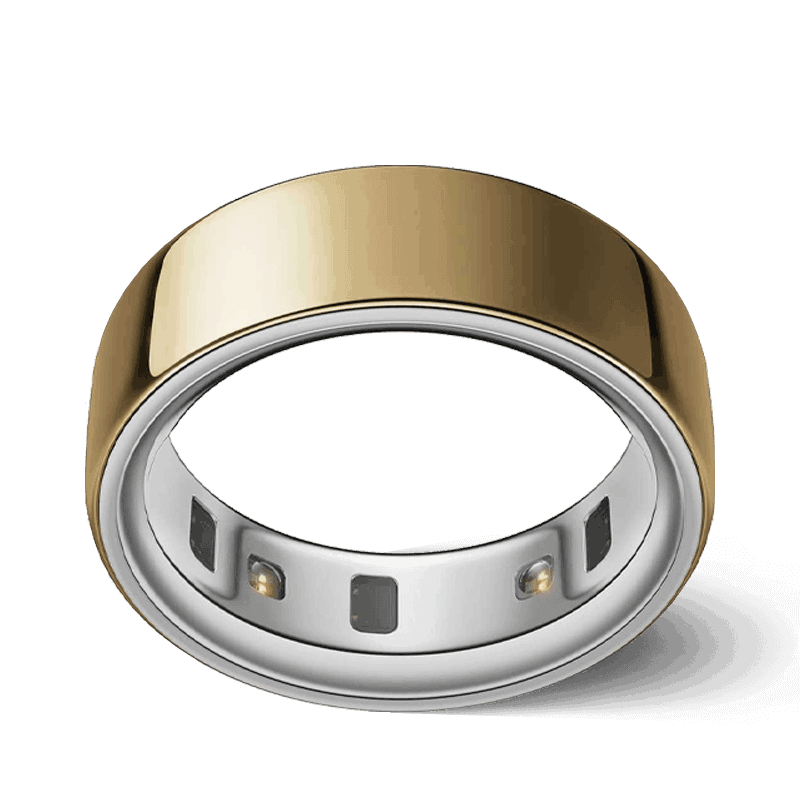
RingConn Gen 2
- Weight: 2–3g (depending on size)
- Sensors: PPG, SpO2, skin temperature, accelerometer
- Color options: Future silver, matte black, royal gold, and rose gold
RingConn’s Gen 2 is arguably the best smart ring for pure comfort. At just 2mm thick, it is the slimmest one on the market and feels remarkably like a standard piece of jewelry.
It is also the undisputed battery champion in this lineup, providing 10–12 days of use with a single charge—a figure that truly sets it apart from competitors.
During testing, we found the data for sleep, health, and basic activity to be consistently accurate, with the sleep apnea feature being the only major drain on its massive endurance.
Our primary criticism remains the companion app; it functions more as a data hub filled with graphs rather than a polished coach that fosters behavior change.
However, with a price tag of $299, no subscription fees, and a charging case that offers up to 20 full cycles, it is an incredibly practical choice—especially now that legal settlements have restored its availability in the US.
- Check out our full RingConn Gen 2 review
| PROS: | CONS: |
|---|---|
| Incredibly light and thin design | App is mind-numbingly dense |
| Accuracy is very solid | Prone to scratches |
| Unrivaled battery/charging combination | Lacks integrations for activity |
Oura Ring 4
- Weight: 3-4 grams (depending on size)
- Sensors: PPG, skin temperature, accelerometer, IR sensor to check alignment
- Color options: Silver, brushed titanium, matte black, stealth black, rose gold, gold; ceramic finishes in tide, midnight, cloud, and pink
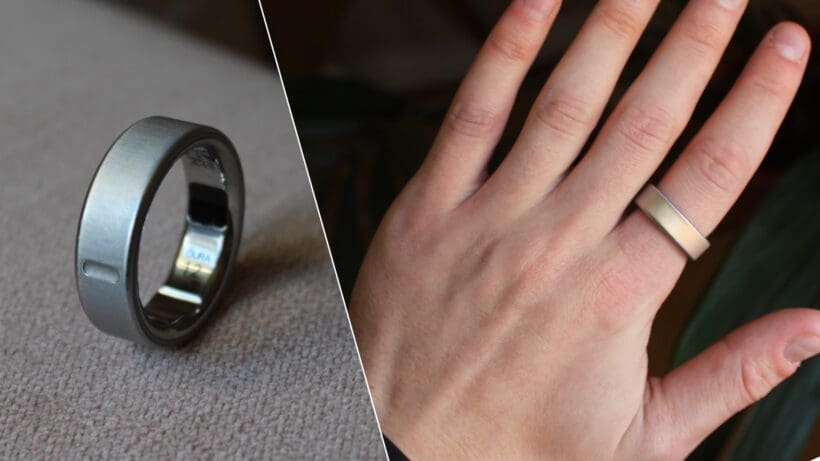
Based on our experience, Oura Ring 4 currently just slightly falls short of the best smart ring you can buy in 2026. Yet, it actually makes a strong case as the top piece of wearable tech on the entire market.
The app is the most polished and well-presented of the ones we’ve tested, and its stress, sleep, and health-tracking accuracy—supported by a growing body of scientific validation—is also superior to any other device we’ve used.
In addition to sleep tracking, it analyzes readiness and activity, providing daily updates on core vitals, including breathing rate, heart rate, and body temperature. This also feeds into features like Symptom Radar, which we’ve found relatively accurate at predicting health issues.
Does Oura outpace its rivals?
In the past couple of years, the platform updates have shifted the focus to tracking stress resistance, cardio fitness, ‘age’, and how your sleep patterns align with your circadian rhythm.
The latest major refresh in October 2025 debuted improved cycle insights and another handy stress-tracking metric, Cumulative Stress.
The app can also now track metabolic health, with the recent rollout of blood test integrations for those in the US. If you log meals using its AI identification algorithm, it will also analyze your meal regularity. Oura is consistently improving the experience, evidenced by the 2026 rollout of a specific AI model trained on clinical research of female physiology, proving itself as a fierce competitor to other brands.
We love Oura—but the price might not be right for you
In our view, Oura Ring 4’s features easily justify the subscription price if you crave something beyond the typical, mind-melding historical graphs of countless metrics.
If you don’t, the expense of Oura—which starts at $349 and requires a rolling $5.99 monthly subscription—makes little sense. If you need a premium alternative, then dive into the other options below.
Our only other key gripe with the Oura Ring 4 is its size. The brand didn’t slim down the profile for its latest generation—or the Ceramic collection.
So, while it’s lighter and more comfortable than Gen 3, it’s also bigger than its rivals. If you want the thinnest smart ring available, Oura Ring 4 isn’t the right pick.
- Check out our Oura Ring 4 review
| PROS: | CONS: |
|---|---|
| Consistent improvements | Thicker than competitors |
| Smart circadian insights | Relatively expensive over time |
| Brilliant presentation of data on the app | Workout tracking is still glitchy |
Ultrahuman Ring AIR
- Weight: 2.4g-3.6g (depending on size)
- Sensors: PPG, SpO2, skin temperature, accelerometer
- Color options: Aster Black, Matte Grey, Bionic Gold, and Space Silver
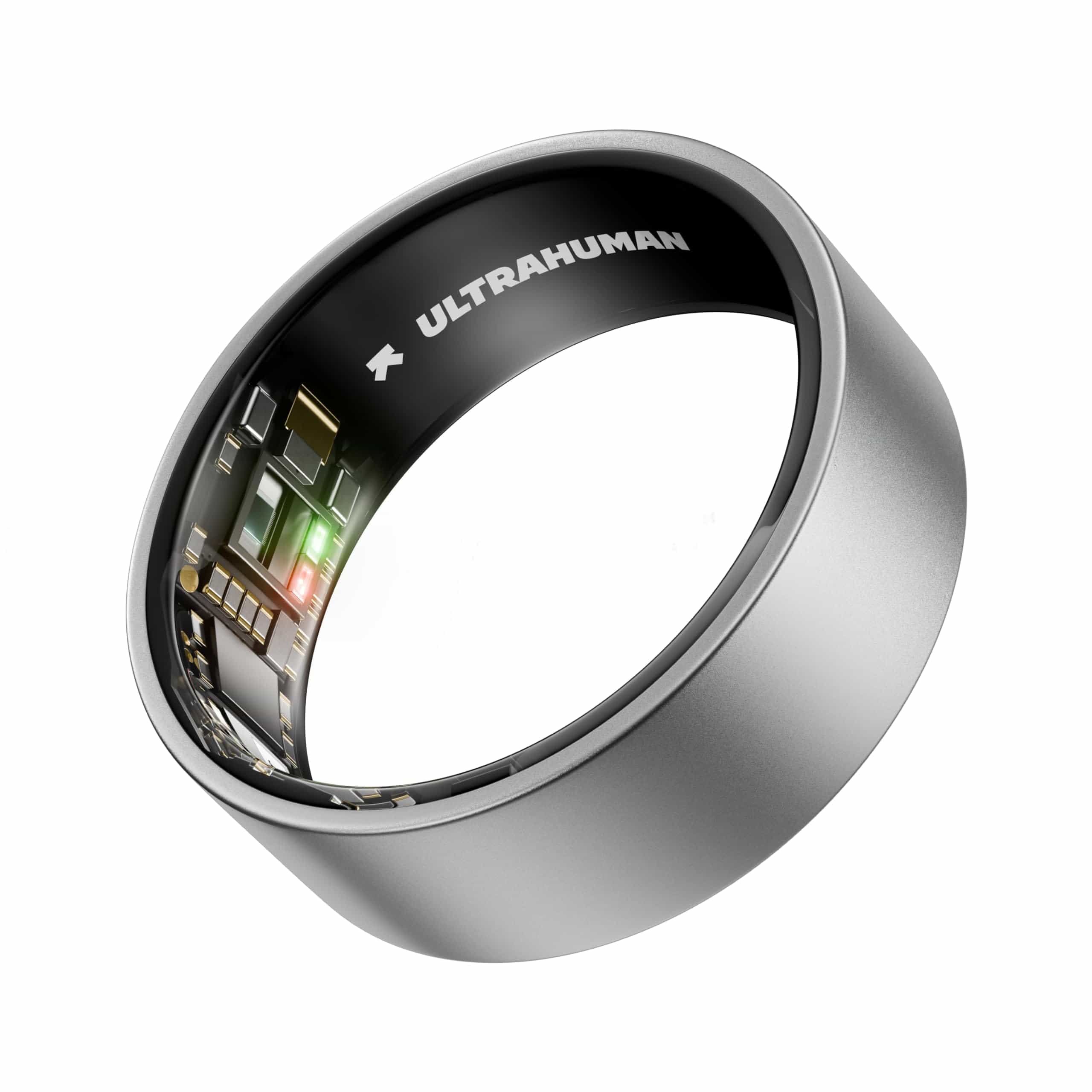
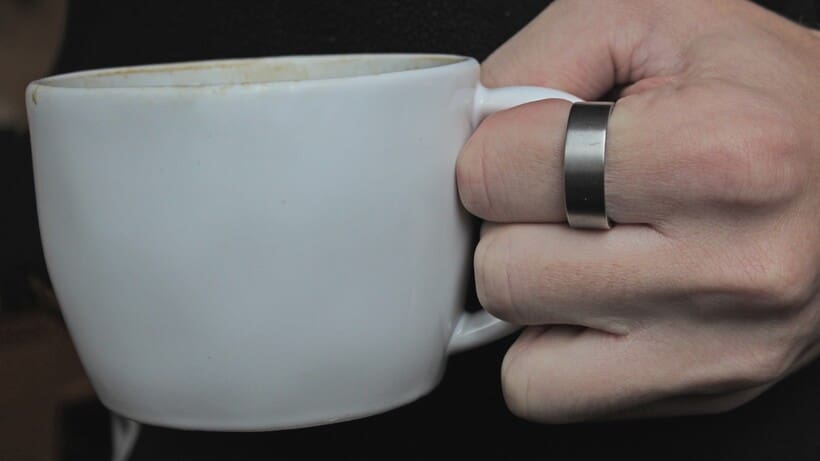
The Ultrahuman Ring AIR remains our favorite activity-focused, subscription-free choice, centered on movement, recovery, and circadian rhythms.
It offers unique features like the Adenosine Clearance Window guide to help you manage caffeine intake for better rest. Meanwhile, the app’s modular PowerPlugs allow a customizable experience (including AFib detection and jet lag advice).
We think the platform—which also lets you integrate other hardware from the brand—and presentation is better than RingConn’s slightly cluttered offering. And, in our testing, its accuracy compared well with Oura’s in areas like sleep and recovery insights.
Ongoing availability issues—and new hardware to consider
The brand’s hardware landscape is shifting rapidly. While the Ring AIR still holds its own, Ultrahuman officially announced the Ring PRO in February 2026, a $479 third-generation flagship boasting a category-leading 15-day battery life.
Its impending rollout makes the Ring AIR (£329 / €379) feel like a much tougher sell. It would be remiss of us not to mention the ongoing US import ban on the Ring AIR due to the patent dispute with Oura. Ultrahuman is actively fighting this, but there’s no telling when the rings will be available to purchase again stateside.
- Check out our full review of the Ultrahuman Ring AIR
| PROS: | CONS: |
|---|---|
| Solid health data and activity monitoring | Circadian window needs to be developed |
| Interesting features, like stimulant window data | Bland design |
| Thoughtful prompts and recommendations | Currently unavailable in the US |
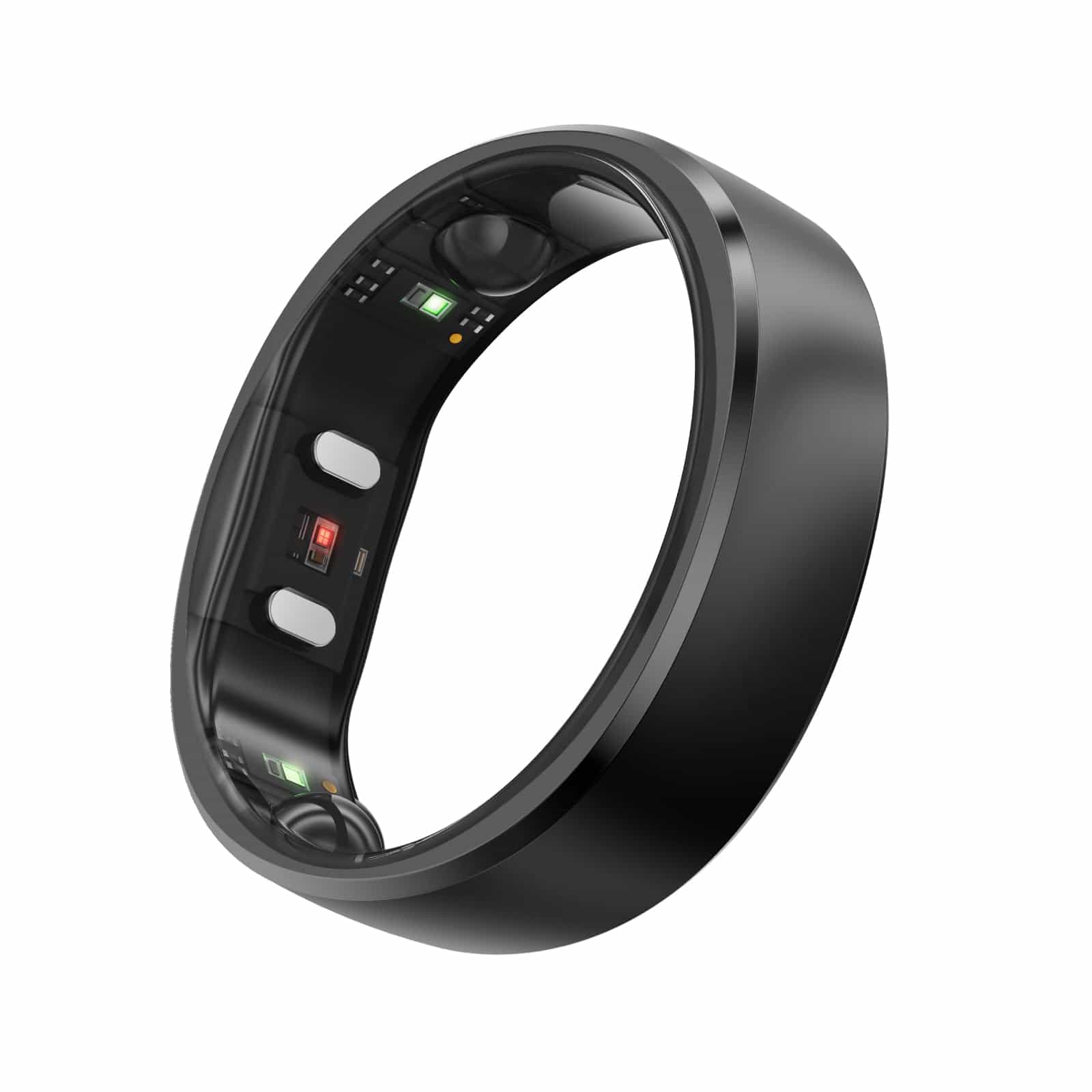
Renpho LYNX Smart Ring
- Weight: 4–5g
- Sensors: PPG, SpO2, and accelerometer
- Color options: Silver and black
Renpho LYNX Smart Ring is probably one of the more simplistic, affordable, and best subscription-free options in this lineup. Despite that, it still holds its own pretty well against more expensive picks.
At $179.99, Renpho LYNX Smart Ring feels like a worthy competitor. The health tracking is quite reliable, and the companion app translates data into clear and straightforward information.
However, you don’t get the same level of deep insights you’d see from Oura Ring 4 or Ultrahuman Ring AIR. It covers the basics and provides graphs, but doesn’t go beyond that.
Feature-wise, Renpho LYNX Smart Ring has all the basics: sleep tracking, heart rate, activity, stress, and blood oxygen. Nothing too extravagant, but it’s solid and consistent.
That said, the feature we most want to highlight is actually its battery life. You’ll get around 7 days from a single charge, and the charging case extends that up to about 12 days when you’re on the go. It’s almost comparable to the RingConn Gen 2 model’s 10–12 days of battery life.
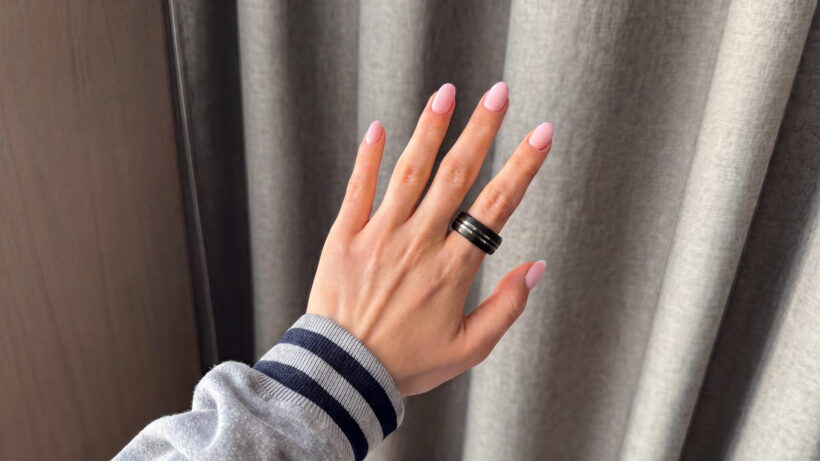
The design itself is minimal and simple, with just black and silver options. It’s a bit bulkier and heavier than some others, so you notice it on your finger more often.
| PROS: | CONS: |
|---|---|
| Great price and feature balance | A bit bulky and uncomfortable |
| Charging case is super convenient for travel | Lacks deeper insights |
| Relatively reliable health data | Fewer features |
RingConn Gen 2 Air
- Weight: 2.5–4g (depending on size)
- Sensors: PPG, SpO2, skin temperature, accelerometer
- Color options: Galaxy silver and dune gold
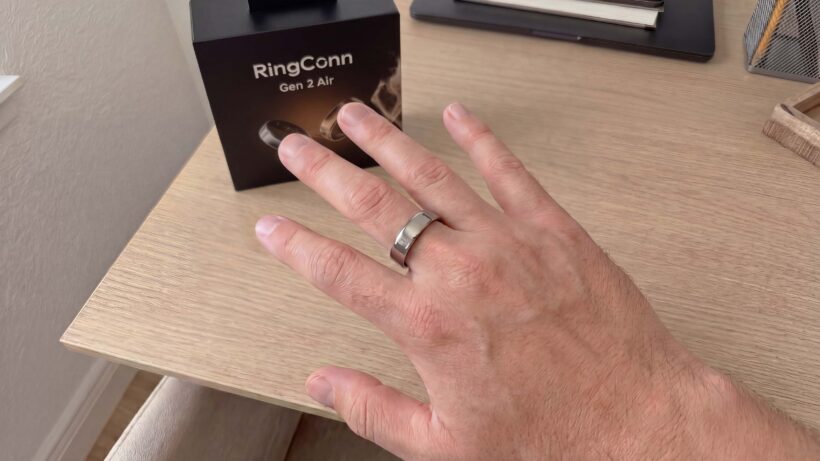
RingConn’s Gen 2 Air is a more affordable alternative to the RingConn Gen 2. It shares the same focus on comfort and value, yet has fewer style options and features. It’s also a bit heavier than the Gen 2 and uses a premium stainless steel build rather than aerospace-grade titanium.
RingConn Gen 2 Air holds its ground with an impressive battery life, providing up to 10 days of use on a single charge.
Interestingly, without the sleep apnea feature, we noticed that the battery sometimes outlasts the Gen 2 model. Other than that, the ring tracks sleep stages, heart rate, heart rate variability, oxygen saturation, skin temperature, and basic activity.
Priced at just $199 and with no subscription fees, we believe the RingConn Gen 2 Air is a worthy rival to the top smart rings in this lineup.
| PROS: | CONS: |
|---|---|
| Comfortable to wear | Uninteresting app insights |
| Long-lasting battery | Heavier than RingConn Gen 2 |
| Relatively cheap for its feature set | No sleep apnea monitoring |
Circular Ring 2
- Weight: 2–3g
- Sensors: PPG, ECG, bioimpedance, accelerometer
- Color options: Gold, silver, black, and rose gold
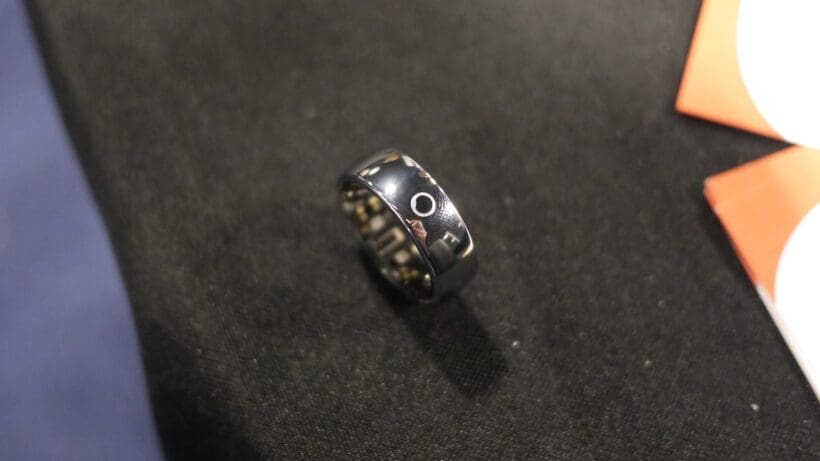
Circular Ring 2 represents a massive step up from the previous Slim model. Now featuring a more sophisticated design, its look finally rivals the industry’s biggest names.
The headline feature is the built-in ECG and FDA-cleared AFib detection, powered by physical electrodes, delivering medical-grade readings without a subscription. In 2026, it’s the only smart ring that can deliver such a feature.
Circular also innovated with a Digital Sizing app for this generation, which uses AI and your phone’s camera to find a perfect fit, potentially eliminating the waste from plastic sizing kits.
While testing the ring, we noticed that its battery life lasts up to a week, though this reduces in its Performance mode. Also, an included charging case effectively rights many of the brand’s previous mistakes.
However, the app remains its Achilles’ heel. We encountered frequent sync delays and bugs during initial testing. It’s also fallen behind other challengers in data presentation and doesn’t deliver actionable, unique insights like the other options.
| PROS: | CONS: |
|---|---|
| Unique design | Difficult syncing between the app and the smart ring |
| Has an ECG feature | Boring data and insight presentation |
| Digital finger sizing is great for the environment | Some inaccuracies in health data |
Leep Ring
- Weight: 2.4–3.6g (depending on size)
- Sensors: PPG, SpO2, skin temperature, motion sensor
- Color options: Starlight silver and midnight blue
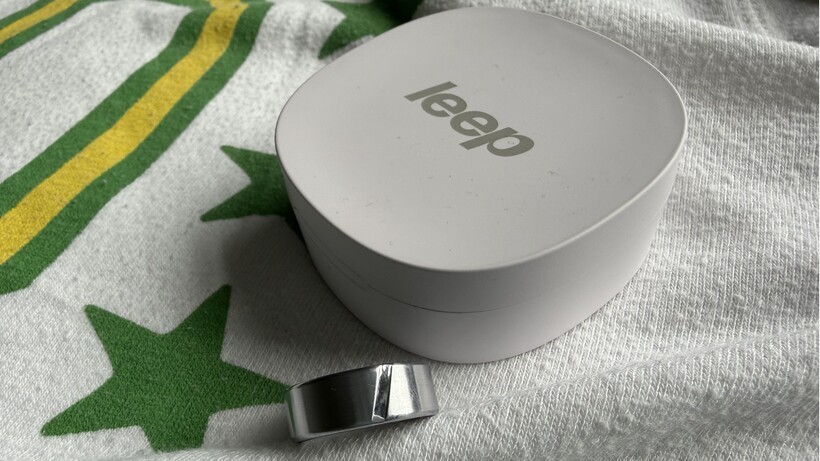
The Leep Ring is a strong debut for the UK-based startup, offering a sleep-first approach at a competitive $199 price point (with no subscription required).
In our full testing, it matched the data quality of established brands like RingConn and Oura across sleep duration, sleep scores, step counting, and stress analysis. It’s also an incredibly friendly app platform, especially impressive given it’s for a debut product. Usually an afterthought of startups, the Leep Health app delivers with a strong emphasis on intuitive feedback and a clean interface.
At 2.6mm thick, the titanium shell is also slimmer than Oura’s latest. And the included charging case provides a massive 60 days of backup power, which is a huge win for a ring at this price point.
While the hardware is impressive and features offline sync, the experience is currently limited by iOS exclusivity and a few first-gen app bugs—though Android support should arrive soon, the brand says.
As a budget-friendly option for those who only care about basic metrics like sleep tracking, it’s one of the best current options on the market.
- Check out our full Leep Ring review
| PROS: | CONS: |
|---|---|
| Intuitive app interface with actionable data | Quite a few platform bugs |
| Sleep tracking accuracy compares well | Currently exclusive to iOS |
| Super competitive price (and no ongoing subscription) | No serious health insights |
Amazfit Helio Ring
- Weight: 3.75-4g
- Sensors: PPG, accelerometer, temperature sensor, EDA sensor
- Color options: Titanium
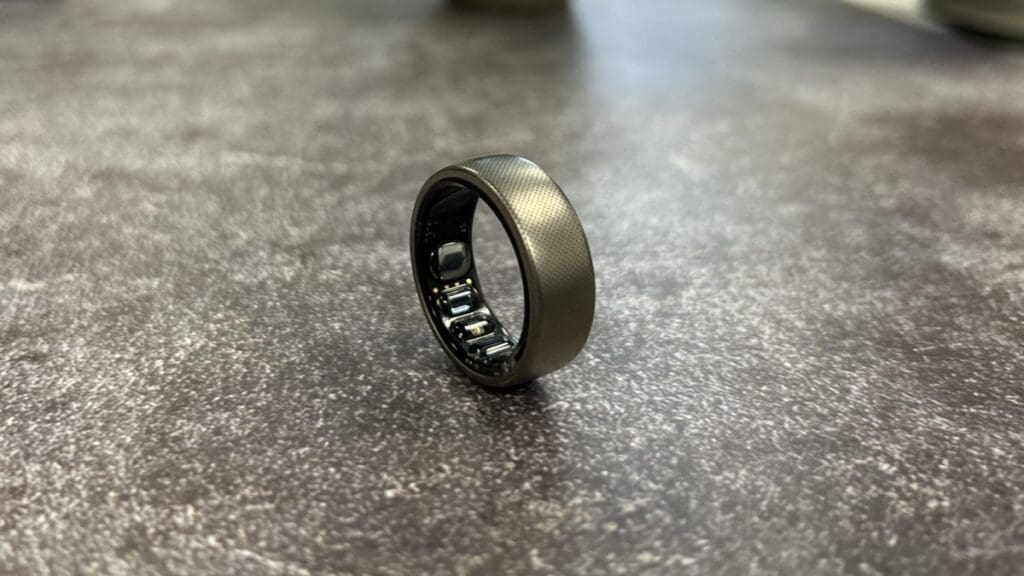
We love the build and design of Helio Ring; it’s one of our favorite smart rings to date, purely for its appearance and feel. The titanium alloy remained scratch-free throughout our weeks of testing, and it’s also slim and lightweight. Additionally, it is 10 ATM water-resistant.
Since launch, the company has significantly reduced the Helio Ring’s price, making it the most affordable smart ring on the list at $149.99. It’s also completely revamped the app design, making it a friendlier budget option. Though it is still only available in US 8, US 10, and US 12 sizes.
The other main issue with the Helio Ring is that it offers little unique functionality. The readiness, recovery, and sleep-tracking metrics are already included in the company’s smartwatches, meaning there’s not much reason to opt for it.
Our testing also showed that the sleep data was significantly higher than that of the Whoop, Oura, and Apple Watch. Plus, the insights aren’t as extensive as other budget offerings from the likes of RingConn and Leep.
If you love the Amazfit ecosystem and want a ring to give you a break from wearing a watch, this ring could be a solid companion. Otherwise, proceed with caution.
- Read our full Amazfit Helio review
| PROS: | CONS: |
|---|---|
| Sleek, quality build | Only two sizes at launch |
| Good battery life | Overestimates sleep wildly |
| Scratch resistant | Static and unintuitive readiness scores |
Smart ring specs compared
| Smart ring | Weight | Sensors | Battery (tested) | Water resistance | Subscription |
|---|---|---|---|---|---|
| RingConn Gen 2 | 2–3g | PPG, accelerometer, SpO2, skin temperature sensor | 10–12 days | IP68 (100m) | None |
Oura Ring Gen 4 | 3.3–5.2g | PPG, SpO2, accelerometer, skin temperature sensor | 5–8 days | IPX8 (swim-proof up to 100 meters) | $5.99 per month |
| Ultrahuman Ring AIR | 2.4–3.6g | PPG, accelerometer, skin temperature sensor | 6 days | IPX8 (swim-proof up to 100 meters) | No (but some PowerPlugs are paid) |
| Renpho LYNX Smart Ring | 4–5g | PPG, SpO2, accelerometer | 7 days | 5ATM (waterproof up to 50 meters) | None |
| RingConn Gen 2 Air | 2.5–4g | PPG, accelerometer, SpO2, skin temperature sensor | 10 days | IP68 (100m) | None |
| Circular Ring 2 | 2–3g | PPG, ECG, bioimpedance, accelerometer, skin temperature sensor | 4–5 days (Performance Mode) | IP68 | None |
| Leep Ring | 2.4–3.6g | PPG, SpO2, skin temperature sensor, accelerometer | 8 days | 5ATM | None |
| Amazfit Helio Ring | 3.75–4g | PPG, accelerometer, skin temperature, motion sensor | 4 days | IP68 (100m) | None |
Bottom line: Which smart ring is the best in 2026?
Not every situation calls for a smartwatch or other fitness tracker. Sometimes you just need something low-key like a smart ring.
Our top choice in 2026 is RingConn Gen 2—a reliable smart ring with many tracking features, impressive battery life, and a light, comfortable design.
Of course, Oura Ring 4 remains one of the top contenders, though alternatives without a subscription are especially appealing these days. Ultrahuman Ring AIR and RingConn Gen 2 Air are both solid picks that cover all the essentials, last a long time on a single charge, and offer lightweight designs.
You also shouldn’t write off Renpho LYNX Smart Ring, especially if you’re looking for a tracker for your workouts and daily activities.
The last 3 smart rings come with a few more drawbacks, but they shouldn’t be overlooked. Circular Ring 2 brings some pretty advanced technology, including an FDA-cleared ECG feature. Meanwhile, Leep Ring and Amazfit Helio Ring keep things simple and affordable, making them perfect if you’re just getting into health tech.