Following reports that manufacturing ceased over the summer, the Swiss luxury house is winding down its digital timepieces
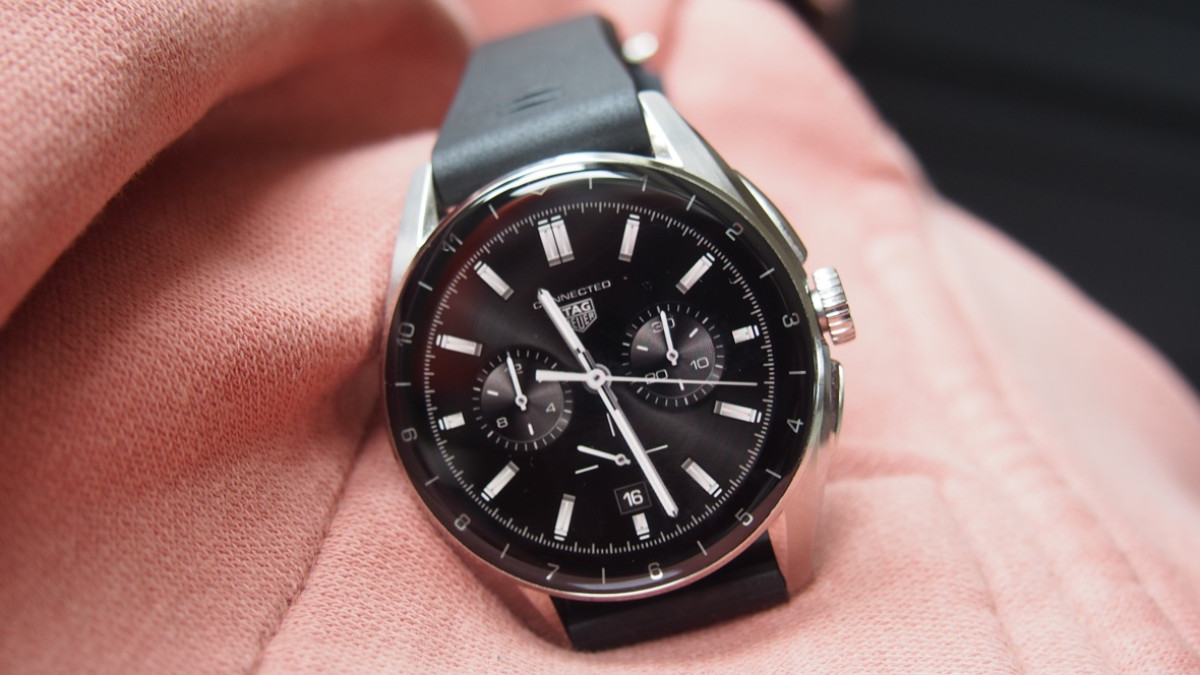
Tag Heuer has reportedly ended its decade-long smartwatch experiment, quietly ending production of its Connected smartwatch lineup over the summer.
New rumors follow an August report from the French publication La Lettre suggesting the remaining device inventory—like last year's Tag Heuer Connected Caliber E5—will be sold off through 2027. No future generations are being planned, it's said, with lingering uncertainty over long-term software support and after-sales service.
Neither Tag nor its parent company LVMH has publicly confirmed the move, but the winding down reflects the realities traditional Swiss watchmakers face when trying to bridge mechanical heritage with fast-moving consumer tech.
The luxury brand first entered the space back in 2015 with a $1,500 Android Wear watch designed to echo its classic mechanical models.
Over the years, the project saw massive financial investment, culminating in last year's release of the Connected Calibre E5. That model dropped Google's Wear OS for a custom in-house software platform and secured Apple's Made for iPhone certification to court iOS users.
Despite these refinements, maintaining software ecosystems, rapid technological obsolescence, and fierce competition from mainstream tech platforms proved difficult to sustain for a brand whose core identity rests on mechanical craftsmanship.
How tech-native brands are mastering luxury tool watches
The timing of Tag Heuer's retreat throws a sharp spotlight on how the wider watch market is evolving.
While traditional luxury houses struggle to make smartwatches economically viable, tech-native giants with deep engineering roots are successfully conquering the ultra-premium tier.
Garmin recently signaled this shift by announcing its MARQ Gen 3 collection. Priced from $2,499 / £2,199, these Grade-5 titanium luxury tool watches blend high-end watchmaking aesthetics with advanced features like standalone inReach LTE satellite messaging, borderless AMOLED displays, and gold-standard training metrics.
While traditional Swiss watch exports have declined year after year, brands like Garmin are proving that consumers will pay luxury prices for high-end wearables—provided the hardware matches its price tag with unmatched utility.
As Tag Heuer potentially looks to clear out its final Connected stock over the next year, the luxury smartwatch landscape looks increasingly defined not by traditional watchmakers dipping their toes into tech, but by tech heavyweights mastering the art of luxury.
Still, we'll keep our ears open until an an official announcement is made by Tag Heuer—there may still be a change of strategy.