The new flagship arrives with automated calling for breathing episodes, metabolic trend reports, and a price hike
Google has taken the wraps off the Pixel Watch 5 at its 'Made by Google' event in New York, with the fifth-generation Android smartwatch headlined by Breathing Emergency Detection, a more proactive Gemini, and fitness-tracking accuracy improvements.
Notably, Google has moved its official reveal up from last year: the Pixel Watch 4 didn't hit shelves until October 9th.
This time, pre-orders begin today (August 12th), with the Pixel Watch 5 starting at $399 (41mm) and $429 (45mm), and officially available from August 20th. There's also a Stephen Curry Special Edition ($579) landing on September 3rd.
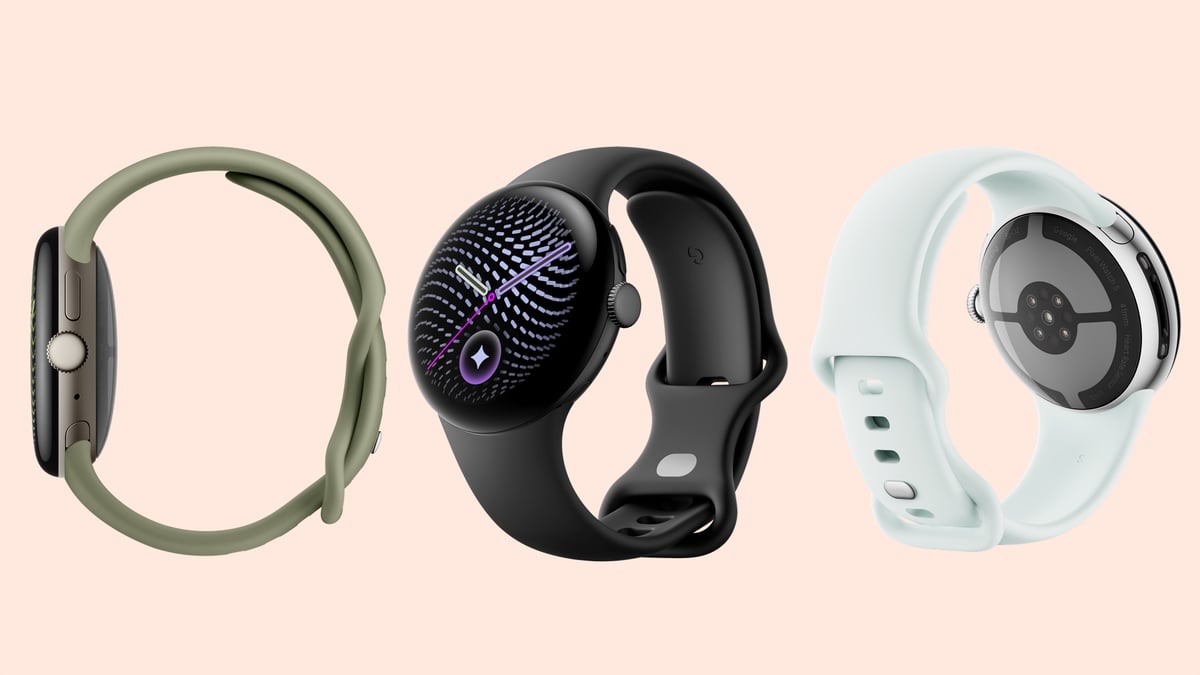
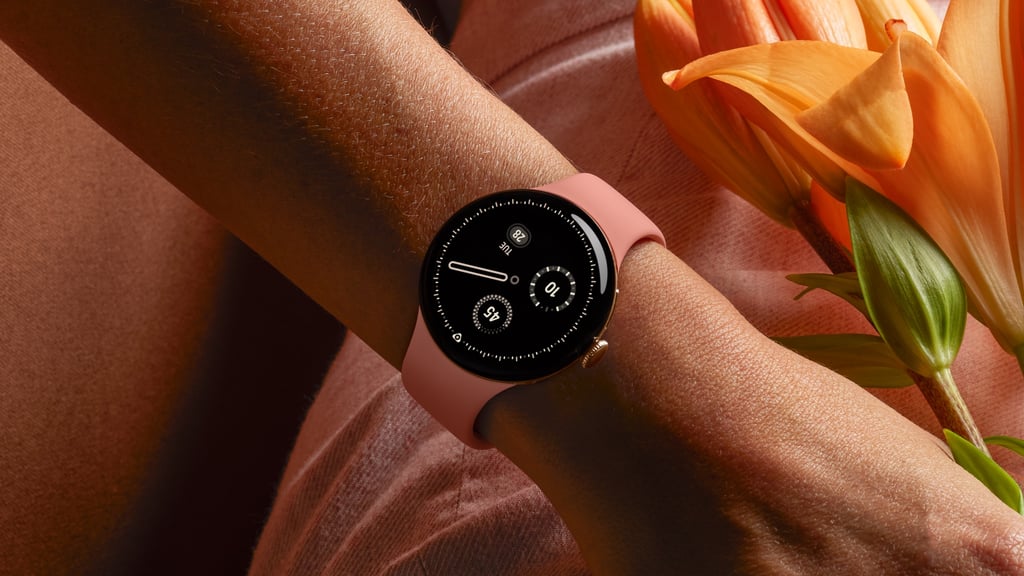
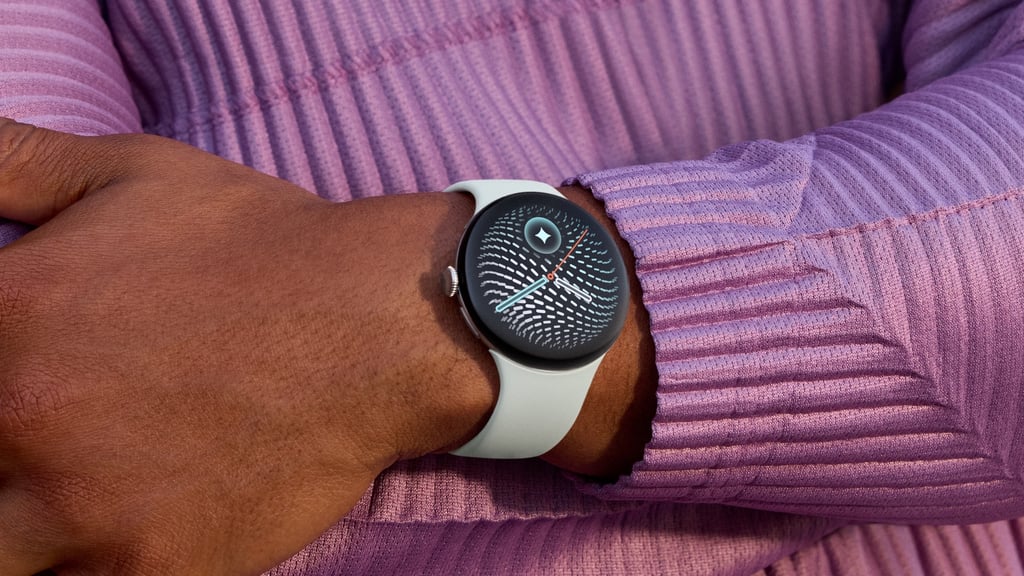
On the surface, this looks like the most iterative Pixel Watch update yet. The 41mm and 45mm case sizes, the domed Actua 360 display, and the general silhouette largely carry over from the last-gen model.
However, a quick dig into the software and spec sheet reveals a clear throughline to Google's strategy for this generation: doubling down on being the 'serious' health option in the Android smartwatch space.
Google continues its advanced health features push
The major addition is Breathing Emergency Detection, an industry-first feature launching in Europe first.
It uses the watch's optical heart rate sensor, accelerometer, and barometer, combined with on-device AI, to monitor for severe, sustained drops in blood oxygen—the kind associated with choking, severe pneumonia, or drug-related overdoses.
If it detects an emergency and gets no response, the watch will automatically call for help and share your location. It's a natural next step from Loss of Pulse Detection, which the Pixel Watch 3 introduced two years ago.
Google is also adding three new monthly trend reports under its 'Health Guardian' that cover blood pressure, insulin resistance, and sleep and breathing quality. It says these tools are built on health models trained on sensor data and checked against clinical measurements.
These land after a month of continuous wear and sit inside the revamped Google Health app (alongside existing tools like ECG and irregular heart rate alerts).
On the AI side, Gemini graduates from the voice assistant that debuted last year to something more proactive.
Core 'Raise to Talk' requests now process on-device—even offline—and a new 'Proactive Suggestions' feature surfaces relevant info automatically.
Google's own example is pulling up dinner reservation details the moment a family member asks about them. A double-pinch gesture lets you confirm and send suggestions hands-free.
Big fitness-tracking claims
Fitness gets its biggest shake-up in years, too, with structured strength and HIIT circuit building, a Readiness Score to guide training decisions, and GPS tracking that Google claims is twice as accurate as before, thanks to 3D building modeling borrowed from Google Maps and real-time weather corrections.
Google says the result now beats the Apple Watch Ultra 3 and Garmin Fenix 8 Pro for route accuracy—a bold claim I'm keen to put to the test over the coming months in city race tests, as well as running and cycling tracking in easier GPS environments.
Battery life, meanwhile, looks static for the Pixel Watch 5: Google quotes up to 40 hours for the 45mm model, the same figure it gave for the Pixel Watch 4. In testing, we found that this often proved to be closer to (or beyond) 48 hours—so, another element to put to a proper test in the coming weeks.
We'll post our full verdict on the Pixel Watch 5 in the coming weeks—including a closer look at how it actually stacks up against the Pixel Watch 4 in a dedicated comparison piece.