Research conducted for the Galaxy Watch Ultra 2 shows that pushing through fatigue may do more harm than good
A new study from Samsung reveals a growing 'recovery gap' is sabotaging fitness goals across the UK, despite the nation embracing data-driven workout tracking in record numbers.
According to research aligned with the brand's new flagship smartwatch—the Galaxy Watch Ultra 2—82% of Brits say improving physical health is a top priority, with over half adopting habits once reserved for elite athletes.
However, although 48% acknowledge that rest is as vital as training, only 23% actively prioritize recovery. Instead, 89% admit to pushing through severe tiredness to hit step counts or workout targets, and 55% view rest as an outright hindrance.
The consequence, then, is that the average fitness regime falls apart after just 33 days, with over a third abandoning their goals within the first month.
"Recovery isn't the reward for training—it's part of the training," said Samsung ambassador and Olympic medallist Max Whitlock. "Understanding when your body needs rest is just as important as knowing when to push."
Scores on the doors
Samsung highlights that our trackers can help bridge this gap by replacing guesswork with biometric insights.
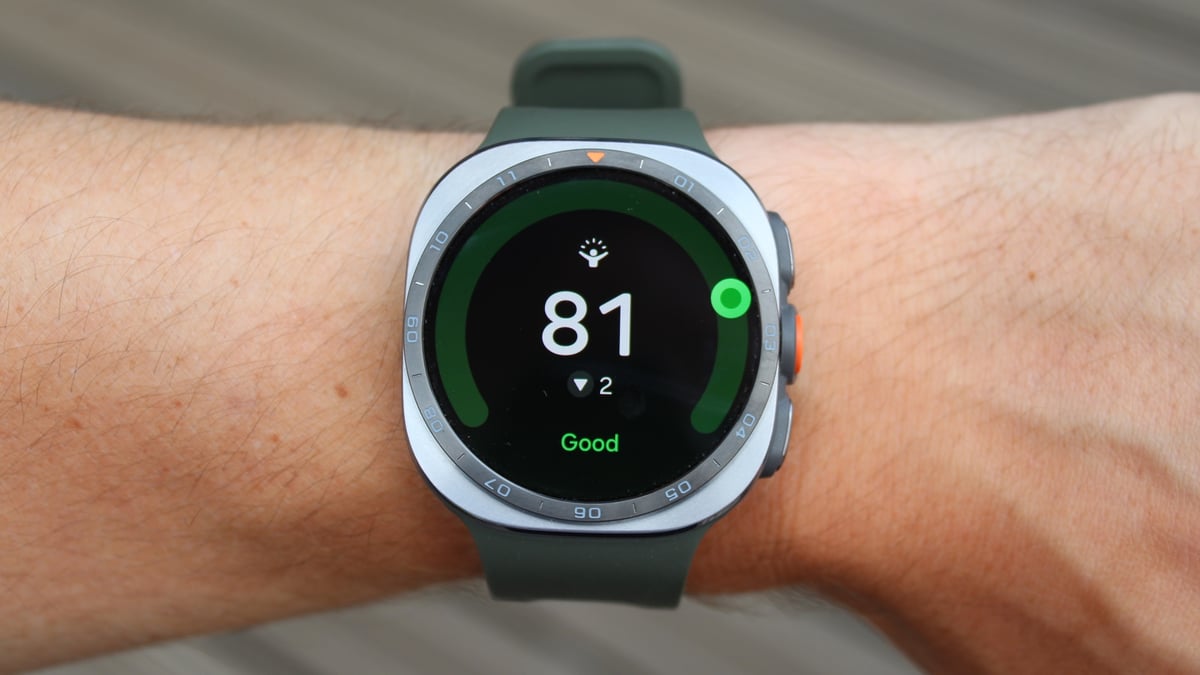
Features on the Galaxy Watch 9 and Ultra 2—such as Energy Score, which amalgamates sleep, activity, and heart rate variability—give users a daily readiness target. Meanwhile, Daily Cardio Load tracks cumulative strain over time to signal when workouts build fitness versus risk burnout.
"We’re training like athletes but recovering like amateurs," says Annika Bizon, Mobile Experience VP at Samsung UK & Ireland.
"By turning personal health data into tailored, actionable insights, people can understand when they're ready to push and when to rest."
Another new feature for 2026—Vitals—is also part of Samsung's push to help users make the best decisions for their health—not just their fitness goals.
And last month, Wareable spoke exclusively with Bizon about how the brand has re-engineered its metrics to be more personalized and prevention-focused.