
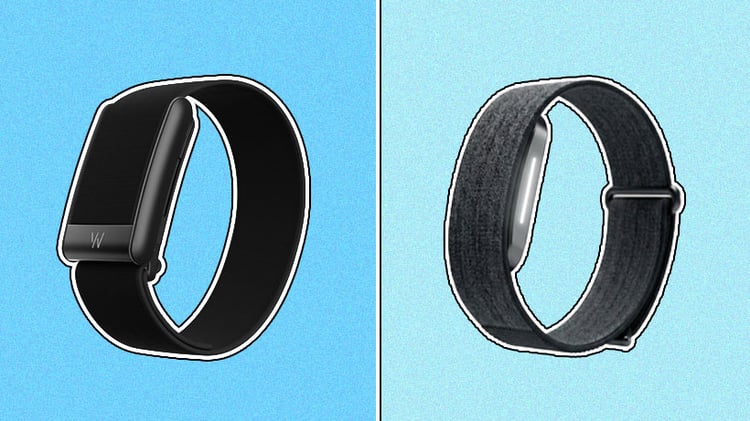
Similar designs, yet different approaches—here’s what we found about each of these trackers
So, you’re thinking about buying a screenless wellness and fitness tracker but can’t make up your mind? If you’re comparing Hume Band 2.0 vs. WHOOP 5.0, you’re certainly not alone. At first glance, both devices look remarkably similar, so we understand that making a decision can feel tricky.
That said, despite their similar designs, they take very different approaches. Hume Band 2.0 focuses on wellness, metabolic health, and longevity. Meanwhile, WHOOP 5.0 is primarily aimed at fitness-focused individuals who want deeper insights into their training, recovery, and readiness.
To help you decide, we tested both side by side, comparing their features, performance, apps, design, comfort, and more. Let’s get to it and find out which tracker is the better fit for you.
| Product name | Hume Band 2.0 | WHOOP 5.0 |
| Price | $199.25 | From $199 |
| Subscription | Not required | Required |
| Battery life | Around 14 days | Around 14 days |
| Water resistance | IP68 (up to 2 hours at 3.2 feet) | IP68 (up to 2 hours at 3.2 feet) |
| Wellness metrics | Heart rate, HRV, SpO₂, blood pressure estimates, skin temperature, sleep stages, sleep score, biological age, pace of aging, metabolic momentum, metabolic capacity | Heart rate, HRV, respiratory rate, SpO₂, skin temperature, sleep stages, sleep score, stress monitor, Healthspan, menstrual insights |
| Fitness metrics | Steps, activity levels, movement patterns, active minutes, distance, strain, recovery | Strain, calories burned, workout detection, training load, VO₂ max estimate, muscular strain, recovery, steps, pace, distance, heart rate zones |
| Third-party integrations | Apple Health, Google Health Connect | Apple Health, Google Health Connect, Strava, and more |
| Warranty | 1-year warranty, extendable to 10 years | Lifetime warranty while membership is active |
| Official website | Visit Hume Health | Visit WHOOP |
Hume Band 2.0 vs. WHOOP: Discussing key differences
Hume Band 2.0 is created by Hume Health, a US-based company focused on wellness and helping users identify potential health concerns through their daily habits. Rather than prioritizing activity, it emphasizes wellness insight by turning your collected data into trends, scores, and longevity-related estimates.
If you’re mainly interested in passively tracking your daily habits and understanding how they may affect your overall well-being, Hume Band 2.0 is likely the more fitting choice.
WHOOP, on the other hand, is built with athletes in mind. Its platform centers on training, recovery, strain, and readiness, using your daily data to help guide your workouts. The brand also offers WHOOP Body apparel, which lets you wear the sensor in different locations while continuing to collect data during any activity.
While it has expanded into broader wellness features in recent years, its primary focus remains helping active users with their performance, so if that sounds like your cup of tea, we recommend WHOOP 5.0.
Design, comfort, and daily wear
The basic look of both Hume Band 2.0 and WHOOP 5.0 is almost the same: screenless bands with a removable sensor that presses against your skin. Nothing too flashy, unless you opt for one of WHOOP’s more colorful premium straps. We actually appreciated the extra customization options WHOOP offers, but at the end of the day, the overall form factor doesn’t change much.
And that’s exactly how these wearables are intended to work—a discreet tracker you can comfortably wear around the clock and almost forget about until it’s time to check your data in the companion app.
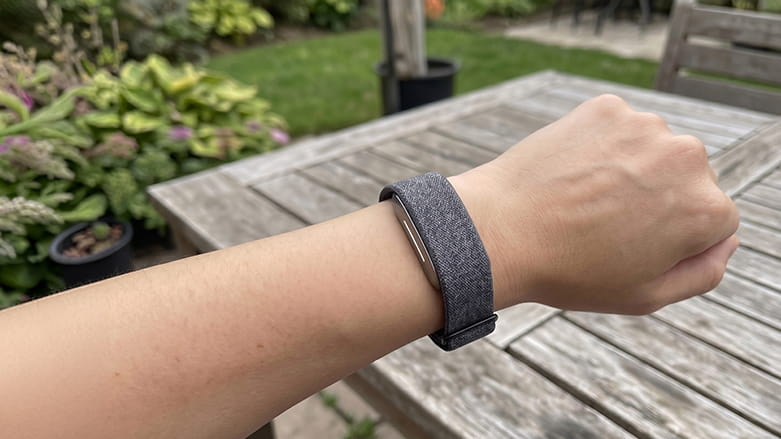
Both Hume Band 2.0 and WHOOP 5.0 are lightweight and water-resistant up to 2 hours at 3.2 feet. Still, we wouldn't consider either band ideal for all water sports. In our experience, strong movements in the water can loosen the strap enough to disrupt tracking.
Hume Band 2.0 uses an UltraLux strap, while WHOOP 5.0’s band can come in SuperKnit, CoreKnit, or LeatherLuxe materials. We didn’t notice a significant difference in comfort, but the bands do have a slightly different feel.
Hume’s strap felt softer and smoother, whereas WHOOP’s was firmer on the wrist but more likely to catch on rough or sharp surfaces. Some team members with longer nails also found WHOOP slightly trickier to put on without snagging either the band or their manicure.
Battery and charging
Comparing battery life isn’t that easy either, since both brands advertise up to 14 days on a charge.
During our testing, WHOOP 5.0 consistently lasted around 12 days, which is reasonably close to the company’s estimate. Since the tracker has no screen, the battery drains slowly. Even after longer workouts, we saw only a small drop in charge.
Our experiences with Hume Band 2.0 were more mixed. One tester reported the tracker exceeded the advertised battery life, lasting well over two weeks between charges. However, a second unit appeared to have a faulty battery, needing recharging after about seven days.
Because of this inconsistency, we can’t confidently say whether Hume Band 2.0 meets the advertised battery life, but it certainly improved since the original Hume Band.
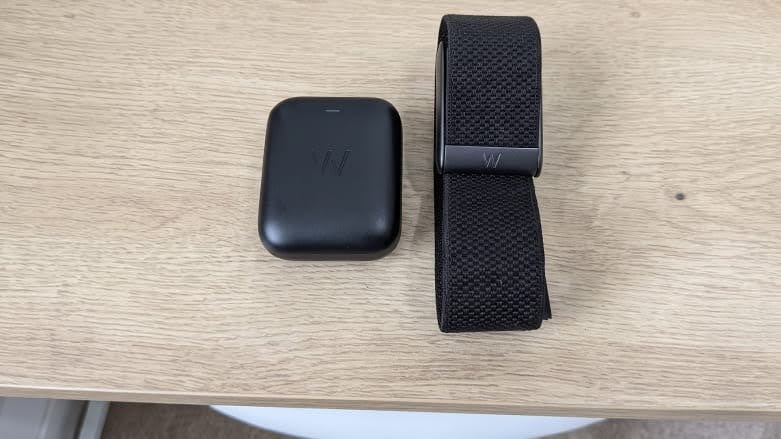
Another feature worth mentioning is WHOOP’s optional wireless PowerPack. Basically, this compact battery pack slides onto the tracker while you’re wearing it, letting you recharge without taking the band off. A full recharge takes around two hours, allowing you to continue tracking without gaps in your data.
Our experience of comfort over the day
To tell the truth, whether Hume Band 2.0 or WHOOP 5.0 feels more comfortable will largely come down to your personal preference. Both trackers are lightweight, soft, discreet, and easy to wear throughout the day and night.
That said, most of our testers preferred WHOOP’s design. They appreciated the wider selection of band styles and the more secure fastening mechanism. On the downside, the strap occasionally loosened enough to affect tracking accuracy. If that happens, though, you’ll get a notification on the app, helping you avoid losing too much data.
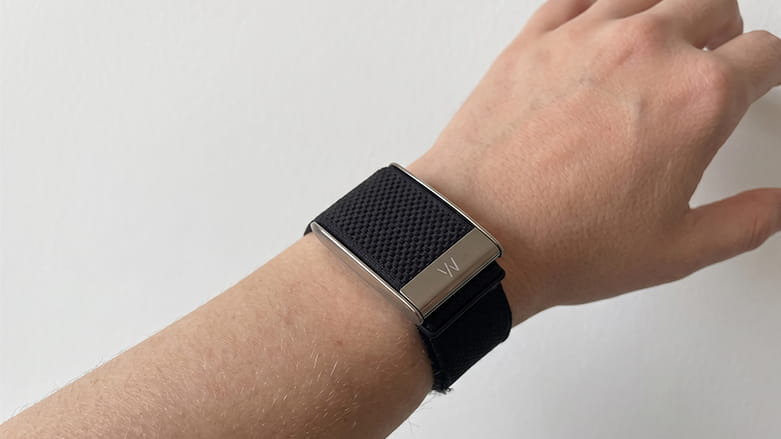
With Hume Band 2.0, we experienced the opposite issue. The band stayed snug while worn during the day, but the clasp was more likely to come undone entirely. One tester lost a full night’s worth of sleep data after the clasp opened during the night and the tracker fell off. After that, we found ourselves checking if the band was still securely attached more often.
Pricing over time
The upfront cost of Hume Band 2.0 is definitely higher than WHOOP 5.0. With a regular retail price of around $199.25, Hume sits in the mid-range wellness tracker category. If you’re thinking about buying one, we recommend checking Hume Band 2.0 discounts and promotions to bump down the price tag.
With your purchase, you also get a 45-day money-back guarantee and a 1-year warranty, with the option to extend coverage to 10 years. In our experience, Hume Health’s customer support responded quickly and offered several possible solutions when we reached out with questions.
In comparison, WHOOP follows a completely different pricing model. You don’t buy the tracker outright—you’re paying for a membership that includes the device. New users can try WHOOP 5.0 for free for 30 days, yet if you decide not to continue, you’ll need to cancel your membership and return the device. Otherwise, the Peak membership begins automatically.
One advantage of WHOOP’s model is its lifetime warranty. As long as your membership remains active, WHOOP will replace devices covered under its warranty policy, making it a reassuring option over years of use.
Subscription differences you need to know
Both Hume Band 2.0 and WHOOP 5.0 offer companion apps with premium features, but the biggest difference is that Hume’s subscription is optional, while WHOOP requires an active membership for the tracker to work.
Hume Band 2.0 offers Hume Plus for $8.99 per month. During our testing, we never felt like it was essential. Even without subscribing, you still get access to your core wellness and fitness metrics.
Hume Plus mainly adds features such as Health Score, more detailed wellness reports, weekly personalized insights, and guided workouts. They're nice additions, but don’t change the experience that much.
WHOOP’s companion app is only available through a paid membership, with Peak and Life memberships available for the 5.0 model. You also select a payment option: annual, 2-year, or family plan.
For example, the Peak membership currently starts at $239 per year, working out to roughly $20 per month. That’s a significant long-term commitment for most people.
One final thing we noticed is that WHOOP’s pricing isn’t always fixed. Membership promotions and introductory offers appear throughout the year, so it’s worth checking for deals before signing up.
Fitness and workout tracking
This is where Hume Band 2.0 and WHOOP 5.0 really start to stand apart. While both collect similar activity and recovery data, they’re designed with very different users in mind and present that information in different ways.
WHOOP 5.0
Right from the start, we expected WHOOP 5.0 to outperform Hume Band 2.0 in this category. After all, WHOOP has built its reputation around fitness, recovery, and performance—and our testing mostly confirmed that.
The app revolves around WHOOP’s three main metrics: Sleep, Recovery, and Strain, which continuously analyze your activity and adapt recommendations based on your data. We found that the suggestions weren’t really personalized during the first few days. But after wearing the band for longer, the guidance on when to push harder or prioritize rest appeared to align with how our bodies actually felt.
WHOOP also supports a wide range of activities, including running, cycling, strength training, swimming, rowing, yoga, hiking, and many more. For strength athletes and enthusiasts, Strength Trainer estimates muscular strain alongside cardiovascular strain, for a more detailed picture of your workouts. We do think there’s still room for this feature to evolve though, so don’t treat it as a replacement for advice from a qualified coach or healthcare professional.
Overall, WHOOP is the stronger choice for dedicated fitness enthusiasts. Its recovery scores, personalized coaching, and detailed workout analytics provide more actionable guidance that may help you improve your performance in training.
Hume Band 2.0
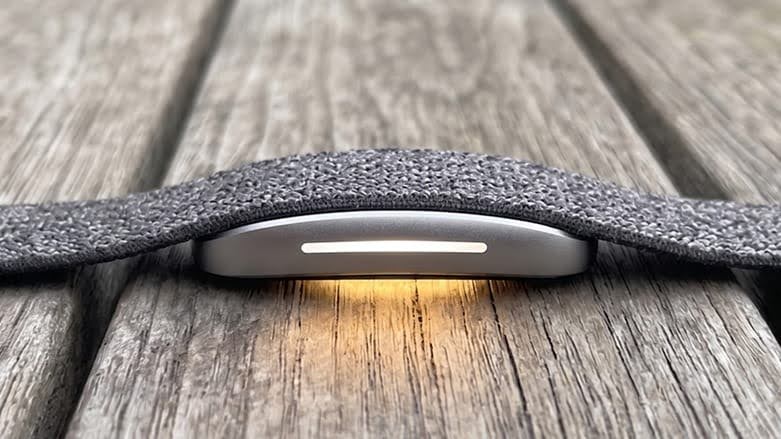
Hume Health takes a wellness-first approach, so it’s no surprise that athletic performance isn’t its main priority.
Instead, the app focuses on helping you understand your daily habits and how they may influence your overall well-being. Metrics like recovery, sleep, HRV, metabolic capacity, and biological age estimates are used as broader wellness insights, not training tools.
When it comes to activity tracking, Hume Band 2.0 covers the basics. It tracks daily activity, steps, and some workouts, with the emphasis on how exercise fits into your overall lifestyle rather than athletic performance. Our testing showed a few inconsistencies with automatic workout detection, particularly with step count and recorded workout duration.
So, if your goal is just casual fitness tracking while keeping an eye on your wellness trends, Hume Band 2.0 is a solid match. However, if structured training, recovery guidance, and workout analysis are your priorities, WHOOP 5.0 is the more capable option.
Wellness metrics and insights
Both Hume Band 2.0 and WHOOP 5.0 continuously monitor many similar wellness metrics: heart rate, HRV, SpO₂, skin temperature, and sleep stages. But just like with fitness metrics, these are used for very different purposes.
WHOOP 5.0
WHOOP uses heart rate and HRV primarily to support its performance-focused features, with both playing a major role in calculating your daily recovery score.
We also found its sleep tracking to be one of the platform’s strongest features—WHOOP connects your sleep quality with your recovery and daily strain. This may help estimate how much sleep you need based on your recent activity.
WHOOP has also expanded beyond fitness with its newer Healthspan feature, which estimates your WHOOP Age and Pace of Aging using sleep, activity, and cardiovascular fitness data. Much like Hume’s longevity metrics, these aren’t definitive indicators of how quickly you’re aging, just a fun addition to other metrics.
Hume Band 2.0
Hume Band 2.0 is the more interesting wearable if your focus is wellness. Alongside familiar metrics like heart rate and HRV, you’ll find features like Metabolic Momentum, Metabolic Capacity, Biological Age, Pace of Aging, and even estimated blood pressure trends. Of course, these aren’t medical measurements, but they may help you spot changes in your well-being.
One thing truly worth mentioning is that Hume Band 2.0 needs a calibration period before many of these insights become available. During the first week, the app mainly showed core metrics, making the experience feel basic, yet once enough data was gathered, we found the insights much more useful.
The app was often able to point out factors like poor sleep or stress, which corresponded with our overall perceived wellness.
WHOOP 5.0 vs. Hume Band 2.0: Which app is better?
In our opinion, both WHOOP’s and Hume Band 2.0’s companion apps are amazing. They’re easy to navigate, visually pleasing, and offer a smooth user experience. If we had to point out one annoyance, it would be Hume Health’s frequent prompts to upgrade to the optional Hume Plus subscription.
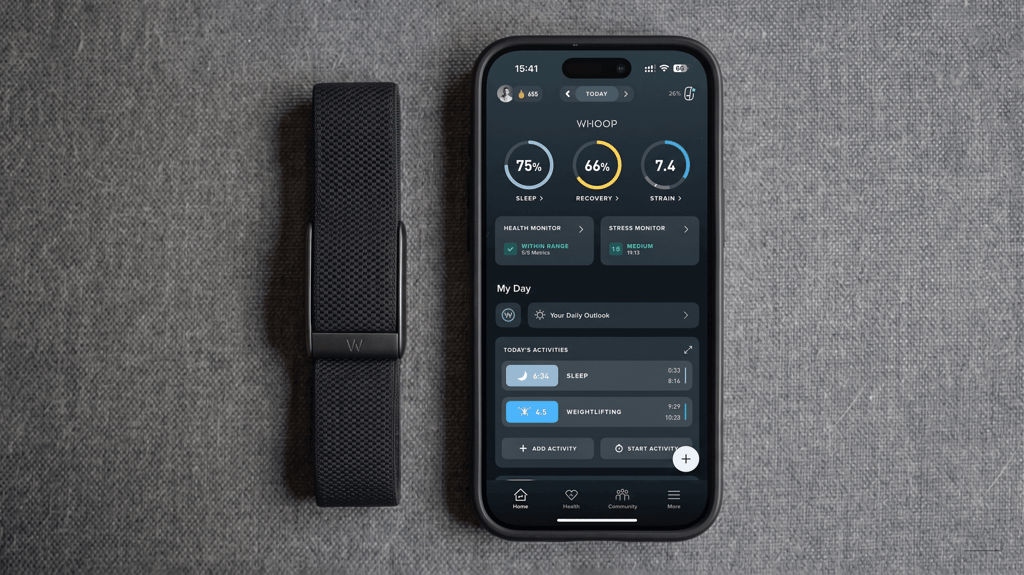
WHOOP’s home screen revolves around Sleep, Recovery, and Strain metrics. Alongside those, you get daily summaries of your activities, detailed workout breakdowns, and personalized insights into your body’s condition.
As you may expect, since the platform is built around a paid membership, it offers a huge amount of analysis. AI-powered WHOOP Coach can also answer questions about your data and explain certain metrics.
Even so, we found the data quite complex. The reports are incredibly detailed, but they often assume you’re already knowledgeable about training concepts and physiological metrics. So, while impressive, beginners may need some time to adjust before all those reports start making sense.
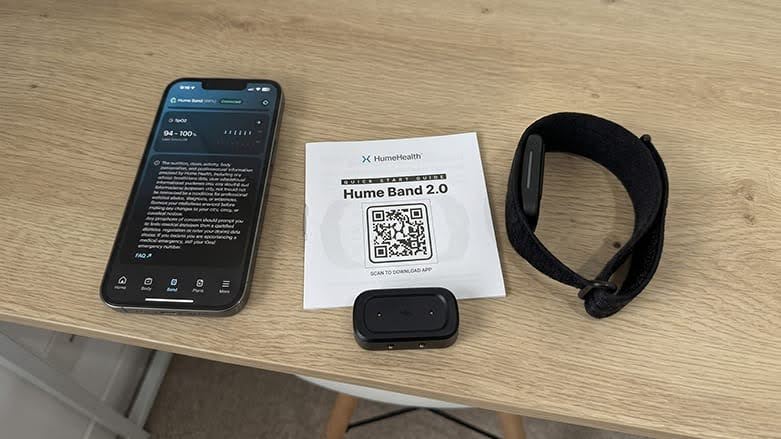
Hume Health takes a much simpler approach. The app presents your information through a clean dashboard with health cards, trend graphs, and easy-to-read summaries. It explains changes in your metrics using plain language, which means even beginners can understand the data.
We also appreciated how passive the experience can be. Thanks to the band’s long battery life, there’s no need to check the app every day if you don’t want to. You can simply wear the tracker, then review your weekly trends when it’s convenient.
The coaching is centered on lifestyle, recommending habit changes that may help you feel healthier over time. While it doesn’t provide the same level of detail as WHOOP, it’s considerably easier to understand and makes the experience much more approachable.
More recovery gear reviews
Hume Band 2.0 review: Is it worth upgrading in 2026?
WHOOP 5.0 review: A bold leap into longevity with familiar drawbacks
WHOOP 5.0 vs. WHOOP MG: Key difference explained and what we recommend
Bottom line
WHOOP 5.0 and Hume Band 2.0 approach screen-free tracking from different angles, each offering distinct advantages.
Hume Band 2.0 keeps things straightforward. Core features work without a paid plan, and the companion app translates sleep, activity, and recovery data into plain-language nudges that feel approachable—even if you’re new to wearables or just want light-touch wellness feedback.
WHOOP 5.0 leans into performance coaching. Its soft strap all but disappears on the wrist, while in-depth strain and recovery scores guide structured training. For athletes who log multiple weekly sessions and enjoy digging into readiness metrics, the membership unlocks a robust set of analytics and personalized workout suggestions.
Choosing between them largely depends on which strengths—Hume’s pay-once simplicity or WHOOP’s comprehensive training insights—best match your day-to-day goals.
FAQ
Is Hume Band 2.0 a good alternative to WHOOP?
It may be, depending on your goals. Hume Band 2.0 is a better fit if you want wellness, longevity, and easy-to-understand insights without a required subscription. WHOOP is suitable for workout performance-focused people who want guidance about training, strain, and recovery.
Does Hume Band 2.0 require a subscription?
No. Hume Band 2.0 works without a premium subscription, and the optional Hume Plus membership is mainly for additional insights, reports, and guided content.
Is WHOOP 5.0 more accurate than Hume Band 2.0?
It depends on the metric you’re looking at. WHOOP 5.0 is generally more focused on fitness metrics, while Hume Band 2.0 looks at broader wellness trends. Just note that neither is a replacement for medical evaluation, and accuracy may vary person-to-person.
Which tracker has better battery life?
WHOOP 5.0 and Hume Band 2.0 have very similar advertised battery life, with both brands citing around 14 days between charges. In our testing, WHOOP’s battery life was more consistent with 12 days of use on a single charge.
Which wearable is better for recovery tracking?
Hume Band 2.0 is a more wellness- and longevity-focused tracker, but speaking of strain and recovery—WHOOP is designed specifically for these metrics.
Can you wear Hume Band 2.0 or WHOOP 5.0 while swimming?
Yes, you can wear both Hume Band 2.0 and WHOOP 5.0 while swimming, showering, or for other water activities. However, neither is designed for every type of water sport, as intense movements may loosen the band and interfere with tracking.