Ultrahuman teams up with Abbott Lingo to fix isolated glucose tracking

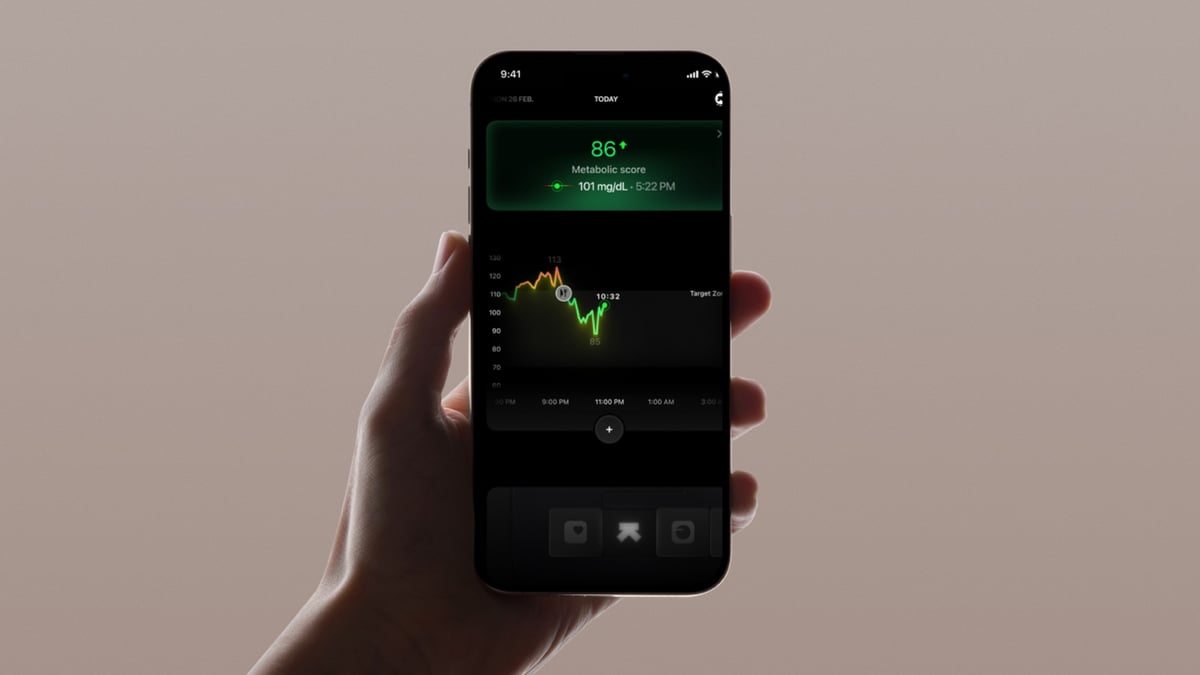
Ultrahuman has expanded its digital health ecosystem with the US launch of M2 Live, an updated metabolic health platform that integrates continuous glucose data from Abbott’s over-the-counter Lingo sensor.
The integration lowers the financial barrier to consumer continuous glucose monitoring (CGM) in the US market, reducing entry costs to $99 per month on a subscription—or $129 for a single 14-day biosensor.
By running it all through Abbott's cleared over-the-counter Lingo hardware, Ultrahuman also bypasses the traditional prescription bottleneck that previously affected mainstream adoption.
Still, while the Lingo functions as a standalone metabolic tracker, M2 Live is built to hook directly into Ultrahuman's multi-sensor ecosystem, which includes the Ultrahuman Ring Pro announced earlier this year.
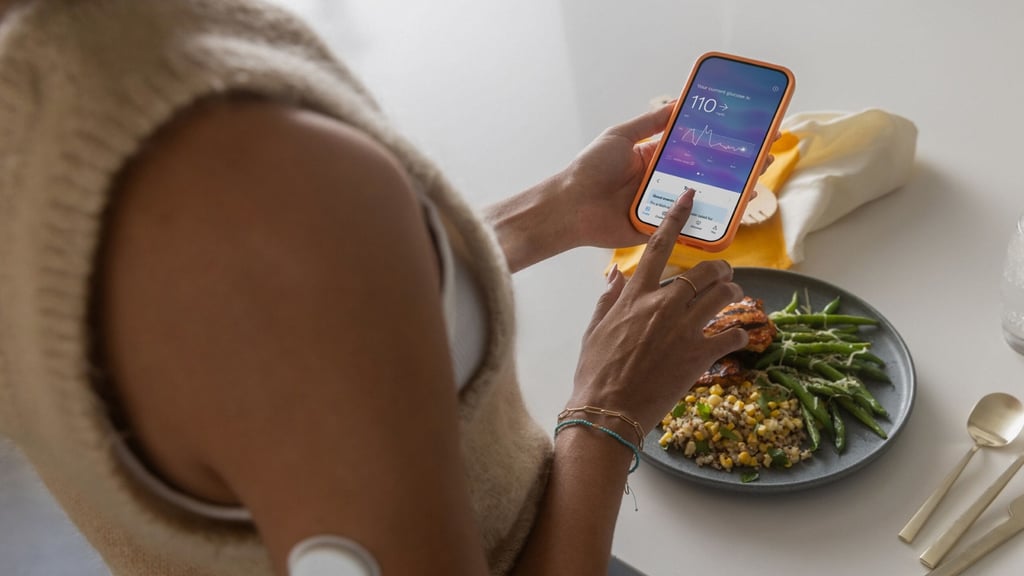
In simple terms, the platform passes raw glucose stream data into Jade AI—the company’s proprietary biointelligence engine—where it automatically correlates glucose spikes and crashes against background sleep metrics, heart rate variability (HRV), and training load captured—even by the last-gen Ultrahuman Ring Air.
Ultrahuman notes that the launch leans heavily on its own research, which includes a peer-reviewed Nature publication from 2024 validating its 0-100 Metabolic Score against lab-derived insulin resistance metrics, and a recent 227,000-night sleep study with Stanford University's Snyder Lab indicating that sleep timing variance remains the primary external predictor of morning glucose instability.
The Wareable take
The biggest hurdle for CGMs in the US has traditionally been the friction and cost of securing a prescription. As well as the Dexcom Stelo, Abbott's over-the-counter (OTC) Lingo has already gone a long way toward rectifying that issue since receiving FDA approval in 2024, and Ultrahuman's integration adds crucial context to the otherwise isolated glucose data.
Though the smart ring data will handle the more basic biometrics being integrated here, the fact that M2 Live also harnesses data from its preventive blood test platform, Blood Vision, makes it even more valuable. It's currently the only company that can tout such broad integration.
Since the brand's latest smart ring also doesn't appear to be suffering the same patent-infringement headache as the previous generation—which was banned in the US—the company will be hoping this is the kind of move that helps it gain a foothold in the market.
Only time will tell on that front, especially with chief rival Oura's recent Ring 5 release—and the fact that its platform has allowed users to integrate data from Dexcom CGMs for over a year.