Best heart rate monitors 2026: Chest straps, watches, and rings we trust

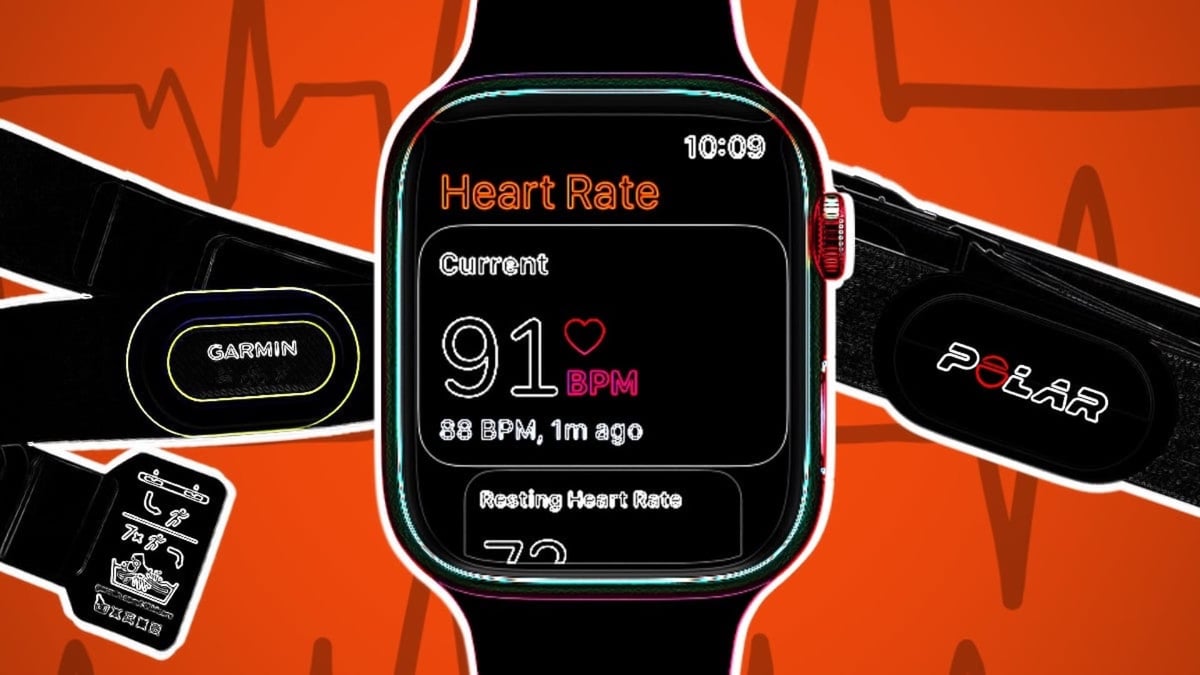
The top heart rate monitors provide the best accuracy—but also comfort and convenience. Explore the best options in this guide.
The best heart rate monitors are accurate, comfortable, and offer features that enhance the experience beyond beats per minute. The good news is that you can also receive all these benefits through a traditional chest strap HRM, a sports watch, or a smartwatch, among others.
There are tons of choices—and we're constantly testing the best picks from Garmin, Polar, Apple, and more. Yet, as ever, the best heart rate monitor is entirely personal and depends significantly on your goal. For women, chest strap HRMs must work well with a sports bra, while others require something that can withstand pool activities.
For those who want the most accurate readings during exercise, our testing still leads us to recommend the Hume Band, which delivers precise data while maintaining an unobtrusive design.
Chest straps, dedicated sports watches, and rings are also good options. Our favorites are RingConn Gen 2 and Garmin HRM 600, featuring the company’s latest optical tech.
Below, we’ll break down the pros and cons of all these HR tracking devices. We will also dive into what you need to know about tracking your heart with a wearable.
At a glance: Best heart rate monitors
- Hume Band: Best for users serious about long-term health
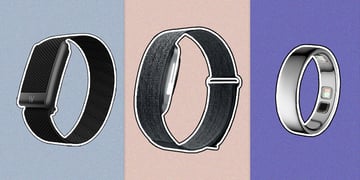
- RingConn Gen 2: Best for users looking for precision and comfort
- Oura Ring 4: Best for users looking for data accuracy
- Withings ScanWatch 2: Best for users wanting classic style
- Oxiline Pressure XS Pro: Best for spot-check heart rate monitoring
- Garmin HRM 600: Best heart monitor for serious athletes
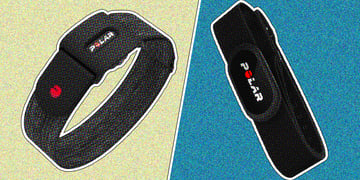
- Polar H10: Best for exercisers who care about accuracy
- Apple Watch Series 10: Best for seamless integration with iPhone
- Garmin Fenix 8: Best for training-focused heart rate monitoring
- Google Pixel Watch 3: Best for Android users
How Wareable tests heart rate monitors
A heart rate monitor is only valuable if it can consistently capture accurate data. As we often demonstrate in our detailed reviews, many still do not.
Through our testing, we've been able to weed out the lesser devices and highlight only the very best in this buyer's guide. However, it can take considerable time to determine whether a chest strap, watch, or armband is accurate.
That's why we conduct long-term tests for features powered by heart monitoring, analyzing our trends to identify any anomalies, and also test against multiple devices when gauging real-time heart rate metrics.
This process is ongoing, as we update this guide frequently to ensure our picks accurately reflect the current market.
- Read more about how we test and review at Wareable
Hume Band
Key considerations
- Body position: Wrist
- Sensor tech: PPG
- Connectivity: Bluetooth
- Phone compatibility: iOS and Android
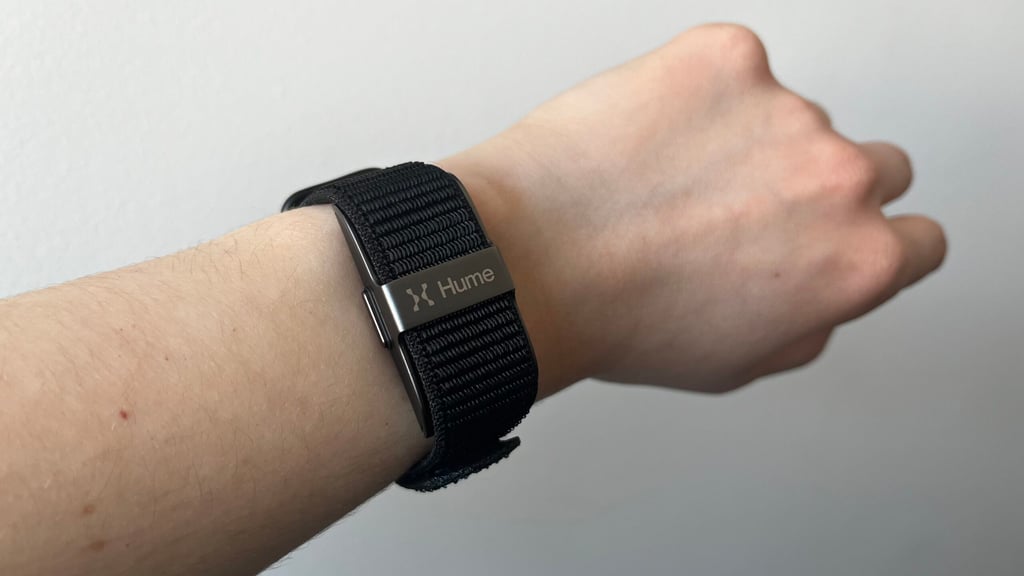
Human Band is a screenless wellness wearable that goes beyond heart rate monitoring and fitness tracking to help you extend your lifespan. Using PPG sensors, it tracks heart rate, blood oxygen, skin temperature, and respiratory rate metrics.
This data is translated into easy-to-understand insights on the app that show how much energy you have left and if your daily habits are helping or hurting your health.
The band identifies overtraining, poor recovery, and hidden stress that can affect exercise quality and age the body prematurely. It also tracks sleep stages and activity levels to provide a complete picture of your physical well-being.
All in all, if you’re serious about long-term health, this is the tool for you. For a price of $249, it’s suitable for beginners and serious athletes, as both can appreciate the insights that Hume Band offers.
RingConn Gen 2
Key considerations
- Body position: Finger
- Sensor tech: PPG
- Connectivity: Bluetooth
- Phone compatibility: iOS and Android
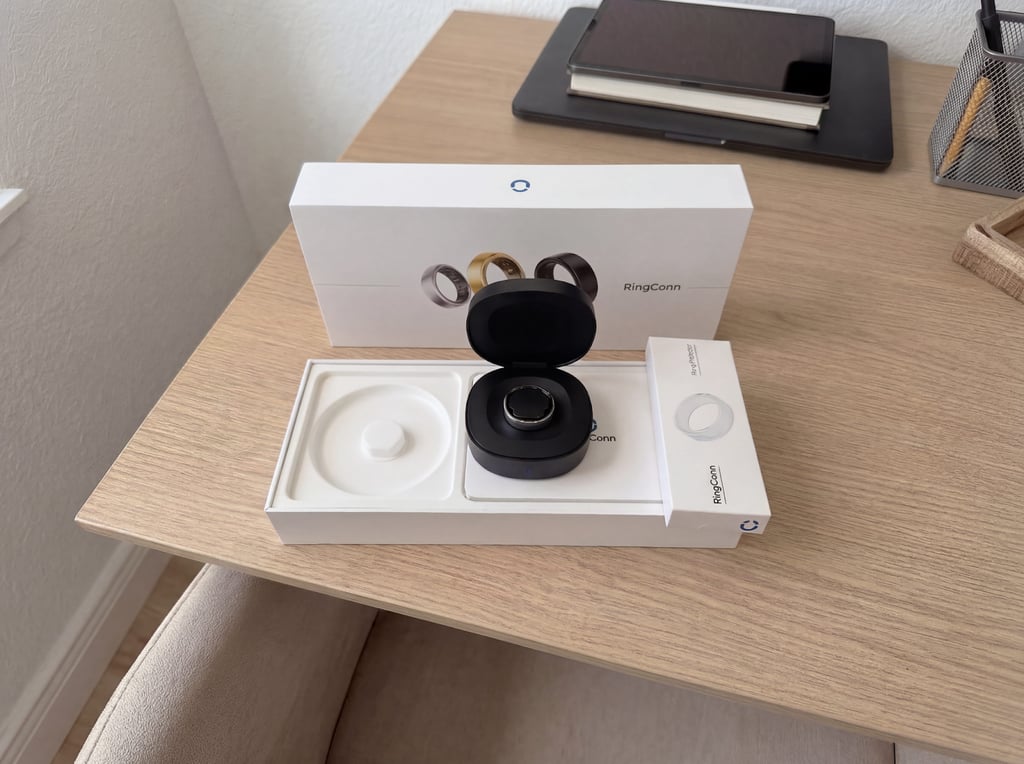
Measuring at 2mm in thickness, RingConn Gen 2 is probably the most discreet and unnoticeable wearable for monitoring heart rate and variability. As the brand claims, its PPG sensors monitor these biomarkers with a 98% precision.
Additionally, RingConn Gen 2 is marketed as the first smart ring with integrated sleep apnea monitoring. While it’s not an FDA-cleared feature, it can be useful for informational purposes.
During testing, we also couldn’t help but notice its long battery life, which can last up to 12 days, making it ideal for long-term and consistent tracking. The ring also comes with a charging case that offers up to 20 full cycles.
Not to mention it's subscription-free—just keep in mind that app syncing can be a bit sluggish on certain phone models.
Still, with a price tag of $313.99 and no subscription fees to access your health data, it’s a great value option for anyone looking for a high-endurance device to monitor their biomarkers.
Oura Ring 4
Key considerations
- Body position: Finger
- Sensor tech: PPG
- Connectivity: Bluetooth
- Phone compatibility: iOS and Android
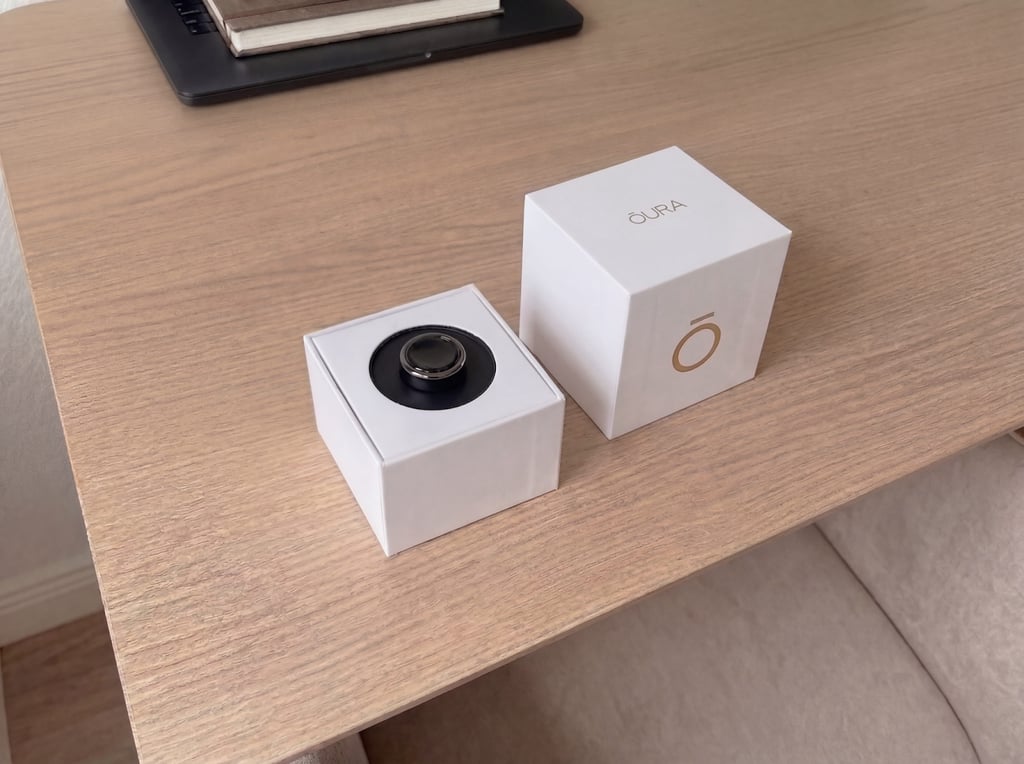
As a wellness tracker, the Oura Ring 4 provides deep insights into various health metrics, including heart rate monitoring. In fact, independent studies have ranked Oura as the most accurate wearable on the market for monitoring resting heart rate and heart rate variability.
The Oura Ring 4 achieves this accuracy thanks to its Smart Sensing technology, which uses a higher number of sensors to help the ring adapt to unique finger shapes, resulting in fewer gaps in heart rate tracking.
During testing, we noticed that beyond heart monitoring, the app aesthetically presents a wealth of health data, ranging from sleep stages and blood oxygen levels to skin temperature. However, to access detailed data and full functionality, you have to pay for a subscription, which costs $5.99/month.
Ultimately, if it fits your budget, the $349 Oura Ring 4 justifies its price by delivering what we found to be the most accurate heart rate data of any device on this list.
Withings ScanWatch 2
Key considerations
- Body position: Wrist
- Sensor tech: PPG
- Connectivity: Bluetooth, GPS
- Phone compatibility: iOS and Android
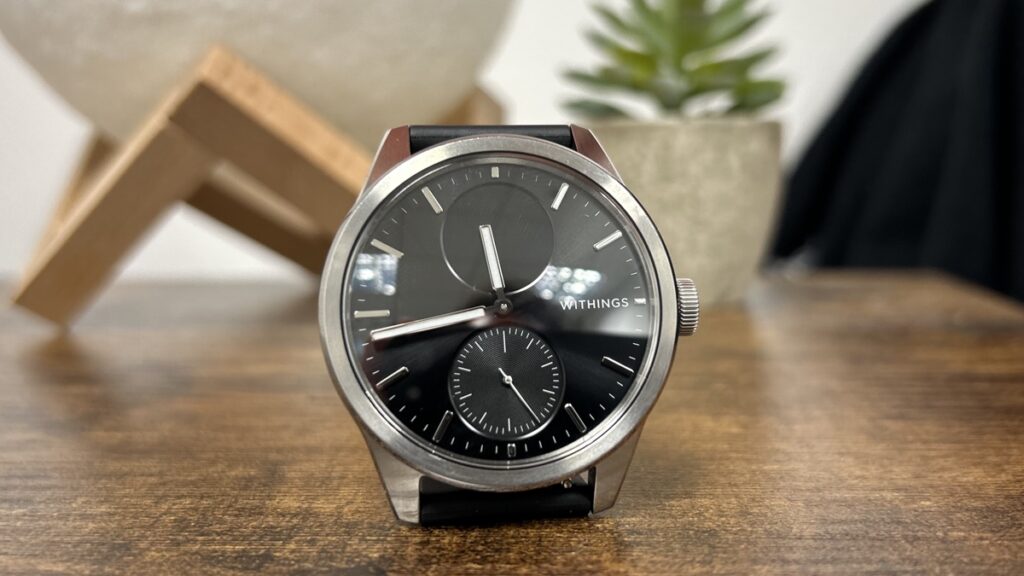
The Withings ScanWatch 2 is a sophisticated wellness and fitness tracker featuring an integrated, medical-grade heart monitor designed for those who appreciate traditional style.
However, its hybrid design isn’t its most impressive feature. What we liked most is how it elevates heart monitoring by offering an FDA-cleared test that records the heart’s electrical signals to check for different heart conditions.
Another standout feature for us is its 30-day battery life. Thanks to such longevity, you rarely need to take it off, which provides a more longitudinal view of your heart health. It’s the longest enduring heart monitor on this list by far, for $249.95.
Plus, you can add a Withings+ subscription for $9.95/month, which enhances your data by providing personalized insights for heart health, weight, and sleep.
While it isn't quite as comfortable or unnoticeable to wear as a smart ring, it can be a great companion for those prioritizing longevity and style in their heart rate monitor.
Oxiline Pressure XS Pro

Key considerations
- Body position: Arm
- Sensor tech: VIBRA™ TXS Sensor
- Connectivity: Bluetooth
- Phone compatibility: iOS and Android
Oxiline Pressure XS Pro is an at-home solution for daily heart rate and blood pressure monitoring. It's built for families, seniors, and users needing reliable daily checks, not 24/7 wearable tracking.
Unlike many budget monitors, Oxiline Pressure XS Pro uses sensors that meet strict certifications and compliance standards, providing accuracy comparable to devices used in a doctor's office.
What we found very convenient are the alerts that are triggered when you wear the cuff incorrectly or if you move or talk during the reading. This combats inaccurate home readings, which are often caused by user error.
Even though it’s not a portable heart monitoring solution, it is an ideal fit for anyone seeking a precise heart rate and blood pressure monitor at a budget-friendly price of $119.
Garmin HRM 600
Key considerations
- Body position: Chest
- Sensor tech: ECG
- Connectivity: Dual-band ANT+ / Bluetooth
- Phone compatibility: iOS and Android
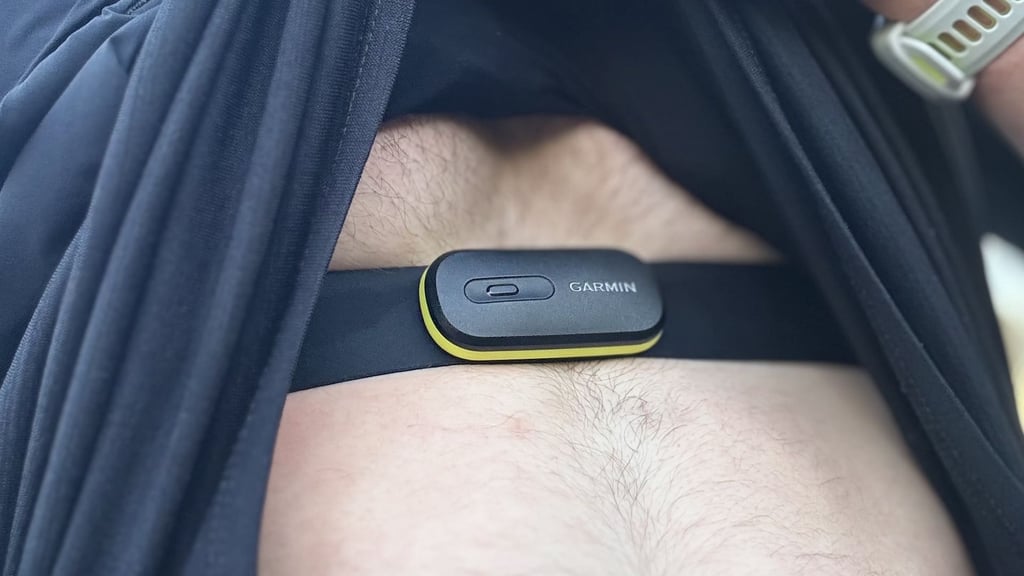
The Garmin HRM 600 takes a comprehensive, data-driven approach to monitoring heart rate during exercise, making it best suited for elite athletes.
It was introduced into the Garmin ecosystem in 2025 as an upgrade to the older model Garmin HRM-Pro Plus.
The latest top-end Garmin strap addresses the biggest problem with the HRM-Pro Plus by allowing users to detach the central module, meaning the strap itself can be washed in the washing machine. Garmin has also added a few great new features, particularly for runners.
When paired with the 970, the HRM 600 powers an all-new 'Step Speed Loss' feature that analyzes how much a runner slows down when their foot hits the ground. It also offers a decent two months of battery and is rechargeable, albeit via Garmin's proprietary cable, rather than USB-C. That means you no longer have to try to remember where you put the coin cell batteries a year ago.
All of this comes at a price of $169.99. That price might not be for everyone, but for us, the added rechargeability, washable strap, and the Step Speed Loss feature are huge. Bluetooth and ANT+ support also mean it can connect with other devices seamlessly.
For indoor runners, the HRM 600 will also track pace and distance. If you participate in team sports, it can track additional metrics like steps, intensity minutes, and all-day heart rate data, too. It’s a great all-rounder.
Polar H10
Key considerations
- Body position: Chest
- Sensor tech: ECG
- Connectivity: Dual-band ANT+ / Bluetooth
- Phone compatibility: iOS and Android
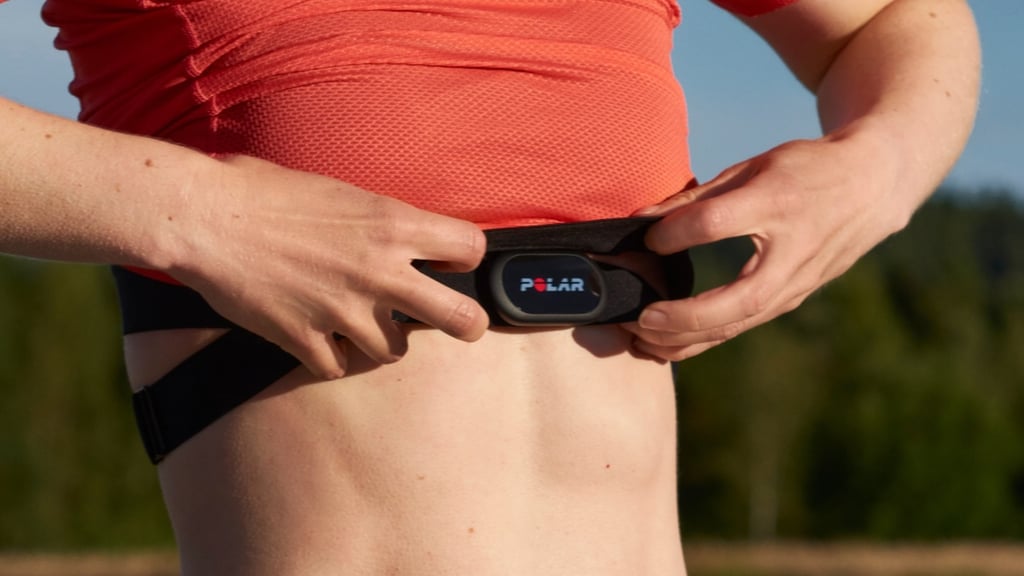
If you're an exerciser who cares about accuracy, the Polar H10 chest strap is another gold-standard, super-reliable option based on our testing.
The iOS and Android-friendly strap boasts Bluetooth and ANT+, so you can pair it to a host of devices and third-party apps - including even Garmin sports watches, if you like.
It also introduces a modified design (and a loftier price) over its predecessor, the Polar H9, adding silicon friction dots to help keep the strap in place. Plus, we've found it's a bit more comfortable to wear.
The battery compartment can also be removed, meaning the strap can be included in washing machine cycles. This makes it a great option for those likely to get it wet via sweat or swimming.
We've used it many times against the latest fitness trackers and smartwatches that have landed at Wareable HQ, mainly throwing data into Strava and the Polar Beat app, which is built for heart rate-based training.
Even though it’s the most affordable heart monitor on this list for $104.95, it's still a chest strap we return to and can confidently say delivers the goods.
Apple Watch Series 10
Key considerations
- Body position: Wrist
- Sensors: Optical, electrical heart rate sensor, temperature sensor
- Connectivity: Bluetooth
- Phone compatibility: iOS
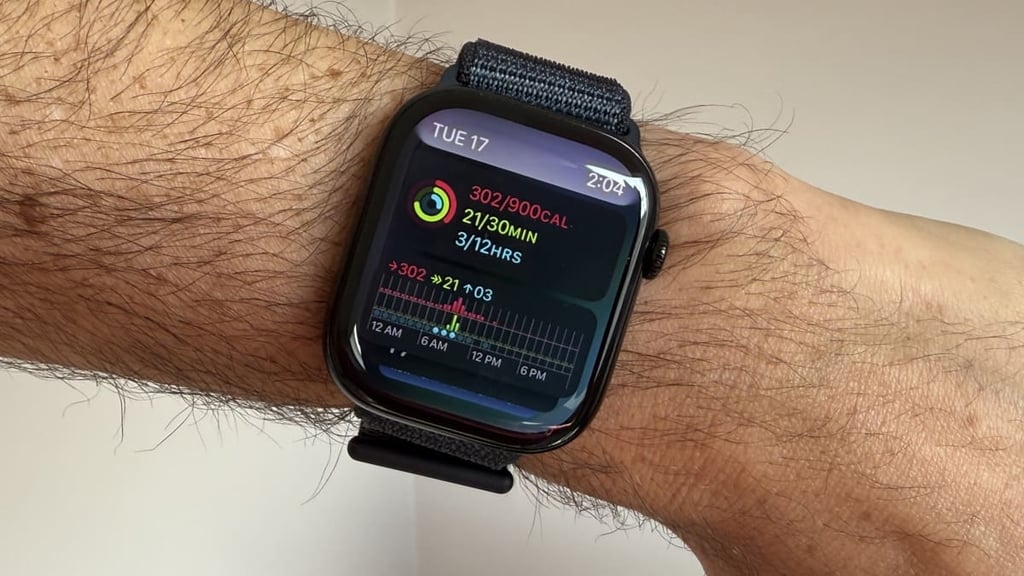
Whether used for exercise tracking or health monitoring, the Apple Watch Series 10 is the most complete heart monitor available for iPhone users.
We've put the latest model through the same rigorous testing in workouts. And, like its predecessors, the Apple Watch Ultra 2 and Apple Watch SE siblings, it consistently proves to be one of the most accurate optical heart rate sensors on the test.
In terms of final figures and latency, it performs well alongside dedicated sports watches - even during the likes of interval training. Though, naturally, be aware it won't give you the same real-time reliability as a chest strap.
Data is viewable inside Apple's Workout app, but the benefit of having a strong collection of third-party apps means you can also view that data in places like Strava and Runkeeper.
Wearing the Series 10 helps flood Apple Health with data, too. Heart rate variability, VO2 Max, resting heart rate, and walking average HR can all be viewed as trends across the last day, week, month, or year, and this data can also be exported to a PDF to be shared with medical professionals.
There's even more, as well. The device's ECG App harnesses the electrical heart rate sensor in the Digital Crown to take electrocardiograms and check for heart issues like atrial fibrillation, and the temperature sensor works in conjunction with the optical heart sensor to provide cycle tracking for women.
Introduced for a price of $399, it's an outstanding all-rounder that's as good for those conscious of their heart health as it is for those serious about tracking exercise.
- Our full Apple Watch Series 10 review
Garmin Fenix 8 (and other Garmin Elevate Gen 5 devices)
Key considerations
- Body position: Wrist
- Sensors: Optical, ECG, SpO2
- External HR monitor pairing: Yes
- Phone compatibility: iOS and Android
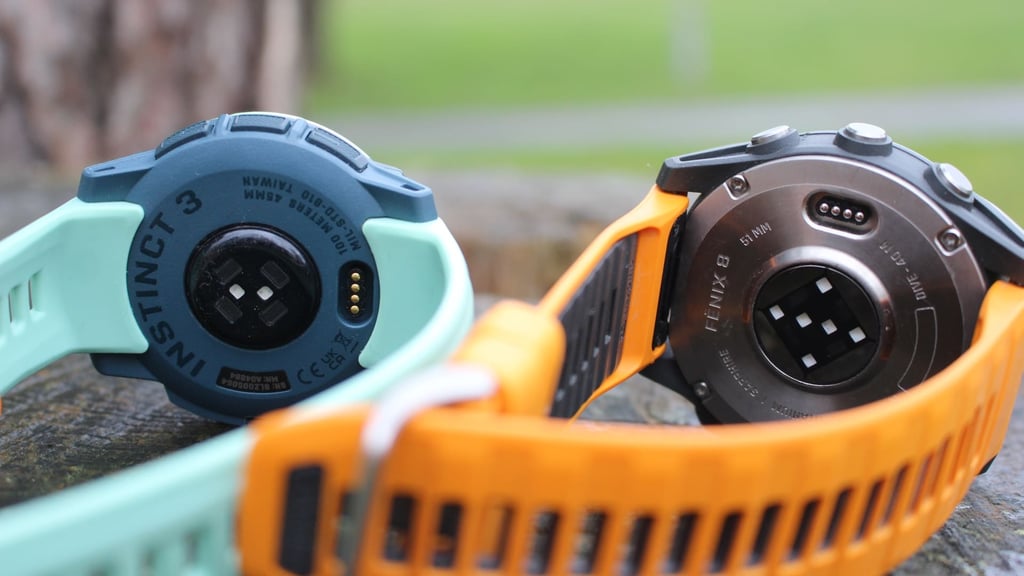
All of Garmin's watches offer broadly solid heart rate monitoring accuracy, though the Fenix 8's vast array of features and new-gen Elevate Gen 5 sensor ensures it slightly edges those siblings.
It doesn't offer the best blend of features, affordability, and design for most people - that's reserved for something like the Forerunner 165 or Forerunner 570- but the accuracy is as good as we've ever tested in a sports watch.
It comes in three size options (43mm, 47mm, and 51mm), and, during over 100 in-house tests against other watches and a chest strap, it's the most consistent in line with the latter.
What our testing of Garmin's Elevate Gen 5 shows
We still think Garmin's Elevate technology (across the board) has a very slight tendency to overreport maximum heart rate figures during workouts. We've also had some experiences with early test units of the Gen 5 sensor being slow to 'warm up' (i.e., the first section of a workout hugely underregistering on HR), but this has always been rectified with software updates.
Despite the odd quirk, the fact remains that the Fenix 8 (and the Fenix 7 Pro, Epix Pro, Venu 3, and Forerunner 970/570—the other Garmin devices equipped with the latest Elevate sensor) is at the peak of wrist-based monitoring.
You also have the option to pair up an external HR sensor if you're not quite satisfied with the level of accuracy on offer.
What else you get from Garmin's wrist-based heart rate sensor
The Gen 5's optical HR accuracy is crucial outside of tracked exercise, too, as it powers many useful insights. Runners and cyclists can benefit from Garmin's in-depth and intuitive metrics the most, though things are getting better for swimming (with the Fenix 8 also including new dive smarts) and other sports.
HRV Status is one of the most helpful, giving you an at-a-glance view into your heart rate variability trends with plenty of context. Yet, this only scratches the surface of how heart rate data feeds into Garmin Connect.
Also present are features such as resting heart rate, Body Battery, VO2 max, Training Status, stress tracking, calorie burn, respiration tracking, sleep monitoring, and more.
At a premium price of $1,199.99, it's comprehensive, making the Fenix 8 a great pick for those who want the top training-focused heart rate monitoring experience.
- Our full Garmin Fenix 8 review
Google Pixel Watch 3
Key considerations
- Body position: Wrist
- Sensors: Multi-path optical heart rate sensor, ECG, SpO2, EDA, skin temperature
- Connectivity: Bluetooth
- Phone compatibility: Android
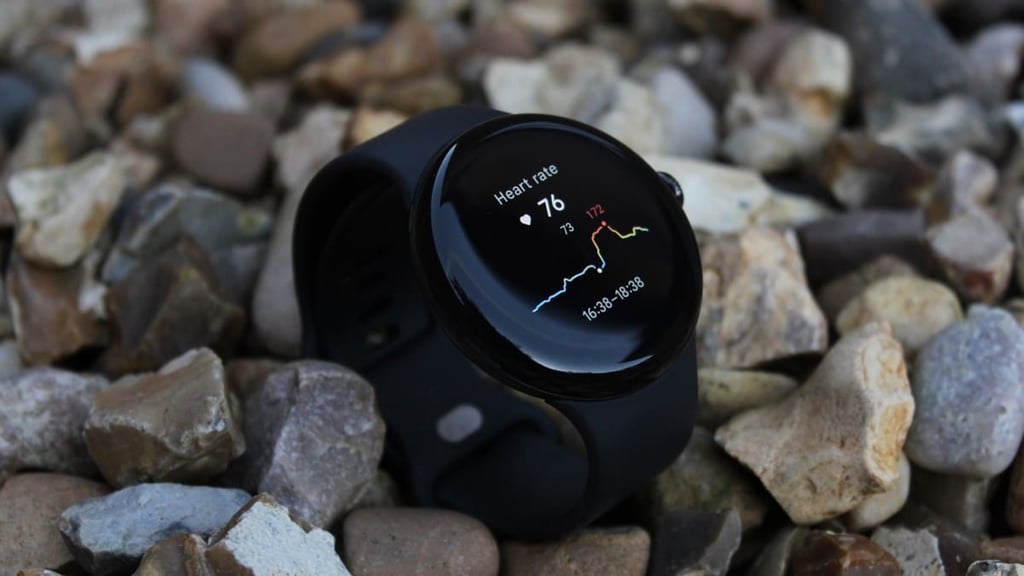
Heart rate accuracy has always been a strong point of Google's smartwatch series, and the Pixel Watch 3 promises improved algorithms for measuring heart rate during running.
Both 41/45mm versions utilize the same multi-path optical heart sensor that was retooled for the Pixel Watch 2. However, despite Google's claims of improved accuracy, we found that it performed very similarly to the last-gen watch in our testing.
That's no bad thing, though - it was already among the best for responding to changes in heart rate and performing similarly to a chest strap, and that's not changed for the Pixel Watch 3 (despite us testing the larger case size, which can often skew results considerably).
We've been impressed each time we've tested it, and the Fitbit tracking experience has been enhanced for the third-gen watch to include essential metrics for serious trainers, such as Cardio Load and Daily Readiness.
More than accuracy—what else Google's HR gets you
They've been added to an already comprehensive heart tracking package, which includes heart rate variability, resting heart rate, ECG, body responses (stress tracking), sleeping heart rate, and more, all of which debuted with the original.
Costing $249.99, the Pixel Watch 3 still falls short of offering insights comparable to those of a Garmin in terms of training and additional sports features. Yet, the stellar features make it a top wellness device, and its accuracy ensures it ranks as the best for Android users who want reliable information.
The only downside from a heart monitoring perspective is that you'll need to subscribe to Fitbit Premium ($9.99/month) to get the most out of it, even if elements like the Daily Readiness Score have now appeared behind this paywall.
- Check our full Google Pixel Watch 3 review
Choosing a heart rate monitor: What to consider
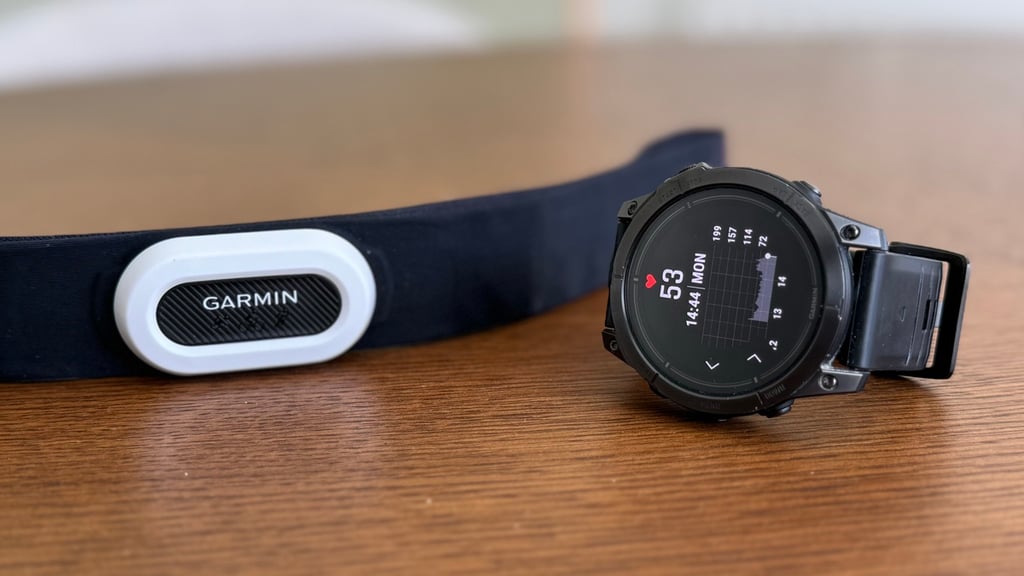
As we alluded to earlier, understanding what you want from a heart rate monitor is paramount when finding the best fit for your needs.
Chest strap vs. heart rate monitor watch
Whether you choose a chest strap or a watch to measure your heart rate is a case of accuracy vs. practicality.
Chest straps are primarily developed to assist users seeking the most precise readings. As we explain in our picks below, this type of heart rate monitor can respond more quickly to changes in your heart rate than the optical sensors found in watches and fitness tracker monitors.
While the latency and accuracy of watches are often weaker than those of a chest strap, they offer superior comfort, convenience, and features. These devices monitor you all day and include features beyond simple BPM tracking for workouts.
Heart rate accuracy in watches
When you start ramping up the intensity - performing rounds of functional fitness movements or interval training during running or cycling - optical sensors in fitness trackers or watches struggle to cope with the rapid rises and falls in heart rate.
Averaged data won't differ much from a chest strap in the best options below, but latency issues in real-time persist.
Wrist movement during exercises like press-ups, burpees, or Olympic lifting can flummox them, as skin contraction makes it harder for the sensor to function properly.
Dark skin and tattoos can also affect accuracy, as skin tone can impact the reflection of light. Sadly, insufficient work has been done to resolve accuracy issues related to ethnicity. Therefore, if you have dark skin and want the best data from your workouts, we recommend using a chest strap.
On the other hand, chest straps use electrocardiogram (EKG) sensors that are more accurate and - given their position close to your heart - more responsive to rises and falls. The steady position on your chest makes the data less noisy.
Types of data that heart rate trackers can capture
A heart rate monitor will track your BPM during workouts, and that data needs to be accurate if you’re using it to train within zones. A small discrepancy could have you training in the wrong zone, and this can negatively affect your training.
However, the quality of analysis of that data after your workout (such as VO2 Max estimates) is down to the platform you’re using to track your workout.
But heart rate monitors can be useful outside of the gym. They will track your bpm 24/7, and analyze resting heart rate, readiness, sleep, and stress. So, choosing a more generic device that can offer a more rounded look at your health can also be appealing.
Remember that you can double up
The benefit of ANT+ and Bluetooth technology (present in some devices) means you can get the best of both worlds if accuracy is your top priority.
For example, we use a sports watch's optical heart rate sensor for most activities due to its versatility and ease of use. If we're in the gym lifting weights, or simply hopping on the bike for a quick warm-up or warm-down spin, the accuracy is more than good enough.
However, where wrist-based options typically struggle - such as in the swimming pool or running workouts where we want to keep a consistent eye on our HR - we instead connect a chest strap to our watch.