Top entry-level smartwatches that won't break the bank
If you’re looking for a budget smartwatch in 2026, there’s never been more choice. And unlike in the past, budget-friendly smartwatches are now very usable options.
Our tried-and-tested picks span affordable Amazfit and CMF models, fitness-focused choices from Garmin and Huawei, and more fully fledged smartwatch options from Apple, Samsung and Xiaomi, giving buyers far more choice across iPhone and Android.
While premium watches still lead for advanced health insights, polished app ecosystems and top-tier materials, these cheaper smartwatches cover the essentials well: activity and sleep tracking, GPS for outdoor exercise, notification support and, in many cases, multi-day battery life. The key is choosing the one that best fits your phone, workout routine, and the features you will actually use.
To shortlist the best option, we’ve performed numerous tests. Below are the top smartwatches that won’t break the bank.
At a glance: Best cheap smartwatches
- Amazfit Active 2: Best budget smartwatch overall
- Apple Watch SE 3: Best budget smartwatch for iPhone users
- Amazfit Bip 6: Best budget smartwatch for features
- CMF Watch 3 Pro: Best stylish budget smartwatch
- Garmin Forerunner 165: Best budget smartwatch for beginner runners
No money constraints? Check out the best smartwatches
Find out the best smartwatches for Android users and iPhone users
Svelte and stylish: All of the current best smartwatches for women
Amazfit Active 2: Best overall value smartwatch
- Battery life: Up to 10 days (typical use) / Up to 19 days in battery saver mode
- Compatibility: Android and iOS
- Display: 1.32-inch AMOLED display (up to 2,000 nits peak brightness)
- Tracking metrics: Heart rate, blood oxygen (SpO₂), stress, sleep, GPS with full offline mapping, and 160+ sports modes (including HYROX)
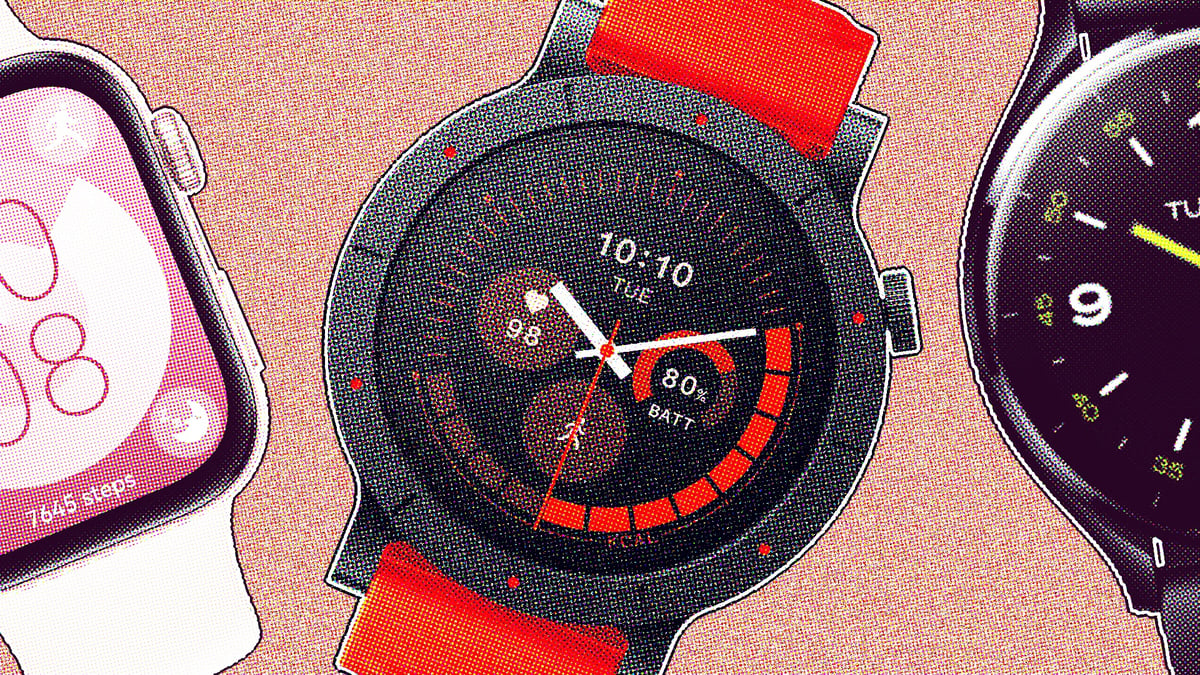
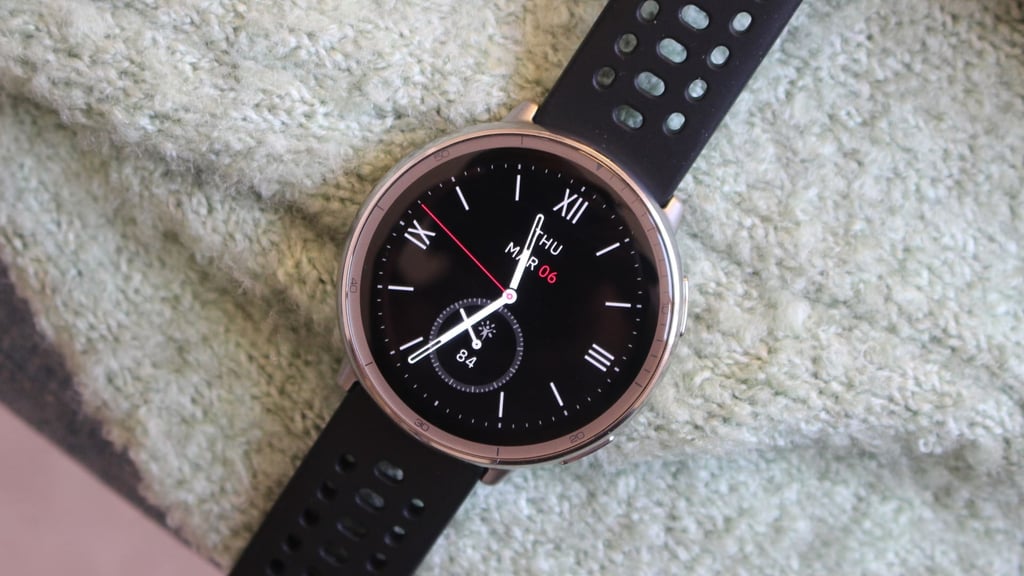
At a very friendly price range, Amazfit Active 2 redefines what to expect from a budget smartwatch. It punches well above its weight, incorporating high-end features like full offline mapping and the ability to pair external sensors, which are exceptionally rare at this price point.
The round design is a departure from the original and might divide opinion, but the AMOLED screen is bright and clear. During our testing, GPS accuracy proved decent for casual use, although the onboard heart rate tracking still lags behind that of premium rivals. This is where an external sensor pairing can prove helpful, as it allows you to link up a more accurate external sensor.
The main trade-off is the user experience, which can feel sluggish when using demanding features like the new mapping function. Nonetheless, the sheer number of features packed into Active 2 for the price makes it an almost unbeatable option for those on a budget.
Check out our Amazfit Active 2 review
- There are tons of features for the price
- Full mapping and ability to pair external sensors
- Smart features and fitness tracking work well
- The makeover won't appeal to everybody
- Software lagging is still present
- Heart rate accuracy is still not great
Apple Watch SE 3: Best budget smartwatch for iPhone users
![Large image for amazon product "Apple Watch SE 3 [GPS 40mm] Smartwatch with Midnight Aluminum Case with Midnight Sport Band - S/M. Fitness and Sleep Trackers, Heart Rate Monitor,…"](https://media.wareable.com/2026/07/31Gq8SToFJL-SL500-.jpg)
- Battery life: Up to 18 hours (typical use) with fast-charging support
- Compatibility: iOS only (Requires iPhone)
- Display: Always-On LTPO Retina display (1.78-inch, up to 1,000 nits peak brightness)
- Tracking metrics: Heart rate (2nd gen), wrist temperature sensing, ovulation estimation, sleep apnea notifications, compass, always-on altimeter, and built-in GPS
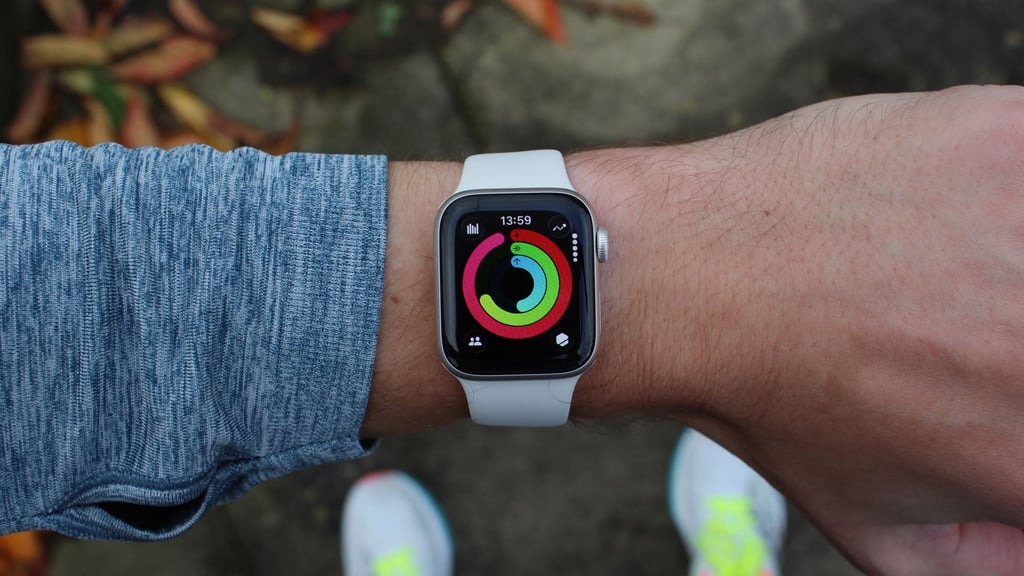
The Apple Watch SE 3 is our best budget smartwatch for iPhone owners. It delivers the core Apple Watch experience (excellent phone integration, a mature app ecosystem, fitness tracking and useful safety tools) without the cost of the company’s flagship models.
This generation closes several of the biggest gaps with the more expensive Apple Watches. The Always-On Retina display makes the watch easier to check during a run or while commuting, while the S10 chip enables responsive performance, on-device Siri and gesture controls such as Double Tap and wrist flick. It also brings sleep score, wrist-temperature sensing, retrospective ovulation estimates and sleep-apnea notifications to Apple’s more accessible watch range.
For day-to-day use, that means a watch that handles calls, messages, Apple Pay, navigation prompts, music controls and app notifications particularly well when paired with an iPhone. Its GPS, optical heart-rate sensor, workout modes and Activity rings also make it a strong choice for people building a regular exercise habit rather than training for a specialist sport.
Battery life is the key trade-off. Apple rates it for up to 18 hours of typical use, or up to 32 hours in Low Power Mode, so most people will need to charge it every day. Fast charging helps: Apple says it can reach around 80% in about 45 minutes, while an eight-minute charge can provide up to eight hours of sleep tracking.
Check out our full Apple Watch SE 3 review
- The best smartwatch experience for iPhone users
- Always-On display and fast charging improve everyday convenience
- Strong fitness, sleep and safety feature set
- Broad selection of Apple Watch apps and watch faces
- Not compatible with Android phones
- Daily charging is still the norm
- Lacks some advanced sensors found on Apple’s higher-end watches
Amazfit Bip 6
- Battery life: Up to 14 days (typical use) / Up to 6 days under heavy usage
- Compatibility: Android and iOS
- Display: Large 1.97-inch AMOLED display (up to 2,000 nits peak brightness)
- Tracking metrics: Heart rate, SpO₂, HRV-based stress analysis, advanced sleep tracking, offline maps, built-in GPS, and 140+ sports modes
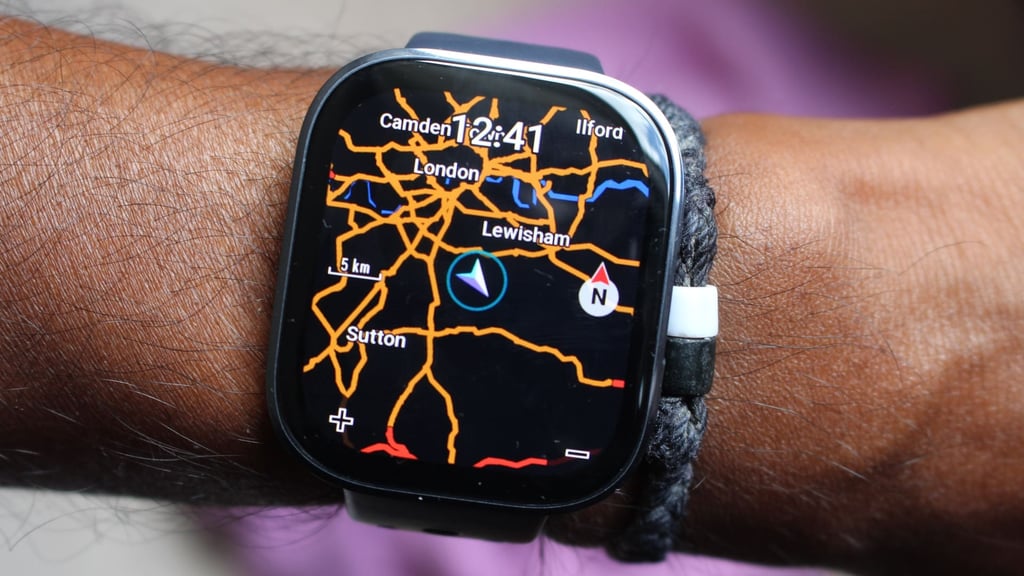
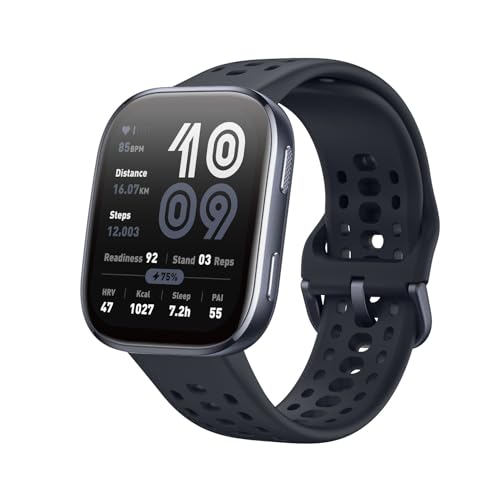
The Zepp Health brand has delivered a significant upgrade with Amazfit Bip 6, launching at a price point that’s even lower than its predecessor. It fixes the biggest complaint of Bip 5 by swapping the dated TFT panel for a vibrant, colorful AMOLED display, which instantly makes it feel like a much more expensive device.
The headline addition is offline maps, a feature that is virtually unheard of on a budget smartwatch (unless it’s an Amazfit device, of course). GPS tracking is present, but not the most accurate. And while exercise heart rate has improved, serious athletes will appreciate the new ability to pair an external heart rate sensor for even better results (much like with Active 2 above).
The build quality also sees a welcome upgrade, with an aluminium alloy frame giving it a more premium feel than its all-plastic predecessor. Battery life remains a strong point, as it comfortably lasts around 10 days with regular use. The new Zepp Flow AI assistant replaces Alexa, although its performance can be inconsistent in its current form.
While it still compromises on performance to hit its price, this smartwatch represents a massive step up. The addition of an AMOLED screen and offline maps makes it one of the best-value smartwatches available today.
Check out our full Amazfit Bip 6 review
- Decent sleep tracking
- Zepp Health app is strong
- GPS on board
- Some dodgy workout data
- Chunky and plasticky
- TFT display
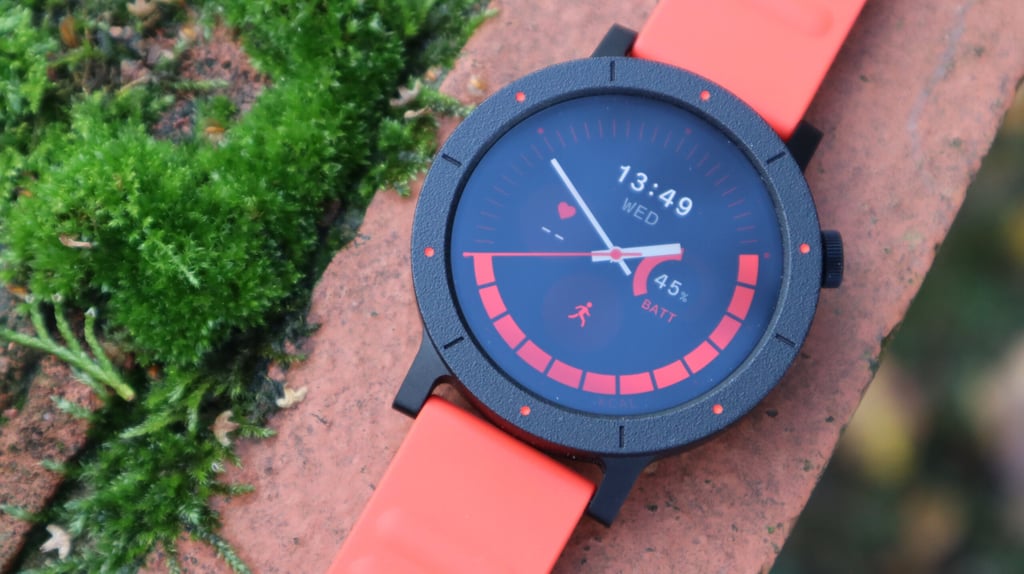
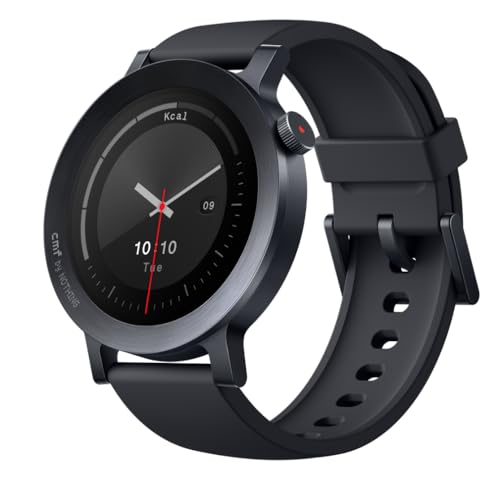
CMF Watch 3 Pro: Best stylish watch on a budget
- Battery life: Up to 13 days (4–5 days with AOD enabled)
- Compatibility: Android and iOS (via Nothing X app)
- Display: 1.43-inch Color AMOLED touchscreen (650 nits brightness, 60 FPS, Always-On Display)
- Tracking metrics: 24/7 heart rate monitoring, SpO₂ (blood oxygen), sleep monitoring, step count, calorie count, dual-frequency GNSS/GPS, and 131 sports modes
CMF Watch 3 Pro sets a new bar for budget aesthetics.
While the modular bezels of the Pro 2 are gone, Watch 3 Pro feels more refined, with a standout orange variant and a meticulously designed UI that mirrors Nothing’s signature monochrome style. It is easily the best-looking watch in this price bracket.
The software is basic, but the UI is incredibly snappy. During our testing, the dual-frequency GNSS was a highlight, with many of our test sessions showing tracking on par with that of watches three times the price.
Heart rate accuracy is also good enough for casual workouts and for those just starting out, though we did find it sometimes lagged poorly on gym sets and interval running sessions. The bigger compromise, though, might be the durability; it has an IP69 rating but isn't recommended for swimming.
Still, for those who want a stylish, functional watch with a 13-day battery life (AOD disabled) and solid GPS, this is the best bargain on the market.
Check out our full CMF Watch 3 Pro review
- Unique design
- Great value for the asking price
- Very accessible UI with a clean aesthetic
- Limited smart features
- It can’t be taken for a swim
- Modular bezels have been ditched
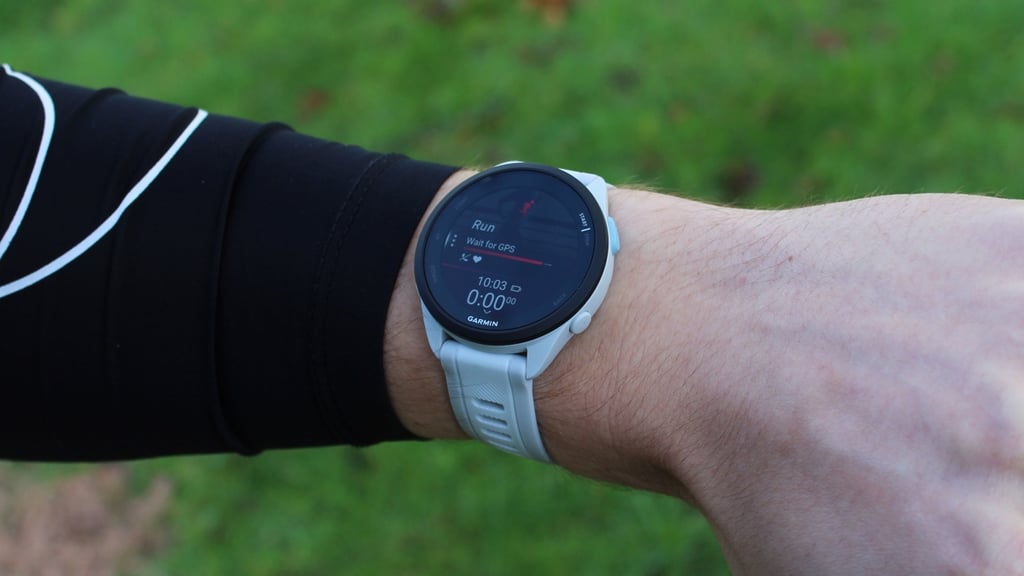
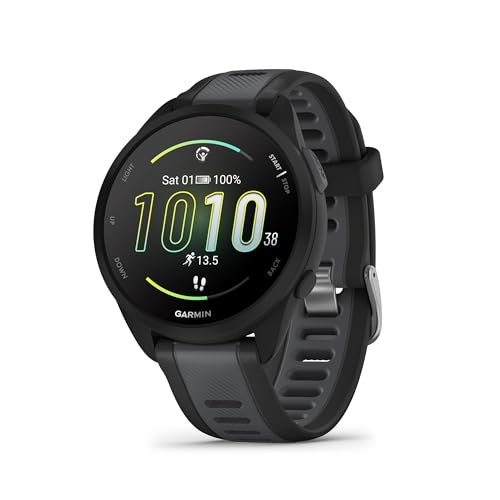
Garmin Forerunner 165: Best budget smartwatch for beginner runners
- Battery life: Up to 11 days in smartwatch mode / Up to 19 hours of continuous GPS activity tracking
- Compatibility: Compatible with Android and iPhone
- Display: Bright 1.2-inch AMOLED touchscreen with physical buttons
- Tracking metrics: Built-in GPS, wrist-based heart-rate monitoring, running dynamics, Morning Report, HRV Status, Body Battery, sleep tracking, and Garmin Coach training plans
Garmin Forerunner 165 is our best budget smartwatch for beginner runners. It brings the useful parts of Garmin’s training ecosystem to a light, straightforward 43mm watch, without asking newcomers to learn the deeper sports tools found on the brand’s higher-end models.
The headline feature is running guidance that can grow with your goals. You get built-in GPS for pace, distance, and route tracking, alongside wrist-based heart-rate monitoring, Running Power, and Running Dynamics. Garmin Coach offers adaptive plans for 5K, 10K and half-marathon events, while daily suggested workouts and race predictions give less experienced runners practical prompts rather than a wall of data.
It is also a strong everyday fitness watch. Forerunner 165 supports more than 25 activity profiles, including cycling, strength training, HIIT, yoga, Pilates, open-water swimming and tennis. Its Morning Report combines sleep information, HRV Status, weather and a training outlook, helping you decide whether to push on with a hard session or take things easier. The watch is water-rated to 5 ATM, so it is suitable for pool swimming and everyday water exposure.
Battery life is another advantage over many full smartwatch rivals. Garmin quotes up to 11 days in smartwatch mode or up to 19 hours with GPS active, though enabling the always-on screen reduces smartwatch endurance. The standard Forerunner 165 handles notifications and connected features, but runners who want phone-free audio should choose the separate Forerunner 165 Music version, which adds storage for compatible music services and Bluetooth headphones.
Read our full Garmin Forerunner 165 review
- Excellent starting point for structured running
- Bright AMOLED screen in a lightweight, comfy case
- Reliable GPS and heart-rate tracking
- Battery life outlasts most app-focused smartwatches
- More running-focused than a full smartwatch
- GPS lock can be slower than on pricier Garmin watches
- Offline music requires separate Music edition
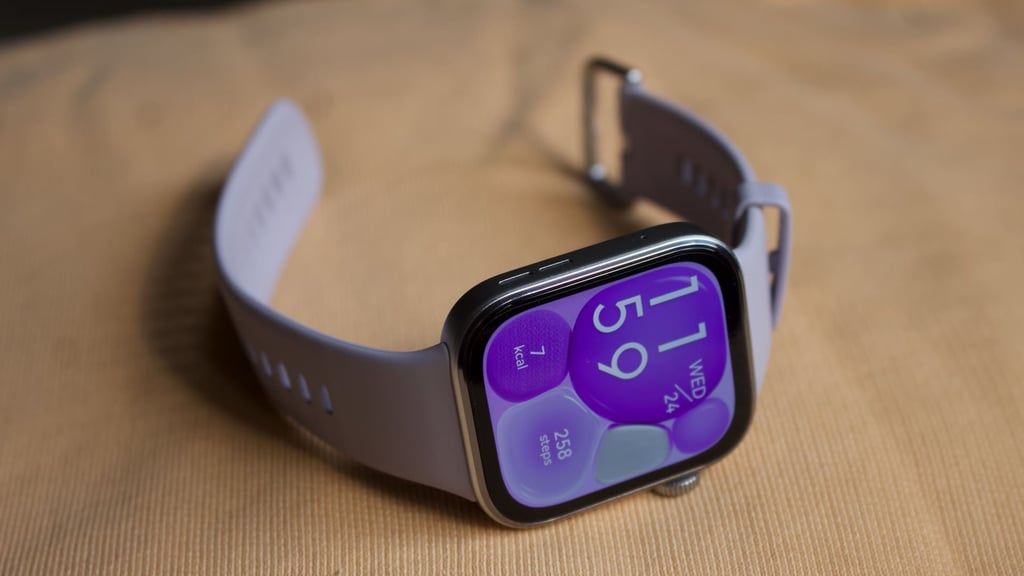
Huawei Watch Fit 4: Best affordable smartwatch with a display
- Battery life: 7–10 days (approx. 7 days normal use, 4 days with AOD enabled)
- Compatibility: Supports Android and iOS
- Display: Bright 1.82-inch AMOLED display (up to 2,000 nits peak brightness in a 9.5mm thin aluminum alloy design)
- Tracking metrics: Heart rate, SpO₂, stress, sleep, menstrual cycle tracking, dual-frequency GPS, and offline mapping
Huawei Watch Fit 4 design punches well above its cost with a refined, soft-touch aluminum case and a stunningly bright AMOLED display that’s a joy to use. But its real strength lies in its sports tracking. In a rare move for a budget device, Fit 4 includes accurate dual-frequency GPS and offline mapping with route import—features usually reserved for watches costing hundreds more.
The trade-off for this value is its very basic smart features. You won't find a robust app store or contactless payment support here. However, this compromise allows for excellent battery life; you can comfortably get a whole week of typical use, or four days with the always-on display active.
Its only real drawbacks are the lack of official availability in the US due to sanctions and the fact it can't compete with Wear OS/watchOS in terms of smarts. A more expensive Pro model is also available, but this standard version offers the best value.
Check out our full Huawei Watch Fit 4 review
- Premium-feeling design and bright display
- Excellent battery life
- Impressive sports tracking
- Very limited smart features
- Huawei Health app can be cluttered
- No official availability in the US
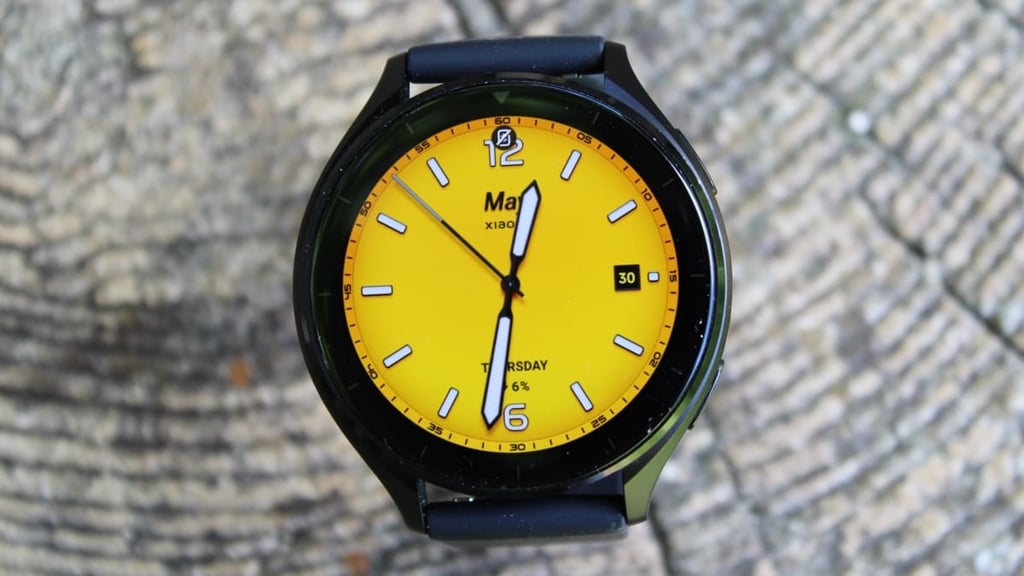
Xiaomi Watch 2
- Battery life: Single-day battery life (approx. 1 to 2 days)
- Compatibility: Android-only (Wear OS 3.5 platform)
- Display: AMOLED display
- Tracking metrics: Heart rate, stress, sleep, blood oxygen (SpO₂), and built-in GPS activity tracking
It’s been a couple of years since Xiaomi’s budget-friendly Watch 2 was released, but it remains a compelling option due to being the cheapest device to run Google’s Wear OS platform. And that remains true, even with Wear OS 5 making a surprise appearance in an August 2025 update.
This limits it to Android phone users only, but it also means anybody previously priced out of the Wear OS ecosystem (and the third-party apps that come with it) has a worthy option to consider.
The build quality and display are superb for a cheaper smartwatch. At the same time, the software—though far from being the Wear OS 6 version capable of Galaxy Watch FE—was polished and responsive during our original testing.
As you would expect at this price, there are compromises. Battery life is limited to a single day, and Xiaomi has made no room for features like LTE. Still, the Xiaomi Watch 2 offers a mix of usability and build quality we’d thought was impossible at this price point.
Check out our full Xiaomi Watch 2 review
- Superb price tag
- Light and attractive design
- HR accuracy is very solid
- Battery life is very average
- Mi Fitness is a glitch-fest
- Doesn’t run Wear OS 4
Redmi Watch 5
- Battery life: Up to 24 days
- Compatibility: Android and iOS (via Mi Fitness / HyperOS ecosystem)
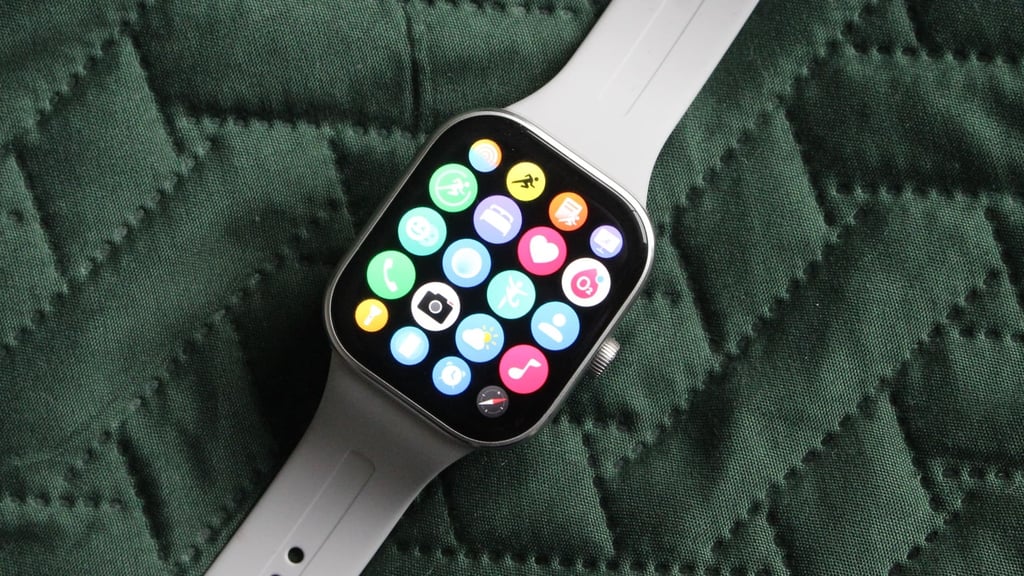
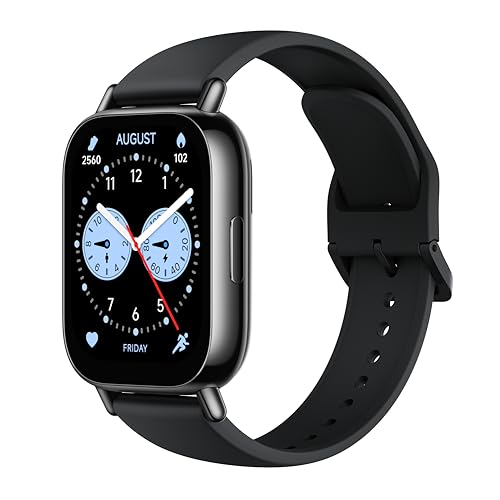
- Display: Ultra-large 2.07-inch square AMOLED display with up to 1,500 nits brightness and sleek aluminum design with 2.5D glass
- Tracking metrics: Heart rate, SpO₂, sleep monitoring, compass, gyro, and built-in multi-system GPS
Although Redmi Watch 5 doesn’t offer many upgrades over its predecessor, the vivid AMOLED display was a definite highlight and a key differentiator during our testing. It provides sharp visuals and excellent visibility, giving the watch a more premium feel than its super-affordable tag.
However, it’s not a smartwatch without issues. It adequately handles essential smartwatch functions, such as notifications and music control, but fitness tracking remains a mixed bag. Heart rate readings during exercise proved inconsistent, similar to Watch 4, meaning it’s not a reliable option for those serious about tracking fitness.
On the plus side, battery life is excellent, potentially lasting for weeks on a single charge—a significant advantage over many on this list. The UI also remains intuitive and easy to navigate, while sleep tracking accuracy proved solid despite being backed by limited insights.
If you’re primarily after a stylish smartwatch for everyday wear, with basic activity tracking and excellent battery life, Redmi Watch 5 is a decent option. However, don’t expect it to replicate the tracking performance of others on this list—or of more expensive watches.
- Really likeable design
- Slick Xiaomi HyperOS software
- Battery life has improved
- Heart rate tracking still not great
- Bluetooth call quality is only okay
- Too many half-baked features
Xiaomi Watch S4 series
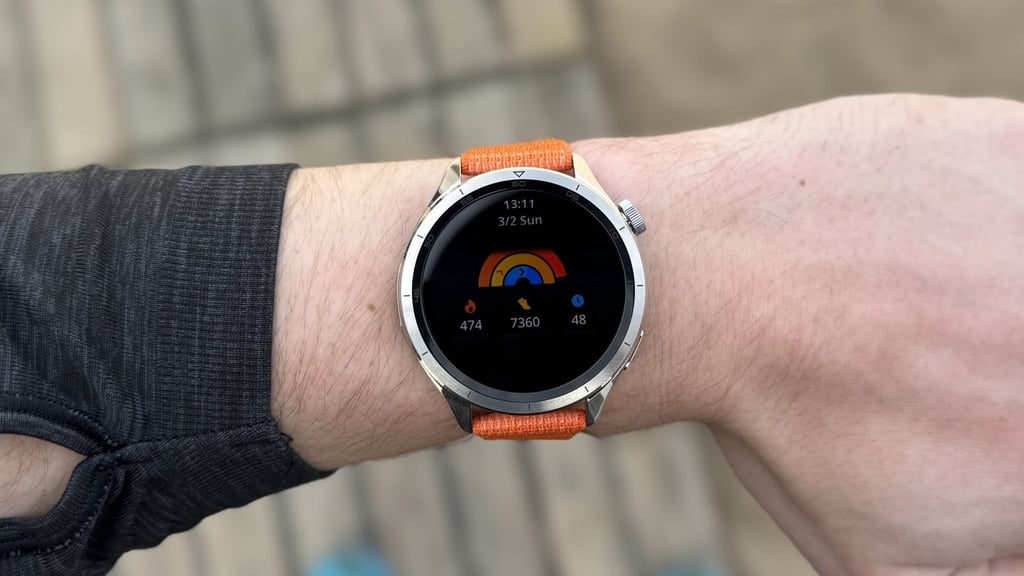
- Battery life: 4–8 days (depending on model and feature usage)
- Compatibility: Android and iOS
- Display: Bright AMOLED display (1.32-inch or 1.43-inch options featuring a fashion-focused design with swappable bezels on the standard model)
- Tracking metrics: Reliable heart rate tracking, SpO₂ (blood oxygen), sleep, altitude/barometer, step count, and built-in GPS
Xiaomi Watch S4 is a solid option for those who prioritize fashion and design over hardcore fitness tracking.
Its standout feature is its stunning, premium look that punches well above its budget price. The elegant 41mm model is perfect for smaller wrists, while the standard 48mm version features a unique and fun swappable bezel system.
In our testing, the AMOLED display was vibrant, and the heart rate monitoring proved surprisingly reliable, making it a solid companion for activities such as gym sessions or walks. However, this style comes at a cost to substance.
The watch’s GPS performance is very inconsistent, making it a poor choice for serious runners or cyclists. Smart features are also very basic, and the sleep tracking analysis can be mixed. It’s a beautiful accessory that handles notifications and casual workouts well, but its tracking issues prevent it from being a top all-around recommendation.
Check out our full Xiaomi Watch S4 (41mm) review
- Fashionable, eye-catching design
- Solid heart rate monitoring accuracy
- Bright and vibrant AMOLED display
- Design isn't workout-friendly
- Sleep tracking analysis is mixed
- GPS tracking isn’t up to standard
Samsung Galaxy Watch FE: Best budget smartwatch for Android
- Battery life: Up to 40 hours of claimed battery life
- Compatibility: Compatible with Android phones running Android 11 or later (health features work best with a Samsung Galaxy phone)
- Display: 1.2-inch Always-On Super AMOLED display with sapphire crystal glass
- Tracking metrics: Optical heart-rate, ECG, body-composition sensors, sleep tracking, personalized heart-rate zones, running analysis, and built-in GPS
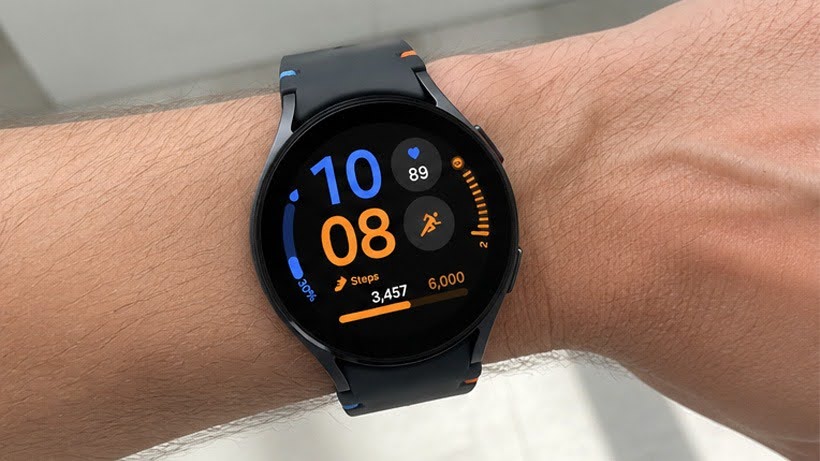
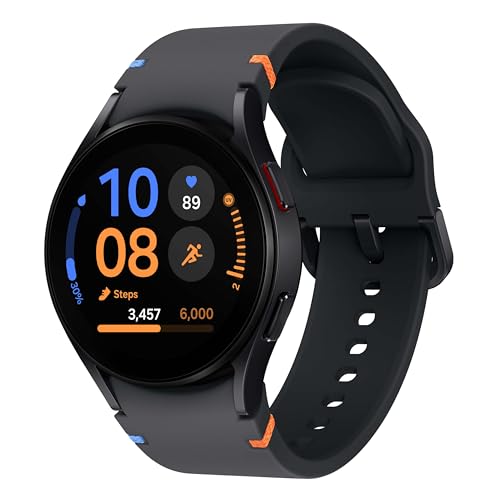
Samsung Galaxy Watch FE is our top budget smartwatch for Android users who want more than fitness tracking. It brings the full Galaxy Watch experience (including Google apps, contactless payments, on-wrist notifications, and downloadable watch apps) to a smaller and more accessible 40mm design.
The 1.2-inch AMOLED screen is sharp and bright enough for everyday use, and the sapphire crystal cover offers more scratch resistance than is typical at this level. At 26.6g, the FE is also light on the wrist, making it a comfortable option for all-day wear and overnight sleep tracking.
Health and fitness features are unusually broad for a budget smartwatch. Samsung’s BioActive Sensor combines optical heart-rate, electrical heart, and bioelectrical impedance sensors, enabling heart-rate tracking, ECG readings, plus body-composition estimates. It also supports GPS outdoor exercise tracking, heart-rate zones, advanced running analysis, and more than 100 workout types. Some features, including ECG and irregular heart-rhythm notifications, are region-dependent and may require a compatible Samsung Galaxy phone.
This is a proper app smartwatch rather than a simple fitness watch. Wear OS support means you can use services such as Google Maps, Google Wallet and Google Play, alongside Samsung’s own health platform. The trade-off is battery life: Samsung quotes up to 40 hours with the 247mAh battery, but frequent GPS workouts, an always-on display and heavy app use will reduce that. Plan for regular charging rather than the multi-day endurance offered by Amazfit, Huawei and Garmin alternatives.
Read our review on Samsung Galaxy Watch FE
- Accessible, full-featured Wear OS experience
- Useful health tools like ECG and body-composition estimates
- Bright AMOLED display with sapphire crystal protection
- Compact and lightweight, with GPS and NFC
- Android-only, with some functions best on Samsung Galaxy phones
- One small case size may not suit every wrist
- Battery life is modest compared to dedicated fitness watches
Bottom line
You no longer need to spend flagship-watch money to get a capable smartwatch. Our best budget smartwatch picks now range from feature-packed Amazfit models and stylish CMF options to the Apple Watch SE 3, Garmin Forerunner 165, and others. Each will offer a different balance of fitness tracking, smart features, battery life, and phone compatibility.
With prices starting at incredibly affordable tags, you don’t have to sacrifice quality to fit a smaller budget, although cheaper devices usually offer less functionality. If you are looking for the best cheap smartwatch, I recommend identifying which metrics or features are your priorities and basing your purchase decision on that.