Luminette glasses review: Do light therapy glasses actually work?

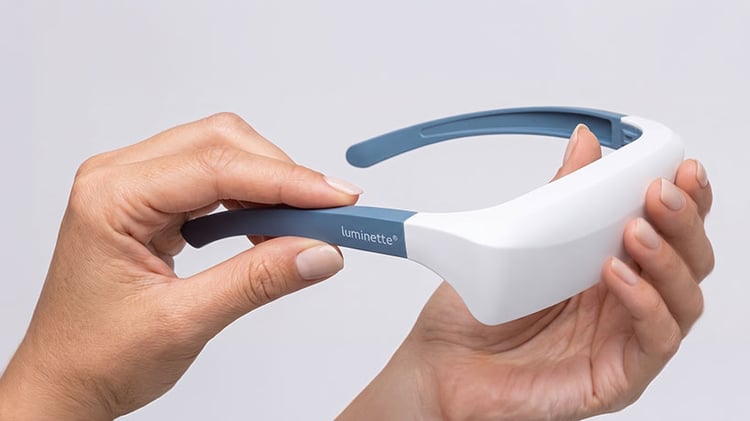
A practical sleep tool that can genuinely shift your rhythm—if you commit to using it daily
- May help with jet lag, shift work, and winter fatigue
- Easy to wear while you get on with your morning
- May improve morning energy and sleep timing
- A more convenient alternative to sitting in front of a light box
- Slightly expensive for what it does
- Effects can be subtle
- Needs consistent use to work well
If you’ve ever battled jet lag, struggled to wake in the dark winter mornings, or often felt out of sync from shift work, you may have wondered if light therapy actually works. I tested the Luminette light therapy glasses because I was skeptical about whether glasses-style devices can truly influence your circadian rhythm, or if traditional light lamps are more effective. Such doubt is common, especially as the light therapy glasses category grows with cheaper, less proven options.
| Product | Luminette 3 light therapy glasses |
| Price | $199 |
| Best for | Jet lag, shift work, winter fatigue, and improving sleep-wake rhythm |
| Key specs | Wearable light therapy glasses (blue-enriched white light) 3 brightness levels 30-minute fixed sessions with auto shut-off ~10–12 sessions per charge No app or subscription required |
Luminette stands out as one of the original, more credible brands in this space, with a design that keeps your vision unobstructed while delivering light. It’s built for real-life wear—during breakfast, on a plane, or before a morning shift. In this Luminette glasses review, I’ll walk you through whether they actually work, who they suit best, and whether a light box or cheaper alternative is a smarter choice for your situation.
What are Luminette glasses?
Luminette glasses are wearable light therapy devices designed to support circadian rhythm regulation by delivering bright, blue-enriched white light directly to your eyes while you wear them like regular eyewear. Unlike traditional light therapy lamps that require you to sit still in front of them for 20–30 minutes, Luminette lets you move around and get on with your morning routine during a session.
The brand claims the glasses improve alertness, help regulate sleep timing, and balance out jet lag by shifting your internal clock. In reality, the light hits your retina at a level meant to mimic morning sunlight, signaling your brain that it’s time to be awake. Yet, results aren’t automatic. Effects depend heavily on using the glasses at the right time of the day and sticking with them consistently over days or weeks. Without that timing and consistency, even the best device won’t prove miraculous for your sleep or energy.
Price and value: Are Luminette glasses worth it?
Luminette 3 glasses currently retail for $199 on the official website and Amazon, though special memberships or third parties may sometimes get you a cheaper deal. You get a 60-day money-back guarantee, but you need to try them for at least 10 days first, as light therapy may take time to influence your circadian rhythm. There’s also a two-year warranty covering technical or manufacturing defects from normal use.
There’s no mandatory app or subscription—the glasses work independently with three brightness levels and an automatic timer. Compared to traditional light therapy lamps that range from roughly $100 to $200, Luminette is on par price-wise but adds portability and cordless convenience. Against cheaper Amazon knockoffs selling for $30–70, you’re paying significantly more, but you’re getting a credible brand and a 2-year warranty instead of an unproven device.
If you want something reliable for travel, shift work, or morning use without sitting in front of a box, the value holds up. Yet, for those who just want to try light therapy, cheaper lamps may be a better starting point.
Design and comfort: First impressions
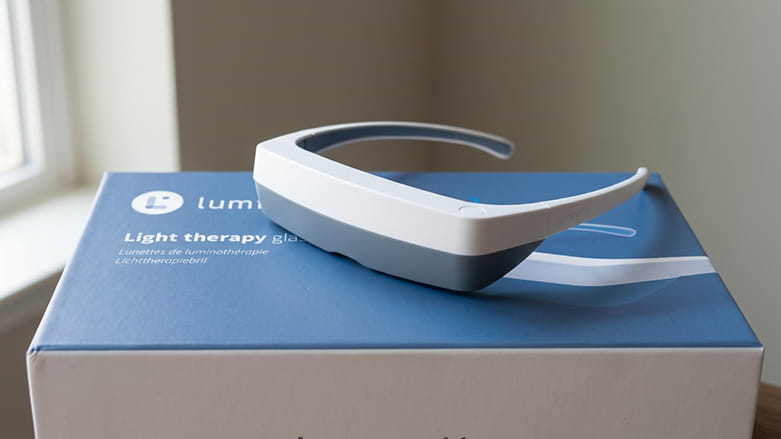
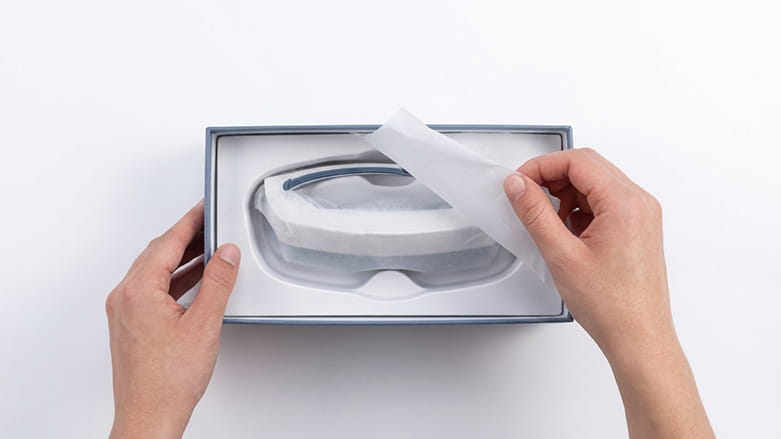
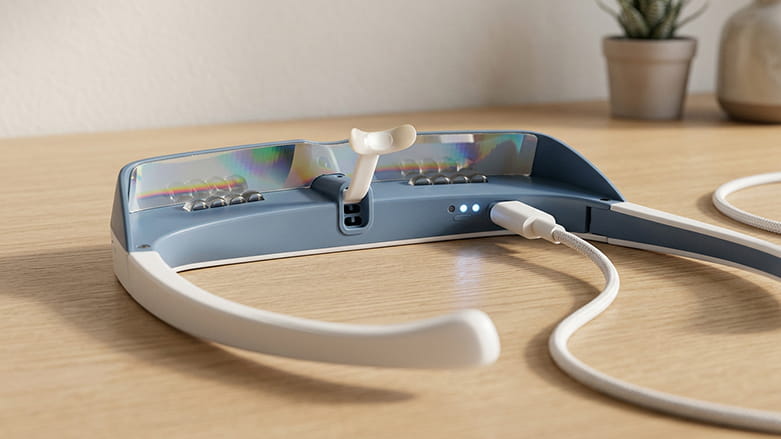
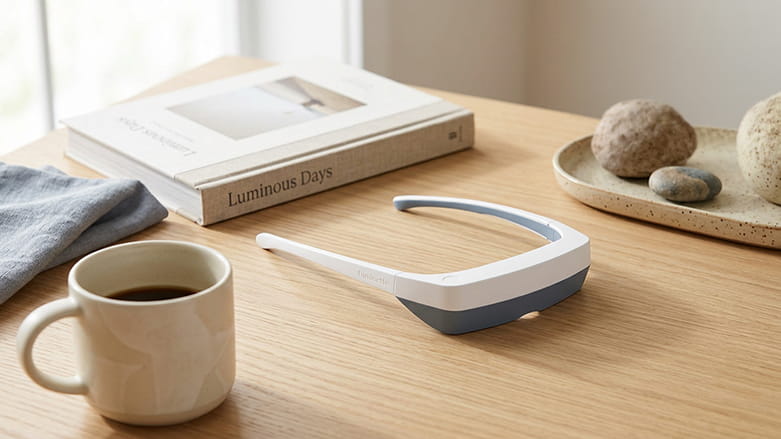
Unboxing the Luminette glasses, I immediately noticed they feel like a premium tech product. The build quality is solid, as the plastic feels sturdy without being cheap, and the hinges don’t creak. At around 50 grams, they’re light enough that you barely notice them after putting them on. The nose pads are also soft enough to avoid leaving marks.
I tested them for 30-minute sessions daily and, personally, never experienced eye strain or headaches, which is a real plus compared to some cheaper alternatives I’ve tried. The battery sits in the temple arm, which keeps the weight balanced and doesn’t bulge awkwardly.
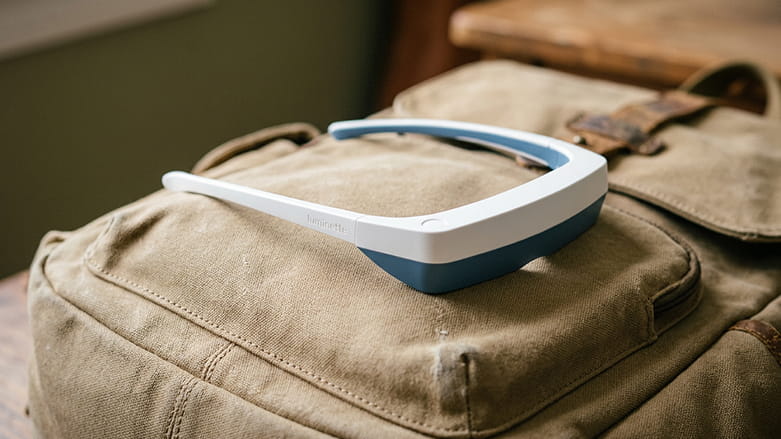
They don’t look like typical glasses, but more like futuristic wearables, so they might feel slightly conspicuous for some in a more official setting. Still, they’re not so “loud” that you’d avoid wearing them in public.
Cleaning is straightforward since there are no fabric parts, and the compact size makes them easy to toss in a bag for travel. I could easily wear them while making coffee or checking emails, and they stayed comfortable across repeated sessions without sliding down or pinching.
Features and everyday usability
Luminette 3.0 has three brightness levels and a fixed 30-minute session timer that automatically shuts off, which removes the guesswork from daily use. You can’t customize the session length, but 30 minutes aligns with what most clinical guidance suggests for light therapy. The battery lasts about 10–12 sessions on a full charge, and charging happens via a simple USB-C cable that snaps magnetically to the temple arm, so no fussy ports to line up.
The Luminette glasses are small enough to slip into a carry-on or laptop bag, making them absolutely portable for travel or commuting. As far as my experience goes, the friction of including a session in a morning routine is minimal. I could put the glasses on while brushing my teeth, making breakfast, or checking emails, and the cordless design meant I wasn’t “chained” to a wall outlet. The automatic timer means you don’t have to remember to turn them off, which is great for consistency.
I’d say this setup fits best for remote workers who want to sneak sessions into their morning, shift workers who need to reset their clock before daytime sleep, frequent travelers dealing with jet lag, people struggling with dark winter mornings, and productivity-focused users who value tools that integrate smoothly into existing routines without demanding extra time. If you need something that just works without constant tweaking, the feature set gets the basics perfectly.
My experience using Luminette glasses: Detailed timeline
I approached the Luminette glasses with natural skepticism. Could something that looks this simple actually influence my circadian rhythm? In my testing over more than a month, I found the experience unfolded in distinct phases, and the effects were subtle but meaningful if you stick with the process.
Week 1: Figuring it out
The first week was mostly about adjustment. The glasses felt odd at first—not uncomfortable, but strange to wear while doing normal morning tasks. I had to get used to fitting them into my routine without it feeling like a chore. My eyes also needed a day or two to adjust to the bright light, as I noticed a slight squinting instinct at first, though no actual strain.
Comfort-wise, they stayed put without moving around loosely, and I could wear them while making coffee or scanning emails. The biggest hurdle was remembering to use them consistently. By day four, it started feeling more natural, and I stopped thinking about them as much.
Week 2–3: Noticing changes
By week two, I started noticing clearer differences. My morning alertness improved, so I felt less like I was dragging myself out of bed. The drowsiness that’s usually still there around 9 in the morning started fading earlier.
I also felt slightly better focused during late mornings, which I hadn’t expected. My mood felt more stable, though I can’t say the change was that dramatic. The routine stuck: glasses on, coffee, emails checked. The only annoyance was that the light felt a bit too bright on the highest setting early on, so I dropped to medium, which still appeared effective.
Week 4+: Sustained or one-off?
By week four, the effects felt sustainable. My sleep schedule was altered slightly earlier—I noticed I was getting sleepy around 10:30 PM instead of the usual midnight. I genuinely wanted to keep using them, which surprised me. The Luminette glasses had become part of my morning, not a burden. For someone dealing with winter fatigue or irregular sleep, this consistency is the real win.
Results and performance
The effects that came with the Luminette glasses mostly matched my expectations. They're nothing like a magic fix, but they can deliver noticeable, gradual improvements if you use them consistently.
For me, the biggest change was in alertness. I felt more awake within 15–20 minutes of starting a session, and that morning energy carried through better than usual. My mood felt slightly more stable, though the change was more subtle rather than dramatic. The most meaningful shift was in my sleep schedule, as over a month, I naturally drifted toward falling asleep some 30–45 minutes earlier and waking up with less resistance. And that’s the kind of change that matters for long-term rhythm, not instant gratification.
Every-day habits formed easier than I expected because the glasses fit into my existing morning routine without adding complexity. The situations where they felt most useful were dark mornings when natural light was scarce, early wake-ups after a late night, and the days I was traveling across time zones.
For jet lag, I noticed faster adaptation when I used them aggressively for the first two days in a new time zone. Again, if you're patient and want a tool that helps you build a healthier sleep-wake cycle over time, the results can be tangible and worth the investment.
Safety, side effects, and who should avoid it
In my experience, the Luminette glasses were generally easy to wear, but light therapy isn’t completely risk-free, especially if you’re sensitive to bright light or prone to headaches. I found that shorter sessions in the morning worked best, while using them later in the day occasionally left me feeling a little too alert at bedtime. That’s something worth taking seriously if you already struggle with sleep timing.
A few things you should know before using them regularly:
- Some people can experience mild eye strain, headaches, or irritation during the first few sessions
- If you’re sensitive to bright light, I’d recommend starting with the lowest intensity setting and shorter sessions
- Morning use is usually the safest bet. I found that using the glasses too late in the afternoon felt more stimulating than relaxing
- Anyone with photosensitivity, existing eye conditions, or a history of retinal issues should check with an eye specialist first
- Certain medications (including some antibiotics, acne treatments, and antidepressants) can increase light sensitivity
- There’s also some caution around bipolar disorder, as light therapy may affect mood regulation in susceptible users
I think the key here is treating the Luminette like a wellness tool rather than something completely harmless just because it looks simple. If used properly, it feels low effort and easy to fit into a routine, but timing and sensitivity really do matter here.
Other red light therapy reviews
Best red light therapy masks: Our practical roundup of the top LED face masks across price points and skincare needs
Best red light therapy devices: Wareable LED therapy gadget picks that deliver the strongest at-home experience
Best full-body red light therapy devices: Our guide to full-body LED panels and beds designed for wider light exposure
Best FDA-cleared red light therapy devices: Review of LED therapy devices that have received FDA clearance for targeted applications
Best red light therapy devices for gums: Wareable recommendations for LED devices aimed at supporting gum health and oral care
Final thoughts
After using the Luminette glasses for some time, I think they make the most sense for people who struggle with dark mornings, shifting sleep schedules, or low energy during winter months. In my testing, the benefits felt very gradual, so it’s important to understand that this isn’t an instant “feel better” shot. Consistency is important, and you’ll likely need daily morning sessions before noticing meaningful changes.
I’d recommend the Luminette glasses if you want a more convenient alternative to traditional light therapy lamps and you’re willing to add them to your routine. But if you expect instant results or you’re highly sensitive to bright light, the purchase may feel harder to justify. The price is high, but for the right user, I think the hands-free design and ease of use make it worth it.
-
Mayo Clinic.
Seasonal affective disorder treatment: Choosing a light box.
-
National Institute of Mental Health.
Seasonal affective disorder.
-
Harvard Health.
Light therapy: Not just for seasonal depression?