Accurate tracking matters, but comfort and consistency separated these best wrist heart rate monitors from the rest
Wrist-worn heart rate monitoring devices have come a long way in the past few years, and for most people they now offer a genuinely convenient alternative to chest straps. The best wrist heart rate monitors can keep tabs on everyday health, workouts, and recovery without the hassle of extra kit. This is exactly why smartwatches and fitness trackers have become so popular.
At the same time, optical sensors are not all equal: accuracy can still vary depending on the exercise, how well the device fits, and the quality of the sensor itself. Some watches handle steady runs nicely, while others are known to struggle with intervals, strength work, or rapid changes in intensity. In this guide, we compare the best wrist heart rate monitors based on accuracy, comfort, training features, battery life, and overall value.
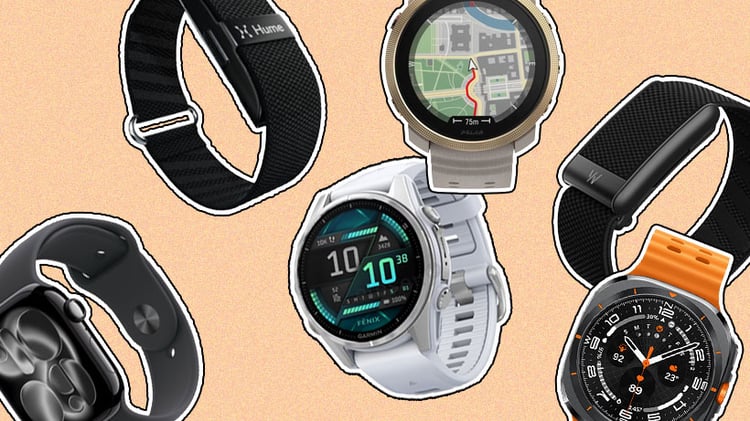
Quick picks: Best wrist heart rate monitors
- Hume Band 2.0: Best for recovery and wellness tracking
- Garmin Fenix 8: Best for serious training
- WHOOP 5.0: Best for recovery-first monitoring
- Apple Watch Series 11: Best iPhone smartwatch
- Polar Vantage M3: Best value for runners
- Samsung Galaxy Watch Ultra: Best Android smartwatch
How we tested wrist heart rate monitors
We tested each wrist heart rate monitor in real-world conditions over several weeks, focusing on how they perform when it actually matters. That included running, walking, cycling, strength training, and all-day wear to see how reliably they track heart rate across different intensities and routines.
We paid close attention to accuracy during steady-state cardio as well as interval sessions, where weaker sensors tend to struggle. Comfort and fit were also key, since even small shifts on the wrist can affect readings. Beyond core tracking, we evaluated ease of setup, workout features, wellness insights, battery life, and display readability in bright and low-light conditions. Just as importantly, we considered the overall user experience of how intuitive each device feels day to day. In this way, we could assess if a device delivers genuine value as a best wrist heart rate monitor rather than just promising it on paper.
Hume Band 2.0
Best for health tracking over hard training
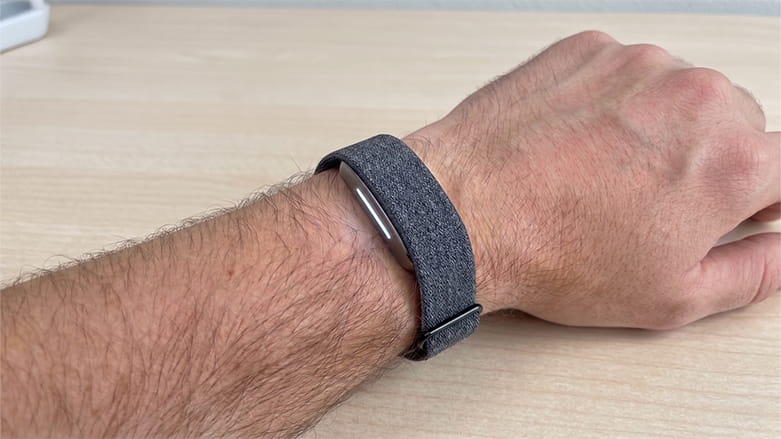
| Sensor type | 5 LEDs and 4 photodiodes |
| GPS | None |
| Battery life | Up to 14 days |
| Water resistance | IP68, water-resistant up to 1 meter for up to 2 hours |
| Health features | Heart rate, HRV, sleep, stress, SpO2, respiratory rate, activity, skin temperature, and recovery |
| Compatibility | iPhone and Android |
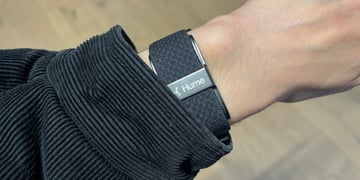
Hume Band feels most compelling when we judge it as a long-term wellness tracker rather than a training-first wrist heart rate monitor. In daily use, its screen-free design feels comfortable and discreet, and the lightweight fit makes it easy to wear overnight and through the workday.
The band’s strength is in trend tracking: heart rate, sleep, recovery, and stress signals are presented in a way that suits people who want a clearer picture of their wellness habits rather than just workout stats. Battery life is a real plus too, especially if you value fewer charges and a device that stays on your wrist more often. The limitation is that it is not built like a sports watch, so athletes wanting richer workout tools, GPS, or a traditional training display will find more complete options elsewhere. Overall, the value is strong for users who want a more holistic wellness monitor.
- Comfortable, screen-free design for 24/7 wear
- Up to 14 days of battery life
- Broad wellness tracking, including HRV and sleep
- IP68 water resistance
- No GPS
- Less training-focused than sport watches
- Price is high for users who only want workout heart rate
Garmin Fenix 8
Best for serious training and outdoor endurance
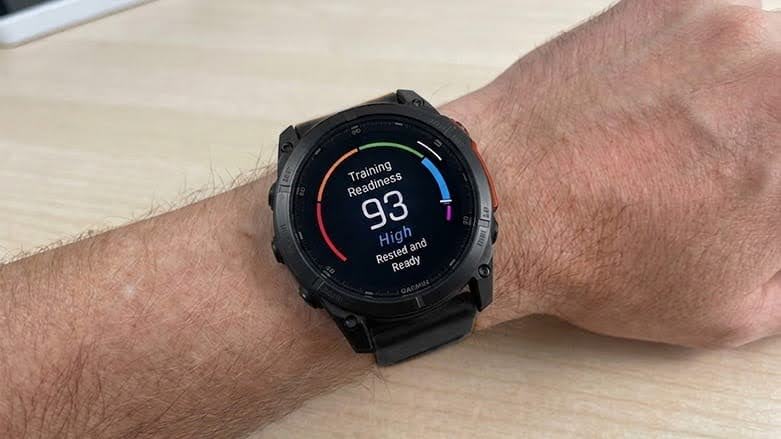
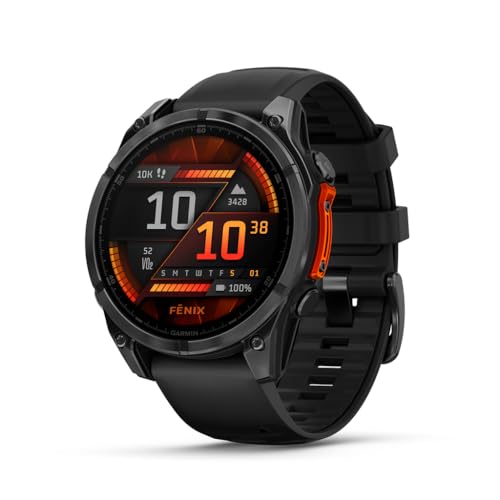
Fenix 8 is the kind of wrist heart rate monitor you may wanna reach for when accuracy, durability, and breadth of features matter more than simplicity. From our testing, it seems to be built for people who train hard and spend long hours outdoors. It comes with a robust shell, excellent battery life, and a display that makes workout data easy to read at a glance.
Heart rate tracking is generally strong for steady runs, hikes, and most endurance sessions. At the same time, Garmin’s broader training ecosystem adds real value if you like structured workouts, recovery guidance, and detailed wellness tracking. It is comfortable enough for long sessions, though it is still a large watch and can feel overbuilt for smaller wrists or casual users. The main trade-off is price: this is a premium device, but it earns its tag with depth, polish, and versatility.
- Excellent battery life for a full-featured sports watch
- Strong GPS and all-round training tools
- Deep wellness and recovery tracking
- Rugged build with dive and outdoor features
- Very expensive
- Large and bulky for some wrists
- Complex interface compared with simpler bands
WHOOP 5.0
Best for recovery-first wearers who want invisible tracking
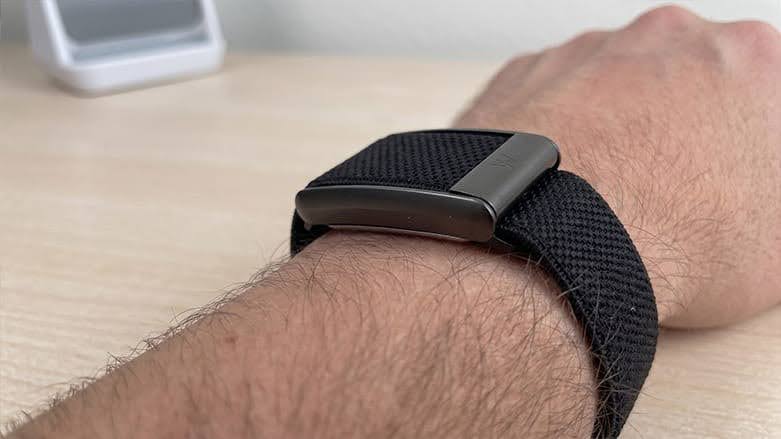
| Sensor type | Optical PPG heart-rate sensor with accelerometer |
| GPS | No built-in GPS |
| Battery life | Up to 14 days |
| Water resistance | IP68, up to 10 meters |
| Health features | Heart rate, sleep, HRV, stress, strain, recovery, respiratory rate, and skin temperature |
| Compatibility | iPhone and Android |
WHOOP 5.0 is the most lifestyle-friendly pick in this group, especially if you want steady, around-the-clock insight rather than a watch display full of workout metrics. It disappears on the wrist, stays comfortable through sleep and training, and the lack of a screen is part of the appeal because it makes the device easy to wear all day without distraction.
Heart rate tracking is generally best when the band is worn snugly and consistently. This is important to note because WHOOP 5.0 leans heavily on long-term trends, recovery data, and sleep analysis rather than live, on-device coaching. The potential downside is this: there’s no built-in GPS, so runners and cyclists need a phone for route data, and the subscription model means value doesn’t translate to a one-time purchase. Yet, for people who care more about readiness, recovery, and habit tracking than traditional sports-watch features, WHOOP 5.0 makes a persuasive case.
- Extremely comfortable for 24/7 wear
- Strong recovery and sleep tracking
- Long battery life
- Lightweight, discreet design
- No built-in GPS
- No display for live workout stats
- Subscription required
Apple Watch Series 11
Best for iPhone users who want a complete all-round wellness watch
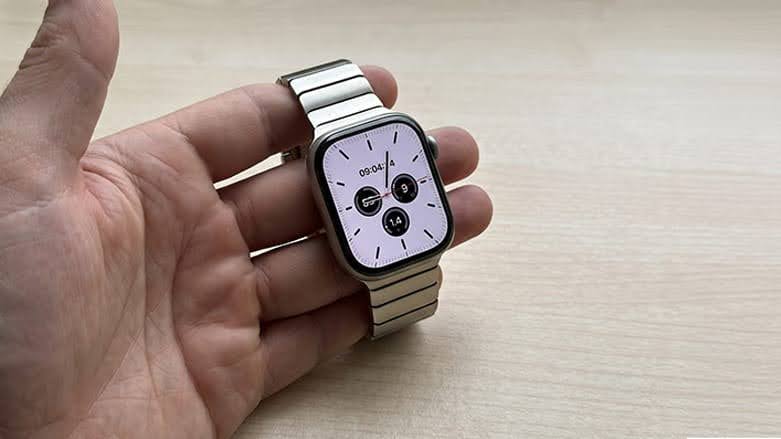
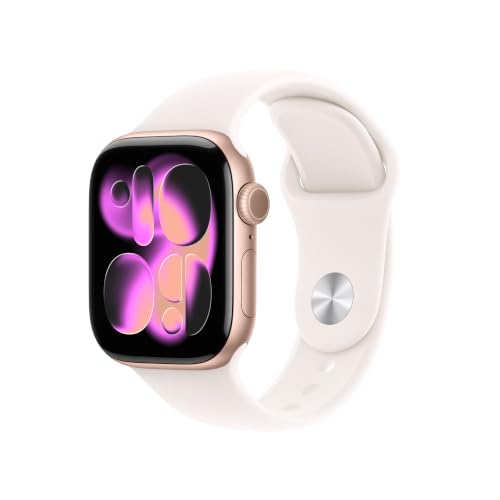
Apple’s latest watch feels like the safest all-round pick for iPhone users who want a wrist heart rate monitor that also acts as an everyday smartwatch. Heart rate tracking was consistently strong in our testing, providing itself for steady runs, gym sessions, and general day-to-day use. We also noticed the watch’s tight integration with iPhone makes the whole experience feel brand-polished rather than wellness-focused.
The comfort is excellent thanks to the familiar, lightweight design, and the display remains one of the easiest to read at a glance during workouts or in normal light. The biggest limitation is still the device’s battery life. 24 hours is better than before, but it doesn’t take away the need for daily charging, so it’s not a multi-day endurance device. Even so, the combination of accurate tracking, wellness features, safety tools, and effortless usability makes it one of the most convincing wrist-based monitors.
- Excellent heart rate and GPS performance
- Very polished iPhone experience
- Strong wellness and safety features
- Comfortable and easy to read during workouts
- Battery life is still limited
- iPhone only
- Less ideal for long off-grid trips
Polar Vantage M3
Best for value-packed multisport training
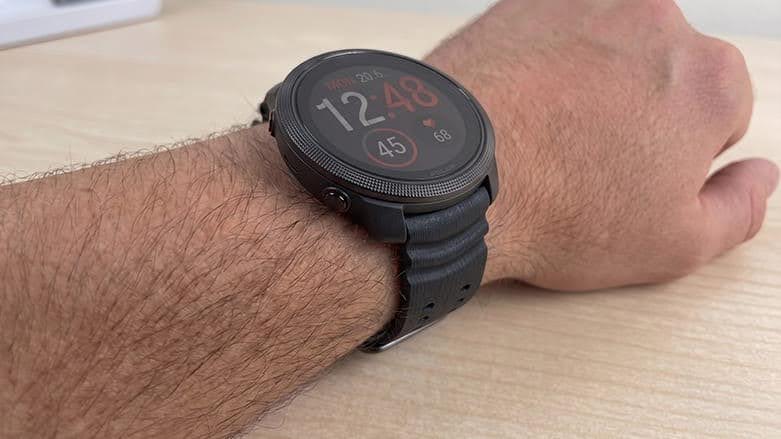
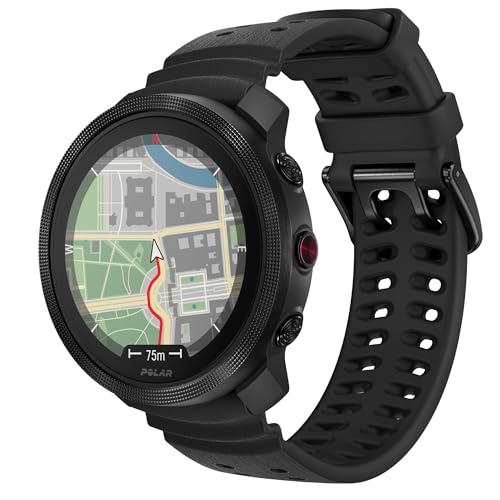
The Polar Vantage M3 lands in that sweet spot where serious training features meet a more approachable price. On the wrist, it feels light and easy to wear all day, which matters because wrist heart rate monitoring works best when the watch stays planted during both workouts and sleep. We noticed it was at its strongest during steady cardio, outdoor runs, and longer sessions where the dual-frequency GPS and clear AMOLED display had real practical value.
The heart rate sensor is solid for most everyday training, though like many optical systems it can be less consistent during sharp pace changes or certain strength exercises. Polar’s recovery and health tools are a genuine selling point, especially if you’re after training data and a broader readiness picture. The main compromise is smartwatch polish: it is more fitness-first than lifestyle-first, and battery life is good rather than class-leading. Even so, it offers a lot for the money.
- Light, comfortable, and easy to wear all day
- Dual-frequency GPS and clear AMOLED display
- Strong recovery and training tools
- Good value for a feature-rich multisport watch
- Smartwatch features are limited
- Battery life is not class-leading
- Optical HR can wobble in some hard interval or strength sessions
Samsung Galaxy Watch Ultra
Best for Android users who want a rugged, feature-rich training watch
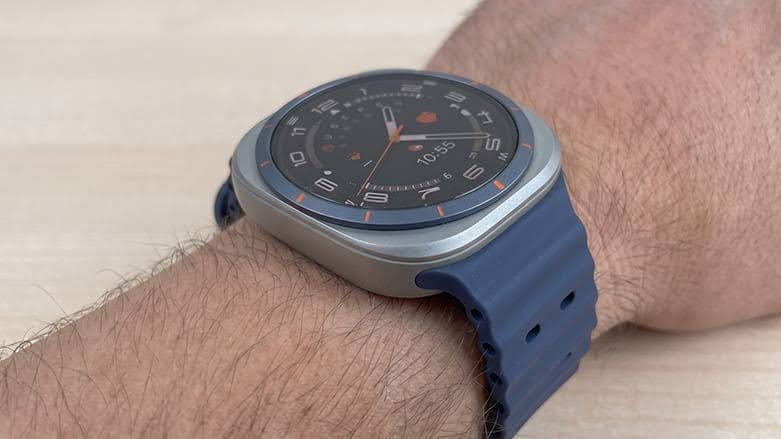
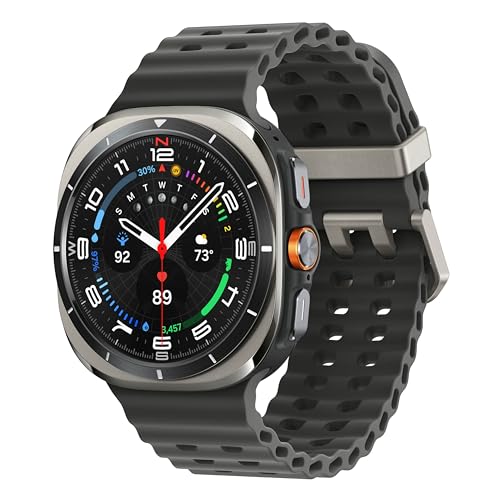
Galaxy Watch Ultra feels like it’s built for people who want a serious smartwatch first and a wrist heart rate monitor second, but it still delivers well on the core fitness stuff. In use, it is big, bold, and very readable, with a bright display that makes workout stats easy to check at a glance, even outdoors.
Heart rate tracking is generally solid for steady cardio and day-to-day wear, while the wider health platform gives Android users plenty to work with beyond exercise alone. Here, the trade-off is comfort: this is not a subtle watch, and smaller wrists may notice the size during longer sessions, and especially during sleep. Battery life is better than Samsung’s standard watches, though it still falls short of true multi-day endurance expected by some users.
That said, Samsung Galaxy Watch Ultra earns its place by combining rugged build quality, deep health tracking, and genuinely useful GPS performance in a watch that feels ready for training and everyday life.
- Bright, easy-to-read display
- Strong dual-frequency GPS
- Broad health and fitness tracking
- Rugged build with excellent outdoor credentials
- Large and heavy on smaller wrists
- Battery life is only modest for a premium watch
- Android only
Wrist heart rate monitors compared
How accurate are wrist heart rate monitors?
Most wrist heart rate monitors use optical sensors (PPG) that shine light into your skin and measure changes in blood flow with each heartbeat. In ideal conditions, modern sensors can be impressively close to chest straps, especially at rest and during steady, moderate exercise. However, accuracy depends heavily on how and where you wear the device. A snug fit that keeps the sensor flat against the skin is crucial. In other words, any wobble on the wrist introduces motion noise and makes readings less reliable.
Workout intensity and movement also matter. As pace and arm swing increase, optical sensors have to work harder, so fast intervals, sprints, or strength training often show more error than gentle running or walking. Cold weather can further reduce accuracy by lowering blood flow in the skin, while tattoos, darker skin tones, and higher BMI are known to affect how light passes through tissue. In practice, wrist devices are best viewed as very good estimates for everyday training and health tracking, but still a step behind a well-fitted chest strap or clinical ECG when you need truly precise numbers.
How to choose the best wrist heart rate monitor
Choosing the best wrist heart rate monitor starts with being honest about how you exercise. If you care about structured training or precise zones, prioritize accuracy, a snug but comfortable fit, and being mindful of performance during your typical workouts—steady runs, intervals, strength sessions, or cycling. For everyday health tracking and mixed workouts, comfort and battery life matter just as much. A device you don’t mind wearing 24/7 will give you more useful data than a “perfect” monitor that lives in a drawer.
Decide whether you want a full smartwatch or a simpler fitness tracker. Smartwatches add apps, notifications, and richer ecosystems but usually need more frequent charging. Fitness trackers are lighter and often cheaper, with longer battery life but fewer extras. Think about GPS if you run or ride outdoors, and look for training features (interval modes, training load, recovery insights) that match your actual goals rather than just ticking boxes. Health metrics like ECG, blood oxygen, sleep, stress, and recovery scores are valuable if you’ll actually use them, and a clear, well-designed app can make or break the experience. Finally, set a budget and pay for the features that genuinely support how you train, not the ones that just look impressive as a list of specs.
What to look for before buying a wrist heart rate monitor
Before you commit to a new wrist heart rate monitor, it really helps to match the spec sheet to your real routine. Accuracy is still the starting point, so if you train with zones or care about intervals, look for devices with solid optical sensors, good reviews for your type of exercise, and a band design that stays locked in place. Battery life then dictates how often you’ll be charging the device. It can be daily for full-blown smartwatches or every few days or more for simpler trackers. By the way, heavy GPS use will cut that headline number significantly.
Think carefully about GPS and exercise modes if you run, ride, or swim outdoors, and check whether the app ecosystem supports your favourite platforms or coaching tools. Smartwatch features like notifications, music, and third‑party apps are a bonus. Still, you don’t want those at the expense of comfort, clear display readability during workouts, and basic durability like water resistance or scratch protection during sport.
Phone compatibility and subscription requirements are easy to overlook but can define long-term value. Some devices only work with one phone brand, and others lock key insights behind a monthly fee. Finally, be honest about price. Spending more makes sense when you’ll actually use the advanced training features, health metrics, and richer app experience. Otherwise, a simpler, more affordable tracker often does the job just as well.
Wrist heart rate monitor vs. chest strap: Which should you buy?
Wrist heart rate monitors use optical sensors and are designed to be worn all day, while chest straps use electrical signals (ECG) and focus purely on workout accuracy. Chest straps still set the gold standard: they respond faster to changes in intensity, stay reliable during sprints, intervals, and hard cycling, and are less affected by movement, sweat, and temperature. If you train with heart rate zones, race regularly, or want the cleanest data for threshold work and structured plans, a chest strap is the safer choice.
Wrist-based devices, on the other hand, win on comfort and convenience. You’re already wearing the watch, so there’s no extra kit to strap on, plus they double as everyday health trackers, sleep monitors, and smartwatches. For most people doing steady runs, gym sessions, and general health tracking, modern wrist sensors are accurate enough and far more pleasant to use. In practice, we’d suggest serious athletes and data-obsessed users pair their watch with a chest strap for key sessions. If there are no health risks or specific concerns, everyone else will be well served by a good wrist heart rate monitor that fits well, stays put, and delivers consistent readings for everyday training.
Other recovery and wellness reviews
Best heart rate monitors: Tested straps, watches, and rings
Best ECG smartwatch: Tested for ECG-based efficiency
Heart rate monitors for Strava: Tested for effective Strava compatibility
Best fitness tracker: Tested for practical fitness goals
Final verdict: Which wrist heart rate monitor should you buy?
If your priority is long-term wellness and recovery support, Hume Band is our best wrist heart rate monitor for holistic tracking. For serious training and outdoor endurance, Garmin Fenix 8 remains the most rounded choice, combining strong accuracy, deep training tools, and reliable battery life. Meanwhile, WHOOP 5.0 suits recovery-first users who want invisible, subscription-based monitoring.
If you want a full smartwatch experience, Apple Watch Series 11 is still the obvious pick for iPhone owners. Runners and multisport athletes looking for strong training features at a lower price should shortlist Polar Vantage M3, which offers a lot of performance without Fenix-level spend. Last but not least, Samsung Galaxy Watch Ultra is the best fit for Android users who want rugged design and serious GPS.
References
-
National Center for Biotechnology Information.
-
German Sport University Cologne.
-
National Center for Biotechnology Information.
-
Frontiers.