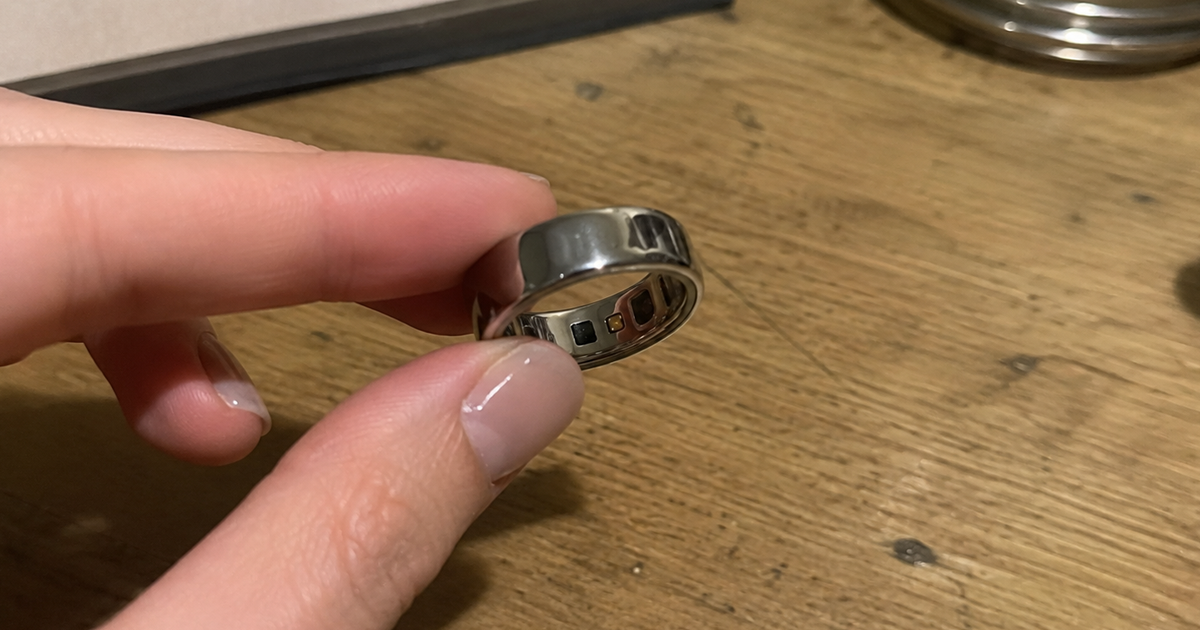
If your bedroom turns into a slow cooker the moment summer arrives, don’t just guess what it’s doing to your sleep—track it. I wore the Oura Ring 4 for seven hot nights, logged my room temperature with a bedside thermometer, and compared the results with my cooler two-week baseline.
The short version: the ring didn’t magically fix the heat, but it made the pattern more noticeable. Once my bedroom averaged above 23°C, my sleep got lighter, my heart rate stayed higher for longer, and I woke up feeling like I’d done a low-grade workout under a duvet.
The lead product here is the Oura Ring, and this is exactly the kind of boring-but-useful experiment that makes it more than an expensive sleep score generator.
Oura made my ‘bad hot sleep’ complaint measurable
I already knew I disliked sleeping in a warm room, which isn’t a revelation. The useful part was seeing where ‘a bit stuffy’ became ‘my body clearly didn’t settle.’
For this test, I wore Oura Ring 4 every night for one full week during a warm spell. I kept the same approximate sleep window, used the same lightweight duvet, avoided alcohol, and logged three things every morning: average bedroom temperature, fan setting, and how refreshed I felt on a 1–5 scale.
I also compared the week against my previous 14 nights of Oura data, when the room averaged 19.4°C, and I wasn’t changing anything deliberately. That baseline wasn’t laboratory-perfect—real sleep never is—but it gave me a sensible personal reference.
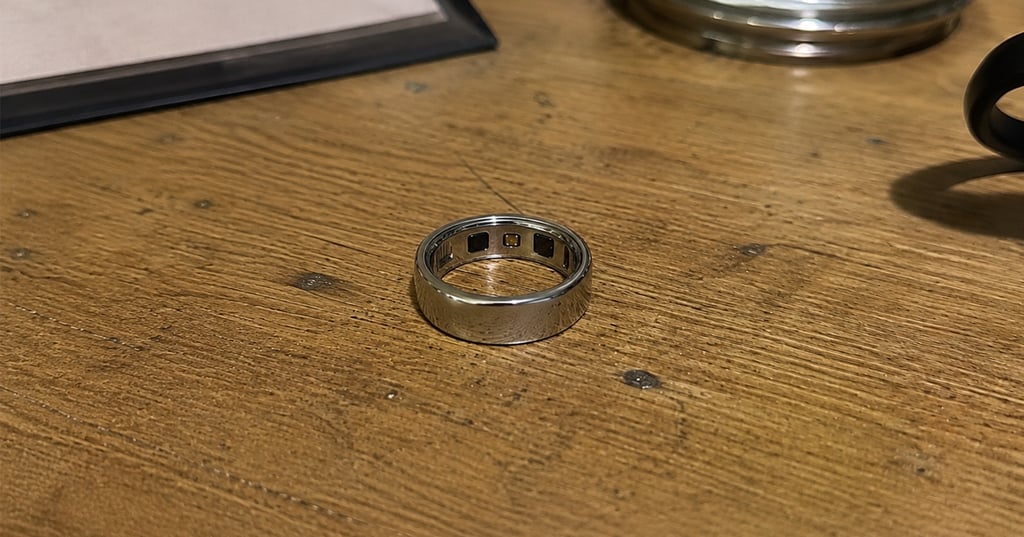
Oura doesn’t measure bedroom temperature. Its temperature metric is a skin-temperature deviation from your own baseline, not a room reading or a medical thermometer. So, in this case, the ring handled the body-side trends, while a separate thermometer handled the room-side variable.
That combination was the point. Without the thermometer, I’d only have a vague ‘I slept badly.’ Without Oura, I’d only have a number on the nightstand.
My seven-night heat test rule: Don’t chase a perfect score
I didn’t deliberately make the room hotter than it naturally was. I also didn’t try to ‘win’ the test by throwing every cooling trick. I wanted to see what changed across normal, slightly different summer nights.
The setup stayed consistent:
- Oura Ring 4 worn on my index finger every night
- Paired to an iPhone, synced each morning
- Sleep tracking and heart-rate features left on
- Blood oxygen sensing left off to preserve battery
- Bedside thermometer placed away from the window and fan
- Same bedtime target: 11:15pm–11:45pm
- Same wake target: 6:45am–7:15am
- Ring charged once on the morning of day four
- Fan used on low for three nights, medium for two, and off for two
The main measurements I watched were total sleep, sleep efficiency, estimated sleep latency, lowest overnight heart rate, average HRV, restfulness, and Oura’s skin-temperature deviation.
I paid less attention to individual sleep stages. I believe that consumer wearables can be useful for trends, but I don’t treat a single night’s REM or deep sleep estimate as a courtroom-grade fact.
The warmer nights didn’t just feel worse—my recovery metrics sagged too
The pattern was clearest when I split the week into the three coolest nights and the three warmest nights, leaving the middle night as the awkward in-between.
Here’s the compact version of my test log:
| Test condition | Avg bedroom temp | Avg total sleep | Avg sleep efficiency | Avg latency | Lowest HR | Avg HRV | Morning feel |
| 14-night cooler baseline | 19.4°C | 7h 18m | 88% | 18m | 54 bpm | 51 ms | 4.0/5 |
| 3 coolest test nights | 21.2°C | 7h 04m | 86% | 22m | 56 bpm | 48 ms | 3.7/5 |
| Middle test night | 22.6°C | 6h 49m | 84% | 27m | 58 bpm | 43 ms | 3/5 |
| 3 warmest test nights | 24.1°C | 6h 21m | 80% | 36m | 61 bpm | 38 ms | 2.3/5 |
The numbers matched the boring human reality. On the warmest nights, it took longer for me to fall asleep, I woke up more often, and spent more time doing the duvet-on, duvet-off negotiation that nobody wins.
The most persuasive Oura metric wasn’t total sleep. It was the overnight heart-rate curve. On cooler nights, my heart rate usually dropped steadily in the first half of the night. On the warmest nights, it stayed elevated for longer and hit its lowest point much closer to morning.
That tracked with how I felt. I didn’t wake up ill, but I did wake up unrefreshed—dry mouth, heavy head, and a mild ‘why am I already annoyed?’ feeling before breakfast.
The ring’s best feature was showing the same story from several angles
A cheap thermometer can tell you the room is hot. A sleep tracker can tell you the night was poor. Oura’s advantage is that it stacks several signals into a trend you can actually act on. During this week, three Oura features were genuinely useful.
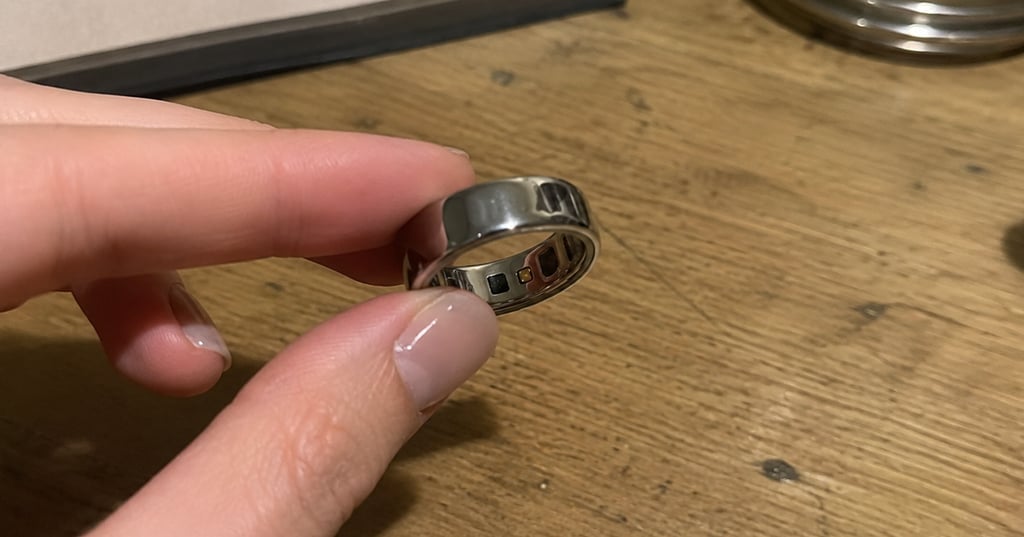
First, Trends made the temperature threshold obvious. My sleep didn’t collapse the second the room went above 20°C. The bigger drop appeared once the room sat above roughly 23°C for most of the night.
Second, Tags helped me to stop blaming heat for everything. I tagged fan use, late meals, hard workouts, and caffeine after 2pm. One mediocre night looked like a heat problem at first, but the tag reminded me I’d done a late interval session and eaten later than usual. That didn’t invalidate the heat pattern; it stopped me oversimplifying it.
Third, the ring was comfortable enough to disappear. I can sleep in a smartwatch, but I’m more aware of it, especially in warm weather. The Oura Ring didn’t add a sweaty strap, didn’t light up when I moved, and didn’t buzz me awake with a notification I absolutely did not need at 3:12am.
That comfort matters. Sleep experiments fail quickly if the tracker becomes another reason you’re sleeping badly.
I changed one cooling habit after night five
By the fifth morning, the results had become too obvious to ignore. I had two poor nights in a row, both with the room peaking above 25°C before midnight, and Oura showed the same delayed heart-rate dip on both.
So I made one practical change: I started pre-cooling the bedroom for 45 minutes before bed, then switched from fan-off to fan-low overnight.
I didn’t change bedding, bedtime, or evening routine. The next two nights were still warm, but the average room temperature dropped by about 1.3°C compared with the previous two nights. Oura estimated that my sleep latency fell from 39 minutes to 28 minutes, and my sleep efficiency improved from 78% to 83%.
That’s not proof that the fan caused every improvement. But it was enough to change my routine. The practical win wasn’t ‘set your room to one magic temperature.’ It was ‘stop letting the bedroom hold onto the day’s heat until midnight.’
That’s the kind of small behavior change Oura is good at nudging. Not dramatic. Not medical. Simply useful.
Oura is expensive if you only want a heat diary
The awkward part is price. Oura Ring 4 starts at $349, and Oura says battery life can reach up to eight days depending on size, settings, and use. In my case, with blood oxygen sensing off, I charged once for 31 minutes on the fourth morning and finished the test with 39% battery.
That was excellent for sleep tracking. I didn’t pack a charger beside the bed, and I didn’t have a glowing watch face interrupting the test.
But apart from the higher initial price, the membership is the bigger buying consideration. Oura’s detailed app experience requires a paid membership after the included period, with US pricing listed at $5.99 monthly or $69.99 annually. If all you want is to log room temperature and jot down whether you slept badly, buy a thermometer and use Notes.
The Oura Ring makes more sense if you want a long-term sleep and recovery baseline that can also handle heat, travel, illness, training load, alcohol, late meals, and schedule changes.
In other words, the heat experiment is a great use case. It’s definitely not, at least by itself, the whole purchase argument.
Two things annoyed me during the test
The first limitation is that Oura can make you overthink a bad night. I found myself checking the app before deciding how tired I felt, which is exactly backwards. The score should add context, not become your mood manager.
The second is that Oura’s readiness-style feedback can be a little too tidy for a messy summer week. A hot room, poor sleep, and elevated heart rate may line up neatly in the app, but the ring can’t tell whether you were dehydrated, stressed, under-recovered, fighting off a bug, or simply too warm.
That distinction matters. Wearables can show trends; they don’t diagnose why your body behaved a certain way.
And if heat brings serious symptoms—confusion, fainting, chest pain, severe weakness, trouble breathing, or an inability to cool down—that is not the moment to keep collecting neat sleep data. Cool down and get appropriate help.
The best use is finding your personal bedroom limit
My biggest takeaway wasn’t that everyone needs an ice-cold bedroom. It was that my sleep seemed reasonably resilient up to a point, then dropped off quickly.
For me, that line appeared around the low-23°C range. Below it, I might lose a little efficiency but still function. Above it, my latency stretched, my heart rate stayed higher, HRV dipped, and my morning rating fell.
That gives me a buying verdict and a practical habit. I’d buy Oura for this if I already cared about sleep, recovery, and long-term trends—not if I only wanted to prove one warm week was uncomfortable.
My verdict: the Oura Ring 4 is one of the cleanest ways to turn ‘I can’t sleep in this heat’ into a personal pattern you can act on, and after seven nights I’d keep wearing it—with the fan on before bed, the thermometer on the nightstand, and the understanding that the ring is a guide, not a diagnosis.