We tested Hume Band 2.0, WHOOP 5.0, and Oura Ring 5—three trackers with completely different approaches
If you’re interested in tracking your health metrics but still want something very minimalist rather than a bulky smartwatch, devices like Hume Band 2.0, WHOOP 5.0, and Oura Ring 5 might be just for you. Such wearables don’t have screens or make sounds, which makes them perfect for wearing 24/7 without distractions.
Hume Band 2.0, WHOOP 5.0, and Oura Ring 5 all track metrics such as heart rate, sleep stages, and activity. However, they are actually very different in terms of how they present data and what users they target.
To help you make a well-informed decision and understand how these devices differ, we decided to test them out ourselves. Since these devices are a bit different, we were mostly focusing on finding who each device is best for. During our tests, we paid close attention to their comfort, design, features, performance, and payment models, which you can learn more about in this Hume Band vs. WHOOP vs. Oura comparison.
| Hume Band 2.0 | WHOOP 5.0 | Oura Ring 5 | |
| Price & subscription | $199.25 with an optional $8.99/month membership | Free with a membership from $199/year | $399 with a membership from $5.99/month or $69.99/year |
| Battery life | Up to 14 days | +14 days | 6–9 days |
| Workout tracking | Activity tracking and metabolic momentum | Strain, VO2 Max, Strength Trainer | Activity tracking |
| Sleep tracking | Sleep monitoring | Detailed sleep stages and recovery | Sleep and rest monitoring |
| App compatibility | iOS and Android | iOS and Android | iOS and Android |
| Best for | Wellbeing and longevity-focused gadget for metabolic health | Data-driven tracker for detailed fitness insights | Discreet, jewelry-like device for sleep and recovery tracking |
| Website | Visit Hume Band 2.0 | Visit WHOOP 5.0 | Visit Oura Ring 5 |
Hume Band vs. WHOOP vs. Oura: Key differences
Before we dive into our insights that we gathered through the testing, there are a few clear distinctions between Hume Band 2.0, WHOOP 5.0, and Oura Ring 5.
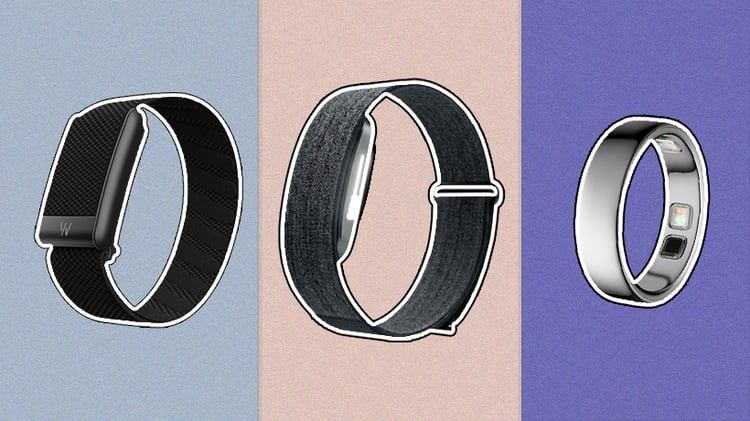
The most obvious difference between these three wearables is their form. WHOOP 5.0 and Hume Band 2.0 come in the form of a band, made out of soft fabric straps. Oura Ring 5, on the other hand, is a ring, which reminds more of jewelry rather than a tracker.
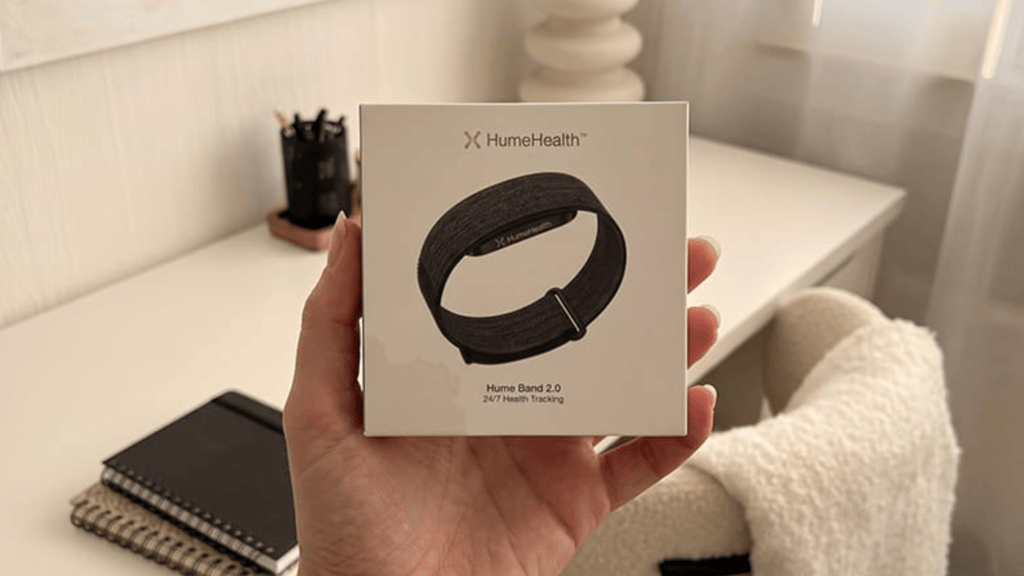
Another difference is their pricing models. Oura Ring 5 requires an initial payment and a recurring subscription to use the companion app. WHOOP 5.0 is completely free for the band itself, but you will need to pay for a membership to access the data via the app. Hume Band 2.0 requires an upfront payment for the device, but the app with most metrics is completely free. It does have a premium app version, which unlocks more detailed data analysis, but it’s completely optional.
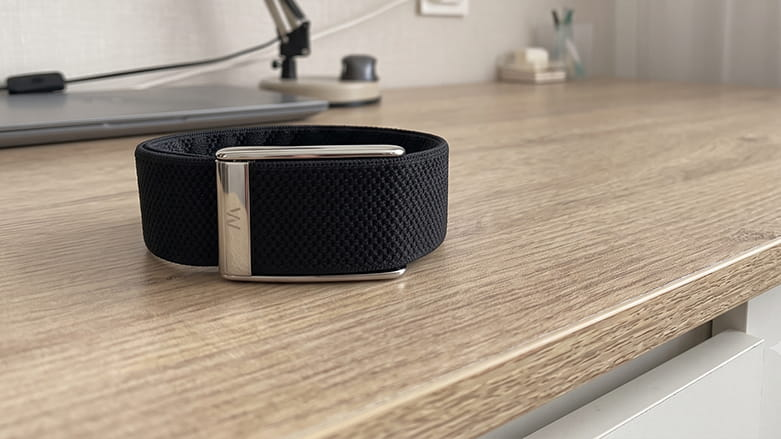
Lastly, and probably most importantly, we also believe that these devices have quite different approaches. While they all track similar metrics, including heart rate, sleep, and activity, WHOOP 5.0 is known for its focus on fitness, Oura Ring 5 prioritizes holistic wellness, and Hume Band 2 focuses on overall health and longevity.
Design, comfort, and everyday wear
To ensure that you’ll wear your device 24/7 or at least most of the time, we paid close attention to its build and comfort. During our tests, we wore these devices at home, to bed, and when working out.
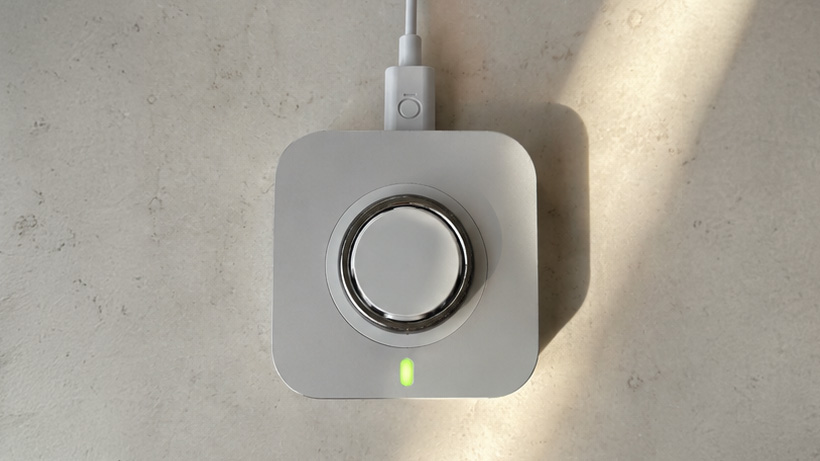
Oura Ring 5 is made out of aerospace-grade titanium and is now around 40% thinner than its previous model. As a result, it not only feels like real jewelry but also looks like it. This is perfect if you don’t like wearing smartwatches and want to keep a minimalistic, classy look. Since it’s a very sleek and thin wearable, we found it comfortable enough to wear while sleeping. However, while it’s also quite comfortable during gym sessions, wearing a ring as a tracker is not ideal for lifting weights. During our tests, we noticed some finger pinching when weightlifting. Besides, constant scuffing of metal could scratch the ring.
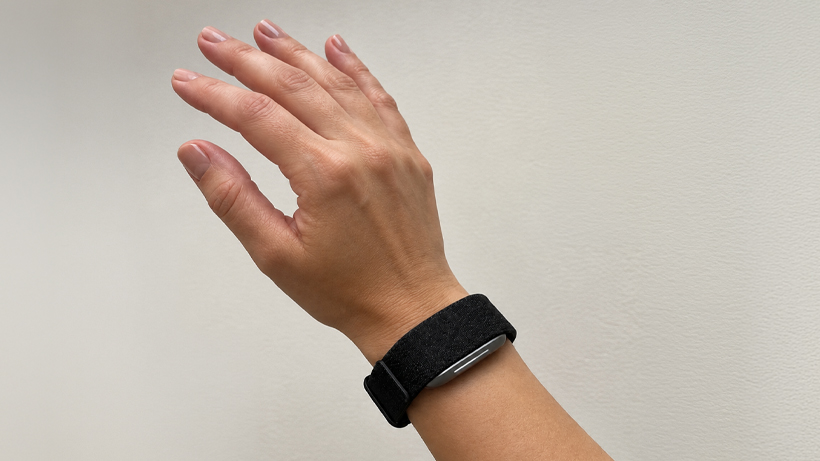
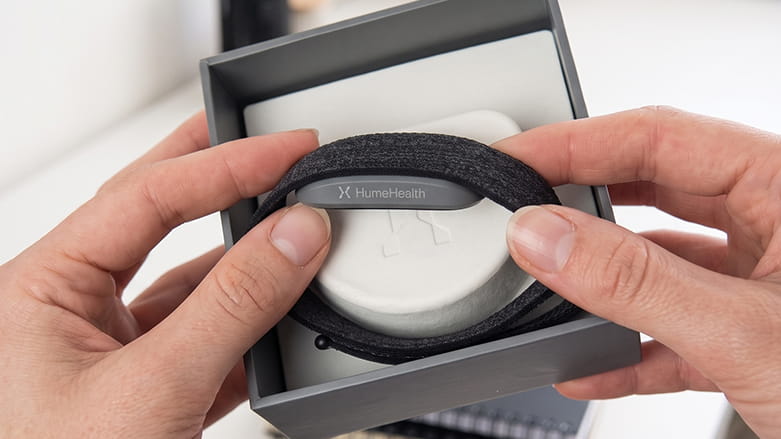
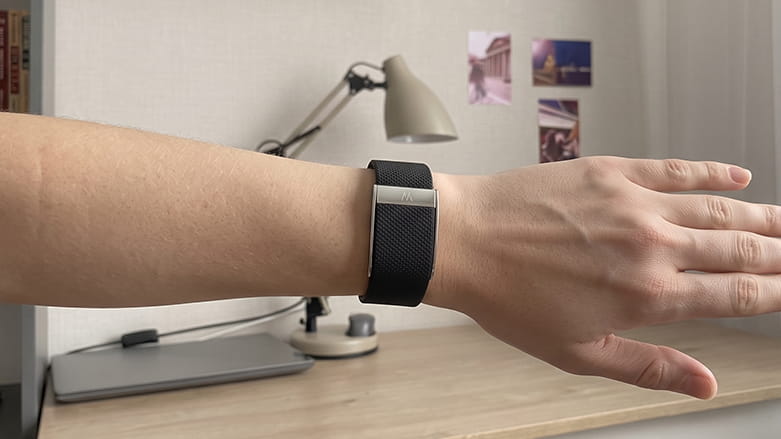
Hume Band 2.0 is a wristband that has a minimalistic, screenless look. While some might want a display to glance at, we believe that this makes Hume Band 2.0 very unnoticeable. It’s made of an UltraLux fabric band, which is very soft and breathable, even when worn overnight. It’s also water-resistant, so you can leave it on when showering or simply don’t worry if you sweat more.
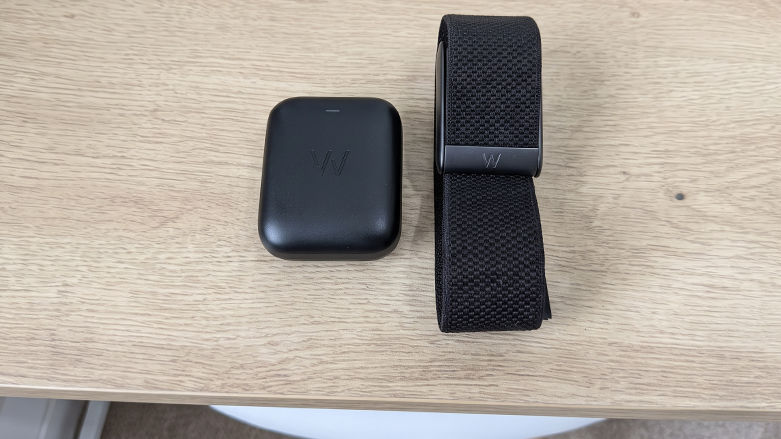
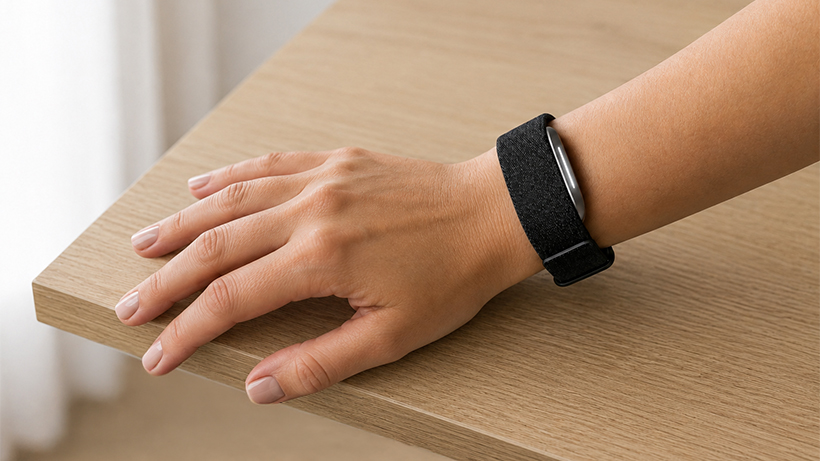
WHOOP 5.0 is quite similar to Hume Band 2.0. The strap itself is made out of fabric using the Any-Wear technology, which allows you to move the sensor onto your bicep or specialized athletic apparel. This is extremely useful for working out, as it won’t limit your wrist mobility. If you plan on wearing it at night, you shouldn’t really notice it since it’s quite secure on the wrist. Unless you’re more of a restless sleeper, which might lead to a bit more band movement during the night.
Health tracking and recovery features
When we tested these trackers, we found that they all gather similar health data, but they present it in a different way. Nonetheless, it’s important to remember that no matter what health data such trackers provide, it can only help you notice any patterns, not diagnose illnesses.
WHOOP 5.0 provides a daily Recovery Score, which is calculated by considering your sleep, resting heart rate, blood oxygen levels, skin temperature, and HRV data. By taking advantage of its AI coaching feature, which analyzes your metrics, you also get a daily Strain Target. This can potentially help you to better understand when you should rest and when your body is ready for a more intense workout. Overall, while WHOOP 5.0 tracks health metrics, we found that it turns this data into more fitness-oriented recommendations.
Oura Ring 5 is quite the opposite, as it’s much more recovery-focused. Its Readiness Score is based on your sleep quality and overall rest, including metrics about HRV, resting heart rate, Sp02, and skin temperature. It also puts a lot of emphasis on sleep tracking by providing you with a daily Sleep Score to help you understand how well rested you actually are. Besides, it tracks different stages, which shows how much you spent in each phase, and blood oxygen saturation levels, showing how efficiently your body absorbs oxygen. With Oura Ring 5, you can also monitor your daytime stress graph, which evaluates your long-term cumulative stress and calculates how resilient your body is.
Looking at Hume Band 2.0, we believe that its main purpose is to help you track your overall wellbeing rather than focusing on fitness or recovery. It constantly monitors your SpO₂, HRV, heart rate, respiratory rate, skin temperature, and blood pressure trends. If you’re interested in potentially improving your resting time, Hume Band 2.0 gives you a daily Sleep Score and information about your sleep stages. Besides, it calculates your Metabolic Capacity, showing how likely your body is to handle physical and mental stress, and Metabolic Momentum, which evaluates whether your habits are beneficial to your overall wellbeing.
Workout tracking and workout experience
Oura Ring 5 can recognize up to 40 different workouts through its automatic activity detection, no matter if you’re walking around the house or performing more intense workouts. It also gives you an Activity Score from 1 to 100, which is based on your steps, active calories, and training frequency. We believe that by monitoring this Activity Score, you can potentially better understand and navigate your workouts and recovery. We also liked the possibility to add a workout from the previous day in case you were not wearing your ring. However, you should consider that wearing a ring when lifting weights is not as convenient as wearing a band.
When looking at WHOOP 5.0 possibilities, it clearly focuses on fitness tracking the most, since it gathers and monitors quite a few metrics, including muscular load and heart rate zones. Instead of a simple Activity Score, WHOOP gives you a daily Strain Score (from 0 to 21), which is calculated by considering both cardiovascular load and physical demand. With WHOOP’s Strength Trainer, you’ll even be able to see the impact of your training on your body. To provide such data, WHOOP tracks your workout’s weights, reps, and sets. Besides, don’t forget that you can wear it on your bicep or specialized fitness apparel for even more comfort during workouts.
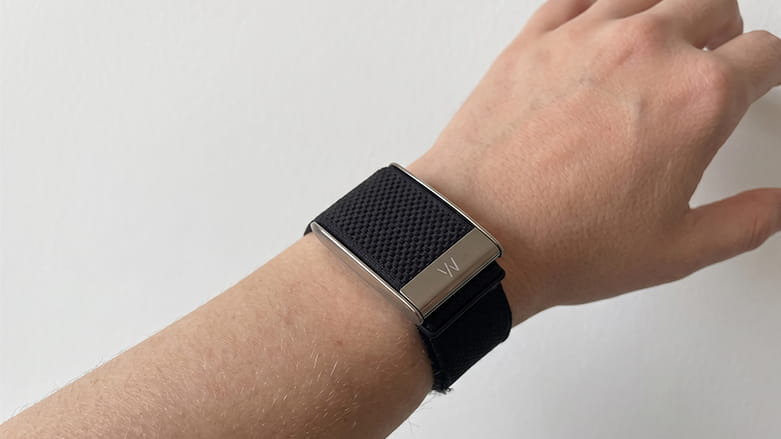
Hume Band 2.0 also provides a lot of data that will come in handy in your fitness journey. This includes daily steps, active minutes, and active calories. It also clearly distinguishes how much time you spent at different heart rate zones, which might help you balance your workouts more. With Hume Band 2.0, you also get a Strain Score that evaluates both physical and mental stress on your body.
Which is best for active users?
While all three trackers monitor some similar metrics, WHOOP 5.0 wins over Hume Band 2.0 and Oura Ring 5 due to its comfort and features. Not only is the band soft and flexible, but you can also move it to your bicep. Most importantly, features like Strength Trainer will provide the most information about how your workout impacts your body, which we believe is essential for more active users.
Apps, coaching, and user experience
When looking through the Oura app, we first noticed how modern and intuitive it is. On the main dashboard, your metrics are clearly grouped into sections of Readiness, Sleep, and Activity. We also liked that some data, including your sleep, cycle insights, and daytime stress, are presented in charts and graphs, letting you clearly see any patterns or changes. If you ever need more information, you can chat with the AI-driven Oura Advisor, which we found provides very conversational yet informative answers. However, it’s important to remember that some features, including the Oura Advisor, are only available with a paid membership.
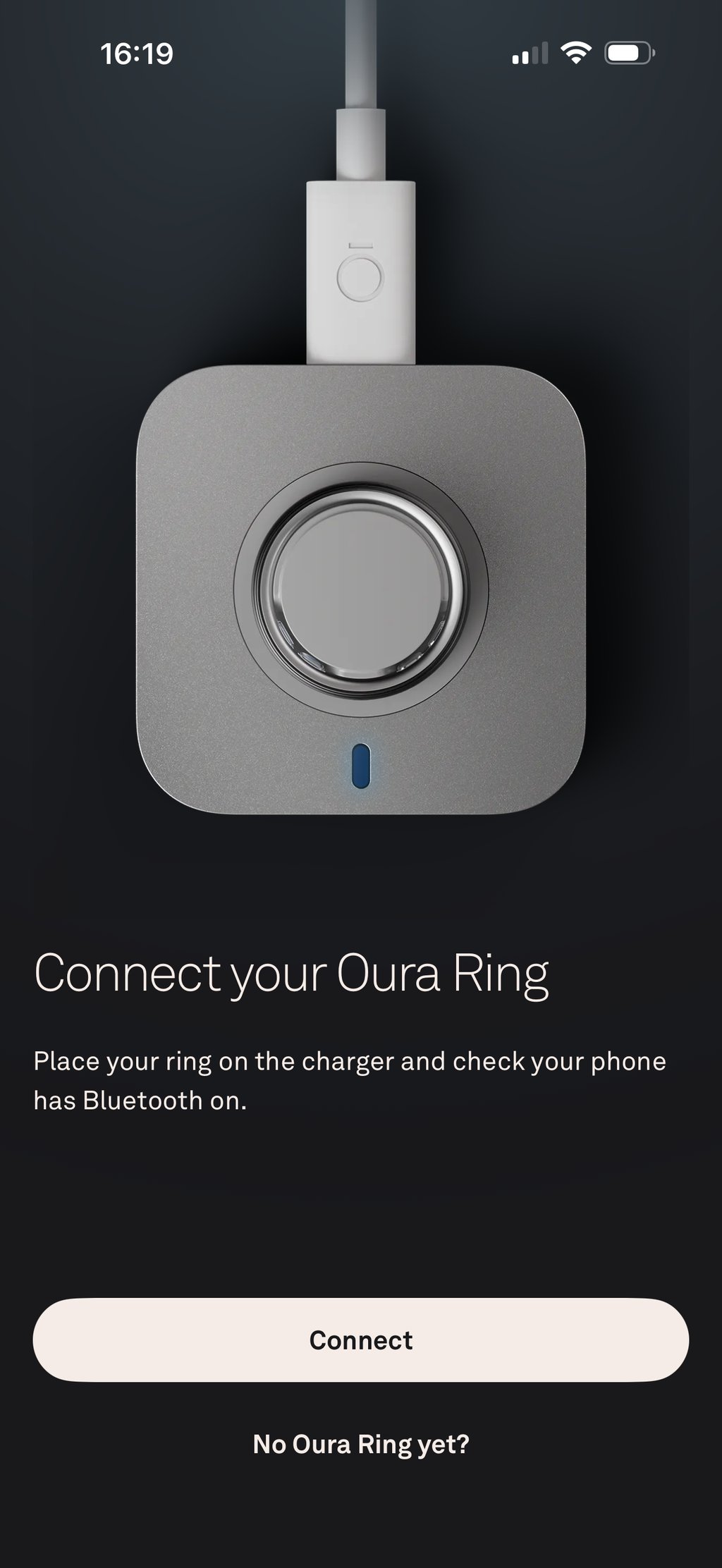
If you’re into analyzing data, you should like the WHOOP app. Right at its main dashboard, you can find detailed information about your body, which is divided into Strain, Sleep, and Recovery sections. There’s even a WHOOP Journal, where you can track over 300 symptoms or habits, this way adding even more data to the overall experience. There’s also an AI Coach available, which will not only analyze your metrics but also answer your health-related questions. However, keep in mind that if you never used such a device before and are not really used to tracking health data, the app might be a bit overwhelming.
In the Hume Health app, there are clear sections where your metrics are shown. This includes Sleep, which shows your stages, awake percentage, and your Sleep Score; Activity, breaking down your active minutes and Strain Recovery; and Cardiovascular, showing your SpO₂, resting heart rate, and HRV. The best part is that you don’t need to check each metric individually since the app turns them into a daily Metabolic Capacity score and provides weekly reports. On top of that, if you decide to get the paid premium membership, you also get Hume’s AI Health Assistant, which will help you to interpret your data and give you guidance.
Battery life and charging
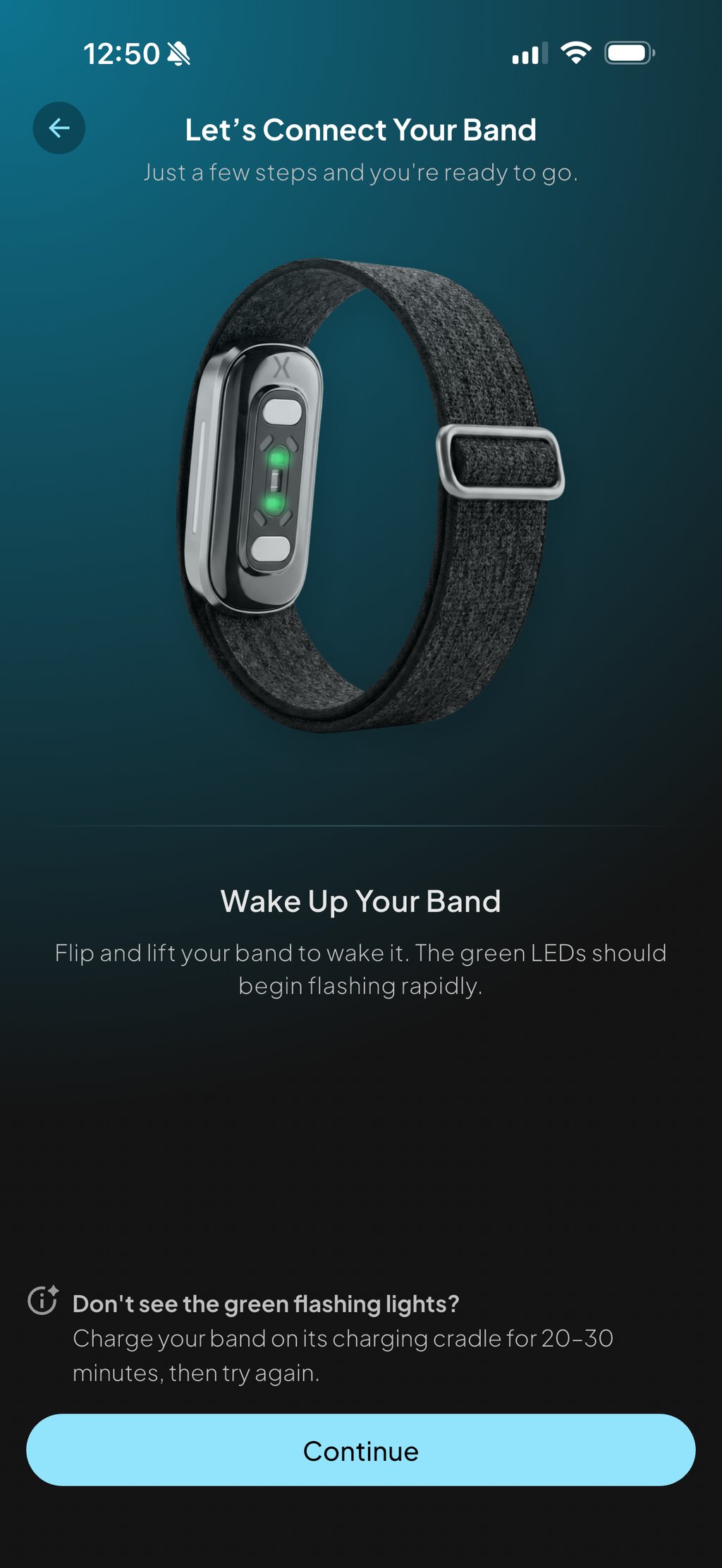
When it comes to battery life, WHOOP 5.0 claims it can last 14+ days, but in real life, we found it’s more like 5 or 6 days. Hume Band 2.0, on the other hand, has a battery life of 14 days, while Oura Ring 5 offers around 6-9 days.
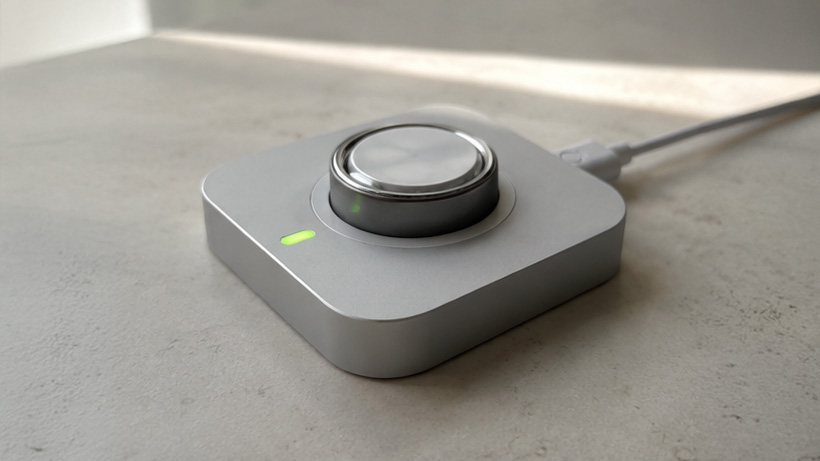
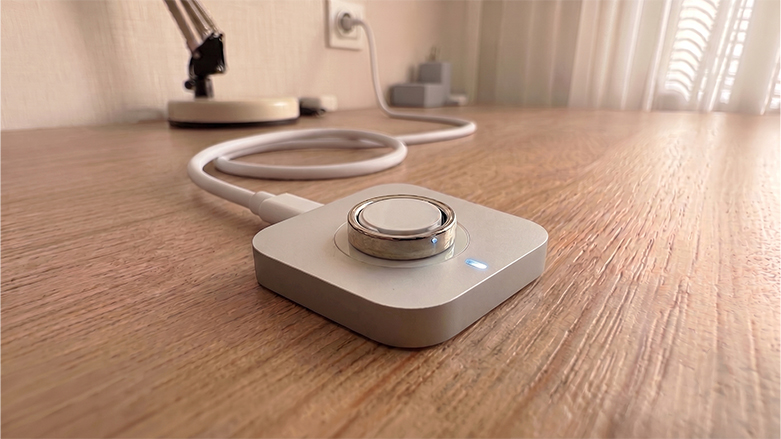
When you do need to charge your device, these wearables offer quite different full charge times. When we tested Hume Band 2.0, a full charge took us only around 30 minutes, which is very impressive considering its long battery life. Oura Ring 5 took around 80 minutes, which is more than we expected, especially since it lasts only around a week. And with WHOOP 5.0, you should be prepared to wait a bit longer until it's fully charged, around 2 hours.
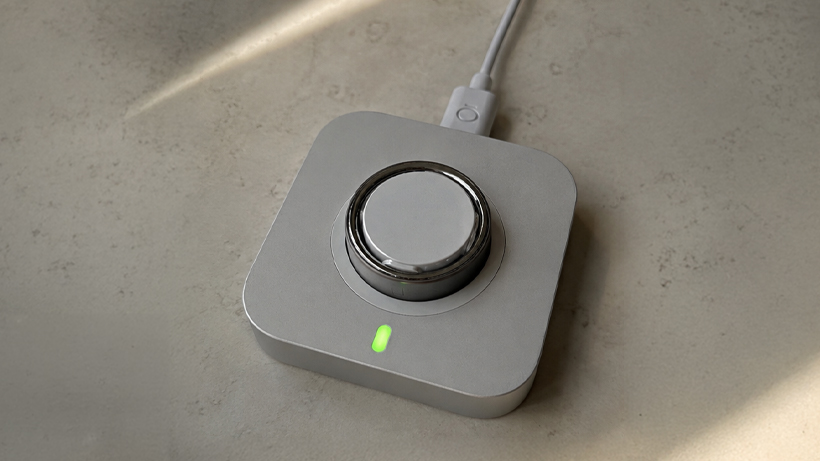
However, while WHOOP 5.0 takes longer to fully charge, it is very convenient. It comes with a slide-on battery, meaning that you can wear it while charging. With Hume Band 2.0 and Oura Ring 5, you will need to take them off.
Price, subscriptions, and long-term value
While most of us definitely check the initial price, it’s important to consider whether the device is subscription-free or not. For example, Hume Band 2.0 currently costs $199.25, and there are no mandatory subscriptions needed. This means that once you purchase your device, you will be able to use it without any additional charges. Unless you want AI-driven guidance, which is only available with a paid premium subscription that costs $8.99/month.
WHOOP 5.0, on the other hand, markets its device as completely free, but you will need a mandatory subscription that costs $199/year. While this might seem cheaper than paying $199.25 for Hume Band 2.0, you will need to renew your WHOOP membership annually, leading to a much higher total cost over time.
Looking at Oura Ring 5, it has the highest initial price, starting at $399 (if you choose it in silver or black). Not only is it the most expensive of the three, but it also requires a paid subscription to access all data, which costs an additional $69.99/year.
Which offers the best value?
Since you’re probably looking for a long-term investment, Hume Band 2.0 offers the best value for money. It doesn’t require a paid membership, so once you pay the initial price, you won’t really have any additional charges. Even though WHOOP 5.0 is theoretically free, it does require a paid membership, which you’ll have to pay every year.
More Wareable reviews
Whoop 5.0 review: A bold leap into longevity with familiar drawbacks
Hume Band 2.0 Review: Is the upgrade worth it?
Oura Ring 5 review: The new gold standard
Oura Ring 5 vs. Oura Ring 4: Key differences compared
Verdict: Hume Band, WHOOP, or Oura?
After testing all three top trackers for several weeks, we found that all three are solid wearables, but they are best for different purposes. Each device will help you to monitor some key metrics, such as your heart rate, sleep quality, and activity levels. However, the ultimate decision depends on your needs:
Choose WHOOP 5.0 if you’re a professional athlete or someone who wants detailed fitness tracking. Not only does it track your workouts, but it also might help you understand how your body is performing during your sessions.
Choose Hume Band 2.0 if you’re looking for a health tracker that might help you understand your body, health, and overall well-being. No matter if it’s your first time using such devices or you’re into analyzing data, Hume Band 2.0 works wonderfully in both cases, and it doesn’t require any additional subscriptions.
Choose Oura Ring 5 if you're looking for a device with a holistic approach that mostly focuses on sleep and recovery. The device also looks like jewelry, which might be a huge advantage for some.
FAQ
If your ultimate goal is to track your overall wellbeing and health, Hume Band 2.0 is the best choice. It’s a subscription-free device that tracks all key data and turns it into clear information, which could potentially help you notice any patterns. WHOOP 5.0 is more of a fitness-focused tracker, while Oura Ring 5 takes on a holistic approach.
No, Hume Band doesn’t require a subscription. Once you purchase your device, you can unlock all key metrics via the companion app without any additional charges. However, it does offer a premium subscription, which includes AI coaching for an additional $8.99/month.
Is Oura better than a wristband mostly depends on your needs and habits. If you’re looking for something minimalistic, jewelry-like that mostly focuses on your sleep and rest, then Oura might fit you better than wearing a wristband. However, for fitness tracking, wristbands are usually the more popular choice.
References
-
Sensors
-
The Cureus Journal of Medical Science