

- Unique modular design
- Intuitive companion app with a solid AI coach
- Outstanding battery life
- Subscription-free health tracking
- Health Points system not supported in many countries
- Limited third-party integrations
- High price tag puts it in direct competition with established flagships
- Erratic data in the baseline period
Before industry leader Oura broke free from the pack with its Ceramic collection and new-generation Ring 5, the designs of the top smart rings had spent a couple of years converging on a familiar template of sleek titanium finishes.
It was a development that made it incredibly hard for startups to break into the market, and the result appears to be a wave of new brands delivering genuinely novel offerings. That's exactly what wellness startup Cudis is bringing with its 002 Sporty Ring.
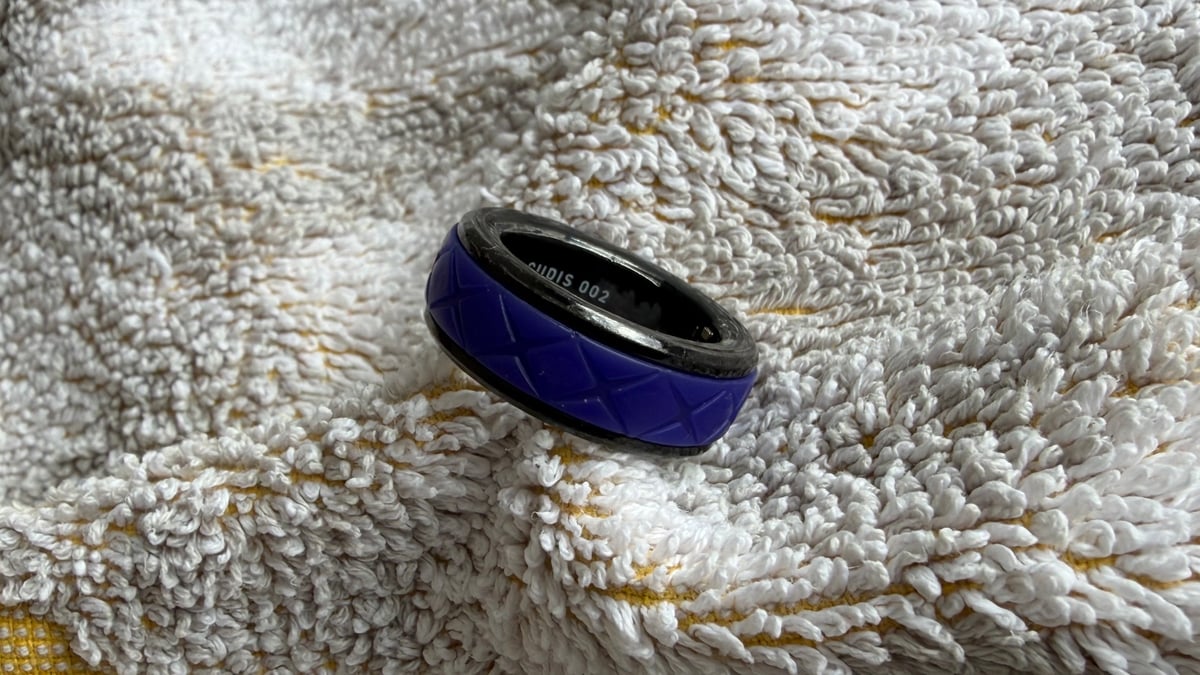
Though a mouthful to say, it's a smart ring that deliberately rejects the status quo to deliver something athletic-looking, modular, and gamified. Rather than offering another polished titanium ring, Cudis pairs a titanium build with interchangeable, colorful silicone shells, creating a distinctly fitness-focused aesthetic.
On paper, it matches top rivals with subscription-free sleep, strain, and heart rate tracking, complemented by an AI coach, biological 'Cudis Age' metrics, and a gamified rewards system. But can a startup's alternative vision truly challenge the established smart ring elite? We put it on our finger to find out.
Price, competition and availability
The 002 Sporty Ring is a subscription-free device, primarily competing with rivals that also don't require extra monthly fees to maximize their hardware’s potential.
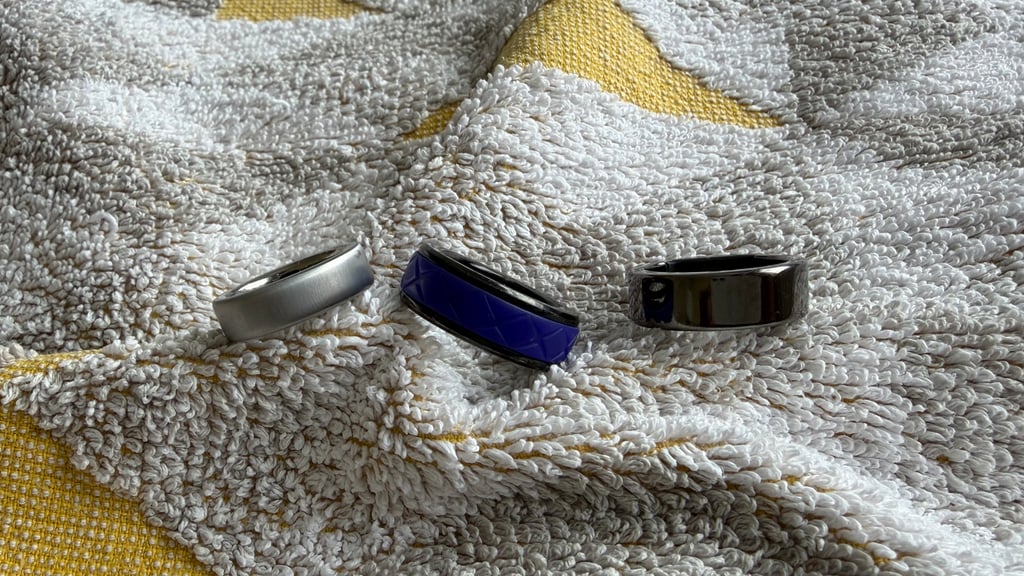
Priced at $399, it falls within the premium category—which is quite bold for a startup. It's right in the mix with what we grade as the best alternatives to Oura, like the Ultrahuman Ring Pro ($419), RingConn Gen 3 ($349), and Samsung Galaxy Ring ($399).
The class-leading Oura Ring 5 also starts at $399, but adds a $5.99 monthly fee or a $69.99 annual subscription on top. As we've routinely pointed out in our analysis of wearable subscriptions, Oura is a rare example of a subscription model actually working extremely well for users.
There are also significantly cheaper rings out there, obviously—such as the solid newcomer Leep Ring ($199) or the ultra-budget Amazfit Helio Ring ($149). But if your budget can meet Cudis' demands, then you're more likely to be considering that more premium trio.
Design, fit and comfort
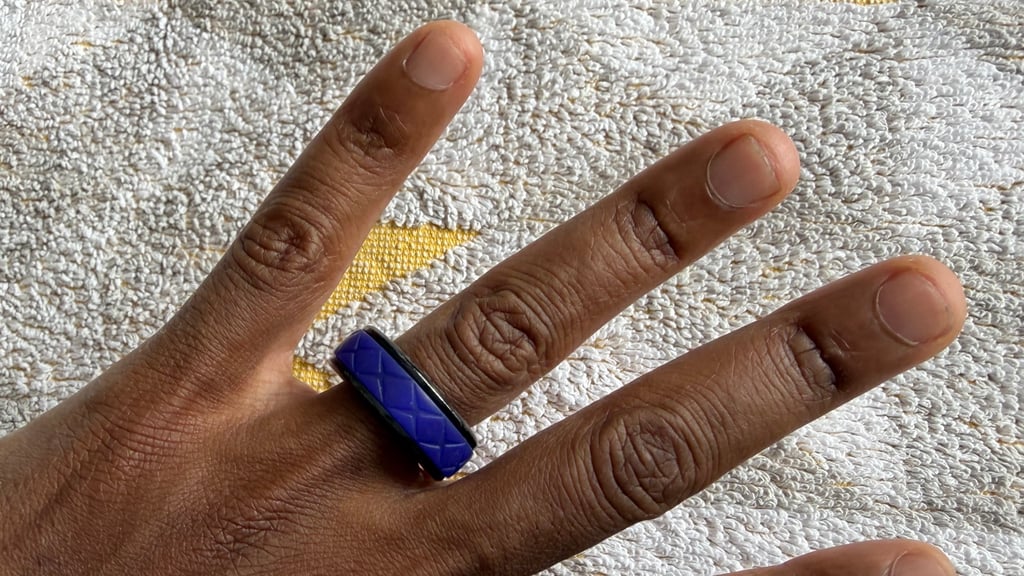
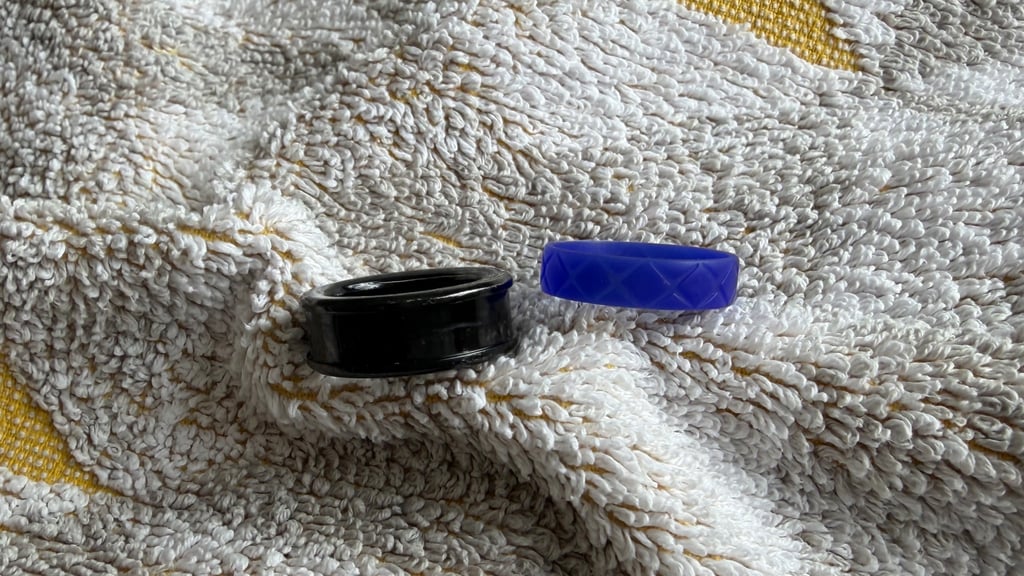
The Cudis 002 Sporty Ring is built around a lightweight titanium hull, weighing roughly 3g with 50 meters of water resistance. While those are standard specs for most smart rings, Cudis distinguishes itself by allowing you to clip different-colored silicone shells over the metal core for a pop of color.
In our testing, we found that swapping the silicone sleeves is pleasantly straightforward, snapping firmly around the central titanium core in seconds. The silicone outer layer creates a distinctly athletic aesthetic compared to traditional metallic bands, but, in our testing, we found a few practical trade-offs. On the positive side, the rubberized texture offers significantly better grip than slick titanium when grabbing dumbbells or bars. However, we also found that fine lint and micro-debris tend to collect around the inner rim where the silicone sleeve meets the metal housing, requiring periodic wiping.
Sizes range from 6 to 14. And because Cudis doesn't currently ship a physical sizing kit prior to purchase, buyers must rely on the brand's printable guide. In our testing, we opted for our usual Oura Ring and RingConn size, achieving a comfortably snug fit that stayed securely in place.
While the ring feels featherlight during general wear, we found that the added bulk of the silicone shell makes the overall profile slightly wider between adjacent fingers than that of ultra-thin competitors like the Oura Ring 5. Water resistance proved flawless during testing, though, withstanding multiple pool swims and hot showers without issue.
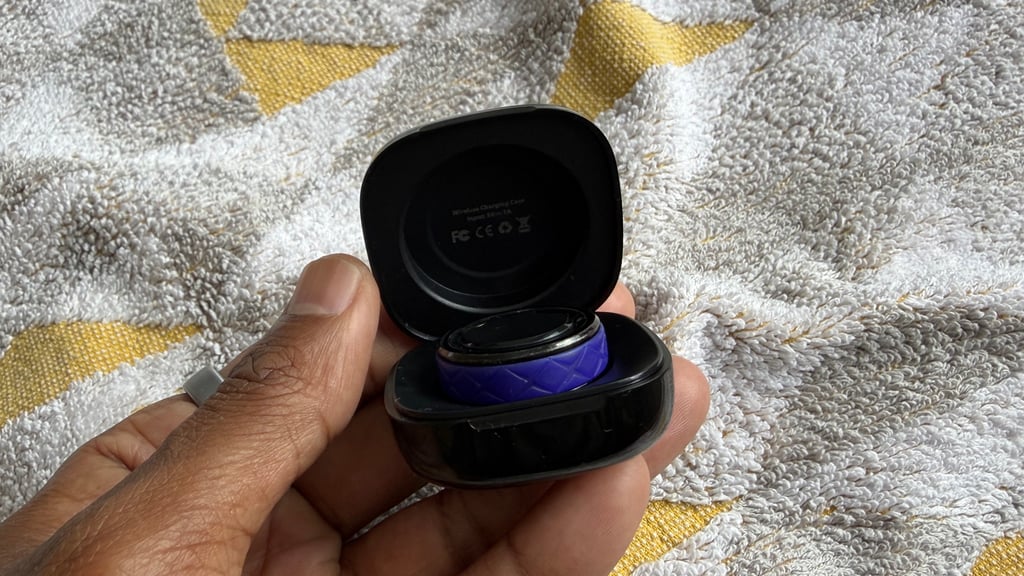
When off your finger, the ring rests inside a compact charging dock. However, we found it frustrating that the dock lacks an internal reserve battery for travel, meaning you must connect a live USB-C cable directly to power it back up.
The Cudis app experience
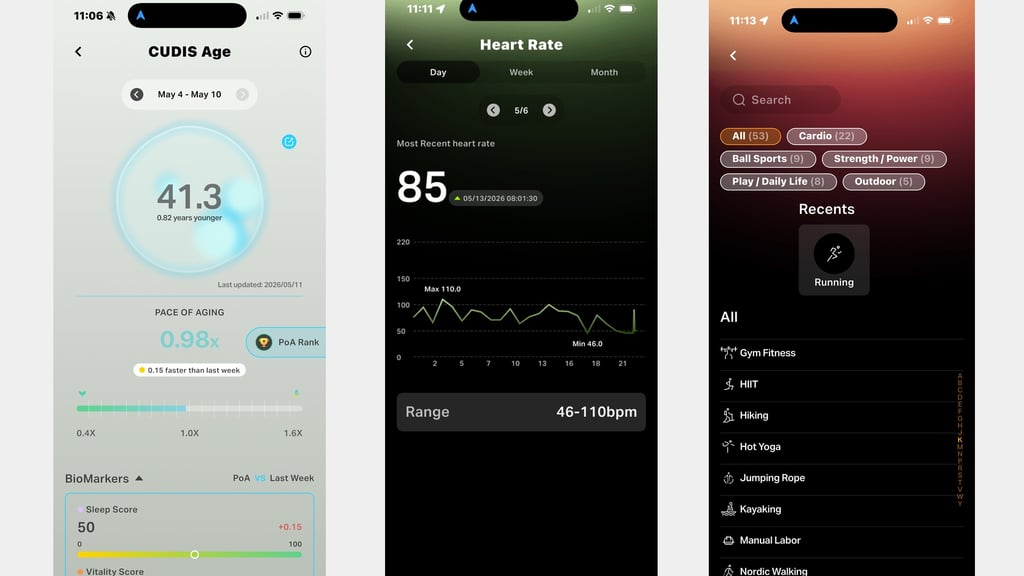
A smart ring is only as good as its companion app, which must organize and present your data in a way that makes you pay attention.
The Cudis app is a space you don’t mind spending time in. While it’s not completely free from occasional software bloat, it features an overall user-friendly interface where you can quickly scan your latest sleep stats or check whether your pace of aging is speeding up or slowing down.
Like most apps, the main dashboard displays your latest biometrics. Beyond that, there is a page dedicated to your accumulated Health Points.
These are earned by completing daily tasks as simple as checking in or logging how you feel—and the points unlock real-world rewards such as free supplements, energy drinks, or gym classes. However, the main drawback is that these rewards are geographically restricted and don't currently cover Europe or the US.
You can also join the Cudis community for an extra social boost by seeing how you measure up against other users. The platform supports syncing with Apple Health and Google Health to combine your data with other sources, though third-party app support stops there for now, which is a bit of a blot compared to the likes of Ultrahuman and Oura.
There's also an integrated AI Coach that adopts a very approachable, conversational tone. When we felt exhausted—and our data reflected that fatigue—the coach helpfully suggested light recovery activity and aiming for an earlier bedtime.
It could also clearly explain the impact on our metrics from bad recovery or short sleep. And while it rarely delivers anything groundbreaking, it's a great example of an AI-powered coach you actually want to engage with.
Sleep tracking and fitness insights
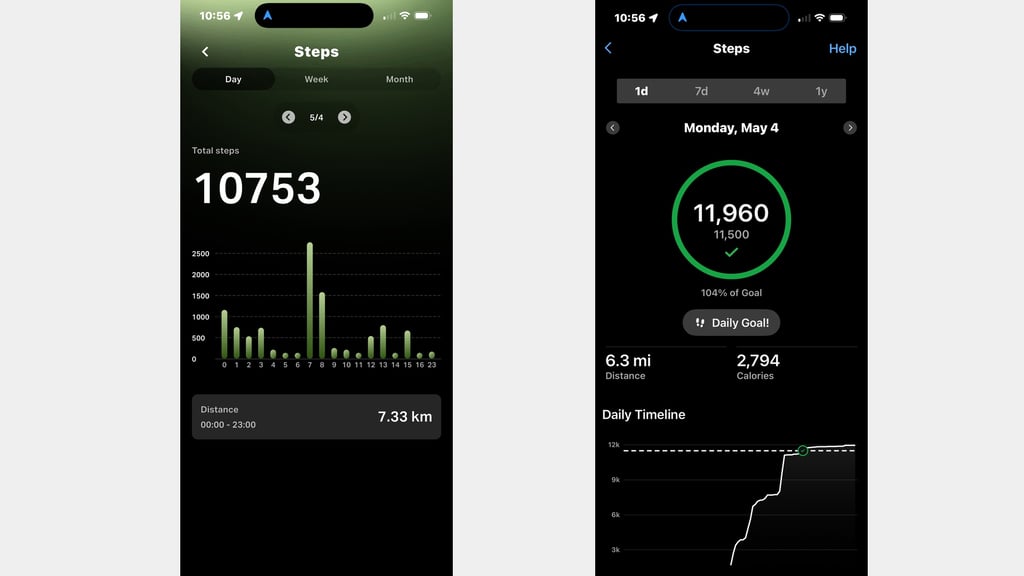
Largely, the Cudis 002 Sporty Ring delivers the same core metrics as its rivals, which is no surprise considering it includes the same sensor array: an optical sensor to track heart rate and blood oxygen saturation (SpO2), and motion sensors to monitor movement and detect sleep.
For daily step counts, the results were mixed: totals were occasionally in line with figures from other trackers, but, on other days, were wildly inaccurate.
It was a similar story initially when keeping tabs on stress and resting heart rate, with the devices routinely reporting higher baselines than our control device, the Oura Ring 5. However, readings settled into much more reliable territory once we cleared the initial two-week baseline period.
Establishing a baseline is also at the heart of the Cudis Age metric, which calculates how quickly or slowly your body is aging based on a blend of logged activity, sleep data, and daily stress. Similar to that available on Whoop, Oura, and Ultrahuman, this allows you to draw actionable correlations between daily habits and your biological age trend—and Cudis' interpretation was within the same loose ballpark as those examples.
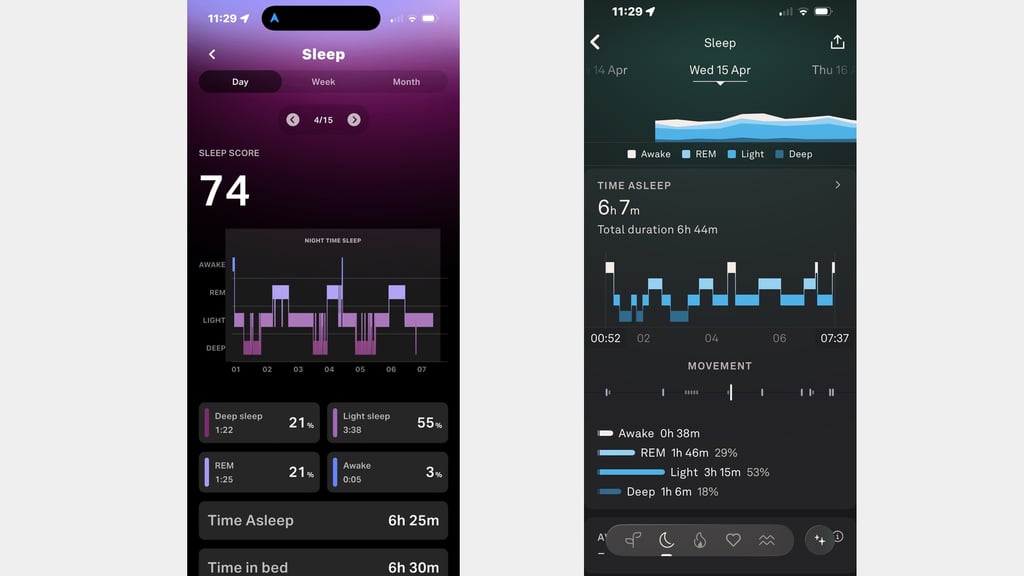
As a sleep tracker, the ring delivered solid performance—even capturing daytime naps. It accurately tracks overall sleep duration, sleep stages, and sleep onset times. Overall, sleep data closely matched our baseline Oura Ring 5, generating comparable sleep duration, REM, and deep sleep metrics. Beyond core sleep stats, this nighttime data primarily powers features such as that Cudis Age metric.
The ring also offers manual workout tracking, with a primary focus on heart rate monitoring during exercise. You can even leverage your phone’s GPS signal to track outdoor workouts. And while there's a wide range of exercise types to pick from, we found that more stationary workouts (like indoor cycling) yielded the most accurate heart rate results.
You’ll also find features to track women’s health, set up plans to boost your fitness or sleep deeper, and monitor biological aging.
Battery life
There are some smart rings that can run for weeks, and some that max out at around a week. Encouragingly, the Sporty Ring lands on the longer end of that spectrum.
Cudis promises up to 10 days of battery life, which outpaces the Oura Ring 5—even if it falls short of the extreme 12-to-15 days claimed by the Ultrahuman Ring Pro.
In real-world testing, the ring easily lives up to that claim. In fact, we comfortably pushed it past two full weeks of continuous tracking on a single charge.
Charging is handled via a compact, pocketable plastic dock that tops the ring up quickly, taking just shy of an hour to reach 100%.