We highlight the top workout tracker in 2026—and other top options to consider
If gym workouts, exercise classes, and functional movements are the cornerstone of your fitness routine, you’ve been woefully unsupported in the world of wearables in recent years.
Many startups have valiantly attempted to become the go-to option for strength training in that time, but almost all have failed.
So, while there's no shortage of impressive running watches, smart swimming goggles, and dedicated golf trackers, top wearables for tracking gym sessions, CrossFit workouts, and Hyrox events are sorely lacking.
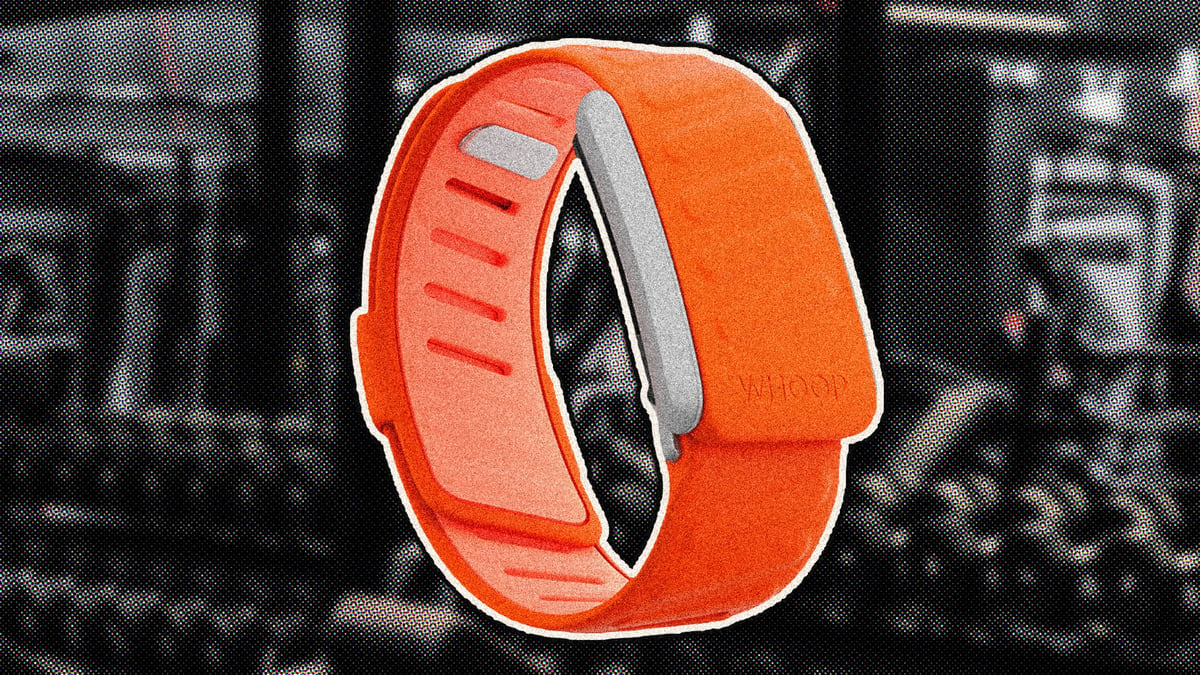
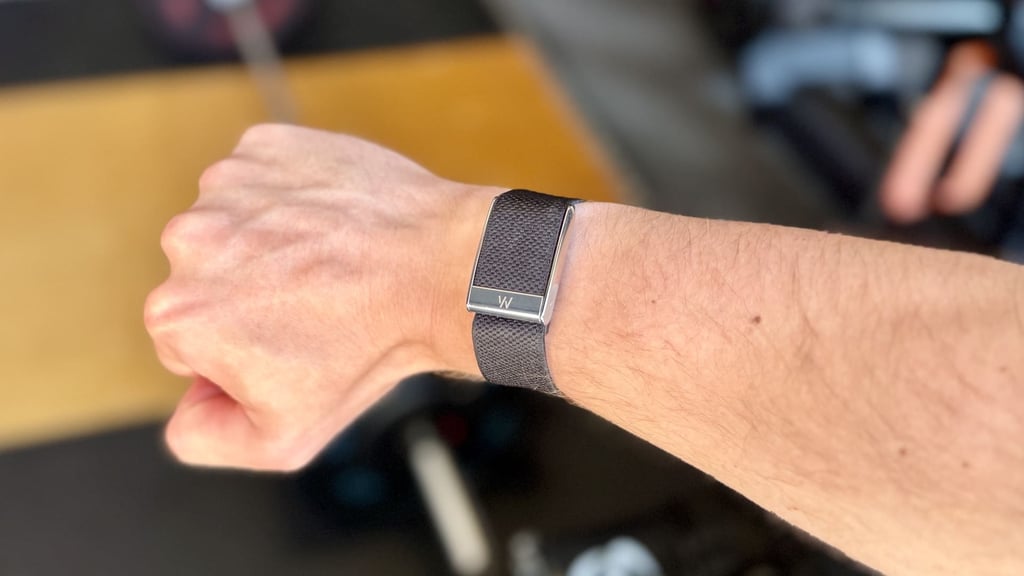
That said, a gym tracker that stands above the rest is WHOOP 5.0.
Over the last decade, this is the best tracker I've tested for any workout that involves lifting weights or tracking functional exercises. It can also double as a tool for providing accurate insights into almost anything else you want to track in a gym environment (or outside it).
Below, I’ll explain precisely why it’s the best pick—and give you a few other options to consider if part of the WHOOP package (like the costly monthly subscription) isn’t right for you.
At a glance. Best wearables for weightlifting and gym workouts:
- WHOOP 5.0: Best gym wearable overall
- Apple Watch Series 11: Best smartwatch for casual gym users
- Hume Band: Best passive biometric tracking wearable
- Garmin Forerunner 165: Best cardio training watch
- Polar Verity Sense: Best heart rate monitor alternative
Why WHOOP is (still) the best pick for gym workouts
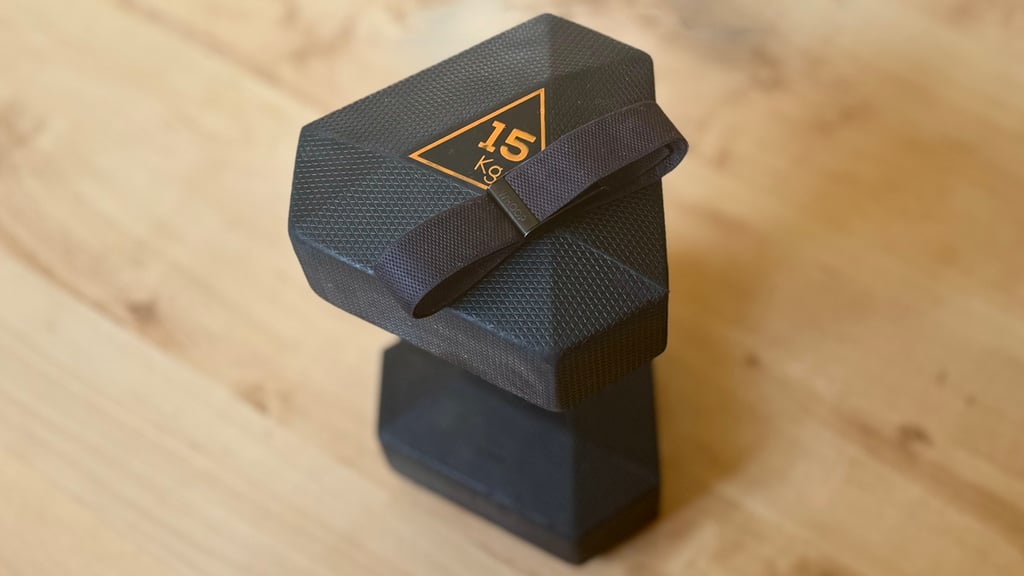
While smartwatches and sports watches will track reps (with varying degrees of accuracy), none view strength training through the same lens as WHOOP’s platform does.
The company has unique exercise profiles to tag your workouts—including F45 training, Barry’s classes, Stairmaster, and powerlifting—but these (like most wearables) aren’t tailored.
There's no form tracking or repetition counting; it's just a simple measure of exertion gleaned from assessing your cardiovascular load.
If that’s the case, why is WHOOP the best gym wearable? Well, because of its dedicated Strength Trainer feature.
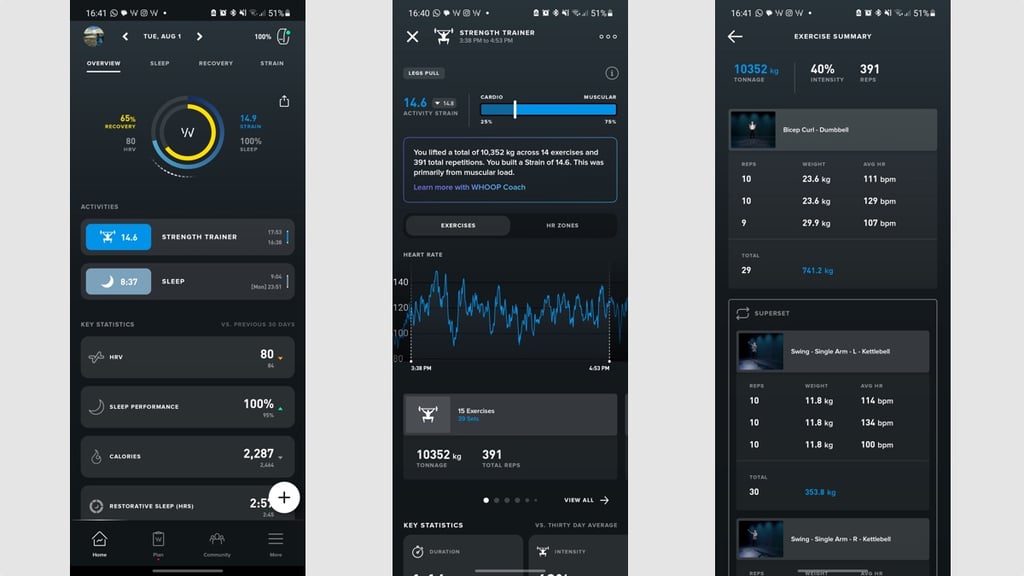
Rather than a catch-all workout profile or go-nowhere rep tracking, this platform allows you to build and track custom workouts in real-time.
You can customize the order of your exercises, create supersets, and even add interval sections specifically for running, cycling, or rowing.
A more holistic view of your strength training
It may not sound much, but it means WHOOP is the only device I’ve ever tested that truly grasps the concept of muscular load and places it neatly within the context of your wider training and recovery.
Strength Trainer still adheres to WHOOP’s core tracking principle—the 0–21 daily Strain score—but instead of just looking at heart rate, it will also factor in your workout intensity through the inbuilt accelerometer and gyroscope.
Post-workout, your total tonnage will be displayed alongside insights from WHOOP’s AI Coach, and a breakdown of how much your workout skewed toward either cardiovascular or muscular load.
It results in the most accurate-feeling assessment of strength workouts we’ve ever tested. It ensures a workout split like Push-Pull-Legs is now judged more fairly alongside cardio-first efforts such as running, swimming, and cycling.
It’s not just the element of receiving fair credit that’s important here, either. In the WHOOP platform, your Strain score is everything, so a correct assessment of your workout today ensures that your Strain recommendation and recovery figures will be more accurate tomorrow.
Strength Trainer in 2026: Room to grow, but changes are already in place
I should note that WHOOP and Strength Trainer aren’t infallible, though.
I’ve discussed the downsides of the tracking and wider platform in our full WHOOP review linked above (and in our in-depth guide to WHOOP’s Strength Trainer).
Essentially, the actual ‘tracking’ element here was fairly basic. We’ve also experienced long-standing bugs—now fixed—with features like supersets and exercise re-ordering in the iOS app. And that can be frustrating if you interact with a Strength Trainer most days, as I do.
However, given that it launched only in early 2023, I expected WHOOP to build on this initial platform with features such as progression recommendations, workout plans, and lifting history.
The first two have improved a bit over time, making Strength Trainer feel much more complete. The one area I still think needs work, though, is lifting history, which doesn't yet offer the same depth I'd like to see.
Trends have landed
One of the biggest additions to Strength Trainer since its launch has been the arrival of Strength Trainer Trends. First teased by WHOOP founder Will Ahmed in 2025, the feature finally delivers a much-needed way to look beyond individual workouts.
It addresses a significant gap in the feature that has otherwise treated every strength workout, albeit with a better-tuned Strain Score since it rolled out, in isolation.
Still, even without the Trends feature for Strength Trainer, WHOOP remains the best choice if you want more than just mindless strength workouts and crave a device that properly tracks your training alongside readiness, sleep, and health.
Other gym wearables to consider
WHOOP 5.0/MG may be the best gym wearable, but that doesn’t mean there aren’t other devices to consider.
None of these picks can zero in on the training and recovery elements quite like WHOOP, but, based on our testing, they do have their uses if WHOOP isn’t quite right for your needs or budget.
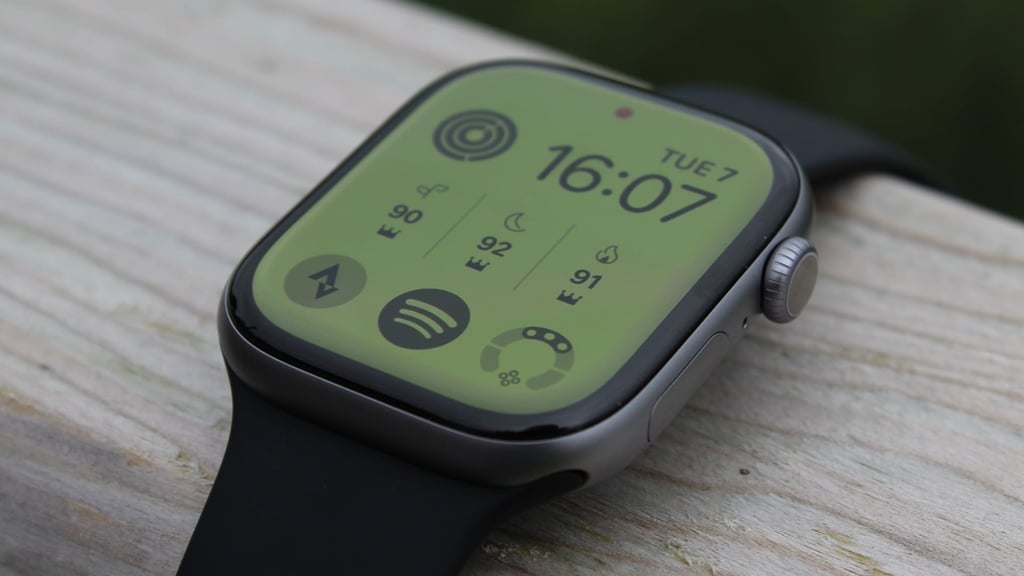
Apple Watch Series 11—a smartwatch for casual gym users
Apple Watch and its workout tracking are recommended for beginners and iPhone owners who want a smartwatch to track heart rate during spinning, HIIT, or gym sessions.
There’s also a wealth of third-party options available in App Store. We even did a fun experiment and replicated the WHOOP experience using Apple Watch apps.
Strong is probably our favorite of these apps. It gives you a WHOOP-like ability to check off exercises in real time. However, an app like Gymaholic also provides 3D avatars and handy instructional steps.
We’ve name-checked the Series 11 here, but remember that any Apple Watch that can update to the latest software (watchOS 26) will track workouts the same way.
- Check out our full Apple Watch Series 11 review
Hume Band—for passive biometrics tracking
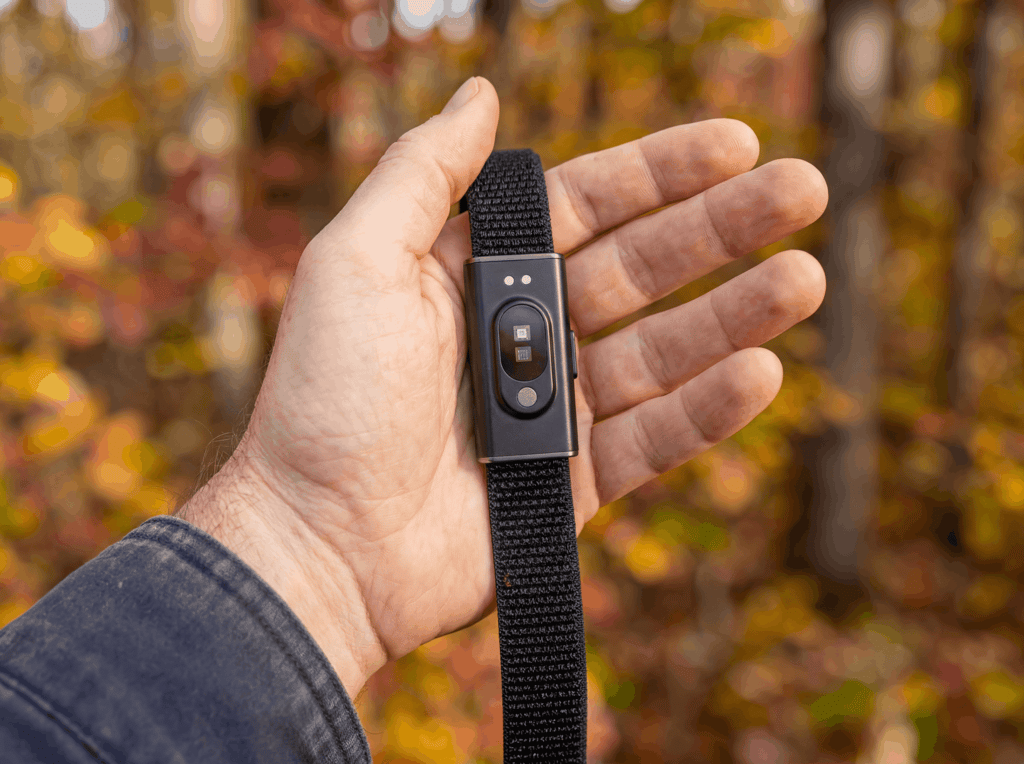
For those who spend more time lifting weights than running on a treadmill, Hume Band might not be the first wearable that comes to mind—WHOOP still tends to be a popular choice.
But that doesn’t mean if you love the gym, Hume Band isn’t worth trying. It’s about finding the right fit for your fitness journey.
Rather than being a dedicated strength-training companion, Hume focuses on the bigger picture. Instead of tracking how many bench press sets you complete, it answers a different question: should you push hard today or recover?
It centers on its Strain feature, which shows trends associated with how much stress and effort your body may have accumulated during the day. The idea is to help balance training with recovery instead of just encouraging you to push harder every session.
That makes Hume Band a solid alternative for lifters who log workouts elsewhere but want more insight into how training affects overall wellness.
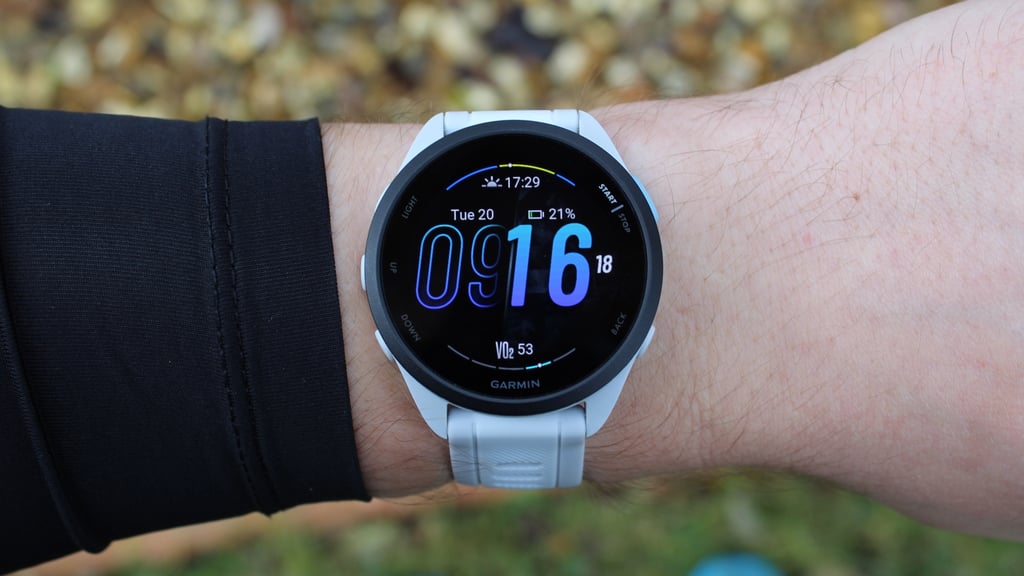
Garmin Forerunner 165—a running watch for the gym
If a lot of your cardio work takes place in the gym—be it on the treadmill, watt bike, or otherwise—Forerunner 165 remains a solid pick.
With ANT+ support, it can tap into the machine’s metrics and enrich your post-workout data. For your strength sessions, the watch’s workout profiles also allow automatic rep tracking and the option to port workouts from the Garmin Connect app.
This watch is also compatible with Android and iPhone, meaning you’re not limited in the same way as you are with an Apple Watch or Wear OS watch.
Just be aware that a new generation has come. But if you’d feel more comfortable going for something similar to Forerunner 165, we have a full breakdown of the best Garmin watches.
- Check out our full Garmin Forerunner 165 review

Polar Verity Sense—a heart rate monitor for the gym
Many people don’t love lifting weights or performing HIIT with a watch on. I can see why, having scuffed up a few displays with gym equipment in my time. But there are alternatives, such as Polar Verity Sense.
This won’t analyze your form or track reps, but it is a great way to track heart rate, and its accuracy is often considered comparable to that of a chest strap.
Instead, Verity Sense is placed on the arm. Its ANT+ and Bluetooth support also ensure it can link up with compatible smart cardio machines.
With it, you also get up to 600 hours of storage for workouts and 20 hours of battery. This means you can strap it on and get to work without your phone nearby.
- What you need to know about Polar Verity Sense
Wearables for the gym: What to consider
Check what and how it tracks
Many wearables promise to track a range of gym-related activities, but few can track metrics specific to those activities. A workout profile may suggest that it will track push-ups, but few will log that movement and capture reps.
Instead, you're often left with just heart rate data.
Sharing data
Collating wearable data inside other training-focused apps like Strava or TrainingPeaks can be helpful. These provide an alternative breakdown of data and show you how it sits alongside your non-gym-based training.
Share data with connected equipment
Having a wearable that can share and transmit data to other connected gym equipment is also helpful. And the key to that is having something that offers ANT+ or Bluetooth smart connectivity.
Some devices will let you connect to single or multiple devices. This allows you to see real-time stats on indoor trainers or another smart gym kit.
Wearing options
Gym wearables may typically be worn on the wrist. However, a few options let you move the key tracking sensors around the body. From our testing, we’ve even found that attaching devices to our bodies with accessories can improve accuracy.
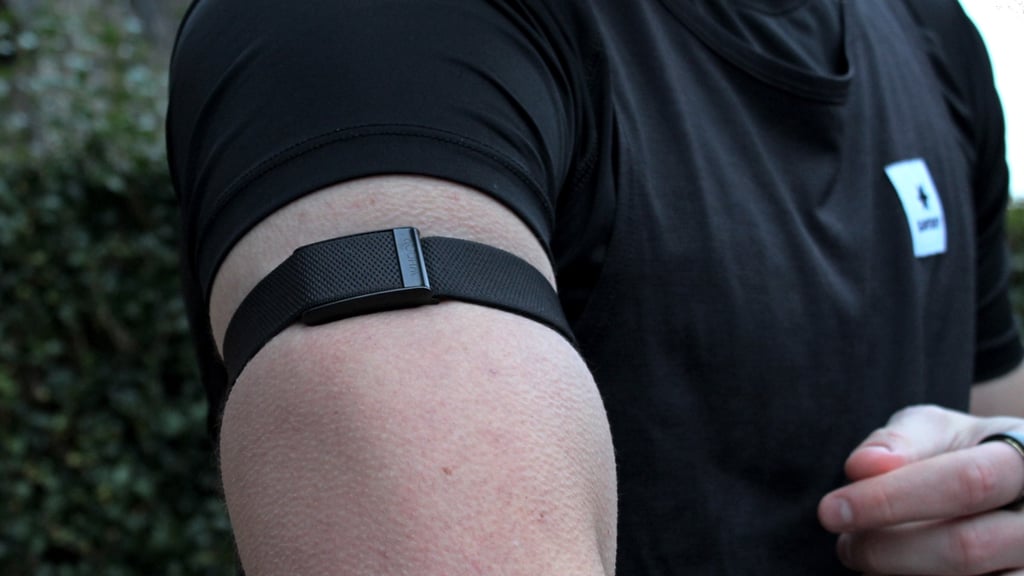
Our top pick, WHOOP, can be worn on the wrist or bicep (like the Hume Band), or fitted inside compatible WHOOP Body garments.
Price and subscriptions
Some devices are available for a one-time purchase fee. Others are free but come with an ongoing monthly or annual subscription.
You should consider the type of commitment you want to make before deciding. As ever, also be sure to shop around to see what your budget will allow.