Joint research with MGH looks at using BIA sensors to track weight-loss side effects
Samsung has partnered with the Massachusetts General Hospital (MGH) Diabetes Research Center to launch a clinical study to explore how smartwatch data can mitigate muscle mass loss in adults receiving GLP-1 receptor agonist therapy.
With nearly one in five adults now using GLP-1 medications for weight management, tracking lean body mass retention has rapidly become a critical clinical focus.
Led by Dr. Melissa Putman, the study will focus explicitly on whether proactive biometrics can foster sustainable habits and prevent the metabolic risks associated with rapid muscle depletion.
It will split participants who are beginning weight-loss medication into two distinct testing groups.
Samsung Health data vs. clinician guidance
One will use the Galaxy Watch 8 to routinely track their skeletal muscle and body fat percentages. They will also receive tailored, data-driven exercise guides directly through the Samsung Health app to promote resistance training.
Meanwhile, the control group will receive the traditional dietary and lifestyle guidance typically given by clinicians during GLP-1 treatment, but without any integrated smartwatch support.
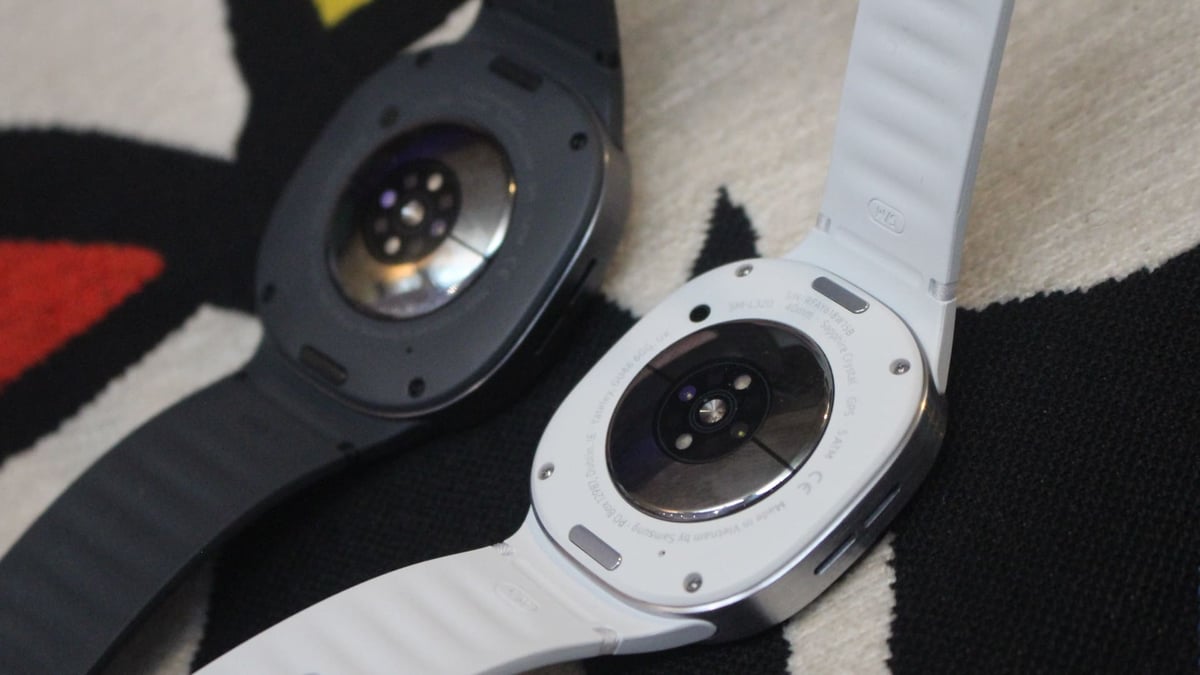
The active group, then, will be relying heavily on the Watch 8’s built-in Bioelectric Impedance Analysis (BIA) sensor. A feature that has been a mainstay on Samsung's smartwatches since the Galaxy Watch 4, this essentially sends a microcurrent through the hand via the watch's buttons. The BIA sensor then estimates body composition based on how different tissues resist the current.
Participants in the active group will use the Galaxy Watch 8’s Bioelectric Impedance Analysis (BIA) sensor to consistently monitor shifts in body fat and muscle percentages directly from the wrist. The watch will also provide tailored exercise guides and monitor daily heart rate metrics to ensure workouts are optimized for physical preservation.
To validate the wearable's real-world efficacy, researchers will cross-reference the watch’s sensor outputs against clinical-grade DXA scans—the medical gold standard for body composition analysis.
The Wareable take: Plenty more where that came from
With the astronomical rise in GLP-1 treatments over the last couple of years, the opportunity has presented itself for wearable brands to help analyze the health and lifestyle effects.
Some, like Samsung here, are already going down the academic route. Others—like Ultrahuman in April—have already launched specific features to help users. That specific applet allows users of the smart ring challenger to monitor heart rate, sleep, and metabolic recovery, as well as tools to log doses and side effects.
With body fat composition analysis notoriously tricky to get right from the wrist, we expect the future of tracking in this area to include a wide ecosystem of health devices. However, Samsung is jumping on board the train early here with a tool and device already in its arsenal.
Perhaps we'll see more from the Korean giant later this year to further boost similar ambitions.