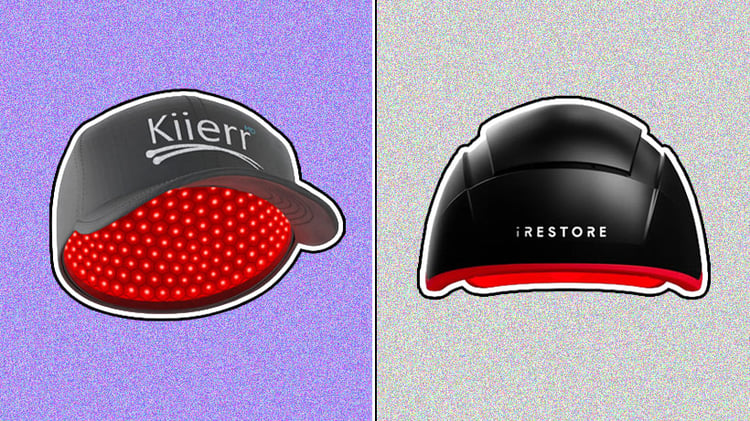
Kiierr and iRESTORE are two of the most popular at-home laser hair growth devices, but that’s where their similarities end as they approach the process very differently in day-to-day use. On one hand, we have Kiierr with lightweight laser caps that easily fit into existing routines. On the other hand, there’s iRESTORE, with a more clinically-inspired approach and rigid laser helmets.
Both devices are designed to target hair thinning and pattern hair loss through low-level light therapy (LLLT). However, even with the most popular devices in the field, any possible results may vary significantly depending on consistency of use, genetics, and the stage of hair loss. Ultimately, neither device is likely to give you instant results, and both require consistent use over months before any changes in hair density or shedding may become visible.
Based on our testing, research, and real-life examples, we found that Kiierr may better suit people who prioritize comfort, portability, and ease of use. Meanwhile, the iRESTORE laser helmet may appeal more to those wanting a more science-forward approach to hair wellness.
| Spec | iRESTORE Elite | Kiierr Laser Hair Growth System |
| Price | $1,899 | $974 |
| FDA cleared | Yes | Yes |
| Total diodes | 500 (300 lasers + 200 LEDs) | 272–312 lasers |
| Technology | Laser + LED | Laser-focused |
| Session length | 12 min daily | ~30 min every other day |
| Coverage | Full scalp | Full scalp |
| Official website | Visit iRestore | Visit Kiierr |
Pricing, warranties, and long-term value
Kiierr and iRESTORE are both premium-tier devices price-wise. However, despite the similar price, we found that the overall experience differs between the devices once you look past the upfront price.
From what we've seen, Kiierr’s laser hair growth caps are usually more expensive at first, especially when bundled with battery packs and accessories. At the same time, we thought that the comfortable, wearable design could justify the price for users who primarily value portability.
Meanwhile, iRESTORE offers a bit more structured package purchases, typically bundled with most essential accessories you may need. Plus, iRESTORE positions itself as an FDA-cleared technology with longer therapy plans, which might give you a bit more confidence about the investment. That said, what made us think of iRESTORE as a trustworthy brand is its extended warranty options and money-back guarantees, which definitely made our purchase feel low-risk.
Which feels more premium?
Once you take out the initial price from the equation and adopt a long-term value perspective, both devices feel built to last for years—which is the intended course—rather than short-term fixes. However, for us, iRESTORE delivers more on that premium clinically-inspired device impression, which might be especially reassuring for first-time users who want more structure and guidance.
Although Kiierr might still have an edge for users who prioritize convenience and want a device that’s very travel-friendly, iRESTORE’s extended warranty and professional branding may make the higher initial price easier to justify.
Winner: iRESTORE
Cap vs. helmet: Which is actually easier to live with?
Daily long-term use is exactly where the experience between Kiierr and iRESTORE becomes most noticeable.
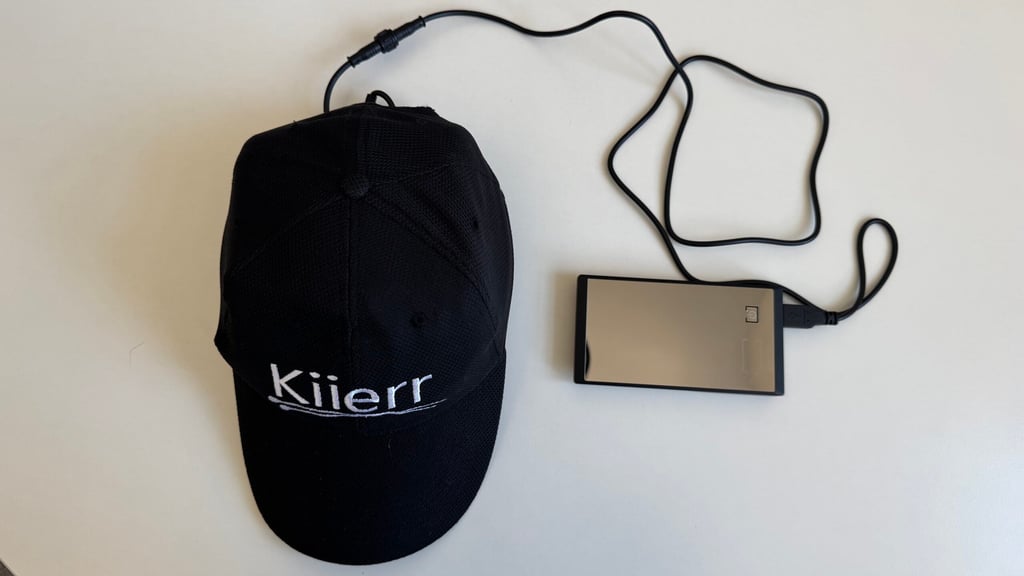
Let’s start with Kiierr and our takeaways from wearing it. As a cap-style laser hair therapy device, we found it much easier to incorporate into our daily routines. Plus, the almost-regular baseball cap look made it more discreet, and we could wear it even while on the go, not to mention while moving around the house. We also found it exceptionally comfy for longer sessions, thanks to its very lightweight design. For users who dislike the feeling of bulky wearable tech, that difference may matter a lot over months of consistent use.
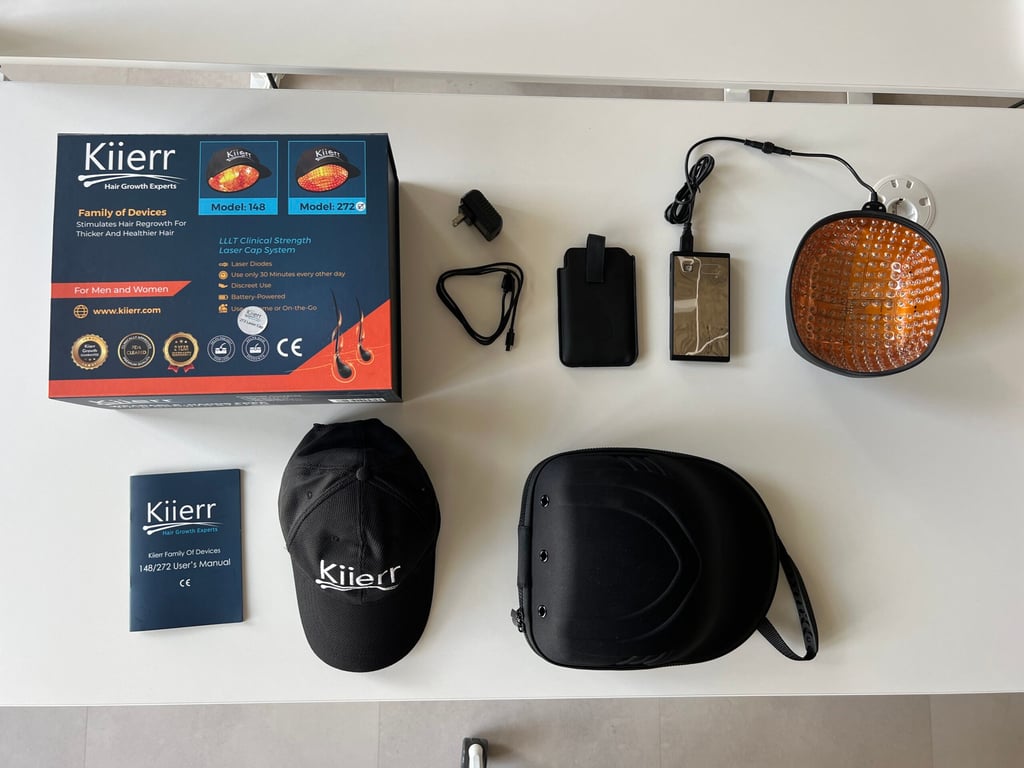
However, the issue we found with both Kiierr and iRESTORE is that they’re basically one-size-fits-all, which is all very nice unless you have a particularly small head. Then, you may have to hold the devices so they don't slip and move around more carefully, so you don't lose them from your head.
Meanwhile, iRESTORE's design is a rigid helmet, which is much less discreet but much more FDA-cleared, clinically-inspired type of tech. While “rigid” might immediately signal “uncomfortable” to some, we actually found it to be very lightweight, stable, and surprisingly comfortable to wear. Plus, we liked the stable scalp positioning it offered and thought it may potentially provide more even coverage than Kiierr’s cap. That said, a rigid helmet immediately felt more like a dedicated session rather than something we could wear while doing other tasks.
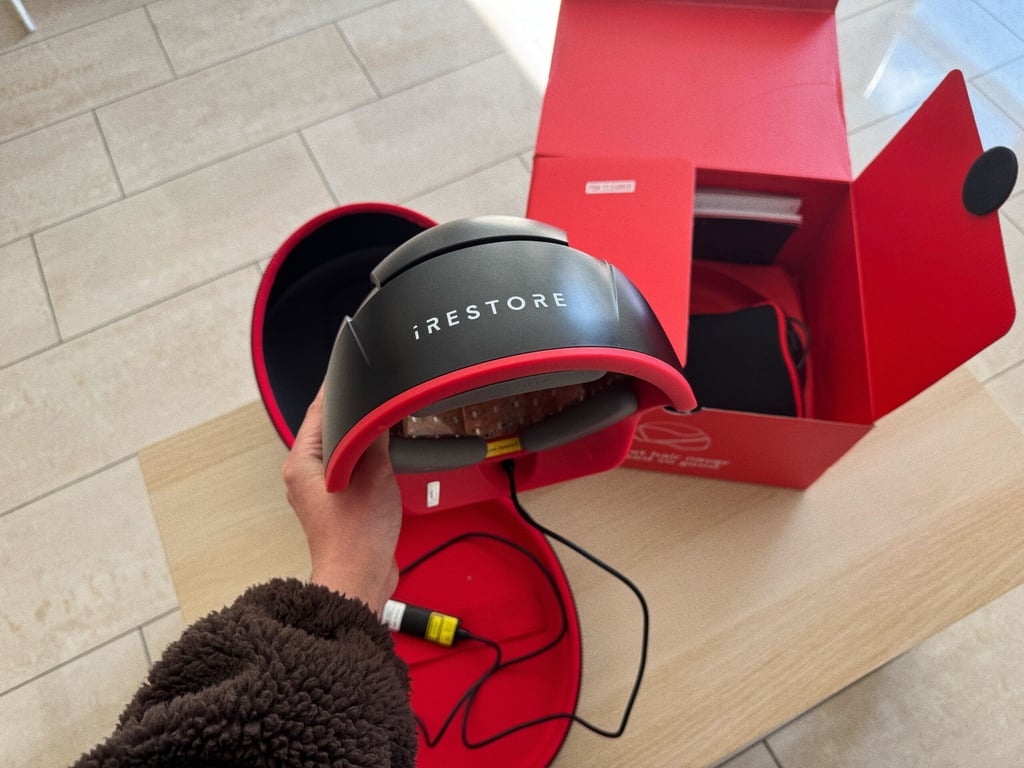
Lastly, travel was another area where we found Kiierr to be slightly advantageous, as packing a smaller, flexible cap was much easier than carrying a larger, helmet-style device. If you plan to wear your laser hair therapy device while commuting, then Kiierr might be the better choice.
Ultimately, while we found both devices to be perfectly usable, Kiierr felt noticeably less intrusive in day-to-day life.
Winner: Kiierr
Do the specs actually translate into better hair growth?
On paper, Kiierr and iRESTORE’s promises are identical, as both claim to use clinically inspired low-level light therapy. However, as we all know, marketing language can quickly become more confusing than helpful, and specifications do not always translate into better results.
Laser-only vs. laser-and-LED systems
This is where the differences start: Kiierr is a laser-only system, while iRESTORE combines LEDs and lasers. Theoretically, the higher diode count and the combined system should make iRESTORE the optimal choice, but in reality, evidence that simply adding more diodes produces better results is still very scarce.
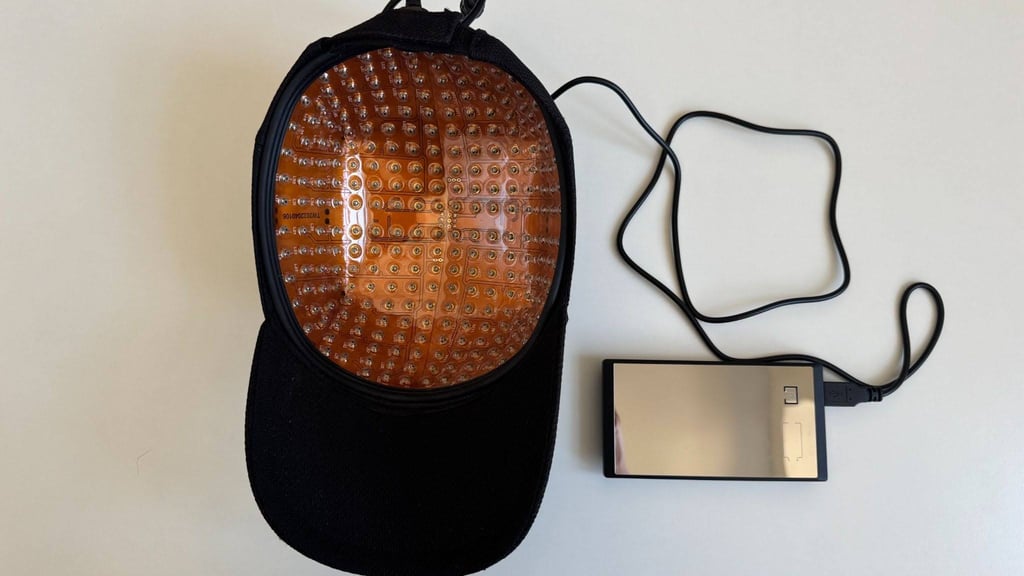
Despite the somewhat lacking evidence, iRESTORE still has a stronger presentation overall. Most of the brand’s devices are FDA-cleared, and it also emphasizes structured session protocols and clinically-inspired positioning. We thought that for some users, this might give more confidence and encourage better long-term consistency. The latter, in fact, is arguably even more important than some minor specification differences alone.
Coverage and treatment consistency
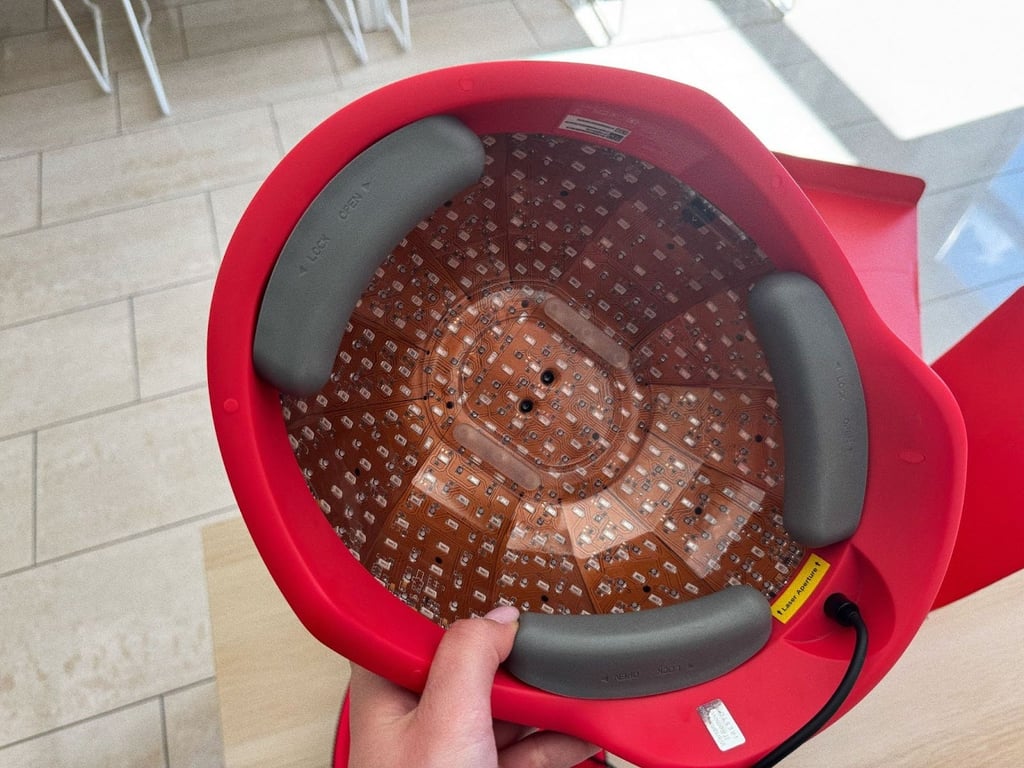
After testing several hair laser recovery devices, we understood that scalp coverage is also an important factor to consider. For example, iRESTORE helmets felt easier to position and more stable during sessions. In turn, this may have an impact on ensuring that the same areas receive the same amount of light each time. Meanwhile, Kiierr caps, while lighter and somewhat more flexible, may not provide the same session consistency due to fit variations influenced by head shape and cap placement.
Does higher power actually matter?
From our experience with reading hundreds of marketing messages on various RLT, LLT, LED, and similar wellness devices, power output is another area that’s often oversimplified. The truth is that while a higher-powered device might sound more impressive, there are currently no guarantees that greater intensity means faster or more noticeable regrowth for every user. After all, hair loss is highly individual, just as the response to any procedure.
Both brands target androgenetic alopecia and thinning hair, and both may potentially help slow shedding or improve hair thickness over time when used consistently. However, we strongly advise against viewing either device as a guaranteed solution for severe hair loss or advanced baldness.
Real-world usability still matters most
With all that in mind, probably the most important factor in using LLLT hair growth devices is convenience and real-world usability. Here’s why: a technically more powerful device is not necessarily the more effective one if wearing it becomes too annoying for consistent use over months, if not years.
Simply because of its usability and better daily-life fit, some users may achieve better outcomes with Kiierr by wearing it more regularly.
However, iRESTORE still offers a stronger balance of professional positioning, FDA-cleared branding, and structured usage consistency. That is, even if the raw spec differences alone do not guarantee superior results.
Winner: iRESTORE
Which device fits more naturally into your routine?
As we noted during our testing, maintaining a consistent routine might be the biggest challenge for users. With this in mind, Kiierr felt a bit easier to maintain consistency long-term, mostly because of its cap-style design, which allows for passive use without much disruption to daily life.
Wearing Kiierr felt like it required zero additional effort, and we thought it was great for work, moving around, chores, or commuting. Overall, it didn’t feel like a dedicated task at all. Plus, users who do not like bulky wearables may find Kiierr’s compact design a preferred choice.
By comparison, we thought iRESTORE felt much more structured and intentional. However, some users may prefer this sort of focused experience; at the same time, integrating dedicated sessions into busy routines may become harder. While we technically could wear the iRESTORE helmet moving around, we thought it still felt more like a process we needed to sit down for and complete.
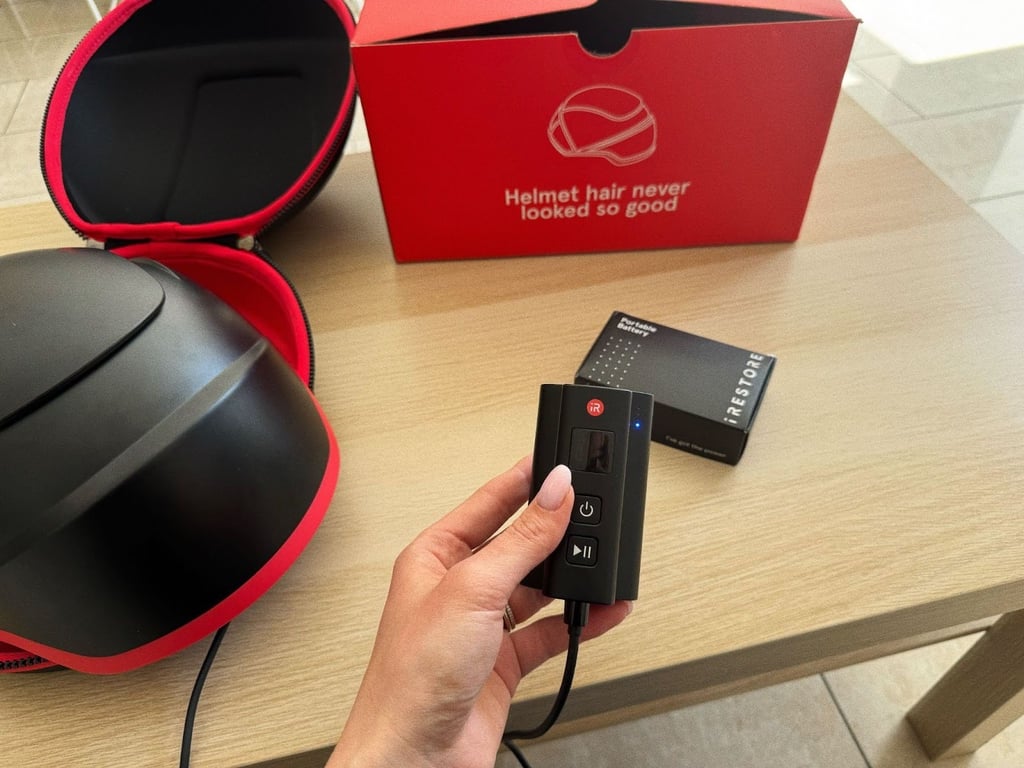
When you bear in mind that you might have to use these LLLT hair therapy devices for several months or more, that usability difference may matter more than raw specifications. Usually, devices that are comfy and easier to wear consistently are easier to stick with long enough to start seeing potential results.
Winner: Kiierr
What results should you realistically expect?
On paper, both Kiierr and iRESTORE could potentially help with gradual hair thickening, reduced shedding, or modest regrowth, mostly for users in the early stages of thinning. However, it’s always good to have your expectations balanced, as neither device is likely to restore a completely full head of hair, reverse advanced baldness, or give quick overnight results.
How long do results usually take?
As we just noted, no low-level light therapy device will give you instant results, and most who actually respond to this type of procedure may begin to see subtle improvements over several months.
Early changes may include less visible shedding and potentially slightly fuller-looking hair. However, to notice any signs of regrowth, you should expect to wear LLLT devices for much longer than that. From what we saw, consistent use for at least 3 to 6 months is needed before you can begin to evaluate actual progress.
Hair thickening vs. regrowth
Our findings show that potential results may also depend heavily on pre-existing factors such as age, genetics, hormone levels, and the extent of hair loss. For example, users with mild to moderate thinning may be likelier to notice improvements than those with longstanding bald areas. That said, even with iRESTORE, the more powerful and clinically-inspired device, full hair regrowth is unlikely.
Overall, both devices may potentially help support hair growth—mostly hair density—but neither is a guaranteed replacement for medical treatment or professional diagnosis.
Winner: iRESTORE
Safety, comfort, and side effects
Both Kiierr and iRESTORE are non-invasive hair growth devices that are generally safe to use at home when used as directed. Although we didn’t observe any side effects ourselves, possible side effects of LLLT may include mild scalp warmth, temporary irritation, or slight initial sensitivity.
We liked that both devices highlight their FDA-cleared status, which first-time users may find particularly reassuring regarding safety. That said, if you have light sensitivity, scalp conditions, or any other medical concerns, you should still consult a healthcare professional before using either Kiierr or iRESTORE low-level light therapy for hair.
As for comfort, we thought some users might find the iRESTORE helmet slightly heavier during longer sessions, but it’s also very stable to wear with no annoying pressure points. Meanwhile, Kiierr’s lighter cap might appeal to those who want to use their LLLT device during various activities, as it’s pretty discreet and comfortable.
However, we understand that comfort is a highly personal thing, and while some users may prefer a cap-style device over a helmet, others might find the opposite to be true. Overall, neither device clearly dominates in terms of safety or comfort.
Winner: Draw
Who should buy Kiierr, and who should choose iRESTORE?
Choose Kiierr if:
- Portability matters most
- You want a lighter, more comfortable wearable
- You prefer multitasking during sessions
- Travel-friendliness is important
- You want hair therapy to feel less intrusive in daily life
Choose iRESTORE:
- You want stronger clinical credibility
- FDA-cleared positioning matters to you
- You prefer a more structured application system
- Stable scalp coverage is a priority
- You want a device that feels closer to a clinic-style experience
Final verdict: Which hair growth device is better overall?
If we'd based our final decision on convenience rather than clinical positioning, Kiierr might’ve been the winner. The cap-style device offers a more flexible daily experience, which may be easier to integrate into existing routines and to use long-term.
However, we can’t ignore iRESTORE’s stronger overall package, especially for users prioritizing clinic-style LLLT hair growth devices with FDA-cleared positioning. And while the possible results between using Kiierr and iRESTORE may not be dramatically different for every user, iRESTORE still feels slightly more convincing as a dedicated long-term hair growth system.
This doesn’t mean Kiierr is the weaker product; some users may still prefer it for casual wear and comfort. But if we are choosing a single overall recommendation based on clinical-style presentation, session structure, and long-term usability, iRESTORE has an undeniable edge.
Winner: iRESTORE
FAQs
No, Kiierr is not better than iRESTORE. In fact, both devices are equally respectable LLLT hair growth systems. That said, Kiierr is a cap-style device with lower raw power, and iRESTORE is a helmet system with higher power and FDA-cleared position. But ultimately, any potential results with either device will likely depend heavily on consistent use over months.
Yes, Kiierr could potentially be beneficial for hair growth stimulation, less visible shedding, and hair thickening. However, no LLLT hair-stimulation system can replace medical treatments or professional consultations. So, Kiierr should be treated more as an additional tool that does not guarantee any dramatic overnight results.
Yes, women can use Kiierr or iRESTORE. Both low-level light therapy systems are non-invasive and safe to use at home. These LLLT are also FDA-cleared and may potentially stimulate hair follicles to boost growth or help with pattern hair loss.
Yes, laser caps may be potentially beneficial for hair thickening and pattern hair loss support (androgenetic alopecia). That said, you shouldn’t expect overnight results with laser caps; consistent use over months is key to seeing noticeable changes.
-
American Journal of Clinical Dermatology.
-
Lasers in Surgery and Medicine.
-
Dermatologic Surgery.
-
Journal of Cosmetic and Laser Therapy.
-
American Academy of Dermatology Association.