- Strong compression performance
- Multiple intensity levels and modes
- Full-leg coverage
- Good value compared to premium systems
- Corded design feels less convenient and portable
- No app connectivity or smart features
- Setup time
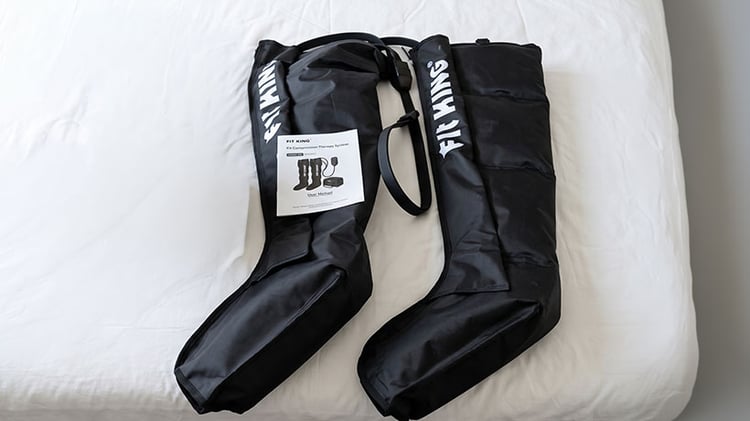
I spent several weeks using the FIT KING Dynamic to see how it holds up as a more affordable entry into the growing world of recovery tech. At its core, this is a pneumatic compression system designed to wrap around your legs and rhythmically apply pressure, helping stimulate blood flow and reduce that heavy, fatigued feeling after exercise. Recovery boots like these have become increasingly popular among runners, gym-goers, and even casual users looking to speed up post-workout recovery without relying solely on stretching or massage.
Big-name systems like Hyperice Normatec 3 have set the standard, while newer options such as the RENPHO Aeria Boot and QUINEAR aim to bring similar benefits at lower price points. FIT KING Dynamic Recovery System sits firmly in that space, promising a comparable experience focused on practical recovery benefits rather than high-end extras or app-driven features.
| Product | FIT KING Dynamic |
| Compression zones | Feet, lower calf, upper calf |
| Modes | 3 |
| Pressure levels | Adjustable |
| Session length | 20–30min |
| Power | Corded |
| Sizes | One size, adjustable |
| Warranty | 1 year |
What sets FIT KING Dynamic apart?
FIT KING Dynamic stands out most for how it handles compression in a way that feels straightforward, effective, and easy to deal with in practice. It uses sequential air compression across multiple chambers, so the pressure moves up the leg in a wave rather than squeezing everything at once. That matters in real use because the sensation feels more controlled and more complete, especially around the feet, calves, and thighs.
I also like that FIT KING gives you meaningful pressure customization, with several intensity steps and multiple modes so you can go lighter after an easy session or push harder after a bigger training load. The large sizing options are another practical plus because the boots are designed to suit a wider range of leg lengths without feeling overly restrictive. The motor seems quiet enough for relaxed use, and that matches the overall first impression: this is not a flashy recovery system, but it does feel well thought out for everyday recovery.
What do you actually get for the money?
You are getting a basic but capable compression boot system rather than a premium, feature-packed device. It focuses on the core recovery experience instead of extras, which is exactly why it makes sense for buyers who want the effect without the high-end pricing tier.
Is it really a “cheaper Normatec”?
In feel and feature set, it aims at the same broad use case as bigger-name recovery boots, but it is clearly simpler in design and control. That simplicity is part of the appeal: it keeps the experience accessible without making the product feel stripped back to the point of being unfinished.
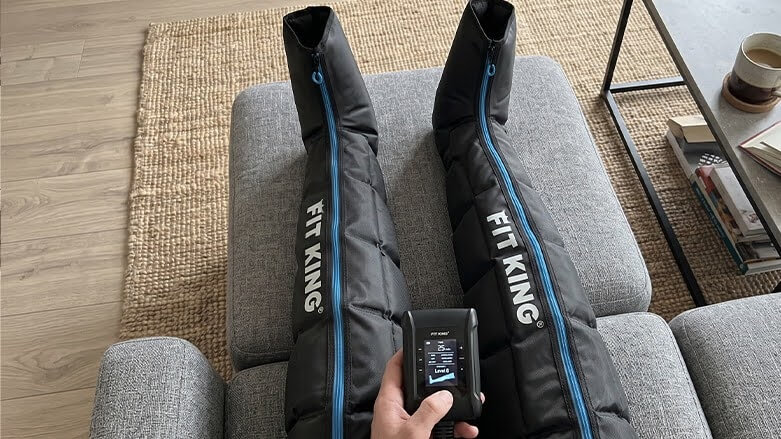
FIT KING Dynamic design and setup: Function over flash
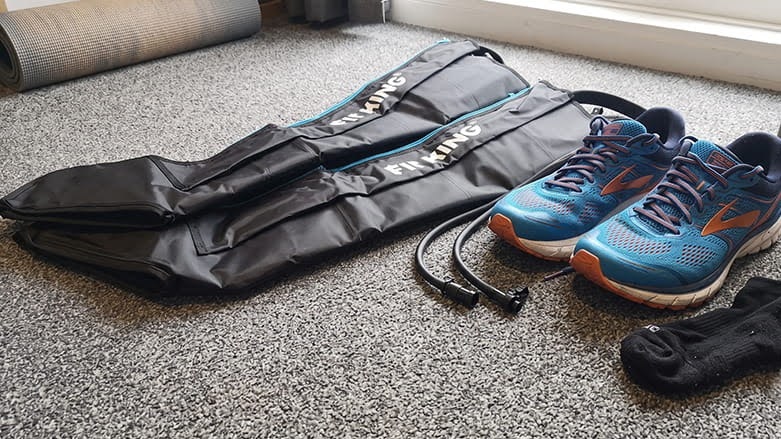
FIT KING Dynamic feels built for people who want a practical recovery system rather than a luxury-looking gadget. The construction is solid enough for regular home use, with a straightforward finish that prioritizes function over flash. The zipped leg chambers feel secure, and the included carry bag makes storage and moving the system around much easier than leaving everything loose in a cupboard.
Setup is fairly simple once you have done it once, but the first run still takes a bit of patience because you need to connect the hoses correctly, choose the right size, and get familiar with the controller before it all feels second nature. Comfort is one of the better parts of the experience: the boots sit snugly without feeling overly tight, and the compression builds in a controlled way rather than hitting all at once.
All this makes the session feel more deliberate and less aggressive, even at stronger settings. Noise is low enough that it does not become distracting, which helps if you plan to use it while watching TV or winding down. The main drawback is portability, since it needs a nearby power outlet and is not as easy to grab and go as battery-powered competitors.
Controls and compression modes explained
FIT KING Dynamic keeps the whole experience fairly straightforward, which is exactly what you want from recovery boots you plan to use often. The controller does not overwhelm you with unnecessary options, and after a short learning curve, changing settings feels intuitive rather than awkward.
Pressure adjustment is easy to understand, the session timer is simple to set, and the system makes it clear what each mode is doing without forcing you to study the manual for long. That makes the FIT KING recovery boots feel approachable, even if this is your first time trying compression therapy at home.
Which massage mode works best?
There are three main modes to choose from: Sequence mode, Circulation mode, and Combination mode. Sequence mode was my favorite in testing because it gave the strongest sense of movement, with pressure traveling upward in a way that felt purposeful and satisfying. Circulation mode felt a little gentler and better suited to lighter recovery days, while Combination mode alternated between the two to deliver a comprehensive, full-leg routine that worked well when my legs felt especially tired after training.
The pressure levels make a noticeable difference too, so you can keep things comfortable or push the intensity higher depending on how your legs feel. In practice, the settings are easy to switch between once you know the layout, and that flexibility is one of the reasons FIT KING Dynamic Recovery System feels more versatile than its budget price might suggest. My main takeaway is that the user experience is simple, effective, and designed to be used without fuss.
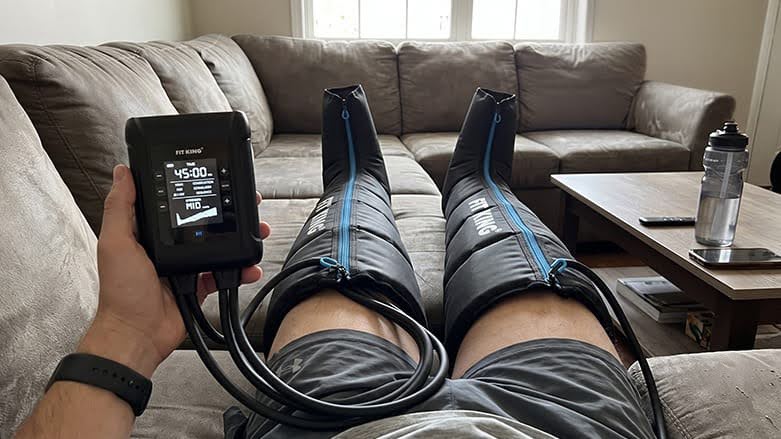
Does it actually help recovery?
Compression boots like FIT KING have exploded in popularity among athletes and everyday fitness enthusiasts looking for a quick edge in post-workout care. However, separating marketing hype from actual physiological benefits requires a closer look at what the science says.
Does compression reduce soreness?
The short answer is: it may help some people feel better, but it is not a miracle fix. Clinical reviews and trials on intermittent pneumatic compression show mixed results, with some evidence of short-term soreness relief after hard exercise, while other studies find little to no meaningful improvement in recovery performance or longer-term soreness.
That means FIT KING Dynamic may be a useful recovery tool after heavy leg training, running, or cycling, but you should think of it as one part of a broader recovery routine rather than a standalone solution. The most convincing benefit is usually subjective: legs often feel lighter, less tight, and a bit less battered immediately after use. For people who stand all day, travel often, or deal with swollen legs, that “lighter” feeling can be the main reason these boots make sense.
How do your legs feel afterward?
In practical terms, the FIT KING compression boots do a good job of creating that pumped, flushed sensation that many people want after training or long periods on their feet. The likely reason is simple—sequential pressure helps move fluid through the limbs, supporting blood circulation and lymphatic function, which can make legs feel less heavy and more refreshed. I would not call the effect dramatic, but it can be noticeable, especially after hard training sessions or long travel days.
Who benefits the most?
These boots make the most sense for runners, cyclists, gym-goers, and people who want an easy recovery option after standing all day or sitting for hours while traveling. They are less convincing for anyone expecting them to replace sleep, proper nutrition, or a sensible training plan, because recovery gains still depend on the basics. The benefits also vary from person to person, so some users will notice a big difference while others may find the effect modest.
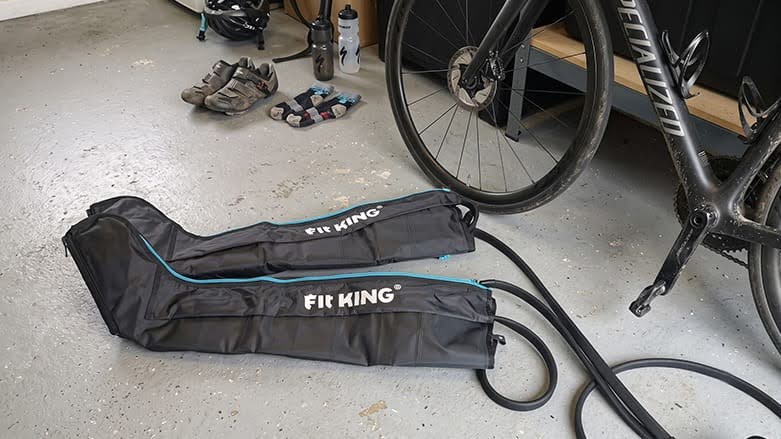
Living with FIT KING Dynamic: Real-life use
Using FIT KING Dynamic on a regular basis is mostly about how well it fits into your day-to-day life. The boots are reasonably easy to store thanks to the included carry bag, which keeps the hoses and controller tidy and stops them from taking over a corner of your room.
Cleaning is straightforward: the inner surfaces can be wiped down, and the materials hold up well over multiple sessions without feeling overly worn. Reliability so far feels solid, with no obvious weak points in the zippers or seams during normal use.
Long-term comfort is another strong point, as the boots do not dig in or create uncomfortable pressure spots, even when used for full 20–30-minute sessions. The main hurdle is time commitment—you need to set everything up, get into the boots, and sit still while the cycle runs, which is not always realistic on busy days.
Does it easily become a part of your routine?
Many people start recovery boots with enthusiasm, then drop them once the novelty fades. FIT KING Dynamic has a better chance of sticking around because it is simple to use and does not demand constant tweaking. If you can slot it into a regular post-training or evening wind-down slot, it becomes easier to keep using. Without that, it risks becoming another piece of tech that looks good but rarely gets switched on.
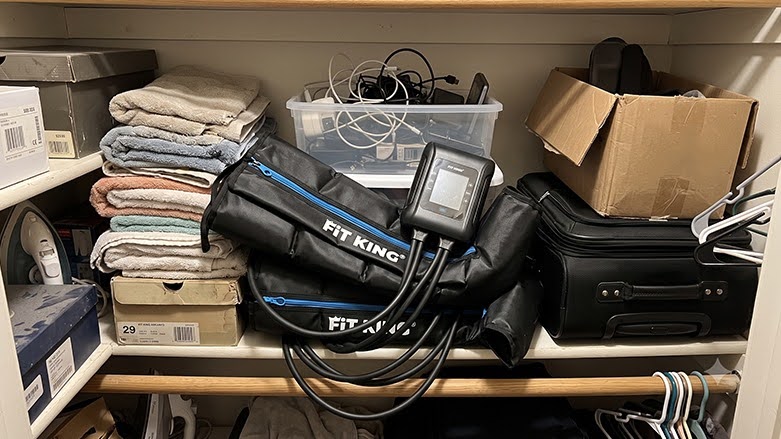
Is FIT KING Dynamic worth the money? Let’s break it down
For anyone comparing recovery options, FIT KING Dynamic presents a strong value proposition. It delivers core pneumatic compression performance that feels effective without the premium price tag of high-end systems.
Let’s look at the value FIT KING Dynamic brings:
- The build quality is solid enough for regular home use, with durable materials and a design that feels built to last rather than disposable
- The included 1-year warranty adds confidence for long-term ownership, which is important when you are investing in a recovery tool you plan to use for months or years
- Performance-wise, the FIT KING recovery boots review experience shows they handle everything from light recovery to firmer compression sessions without struggling
So, over time, that balance of quality, features, and support makes FIT KING Dynamic Recovery System a sensible choice for people who want reliable compression therapy without overpaying. If you are deciding between FIT KING Dynamic and pricier rivals, the main trade-off is fewer extras, not a big drop in how well the compression actually works.
Who should buy it?
FIT KING Dynamic makes the most sense for runners, lifters, CrossFit athletes, and cyclists who want a practical way to support recovery at home. It is also a good fit for older adults and people who spend long hours on their feet and want to help relieve that heavy, tired feeling in their legs.
That said, it is not ideal for users who expect app connectivity or smart features, since this system focuses on straightforward, manual control. Travelers who need battery-powered, fully portable boots will also find it limiting, as it requires a power outlet. Likewise, elite athletes looking for highly customizable, Normatec-style programming may find the options here too basic for their needs.
Other health tech reviews:
Final verdict: Should you buy FIT KING Dynamic?
After weeks of testing, FIT KING Dynamic proves itself as a reliable, no-nonsense recovery tool. The compression quality feels effective, the ease of use is high once you learn the basics, and long sessions remain comfortable thanks to the well-padded boots. For the price, it delivers strong value, especially when compared to premium systems that cost significantly more.
The best user profile is the everyday athlete or active person who wants solid recovery support without extra features they may never use. If you are happy with a simple, corded setup and want a capable system for home use, this is a buy. If you need full portability or advanced smart features, consider alternatives. If you expect top-tier customization, I’d say skip.
-
National Center for Biotechnology Information.
-
The Ohio State University.
-
Journal of Orthopaedic and Sports Physical Therapy.
-
National Center for Biotechnology Information.