My legs were wrecked after my first long run back, so I tried $199 compression boots
My first long run after summer was an excellent reminder that feeling and being fit are not the same thing. The stairs definitely made sure to remind me of that the next day.
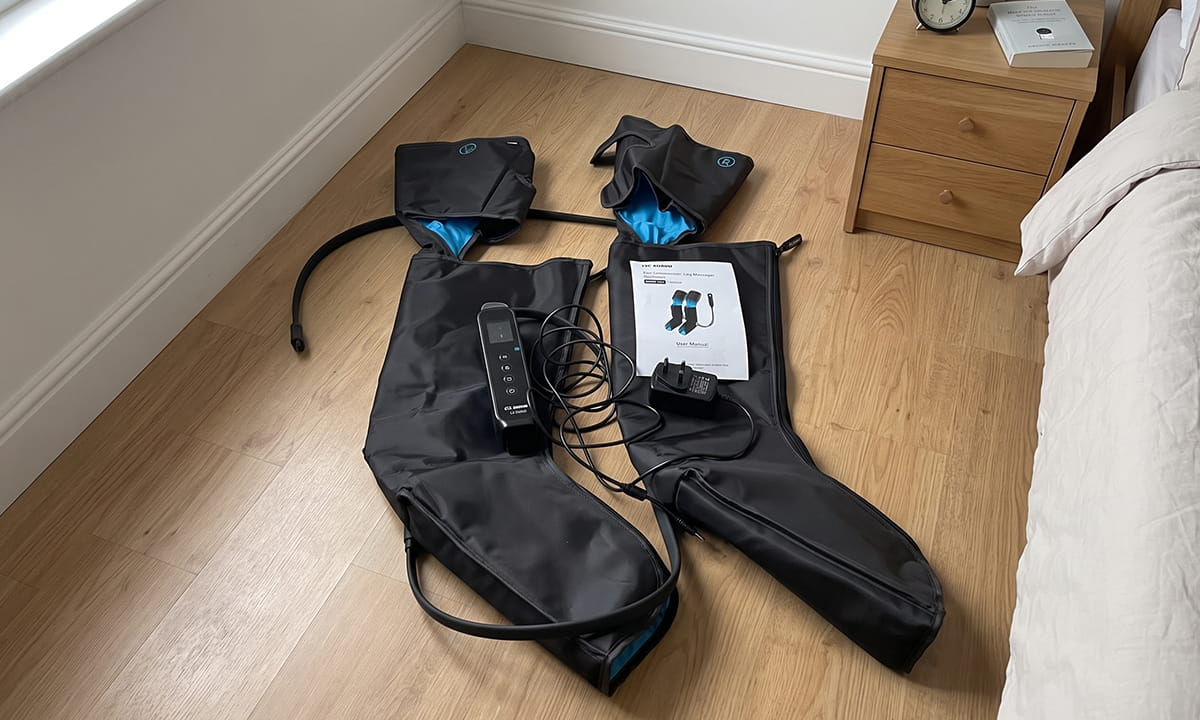
I used the FIT KING FT-119A compression boots after that run and the following three weeks. A 20-minute session made my legs feel lighter, and I liked the cordless setup enough to integrate it into my routine.
Don’t get me wrong – it did not make soreness vanish. Wearing the boots simply felt good, reduced the heavy-leg sensation, and made recovery time easier.
Full-leg boots without the premium price tag
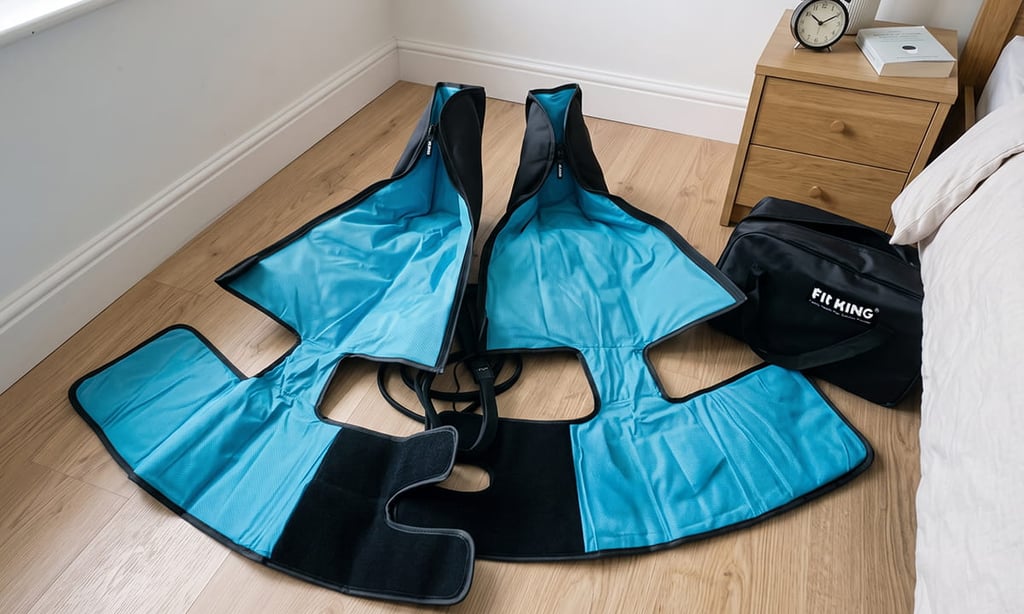
FIT KING describes the FT-119A as a rechargeable, full-leg air-compression system covering the feet, calves, and thighs. The manufacturer lists three modes, a 60–150mmHg pressure range, several timer choices, a 1,500mAh battery, and up to four hours of continuous runtime.
It’s currently priced at $199, although the price can change depending on active discounts. It’s simpler than elite recovery systems with independent zone control, polished travel cases, and advanced app routines.
Each boot has inflatable zones to squeeze and release the leg. There is no kneading roller and no heat involved. Instead, the sensation feels like rhythmic pressure.
The cordless design is a standout feature. I could zip in on the sofa without dragging a power cable across the room. After a long run, removing one small obstacle made the difference between using recovery equipment and leaving it in a closet.
I compared three long-run weekends
My first long run was 10 miles after a month of maxing out at six. I used the recovery boots two hours later, and then again the next evening.
Over the next three weeks, I completed 12-, 13-, and 14-mile runs. I used the boots after the first, second, and fourth long runs. After the third, I followed my normal routine without compression so I had a rough comparison.
Every boot session lasted 20 minutes. I used the lowest pressure on the first day, the middle setting for the next six sessions, and the highest setting only once. I recorded:
- Heavy-leg feeling before and immediately after each session;
- General soreness each morning for three days;
- Discomfort walking down one flight of stairs;
- Time to complete five controlled sit-to-stands;
- Whether I completed the next planned easy run.
My training load increased every week, so it’s hard to isolate the boots' effect. I might have just adapted to the longer runs. That’s why I advise treating these results as my personal experience, not a fact.
Each session brought improved comfort
The FT-119A consistently changed how my legs felt when I stood up after a session.
| Long run | Boot routine | Heavy legs before/after | Next-morning soreness | Stairs felt normal by |
| 10 miles | 20 min same day + next day | 7.5/10 to 4.6/10 | 6.8/10 | Day 3 |
| 12 miles | 20 min same day + next day | 6.9/10 to 4.1/10 | 5.7/10 | Day 2 |
| 13 miles | No boots | — | 5.9/10 | Day 3 |
| 14 miles | 20 min same day + next day | 6.4/10 to 3.8/10 | 5.1/10 | Day 2 |
The before-and-after heavy-leg rating improved after every session. It’s subjective, but that’s the improvement I felt the most.
The next-morning pattern was less dramatic. Soreness gradually decreased as my legs adapted to longer runs, so I can’t claim that the boots shortened recovery by a specific amount.
My sit-to-stand speed barely changed from week to week, and I never missed a scheduled easy run. Put simply, the boots made my legs feel better, but they didn't noticeably change my performance.
That modest result still mattered. Recovery products do not have to transform performance to support your recovery; they have to make a routine easy enough so I can stick to it.
The pressure felt best at the middle setting
The lowest pressure level was gentle after the first long run, when my calves already felt tender. However, by the third session, it felt too mild. The middle setting became my default because it embraced firmly without making me brace against the squeeze.
Meanwhile, the highest setting wasn’t for me. Pressure around the upper calf became distracting, and I stopped the session after 12 minutes. Remember, strong compression is not something you should tough out.
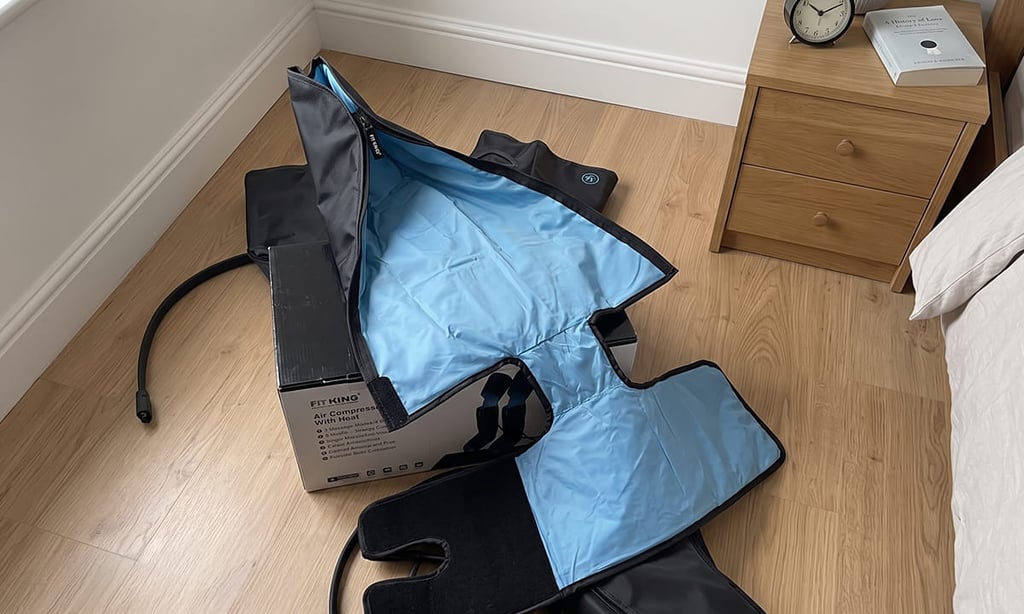
Fit also mattered more than the level number on the controller. I positioned the boots evenly, kept fabric flat, and made sure no edge pinched behind the knee. When the right boot sat slightly twisted, the same pressure felt much harsher.
The compression should feel firm but tolerable. Pain, numbness, tingling, skin discoloration, or worsening symptoms are signs you should stop.
Full-leg coverage made more sense after running
Cheaper calf wraps can be satisfying after a day of standing or travel. Though after a long run, I preferred full-leg coverage.
First, inflate the feet and lower legs before the pressure moves upward. My quads weren’t massaged, but the full-leg squeeze felt more satisfying than the foot-and-calf systems I had used before.
That said, the device didn’t target every sore area—my glutes and hip flexors remained outside the boots. The FT-119A worked best as the final part of recovery, after I had eaten, rehydrated, and changed out of damp clothes.
After wearing the boots, I had to take 20 minutes to stay still. I could not immediately start household jobs or spend another hour standing in the kitchen. This pause created a relaxing moment before jumping into other activities.
Cordless use was convenient, but the boots are still bulky
FIT KING's battery life should be enough for a few short sessions. I recorded nine 20-minute sessions before recharging, with some power remaining. That was close enough to the manufacturer's claims.
The controller was easy to understand, and I liked having timer choices without an app. In my opinion, recovery gear shouldn’t need an account before it can start working.
However, cordless doesn’t mean travel-light. The boots occupied most of a small carry-on and were awkward to fold. I would take them on a driving holiday, not sacrifice half my flight luggage.
They were also audible in a quiet room. The pump sound didn’t block television, but it interfered with the idea of a silent relaxation session. The zipper was faster and quieter than large Velcro panels, although lining up the boots while tired still took practice.
Compression is not a treatment for unexplained leg symptoms
I used the boots for ordinary post-run heaviness and muscle soreness. That is very different from unexplained swelling, pain, or circulation symptoms.
I would not use powered compression on a new, painful, hot, red, or swollen leg without medical advice. A history of blood clots, peripheral circulation problems, heart or kidney disease, diabetes, recent surgery, pregnancy, skin injury, or another relevant condition also prompts professional guidance before use. In case you experience any symptoms while using the device, stop and seek medical help.
What I would do differently before the next training block
Next time, I would build distance more gradually and use the boots after long runs. I would also record sleep and food intake more carefully, because both changed across the four weekends.
For a more accurate test, I would repeat matched long runs on the same route, at similar intensity and temperature, with boot and no-boot conditions randomized. I would decide the outcome measures before beginning and avoid drawing conclusions from a single morning.
The current result is enough for giving a buying recommendation.
My verdict: the boots earned a place on long-run day
The FIT KING FT-119A didn’t magically save me from the pain of a long run. My legs were still sore, the stairs were still a struggle, and the next run still needed to be easy.
However, the 20 minutes of rhythmic full-leg pressure reduced the heavy sensation and made the recovery period feel more bearable. The cordless controller and long battery life also meant I was actually using them.
I would buy them for post-run comfort if full-leg coverage matters and premium recovery systems feel impossible to justify. I would skip them if storage is tight, silence is essential, or you expect faster muscle repair.
My first long run back taught me a lesson — rebuild gradually. The $199 compression boots simply made the consequences more comfortable while I did.


