Huawei Band 11 Pro review: Exceptional budget value

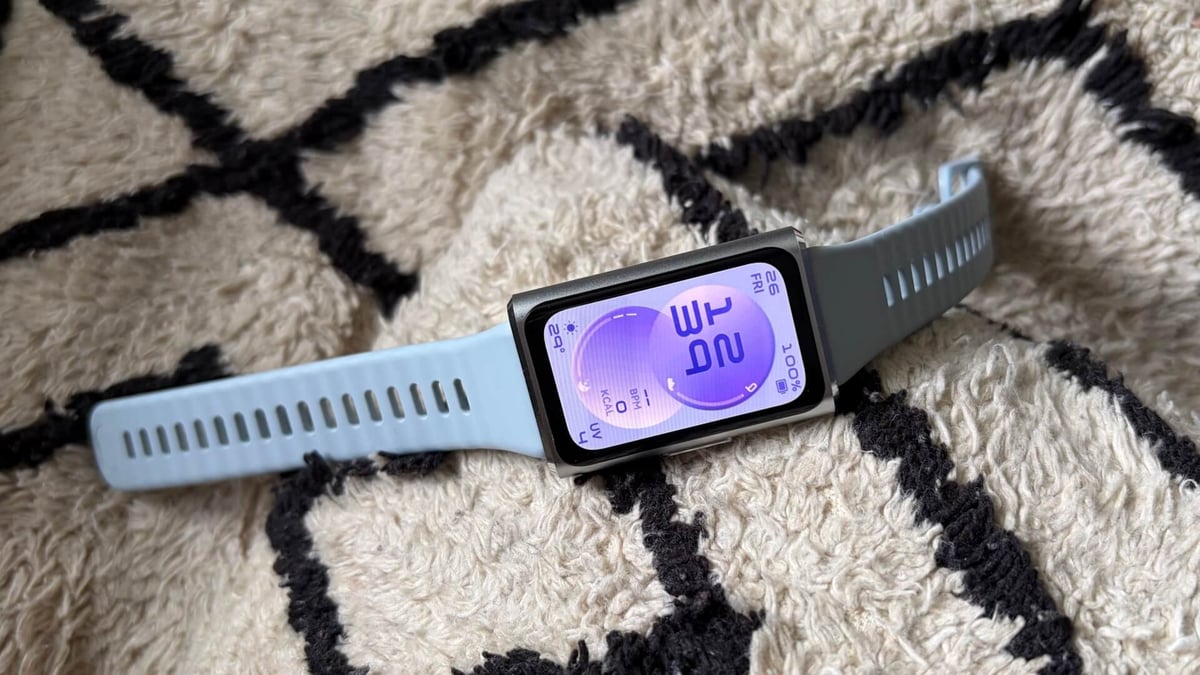
- Bright 2,000-nit AMOLED display is easy to read in direct sunlight
- Built-in GPS and broad suite of 100+ sports modes
- Excellent battery life
- Not officially available or supported in the US market
- Single-band GNSS
- Doesn’t have access to Huawei AppGallery app store
The budget fitness tracker landscape has changed dramatically in recent years. Where basic plastic step-counters and monochrome screens once defined the entry level, buyers now expect vibrant AMOLED displays, standalone GPS, and health metrics that rival full-fledged smartwatches. And Huawei has consistently been at the forefront of this category, pushing the limits of what wearables on the more accessible end can deliver.
While the brand continues to expand its flagship smartwatch lineup, it hasn't forgotten about users who prefer a sleek, low-profile band —or those who simply don't want to spend the extra money.
Enter, then, the Huawei Band 11 Pro. Sitting just above the standard Band 11, this slim tracker packs a blindingly bright 2,000-nit display, built-in GPS, over 100 sports modes, pulse-wave arrhythmia detection, and HRV-driven emotional-state monitoring. It promises near-smartwatch performance at a fraction of the cost.
Does it successfully build on Huawei’s track record for value and quality? As we found in real-world testing: absolutely.
Price and competition
The Huawei Band 11 Pro isn’t officially available for purchase in the US, and, due to ongoing trade restrictions, it lacks official US software support, warranty coverage, and retail distribution.
US buyers who attempt to import one will also face added friction when setting up the Huawei Health app on Android and iOS. The same is true for other Huawei wearables. However, if you’re in the UK or Europe, you can get it on your wrist without hassle. The launch price was £69.99, but it is frequently discounted to £59.99 or lower. Either way, it's very affordable.
There’s also the standard Huawei Band 11, which is cheaper (£49.99) but most notably lacks the added GPS found on the Pro version.
At this price point, the Band 11 Pro competes directly with the Xiaomi Smart Band 10 Pro (£69.99) and the standard Xiaomi Smart Band 10 (£39.99). You’ll also find screenless trackers like the Amazfit Helio Strap (£99) and Fitbit Air (£99) if you are willing to spend a bit more.
Design and display
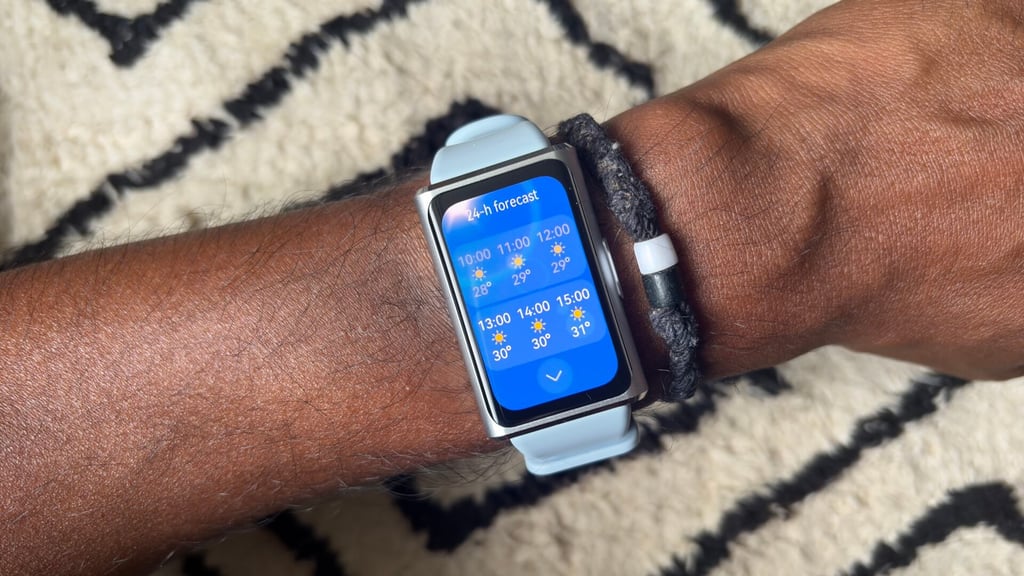
The Band 11 Pro is available in three colors: green, blue, or black. However, these colors are only really the straps, which all have the same aluminum alloy case and a single physical button. The device is waterproof up to 50 meters, making it suitable for swimming in pools. However, Huawei recommends removing it before using a sauna or diving.
The Pro comes with two strap options: a fluoroelastomer band like the one we tested, along with a softer nylon strap, which comes with the green version. You can remove the straps quite easily to swap in another official strap (or pick up a cheaper unofficial one from third-party retailers).
This is a screen-dominating design that’s also been embraced by other brands. It gives it a similar look to the Honor Band 10 and the Xiaomi Smart Band 10 Pro. And, like that competition, the Band 11 Pro proves that strapping on something more affordable doesn’t mean compromising on style or build quality.
In our few weeks of testing the 11 Pro, we found it performed strongly in terms of overall quality, brightness, and available screen estate. It’s a 1.62-inch AMOLED panel with 286 x 482 resolution, which makes it larger and delivers a noticeable step up in resolution over the Band 10. It feels like a big performance upgrade.
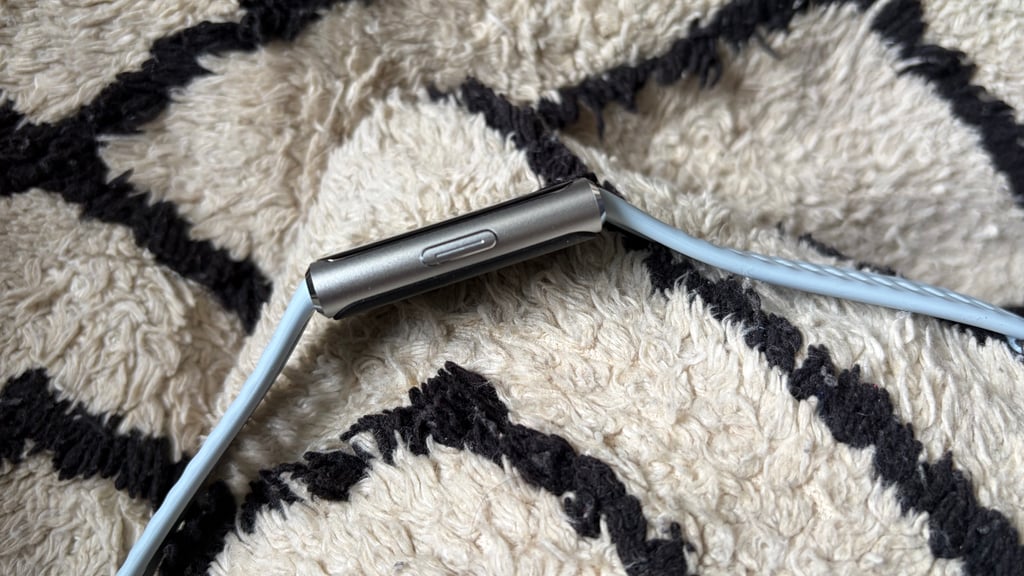
Naturally, the display is also your primary way to access the Band's features. You do have that solitary physical button, but its uses are pretty limited—but if you don’t keep the screen on at all times, you can use it to turn the display on instead.
That’s not the only display upgrade from the previous generation, either, as it can now reach a peak brightness of 2,000 nits. That’s up from 600 nits on the Band 10. In real-world use, you're likely—like we did—to notice these gains most in sunnier conditions.
And while it's certainly not a patch on a premium smartwatch like the Samsung Galaxy Watch Ultra 2 in this area, it's plenty good enough in most cases—and certainly at this price range.
Add everything together, and the Band 11 Pro makes tweaks to the Band 10’s already likable design, just making it a little better to wear.
Smartwatch features
The Band 11 Pro offers a selection of Huawei's smartwatch features, but, as you would expect at this price point, some key functions aren't included.
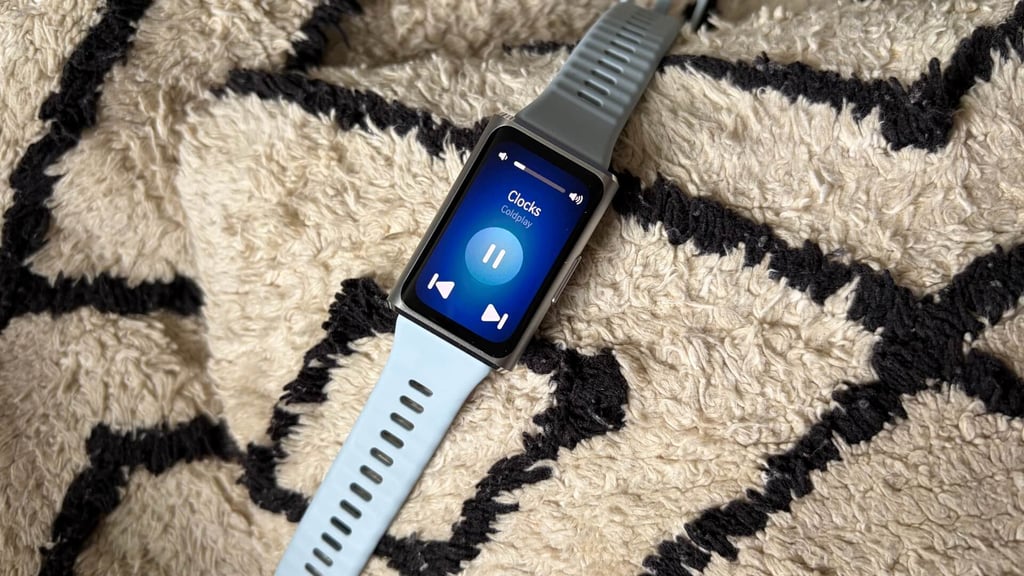
It lacks the ability to make payments, load music for offline listening, or access Huawei’s AppGallery app store. However, you can view phone notifications, control your phone's music, check your calendar, and set alarms, covering the essentials of smartwatch use.
This isn’t an area where Huawei makes wholesale changes from the previous Band. But the basics are all there—and if you like having lots of watch faces to choose from, you’re well served on the 11 Pro.
The music player controls also still work seamlessly with third-party music services. So, when we let Spotify play the music, the controls responded without much latency. The experience of viewing notifications is good, as well, and is one of the interactions you’re likely to do most on a day-to-day basis.
Once you accept that this isn’t going to simply pack all of Huawei’s available smartwatch features into a more compact body, you’ll appreciate software that’s easy to navigate, with a level of smarts that makes the Band 11 Pro pretty useful beyond tracking your health and activity stats.
Sports and fitness tracking
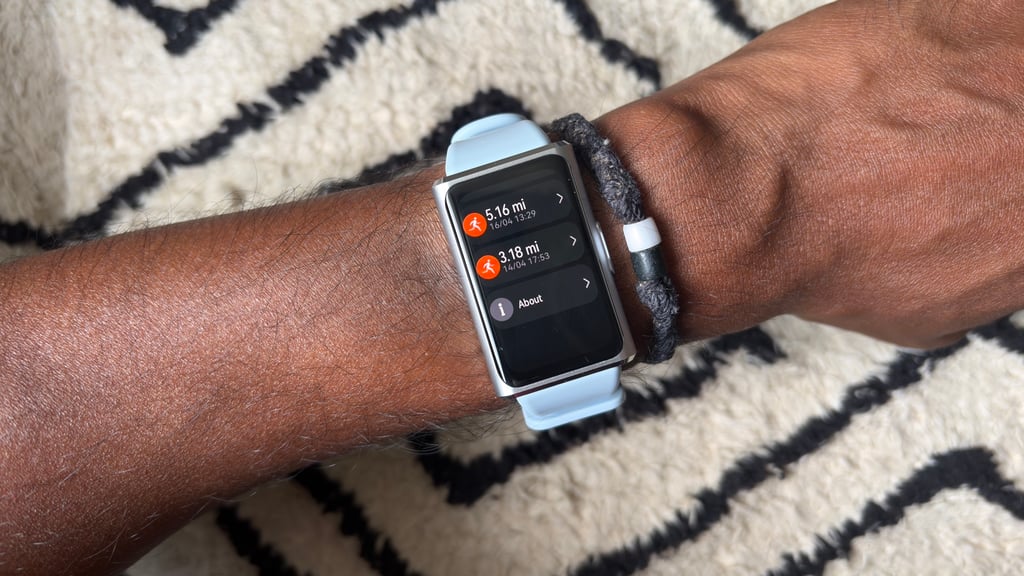
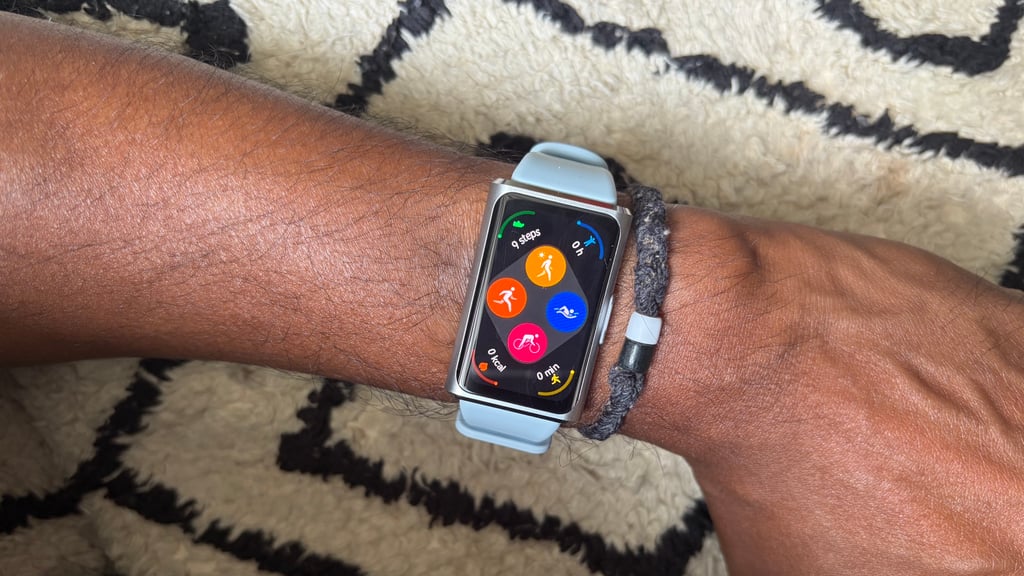
Huawei offers a wide range of features for tracking exercise time—and one crucial one that makes it a particularly compelling choice versus much of the competition at this price.
That is, of course, the inclusion of built-in GPS, allowing users to monitor outdoor activities like running and cycling without relying on their phone’s GPS for more precise data. There are other upgrades, too, like the Band 11 Pro automatically recognizing when you get on your bike and start riding.
It employs a standalone GNSS sensor setup—so, not the dual-band GPS technology found in many Huawei smartwatches (such as the Huawei Watch GT 6 Pro). Naturally, this means GPS performance isn't as optimal if you require the best possible accuracy.
However, if you stick to familiar routes and aren't navigating through areas with many tall buildings that can interfere with the GPS signal, we found the performance to be more than solid enough.
If you’re a runner, there are some additional features for you here, like predicted times for race distances up to the marathon distance. It can also deliver advanced running metrics, such as ground contact time, to provide insights into your running form.
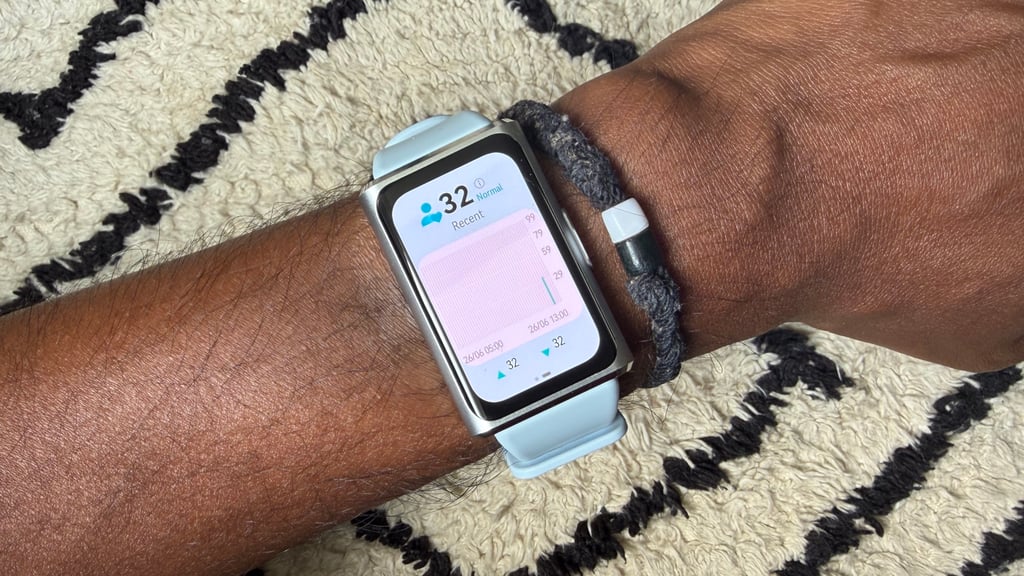
That data lacks context, though. Many new runners won’t know what to do with the information provided by the Band 11 Pro here, and there’s no guidance in the Huawei Health app to help them better understand it.
It’s not all about runners and cyclists, either. There are over 100 sports modes on offer, which include pool swimming. Most indoor exercises use heart rate as the key workout metric, and optical sensor accuracy performs surprisingly well.
That’s despite not having Huawei’s latest sensor technology on board. It didn’t throw up wildly inaccurate data across our workout tests. Like most smartwatches and fitness trackers, upping the intensity usually causes the heart rate sensor to falter. And while not immune to those moments, we were pretty happy with the overall performance.
Health and sleep tracking
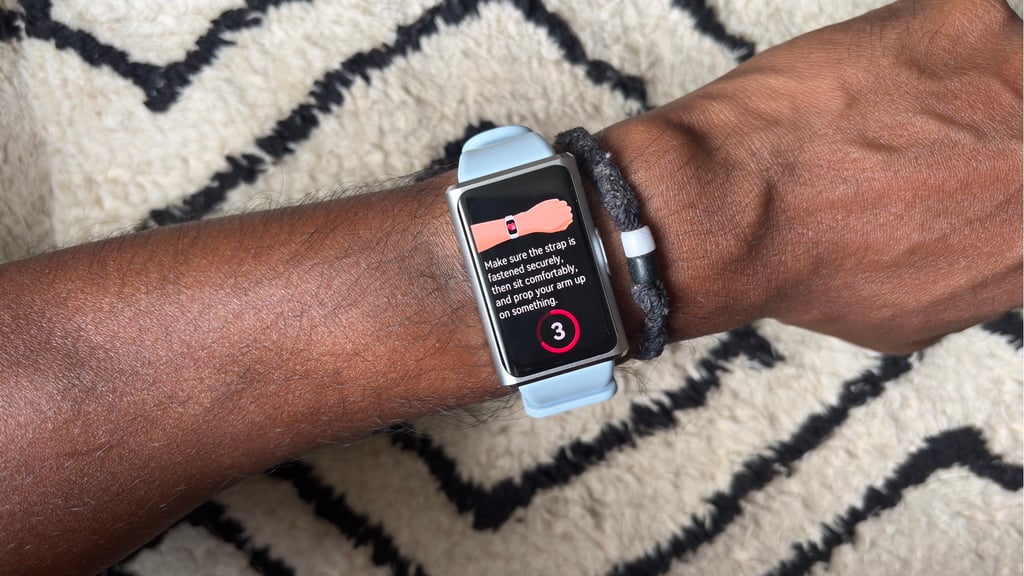
If you're viewing the Band 11 Pro as a sleep aid or a way to monitor your overall health, you'll find a range of useful features. Some of these are surprises, especially given the budget-friendly price of this tracker.
Let’s start with sleep tracking, where the Pro's size and weight make it more comfortable to wear to bed than most smartwatches.
When you rest your head on your pillow, Huawei begins monitoring your sleep duration and various sleep stages. It also tracks heart rate and SpO2 levels overnight. However, measuring SpO2, as ever, requires more battery power.
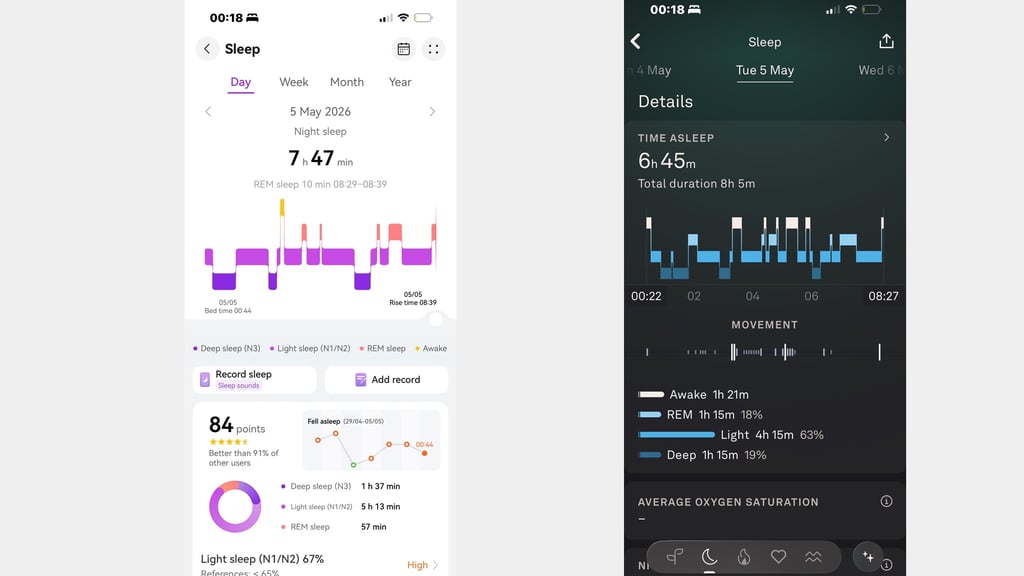
We’ve been impressed with the sleep tracking abilities of Huawei’s wearables in general—and you get a solid enough performance here. It did a good job of recognizing when we fell asleep and generated sleep scores similar to those of other sleep trackers we took to bed alongside it. Sleep duration tended to be within 30 minutes of Oura’s sleep tracking on most nights.
Where Huawei's sleep tracking is lacking is the analysis in the companion app. Most data is easy to glance at, but Huawei’s approach to offering advice based on a bad night's sleep needs work. It doesn’t feel particularly personable, and that can be a recurring theme in the app.
Tweaks to health and stress tracking
Away from sleep and into the health-tracking features, a couple of intriguing additions make their way onto the Band 11 Pro.
The first is the pulse wave arrhythmia analysis. This uses optical sensors that track your heart rate to detect signs of atrial fibrillation—a heart rhythm disorder that could indicate a serious health issue.
It’s a feature that comes with regulatory certification to detect signs and is usually found on much more expensive devices. We were able to take measurements and compare them with those from an ECG-sensor-packing smartwatch, and the readings did, on the whole, feel pretty reliable.
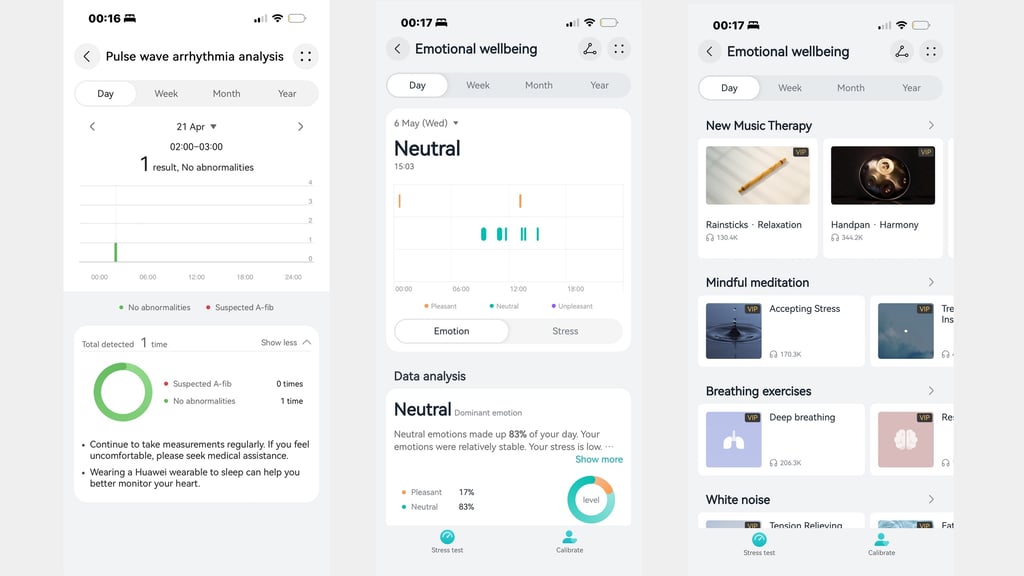
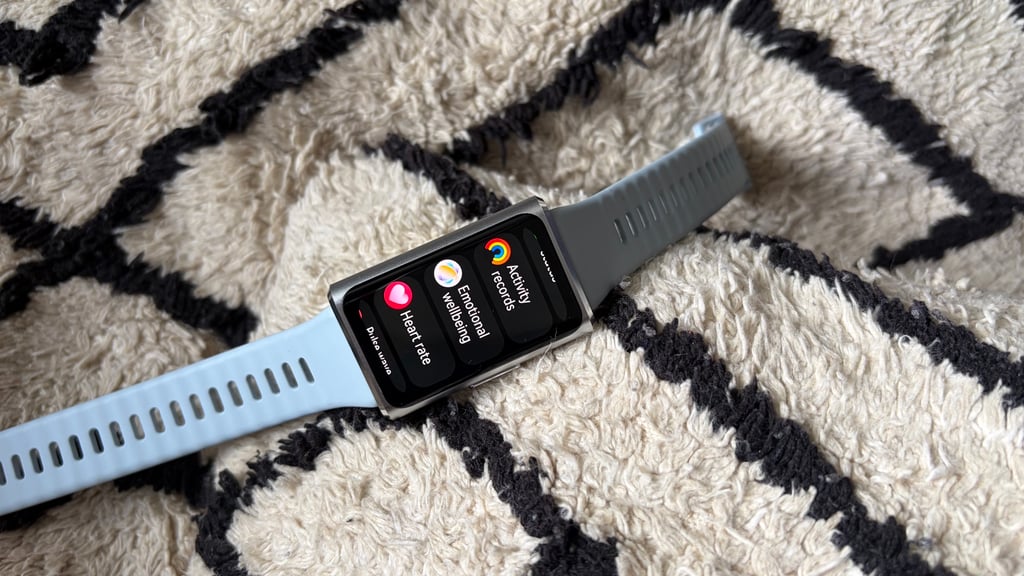
Another key feature is tracking your emotional well-being, which Huawei gauges through heart rate variability, the most common metric in wearables for stress analysis.
It measures the intervals between your heartbeats and displays your emotional state through various floral animations. A particularly appealing feature is the dedicated watch face that shows your current mood. It replaces flowers with charming animated animals that change according to your emotional state.
Battery life
Fitness trackers like these usually have longer battery life than more feature-rich smartwatches, and Huawei has notably advanced the battery performance of all its wearables over recent years.
The Band 11 Pro typically lasts over a week without using the always-on display or advanced continuous health monitoring. When these features are enabled, battery life reduces to about 3 days. On average, we observed a daily battery drain of 5-10% when the screen was not kept on constantly.
Huawei states that typical battery life is around 8 days with regular use and up to 2 weeks with lighter use. There's definitely potential to achieve several weeks of battery life instead of just days.
When it does need fully charging, you need to grab its proprietary charging cable with the Band 11 Pro taking over an hour to reach 100%. For a quick boost, 30 minutes on the charger should provide enough power for several additional days.