Updated: Do you go WHOOP or Fitbit Charge 6? Here's our take
Fitbit Charge 6 and WHOOP 5.0 are two wearables that want to become your ultimate health and fitness companions.
The way they go about doing that differs, but they both promise to be as useful when you’re sweating it out in the gym as when you’re monitoring your wellness.
Wareable verdict: Fitbit Charge 6 review | WHOOP 5.0 review
We’ve tested both devices thoroughly now, so we have a pretty good idea about their strengths and weaknesses.
So if you’re weighing up whether to go for one over the other, here’s our breakdown of how Fitbit Charge 6 compares to WHOOP 5.0.
Also read: Garmin vs. WHOOP—which is best?
WHOOP 5.0 vs. Fitbit Charge 6: Pricing
There’s a chance that when you find out how much these two trackers cost, your decision will already be made about which to go for. Here are the key pricing details you need to know.
WHOOP 5.0 works on a subscription model, which gets you the device and access to the WHOOP app.
The prices of WHOOP membership start at $199.00 per year. This price includes the device—but it will stop working if you decide to stop paying for the subscription.
Fitbit Charge 6, in comparison, costs slightly less (around $159.95), and that gets you the device and free access to the app.
But if you want to delve deeper into your health stats and get access to extra WHOOP-level insights, you’ll need a Fitbit Premium subscription, which unlocks sleep data and the Daily Readiness feature. You can either pay $9.99 a month or $79.99 a year.
Over two years, that means the total cost of a Charge 6 could be around $319.00 compared to $399.00 for WHOOP. Not that much different.
Winner: Tie
Design and comfort
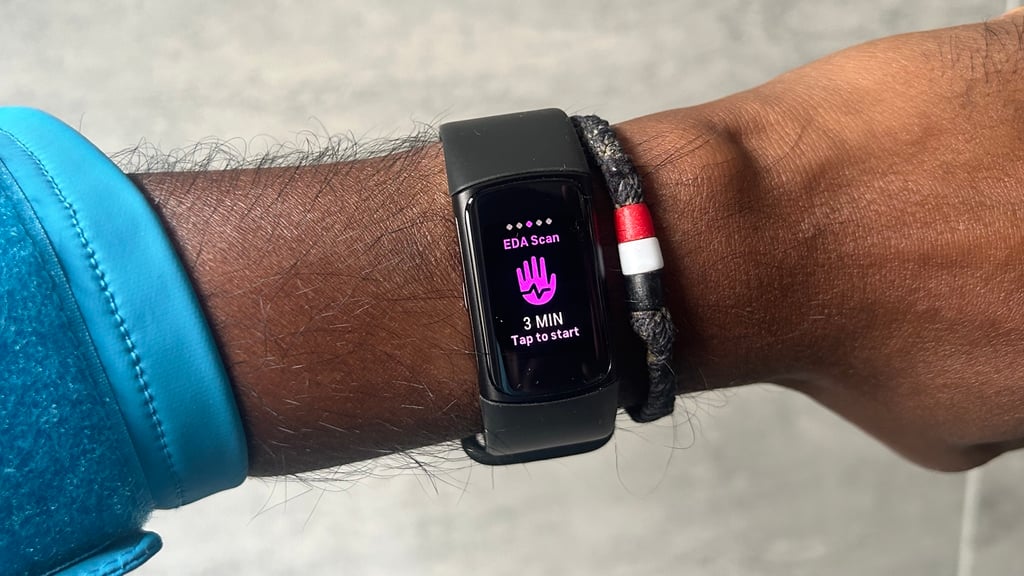
We'll start by saying that these are two of the most comfortable fitness trackers we've worn, and they're comfortable enough to wear day and night and during exercise.
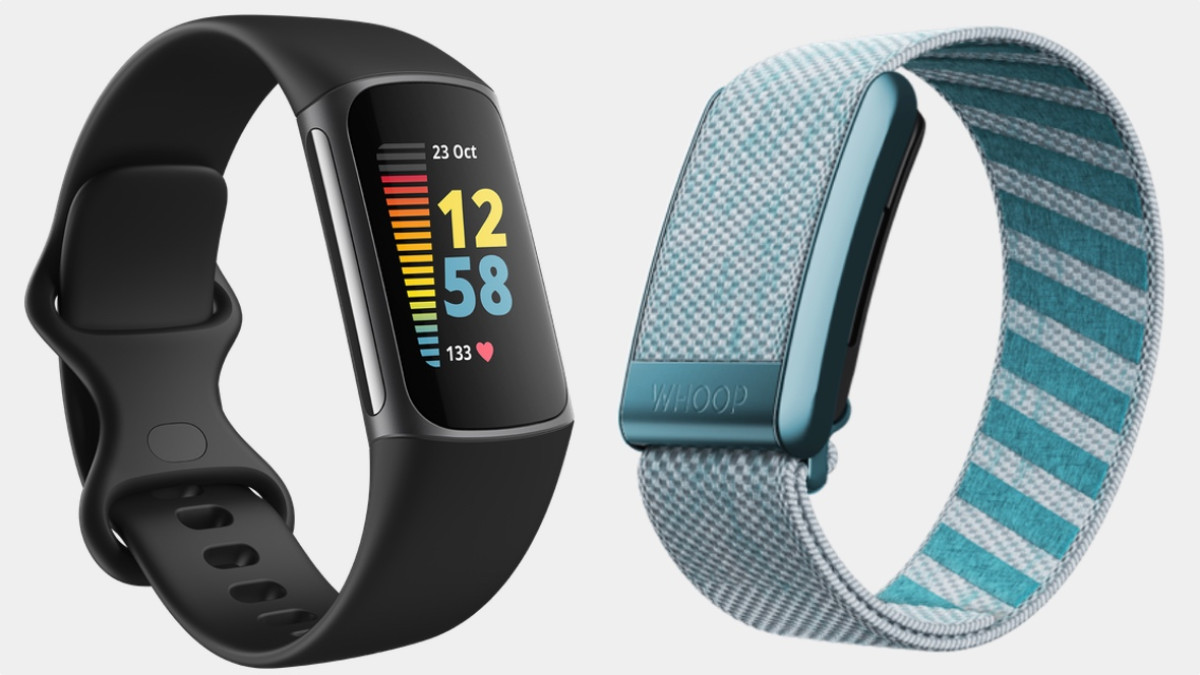
Charge 6 is the slimmer of the two and, crucially, does have a color touchscreen display to show off stats and other key features. There is an always-on display mode as well if you prefer to have that screen alive at all times.
You can swap out the bands connected to the aluminum case, and Fitbit offers a vast range of different straps if you prefer something a little more formal or stylish.
Unlike Charge 5, Charge 6 reintroduces a side haptic button, making navigation easier during workouts and improving usability when your hands are wet.
While it’s not quite as svelte as Fitbit’s cheaper Luxe tracker, Charge 6 looks good and is fit for showering and swimming.
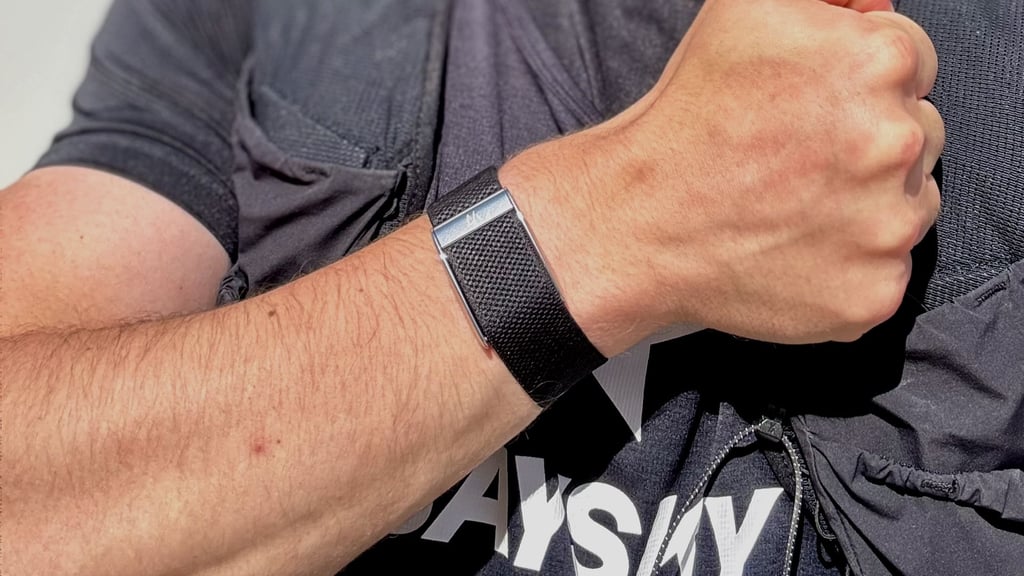
WHOOP 5.0 is made up of a knitted band that sits inside a metal buckle, which is a bit of a nuisance to get on initially, but it doesn’t budge, and it looks more stylish than a typical fitness tracker.
As a package, it’s waterproof up to 10 meters, and the supplied battery charging pack is also waterproof, letting you wear it in the shower while it’s doing its charging business.
You can change up the knitted bands for a different look, and WHOOP does give you scope to move its sensor to different parts of the body via bicep straps and garments like boxer shorts and compression tops. You’ll have to wait to get your 30-day baseline data first, though, before you can start wearing it in additional garments.
There’s no denying that WHOOP looks fantastic, and the ability to wear it on other parts of the body is a big positive here. You just have to get on board with not having a screen and checking in on your data in the app to gauge your progress.
Winner: Tie
Smartwatch features
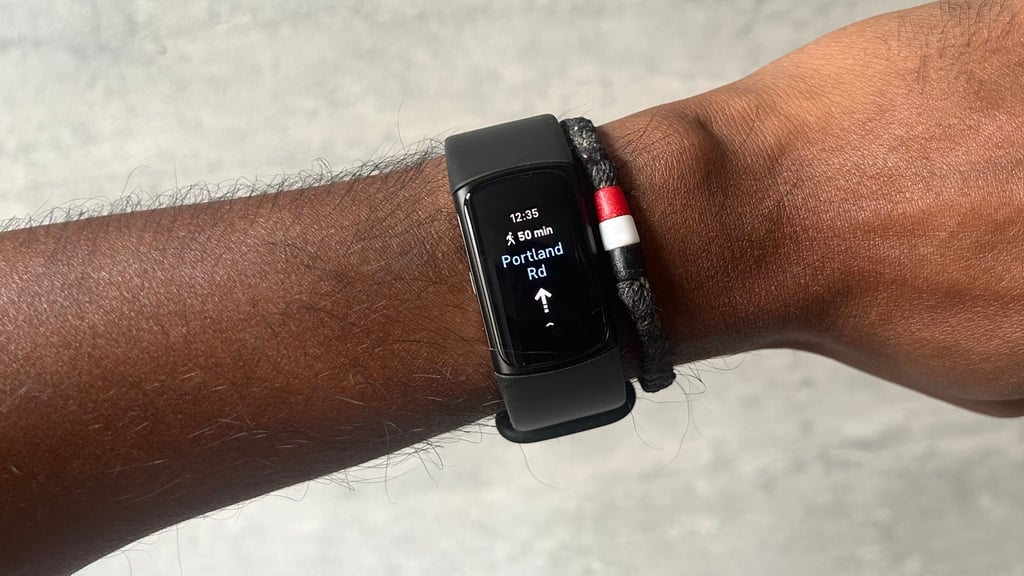
If you want smartwatch features, well, it’s no contest. It’s Fitbit that you want.
WHOOP doesn’t have a screen and doesn’t try to be a smartwatch in any way, shape, or form. It’s primarily focused on capturing your data and displaying it in the companion phone app. It’s not going to buzz you about notifications or let you control your music, unfortunately.
However, there is a smart alarm feature—which we use daily.
Charge 6 has much more to offer in that respect. That color screen will display notifications from third-party apps as well as calls and calendar appointments. If you’ve got an Android phone, you can also respond to notifications with default and custom replies.
There are contactless payments via Fitbit Pay, and it has built-in controls for YouTube Music.
Winner: Charge 6
Workout and fitness tracking
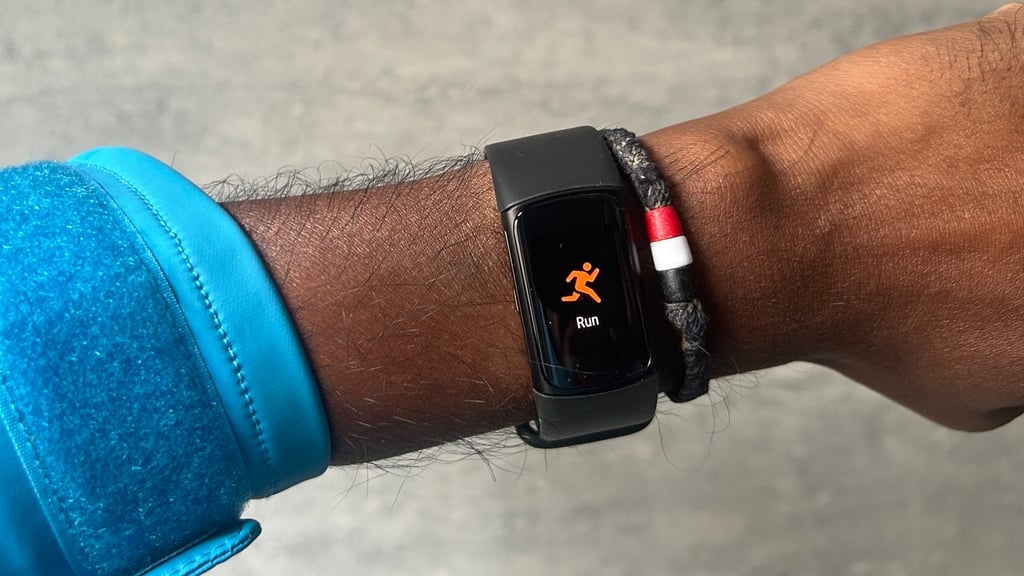
Fitbit describes Charge 6 as a fitness and health tracker, and WHOOP similarly says its tracker is built for fitness and health monitoring. They have similar goals but approach things in slightly different ways.
We’ll start with Charge 6, which takes Fitbit’s core staples of tracking things like steps, sleep, and heart rate 24/7, including during exercise. There’s also built-in GPS to track outdoor activities and motion sensors to track indoor activities like treadmill running and pool swimming.
It also includes a range of health and wellness sensors, including a skin temperature sensor and an SpO2 sensor to measure blood oxygen during sleep, and it also includes an ECG sensor with FDA-cleared functionality. There’s even room for an electrodermal activity sensor (EDA) to offer richer insights into stress responses.
WHOOP 5.0 has its fair share of sensors, too, and metrics those sensors can deliver.
It can track respiratory rate, blood oxygen, resting heart rate, heart rate variability, and skin temperature. It also monitors sleep and tracks steps like Fitbit.
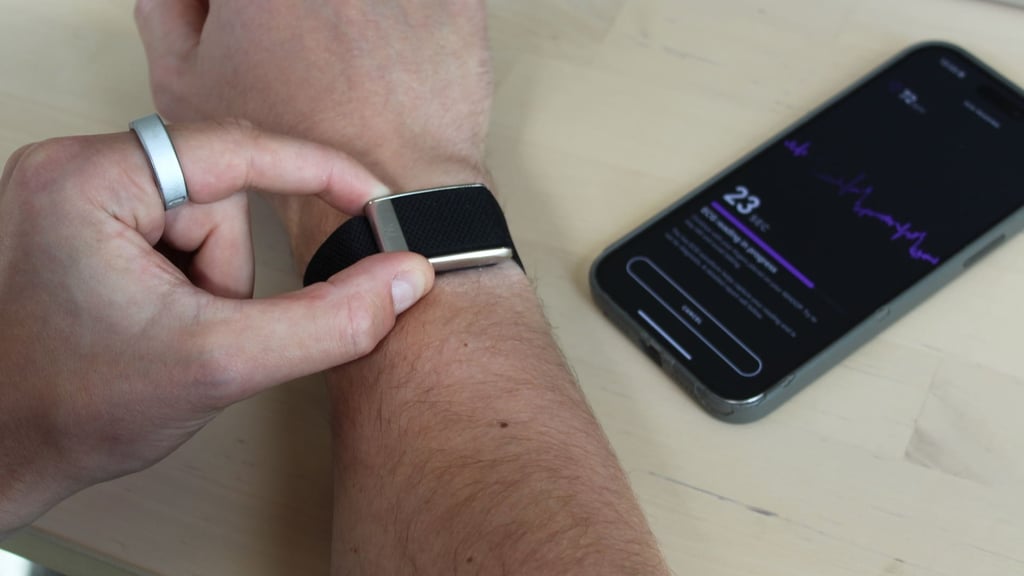
It doesn’t include GPS, so you have to track outdoor exercise with your phone’s GPS via the WHOOP companion app. Like Fitbit, it does support automatic exercise recognition for a range of activities too.
As workout trackers, we’d say Charge 6 does a better job of things, though it’s far from a perfect experience.
The lack of a screen and sensors like GPS on WHOOP makes the workout tracking experience a limited one. We also found tracking via the connected GPS support sketchy as well.
Charge 6 does offer indoor and outdoor tracking modes and sensors, and while they’re no match for a dedicated sports watch, they do offer good accuracy, and that does include heart rate.
WHOOP’s heart rate sensor technology is central to the platform and the way it generates its key Strain metric that informs you how much strain you’ve put your body under to better understand your recovery needs.
We found accuracy was better when the band was worn further up the arm, and while heart rate accuracy has improved from WHOOP 4.0, it’s still not perfect.
The key thing to remember about WHOOP is that it’s not there to track workouts in detail like Garmin or Fitbit. And it’s also not there to tell you how many steps you’ve done.
It’s a 24/7 companion that looks at the effects of working out and lifestyle on your body to help guide how much you should rest and how much you can push. It’s extremely focused on this mission—and costs a lot of money to tell you this specific information.
As a workout tracker, Charge 6 edges it. But while WHOOP lacks basic fitness tracking features, it does match Fitbit for reliable, rich sleep tracking and analysis, and heart rate tracking during exercise is excellent.
Winner: Charge 6
Health tracking compared
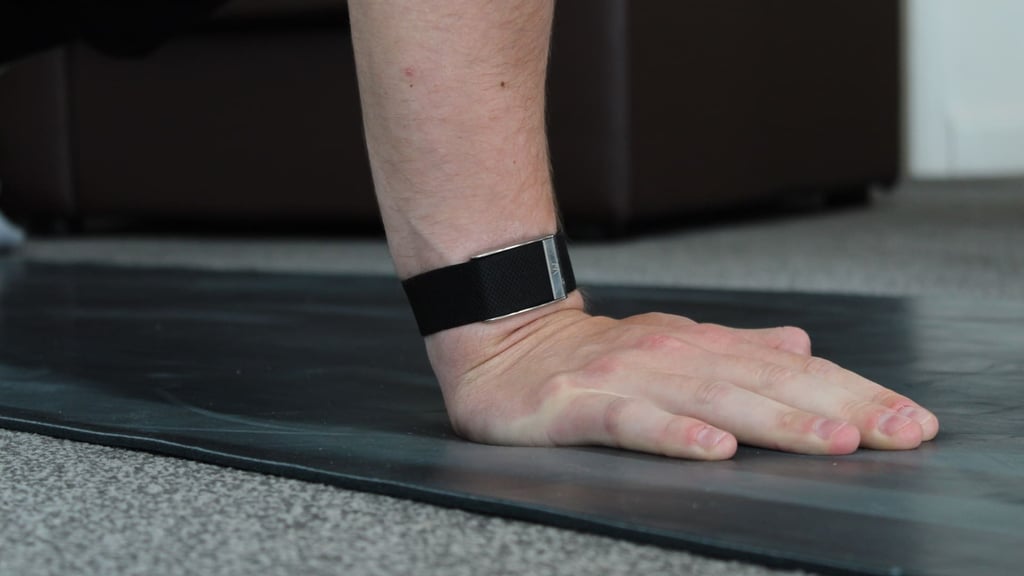
We’ve mentioned the sensors at your disposal and the kind of insights Fitbit and WHOOP promise from a health and wellness point of view. The bottom line, both offer a strong set of wellness features that have the potential to suggest all is not well.
Charge 6 has an ECG sensor, which has now been enabled, meaning you have a tracker that may detect signs associated with atrial fibrillation.
It monitors blood oxygen levels during sleep, and while Fitbit doesn’t claim it can indicate the disorder of sleep apnea via this data, it can help wearers understand if something doesn’t seem quite right.
It’s a similar story with the temperature sensor, which monitors during the night and, again, may indicate that you might be unwell.
Fitbit also encourages paying attention to your mental well-being, offering stress scores generated by sleep, exertion, and heart rate variability data. The electrodermal activity sensor (EDA) may also measure stress responses, and there’s a raft of mindfulness features inside the Fitbit companion app.
That companion app is mostly free and very easy to use, but some additional health metrics require a Fitbit Premium subscription to access them.
With WHOOP, none of the sensors included have any form of regulatory approval, but it does include a Health Monitor feature, which may indicate when respiratory rate, blood oxygen, resting heart rate, heart rate variability, and skin temperature metrics are in and outside of your typical range.
It uses an excellent daily traffic light system, which can be really useful if you’re feeling under the weather. When we had COVID, these stats were flashing red and were useful to track our progress back to health.
WHOOP and Fitbit will both provide monthly health reports—and WHOOP will also do this weekly.
WHOOP also provides a journal feature, asking you to log things like alcohol, eating habits, and stress levels. It does a pretty good job of linking events like alcohol to estimated wellness data impact as a way to try to create better habits.
Winner: Tie
Battery life
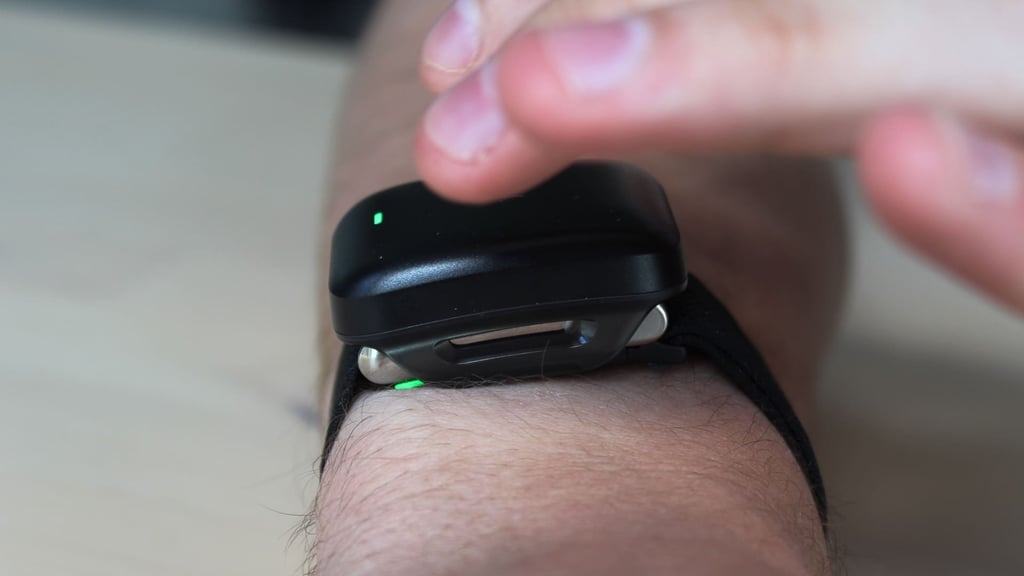
If you want the tracker that promises the biggest battery life, it’s WHOOP 5.0 that you want.
WHOOP 5.0 promises up to 14 days, which we found to be accurate in our testing.. Besides that, the WHOOP charging setup means you can clip on its battery pack and wear it on top of your WHOOP while you’re on the move.
Charge 6, in contrast, promises up to seven days, which matched what we saw in our testing. However, if you keep the display set to always on, the battery may last up to four days.
Winner: WHOOP
WHOOP 5.0 vs. Fitbit Charge 6: The verdict
So now that you know how these two fitness and health trackers match, which one should you go for?
We enjoyed using WHOOP 5.0—but it’s clear Charge 6 is one of the most feature-packed trackers you can pick up. We think both offer good experiences depending on what your priorities are.
Buy Fitbit Charge 6 if… you want a good mix of workout tracking, excellent sleep and health metrics analysis, and a nice everyday wearable all in one. The analysis is easy to read and action. You should also get Fitbit Premium, which will unlock the Daily Readiness score that gives you WHOOP levels of insight into your recovery.
Buy WHOOP 5.0 if… you take your training seriously and want a wearable to help you better understand your training and recovery needs. But it’s important to remember that WHOOP only offers basic workout and fitness tracking—and it’s laser-focused on your Recovery, Strain, and Sleep scores. However, the at-a-glance health monitor feature is also excellent.