Best back-to-school wearable deals: The smartwatches, fitness trackers and smart rings I’d check first

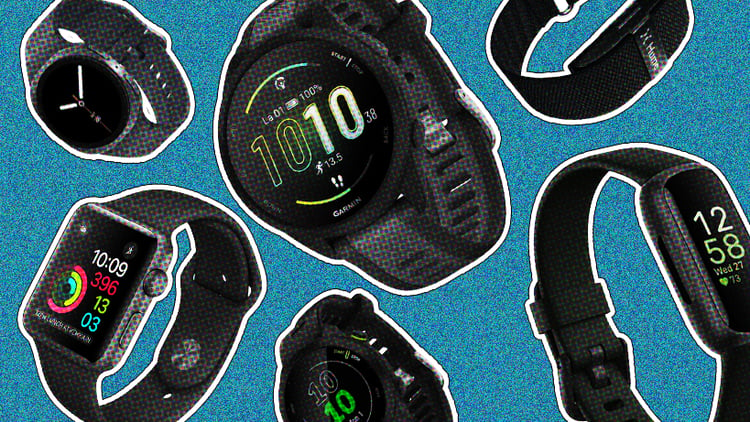
During back-to-school shopping, people usually focus on laptops, bags and headphones, but a good wearable can be just as useful once the school year begins. The right device can make it easier to check notifications between classes, follow a training plan, track sleep or leave the phone in a bag during a run.
The trick is buying a wearable that complements your routine. A smartwatch makes sense when you prioritize messages, timers and apps. A slimmer tracker is better when comfort and battery life come first. A smart ring is the most discreet option for sleep and recovery trends.
I’ve narrowed the current back-to-school lineup to products that fit various routines. Our featured live deal widgets also show the latest prices, discounts, and availability, so the information stays fresh even after the back-to-school sales end.
The back-to-school wearable deals I’d shortlist
|
|
|
|
| Title | Apple Watch Series 11 | Samsung Galaxy Watch 8 | Garmin Forerunner 165 |
| Price | $360.05 | $309.00 $329.99 -6% | $194.00 $249.99 -22% |
| Best for | iPhone users | Android users | Runners who want an AMOLED screen |
| Why it stands out | A polished smartwatch with a large display, strong health features and seamless iOS integration | Useful sleep and training tools in a slim, everyday design | Clear training guidance, built-in GPS and a bright color display |
| More info | Buy on Amazon Details | Buy on Amazon Details | Buy on Amazon Details |
Best smartwatch deals
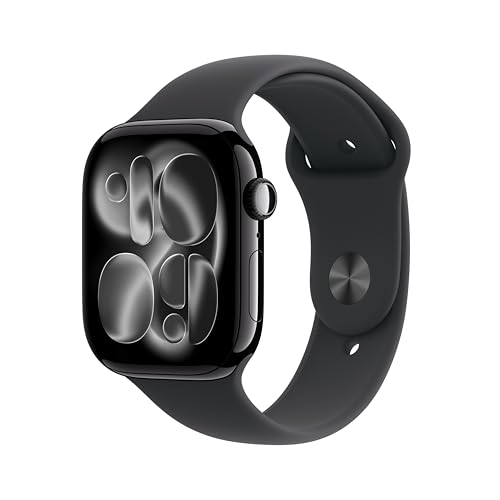
Apple Watch Series 11 is my first choice for an iPhone user
Series 11 pairs a 46mm Jet Black aluminum case with a Black Sport Band in the M/L size. It’s the watch I would put at the top of an iPhone owner’s list, especially if you’re looking for a large, easy-to-read screen.
Apple’s always-on display is useful for checking the time or a timer without turning your wrist every time. The watch can also handle notifications, Apple Pay, workouts, sleep scores and heart-rate features—no picking up the phone needed. Apple rates Series 11 for a full day of normal use, and fast charging makes a quick top-up easier to fit around classes or training.
One quick recommendation before buying—take a second to check both the case and strap measurements. The 46mm case offers plenty of screen space but can feel oversized on a smaller wrist, while the longer Sport Band is designed for a wider fit.
Best for: An iPhone user who wants the most complete smartwatch in this lineup and prefers a larger display.
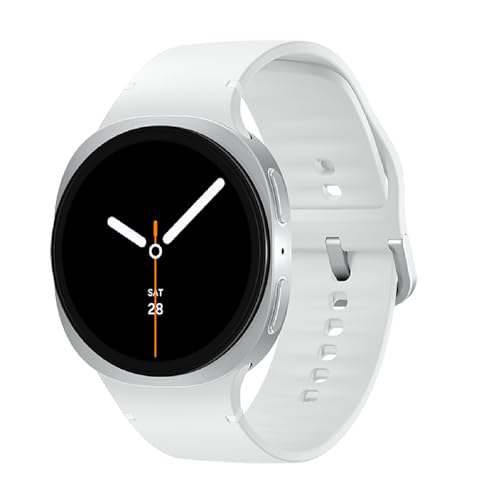
Samsung Galaxy Watch8 is the better back-to-school pick for Android
Galaxy Watch8 is a solid alternative for an Android user. This 44mm Bluetooth model comes in Silver and combines everyday smartwatch features with sleep coaching, running guidance, heart-rate tracking, built-in GPS and Samsung’s Energy Score.
What I like most about this watch is how those features fit in a school routine. The watch can show messages and calendar alerts during the day, then switch into a run tracker or sleep monitor later. Dual-frequency GPS is another useful advantage for outdoor runs in areas where tall buildings can make route tracking harder.
However, its compatibility is a big caveat. While the Galaxy Watch8 works with Android phones, some of its health and ecosystem features require a Samsung Galaxy phone. Before buying, I highly recommend double-checking your specific phone and region so you don’t miss any important features.
Best for: An Android user who wants a full smartwatch with strong sleep and running tracking tools.
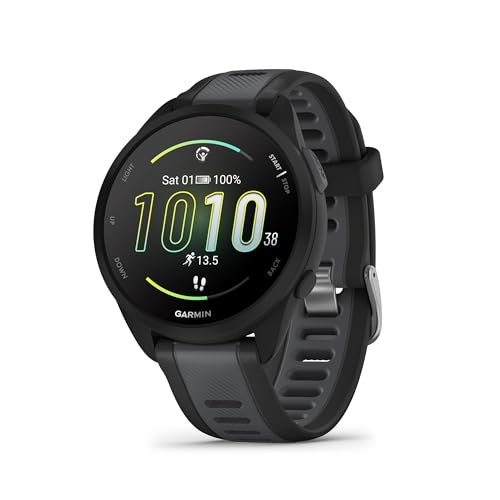
Garmin Forerunner 165 is the runner’s all-rounder
For a student preparing for a first race, joining a running club or simply trying to train more consistently, Forerunner 165 is the Garmin I would check first. It has a bright AMOLED touchscreen, physical buttons, built-in GPS, Garmin Coach plans, daily suggested workouts and recovery information.
It also offers more than an entry-level running watch. 24+ activity profiles cover gym sessions and other sports, while the color screen makes maps, stats and notifications easier to scan. Garmin’s battery stretches across multiple days in smartwatch mode, which is helpful when there’s not much space in a dorm or travel bag to begin with.
While it remains a running-first device, its app and notification experience are useful, though not as advanced as Apple’s or Samsung’s smartwatch ecosystems.
Best for: A runner who wants training guidance and an AMOLED display.
Garmin Forerunner 55 keeps the focus on running
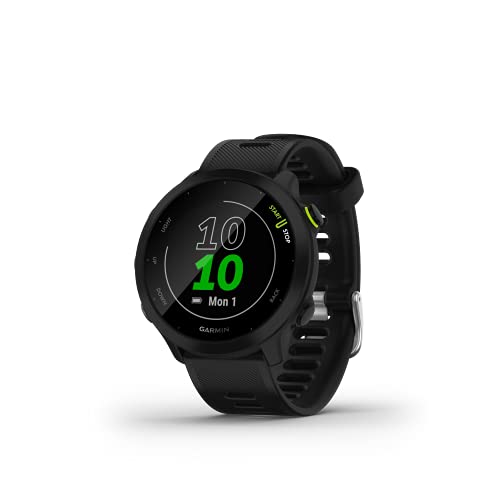
Forerunner 55 is the simpler Garmin option. It uses buttons rather than a touchscreen and a sunlight-readable memory-in-pixel display rather than AMOLED. That combination is less flashy, but it is practical for running in rain, sweat, or gloves.
Built-in GPS, Garmin Coach, and daily suggested workouts cover the features a newer runner is most likely to use. The lightweight design and long manufacturer-rated battery life also make it easy to wear continuously without having to charge it daily.
Overall, I would choose Forerunner 55 if run tracking, simple controls, and less charging are the priorities. However, if you’re looking for display quality and broader workout support, I’d consider Forerunner 165 instead.
Best for: A beginner runner or school athlete who wants a straightforward training watch.
Best fitness trackers
Hume Band 2.0 is the screen-free option


Use code WRBL20 for 44% off your Hume Band purchase
The Hume Band 2.0 takes the opposite approach to a smartwatch: there is no screen distracting your attention. It collects wellness signals such as heart rate, heart-rate variability, blood oxygen, sleep, respiratory rate, skin temperature, and activity, then turns them into app-based recovery and health trends.
This makes it appealing for someone who wants to track routines without being overwhelmed with notifications. It can sit quietly under a sleeve during class and still gather overnight data without lighting up your room at night.
The trade-off is that every useful detail lives in the phone app. If you want glanceable workout stats, a timer, or message alerts, buy a watch or a Fitbit with a display instead. Coupon terms can also change, so use the Wareable deal page to check the current offer.
Best for: A student who wants passive tracking and fewer on-wrist distractions.
Fitbit Inspire 3 is a light, uncomplicated tracker
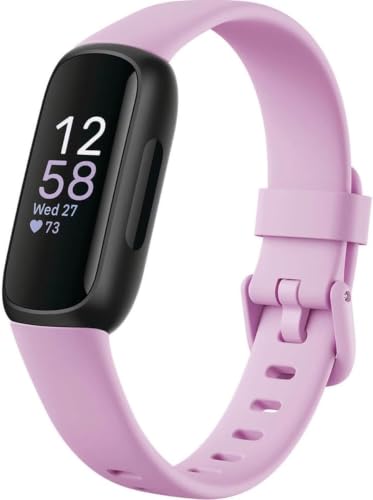
Inspire 3 is the smallest and simplest Fitbit on this list. In the form of a band, it continuously tracks heart rate, sleep, workouts, stress-management signals, and active-zone intensity.
If your goal is to wear a tracker all day and night, the band design has an advantage in the comfort department. While its color display can show the essentials, it does not invite the same level of interaction as a watch—good news for those looking for less distracting devices.
Unfortunately, its main drawback is GPS. Inspire 3 relies on a connected phone for mapped outdoor routes, so runners who want to leave their phone behind should look at Charge 6 or one of the Garmin watches.
Best for: Anyone who wants core Fitbit tracking in a slim, low-maintenance band.
Fitbit Charge 6 is the strongest Fitbit for workouts
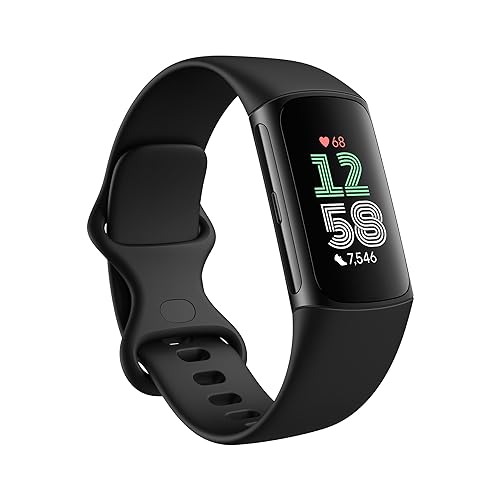
Charge 6 is my Fitbit pick for someone who wants a tracker-sized device without giving up built-in GPS. It covers more than forty exercise modes and adds Google Maps directions, Google Wallet, YouTube Music controls and heart-rate broadcasting to compatible gym equipment.
It also offers the familiar Fitbit mix of sleep, stress and heart-rate trends. ECG support is available too, although keep in mind that no consumer wearable should be treated as a substitute for professional medical assessment.
Its small screen might be the dealbreaker to some. It keeps Charge 6 compact, but maps, notifications and workout data are easier to read on a full watch. Choose it if you’re looking for a band, not because you expect a miniature Pixel Watch.
Best for: A fitness-focused buyer who wants built-in GPS and Fitbit’s most useful Google integrations.
Fitbit Versa 4 gives you a larger screen in two colorways
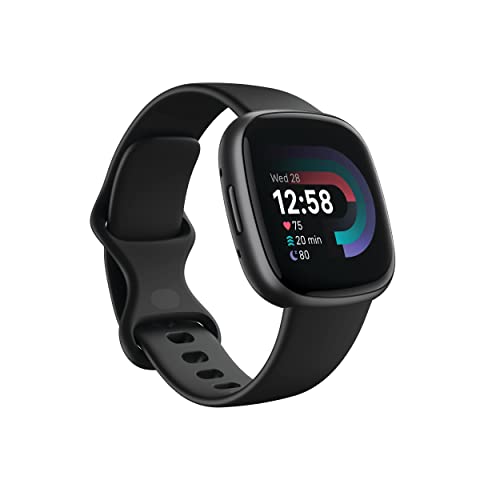
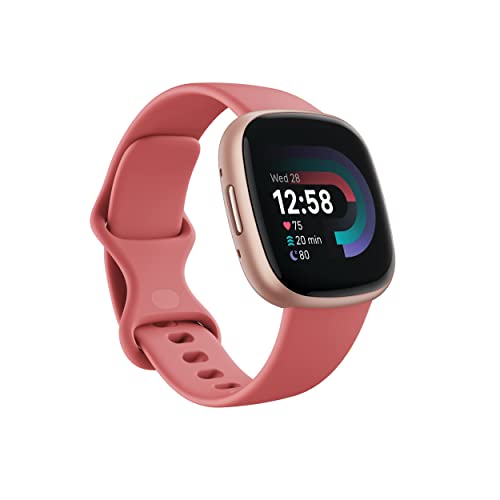
Don’t be mistaken—the same Fitbit Versa 4 offers two color versions, not different generations. Both provide a larger AMOLED display, built-in GPS, continuous heart-rate tracking, sleep tools, exercise modes, notifications, and several days of manufacturer-rated battery life.
The bigger screen is useful for following a workout or checking a notification between classes. It also makes Versa 4 feel more like a watch than Inspire 3 or Charge 6. The Black and Graphite version is the more neutral choice, while Pink Sand and Copper Rose bring a warmer finish without changing the core experience.
Versa 4 is best approached as a fitness watch, not as a direct Apple Watch replacement. Its third-party app ecosystem is limited, and some Fitbit insights or guided features can sit behind Fitbit Premium.
Best for: Someone who wants Fitbit’s health and activity tracking tools on a watch-sized display.
Best smart rings
Oura Ring 4 is the polished sleep-and-recovery choice


Unlock 20% off your Oura Ring (Gold) purchase
Oura Ring 4 is the smart ring I would choose for the most refined overall experience. It tracks sleep, resting heart rate, heart-rate variability, temperature trends, activity and recovery, then organizes the data into clear daily scores and longer-term patterns.
Its biggest advantage for school is discretion. There is no screen to check during a lecture, and a ring can be more comfortable overnight than a watch. Oura’s sizing process is important, though: Keep in mind that finger size can change during the day, but the sensors need consistent skin contact.
Its main caveat is the ongoing membership required for Oura’s full analysis. You can check Wareable offer page for current promotions and terms, but I would still consider the long-term ownership model before buying.
Best for: Someone who prioritizes sleep and recovery insights and wants refined software.
RingConn is the subscription-free smart-ring alternative

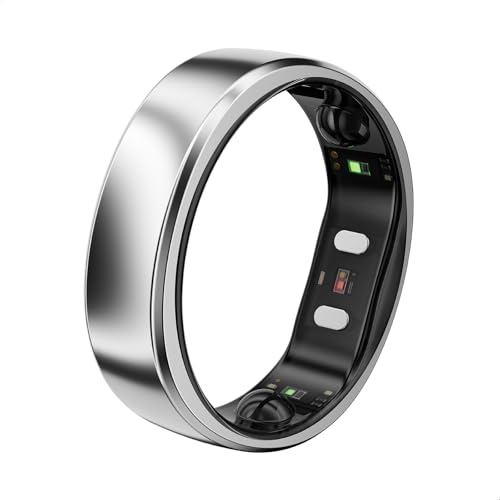
RingConn is the ring I would suggest considering if you want to avoid Oura’s required subscription. It tracks sleep, heart rate, heart-rate variability, stress, blood oxygen, activity and recovery, with a battery designed to last around several days between charges.
That buy-once approach can be attractive for a student budget as the core insights don’t depend on a mandatory monthly plan. RingConn also offers more than one model, so check which generation and bundle might be the better fit for you.
That said, Oura still has a more advanced data interpretation and a broader ecosystem. RingConn makes the stronger case when ongoing fees are the deal-breaker, and you are comfortable with a less refined platform.
Best for: A smart-ring buyer who wants broad wellness tracking without a required subscription.
How I would choose a wearable before the first day of school
Start with your phone. iPhone users get the smoothest everyday experience from Apple Watch, while Android users should look at Galaxy Watch8. If training plans and battery life matter more than apps, then Garmin watches are the stronger fit.
Then decide how big of a screen you want. Versa 4 provides a watch-like display, Charge 6 and Inspire 3 keep things compact, and Hume Band 2.0 removes the screen altogether. Oura and RingConn go one step further by moving the sensors to a ring.
Finally, check the details that sale banners can hide: case size, band length, phone compatibility, required memberships, seller, condition, return window, and warranty. A wearable only becomes a good back-to-school deal when it fits the person and the routine.
My overall top recommendations are Apple Watch Series 11 for an iPhone owner, Galaxy Watch 8 for an Android user, Forerunner 165 for a runner, Charge 6 for someone who wants a compact fitness tracker, and RingConn for a subscription-free smart ring. The rest of the lineup earns its place by serving more specific purposes—exactly what a useful deals page should help you identify.